
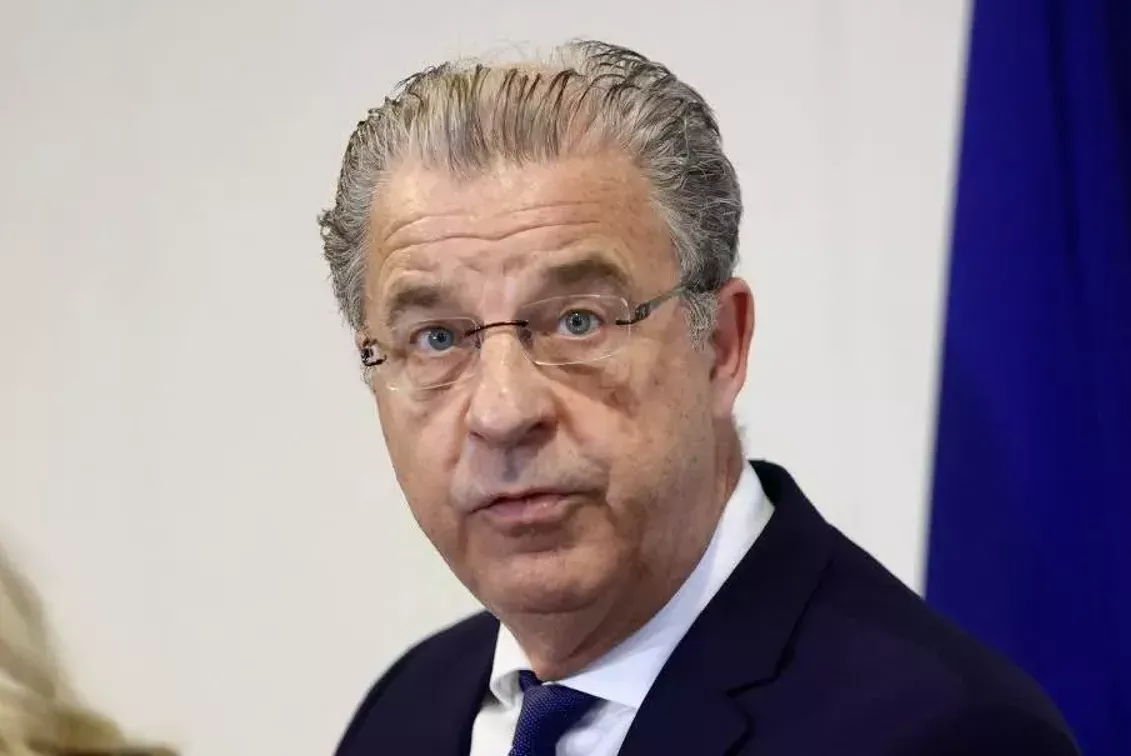
(Patria) - The Chief Prosecutor of the International Residual Mechanism for Criminal Courts in The Hague arrived today on a visit to Bosnia and Herzegovina, where he met with representatives of judicial institutions in the capital. This meeting was organized by the High Judicial and Prosecutorial Council of BiH (HJPC BiH).
More than 40 percent of war crimes cases involve accused or convicted persons unavailable to BiH judiciary, says the President of the HJPC BiH, Halil Lagumdžija. This is also evident in situations where international arrest warrants have been issued for them, as most of them seek refuge from justice in neighboring countries such as Croatia and Serbia.
In the last three years, progress has been made, says Lagumdžija, but it is not enough, as indicated by representatives of war victims' associations.
The Chief Prosecutor of The Hague, Serge Brammertz, added to this, stating that representatives of war victims' associations have the right to criticize and be dissatisfied. In this regard, he notes that more could always have been done.
The International Mechanism has concluded its work on cases and is now focused on supporting the prosecution of these cases through regional cooperation, by transferring war crimes cases to the countries where the accused or convicted persons are hiding.
“The only way to achieve justice is to transfer criminal prosecution to the countries where the fugitives are located. I recently had the opportunity to be in Belgrade, Zagreb, Podgorica, and I received assurances from the prosecutor's offices there that they will take over these cases if the cases are transferred to them. In the second part of the meeting, we spoke with representatives of war victims' associations. They have the right to criticize and be dissatisfied. Regional cooperation must be improved, otherwise, we will not make progress,” stated Brammertz.
Murat Tahirović, President of the Association of Victims and Witnesses of Genocide, who was also present today, said that the meeting was very difficult and arduous.
“Considering that there were representatives of victims of Bosniak, Croat, and Serb nationalities, they raised quite a few objections to the work of the judiciary in BiH. The main topic was, of course, the transfer of cases to the prosecutor's offices in Serbia, Croatia, and Montenegro. We from the so-called Bosniak part of the association gave our consent, considering that, obviously, even after decades, these persons are not available to the BiH judiciary, that proceedings can continue in those countries, of course, with the caveat that witnesses in specific cases are consulted, and they will give their consent. It was explained to us that there are two options for testifying. One relates to the direct appearance of witnesses, and the other to testifying via video link,” concluded Tahirović.
Today's meeting was organized as part of the project “Improving Work on War Crimes Cases in BiH” implemented by the HJPC with the financial support of the European Union.
Komentari (0)
Prijavite se za komentiranje
PrijavaJos nema komentara. Budite prvi!
Minuta
Sve →Iz drugih kategorija

High Representative Not Elected: Germans, French and British Sabotaged Americans, New Attempt at End of June

ČOVIĆ WITHOUT MERCY: How Those Who Brought Ademović to Office Created a Political Hell for Him



Sunny Saturday, quite warm



Tragedy in Albanian resort: Two minors drown












