
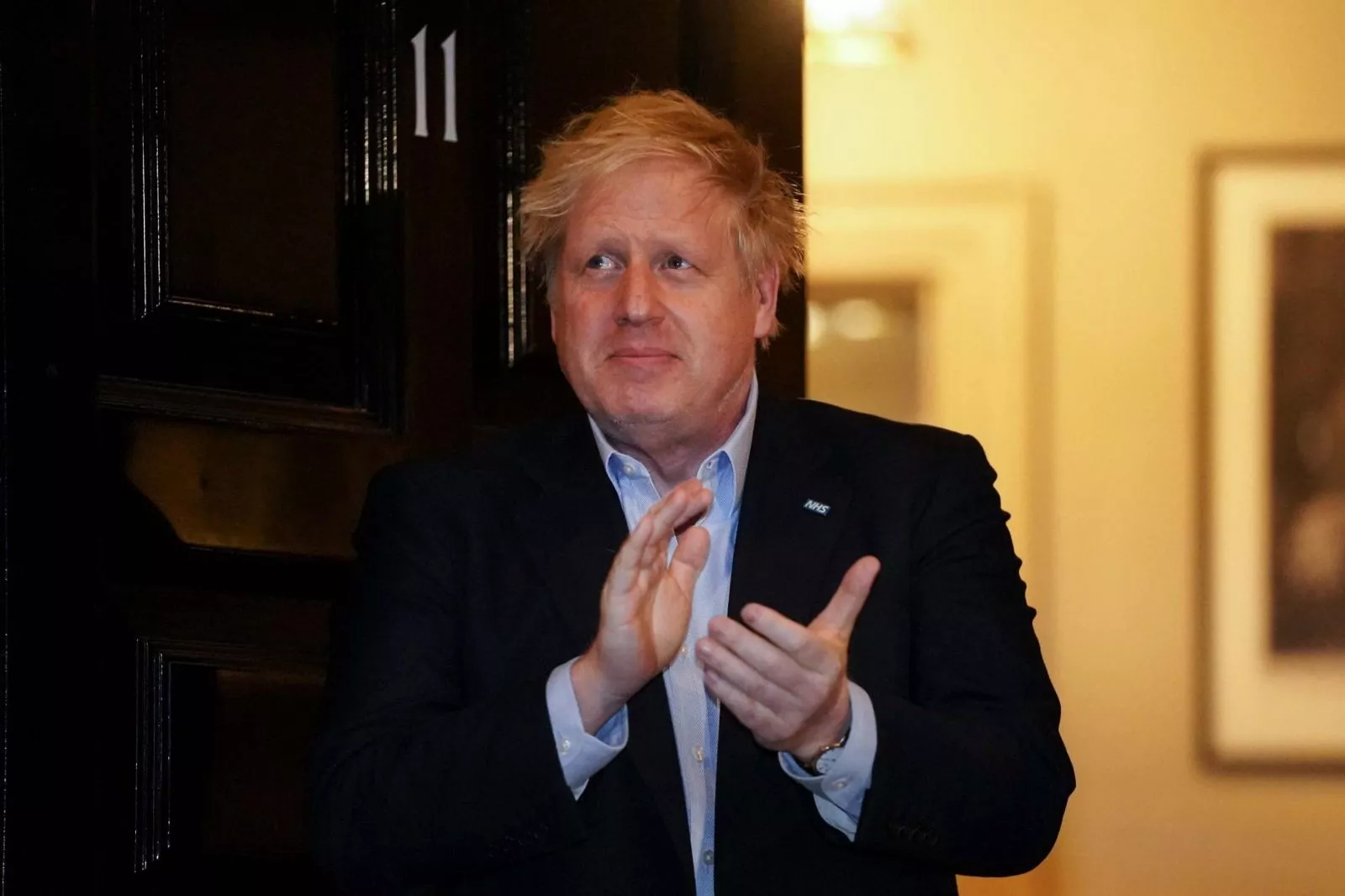
(Patria) - Representatives of the organization Remembering Srebrenica and other related organizations connected to Bosnia and Herzegovina in Great Britain have written to the Prime Minister of Great Britain, Boris Johnson, a day before the debate that will be held in the House of Commons of the British Parliament.
The letter was also sent to the address of the Minister of Foreign Affairs, Liz Truss, and other leading politicians in Great Britain. At the beginning of the letter, it is stated that they are addressing him as members and friends of the Working Group for the Prevention of Atrocities in Great Britain, which exists to cooperate and share knowledge to improve the prediction and prevention of mass atrocities in Great Britain. They also add that they are deeply concerned about the risk of violence in Bosnia and Herzegovina caused by the inflammatory actions and rhetoric of the BiH Presidency member Milorad Dodik.
"We are alarmed and reiterate the assessment of the High Representative Christian Schmidt that this crisis is 'the greatest existential threat of the post-war period' for Bosnia and Herzegovina. We are concerned that the United Kingdom's systems, capabilities, and policies towards Bosnia and Herzegovina still lack a focus on crime prevention, grievances, and political marginalization. Our expertise tells us that without comprehensive and coordinated international responses at the center of atrocity prevention, opportunities to mitigate the risk of further deterioration and violence will more likely be missed," the letter to the British Prime Minister states.
The authors of the letter remind British political representatives of the complexity of the Dayton Agreement, the anniversary of which is being marked this month, and of the powers and competencies given to the entities in Bosnia and Herzegovina.
"In recent weeks, however, Mr. Dodik has announced that he will seek to withdraw Republika Srpska from many state institutions, including the Border Police, electricity transmission, judicial institutions (State Court and Prosecutor's Office), the Tax Administration, and even the Armed Forces of Bosnia and Herzegovina. Dodik intends to create parallel entity institutions, including a reorganized version of the Army of Republika Srpska. These steps are tantamount to secession and directly undermine the Dayton Agreement. Political instability is worsening because the Federation of Bosnia and Herzegovina, the other entity that makes up Bosnia and Herzegovina, has not had a government since the 2018 elections. Mr. Dodik's political ally, the Bosnian-Croatian nationalist party HDZ, has blocked the formation of entity government by demanding changes to the election law that would ensure their permanent rule through electoral engineering, although such changes would act as a further division of the country and its communities," is the position of the letter's authors.
The letter also notes Russia's influence in BiH, especially in Republika Srpska, which, according to the letter's authors, supports the activities of Milorad Dodik.
"The persistent denial of the Srebrenica genocide by Dodik and his supporters are deeply disturbing signs of ethno-nationalism that was at the root of the violence in the 1990s and fueled the hatred that led to crimes against humanity, genocide, and war. The risks to Bosniaks, especially returnees to Republika Srpska, and vulnerable communities such as Roma and Sinti, asylum seekers, LGBTQI+ persons, and others, require decisive action from Great Britain and the international community. Violent escalation has the potential to ripple across the Western Balkans, particularly Serbia, Kosovo, Montenegro, and North Macedonia, all of which are undergoing constant political crisis and where Russian interference contributes to instability. As a permanent member of the UN Security Council, a key player in NATO, and a country striving to be a force for good in the world, Her Majesty's Government is well-positioned to lead by example. We welcome the British intervention in support of the Office of the High Representative and EUFOR during the Security Council briefing on Bosnia and Herzegovina. At the meeting of NATO defense ministers in Brussels, as well as at the upcoming meetings of the United Nations Security Council and the Human Rights Council, Great Britain should continue to express its commitment to the Office of the High Representative and support the stability, democracy, and territorial integrity of Bosnia and Herzegovina by raising the alarming developments of the Republika Srpska leadership," the letter states.
The Prime Minister and other officials are urged to do more regarding the role of Great Britain in NATO forces in Bosnia and Herzegovina, assistance to the Armed Forces of BiH, and to draw lessons from countries like Myanmar. At the same time, it is noted that Great Britain should be prepared to prevent something similar to the attempt to form the Croatian Self-Government in 2001 from happening. It also calls for the activity of other ministries within Boris Johnson's government and for cooperation with politicians in BiH, cooperation with the Bosnian community in Great Britain, and cooperation with organizations similar to Remembering Srebrenica. They conclude in the letter that the violent and dark days of the 1990s must be prevented from happening at all costs.
Komentari (0)
Prijavite se za komentiranje
PrijavaJos nema komentara. Budite prvi!
Minuta
Sve →Iz drugih kategorija

High Representative Not Elected: Germans, French and British Sabotaged Americans, New Attempt at End of June

ČOVIĆ WITHOUT MERCY: How Those Who Brought Ademović to Office Created a Political Hell for Him



Sunny Saturday, quite warm



Tragedy in Albanian resort: Two minors drown












