
By Armin Sijamić
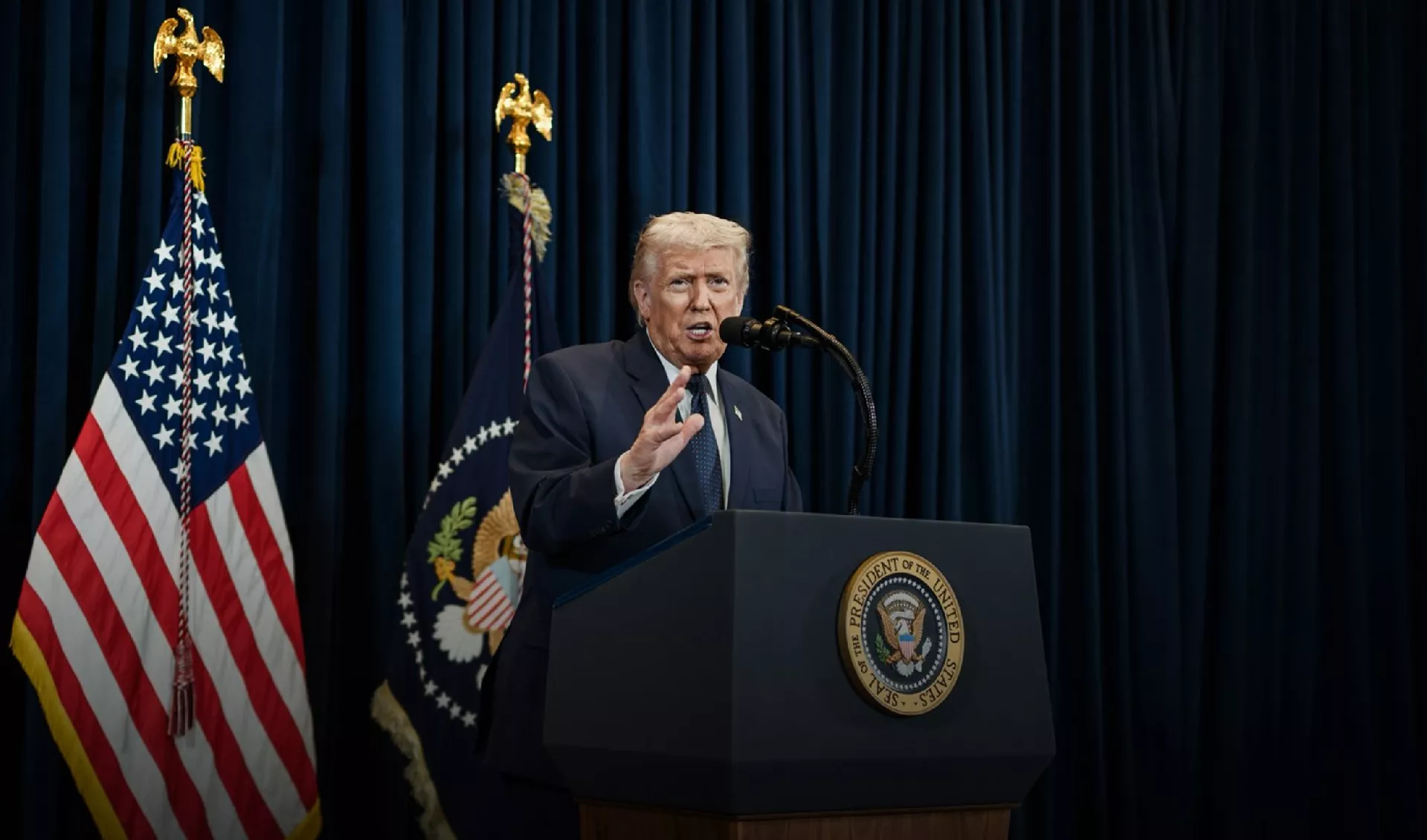
26 days have passed since the start of attacks by the United States and Israel on Iran, and many are wondering if US President Donald Trump holds the reins of this war in his hands.
“I certainly sympathize with Americans who are exhausted by 25 years of foreign entanglements in the Middle East. I understand the concern, but the difference is that we had foolish presidents then, and now we have a president who actually knows how to achieve US national security goals. So, this won't be some long and exhausting thing. We went in, we did the job of rolling back their nuclear program, now we will work on permanently dismantling that nuclear program in the coming years, and that is what the president intends to do.”
This is how US Vice President JD Vance explained in an interview with NBC in June last year why Trump suddenly attacked Iran, claiming that the United States and the world were in safe hands, because according to him, there were no longer fools sitting in the White House.
JD Vance, who has been unusually quiet since the war began at the end of February, is one of the favorites to succeed Trump in the presidential race on behalf of the Republicans. He explained the war that lasted twelve days and in which Iranian nuclear capabilities were allegedly destroyed.
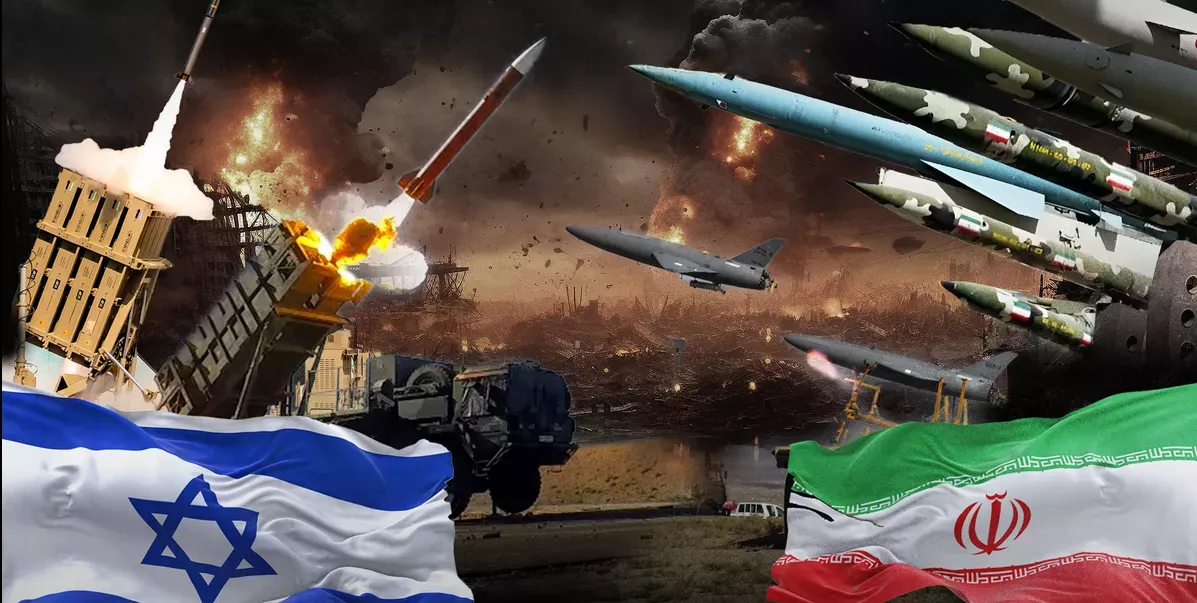
What needs to be destroyed must be destroyed again and won again
But the decision by the United States and Israel to attack Iran once again, this time while negotiations were ongoing and with the assassination of political, religious, and military leaders in a surprise attack, has brought back the old argument – Iran must not possess nuclear weapons, and therefore we must attack them.
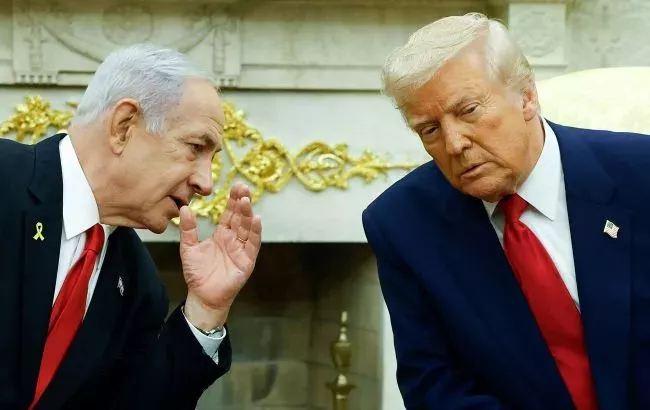
Thus, Trump has found himself in a situation where the public doubts whether he told the truth in June last year. Iran simply could not have developed a nuclear program in eight months, which is the time that has passed between the two attacks. Therefore, Trump's claims then or now are not true.
Commenting on Vance's statement, former US Ambassador to Russia Michael McFaul said: “This is one of the stupidest arguments I have heard from any high-ranking US official.” Journalist Michael Tracey assessed that “as the war escalates, the propaganda becomes dumber,” the British Independent reported at the time.
McFaul's and Tracey's observations then can also be applied to the new round of attacks on Iran, as Trump has adopted all possible positions in a short period. In the first days of the war, he said Iran was destroyed, then sought help from allies and later said he didn't need them because the US military had done the job, then threatened new attacks, spoke of negotiations with Tehran, only to finally decide to escalate the war and send additional warplanes and ships to the region, along with several thousand Marines who would, by all accounts, participate in ground combat.
However, there is also a possibility that Trump knows what he is doing and that all of this is part of a show leading to the expansion of the war against Iran and its allies throughout the Middle East, while simultaneously trying to prevent the consequences of such decisions.
Some, including Iranian officials, have noted that Trump's statements about the end of the war and negotiations usually come before the opening of trading on US stock exchanges, with the aim of calming investors and keeping the price of a barrel of oil below one hundred US dollars. They cite in support of this that Trump has lifted sanctions on some Russian and Iranian oil, meaning he is giving money to those he wants to break, while trying to deliver what he promised to voters.
Overthrow the regime or satisfy Tehran's demands
This calculation by Trump is therefore not without basis, as his initial plan to quickly overthrow the government in Tehran, similar to what he did in Venezuela, has failed. Now Trump is choosing between total war, which would likely draw in more countries and movements in the Middle East, or ending the war by fulfilling some of Iran's demands. In other words, Trump is waging both a psychological and propaganda war in order to buy time, and Iran is not his only target.
Tehran has stated that it will not accept a ceasefire like last time, as it has already been betrayed and attacked. Tehran has several conditions for ending the war. It demands guarantees that the US attack will not be repeated, compensation for damages caused by the war (a figure of one hundred billion dollars is mentioned, which roughly corresponds to the amount of frozen Iranian assets in various banks due to sanctions), peace in Lebanon that would satisfy the interests of the Shiites there, and the closure of US bases throughout the Middle East. This implies that Iran will not give up its missile program and allies, but is willing to resolve the issue of its nuclear program.
If Trump were to accept these demands, it would be his military and political defeat. If Iran were to accept much less than it is asking for, it would be its defeat. If the US and Iran reach an agreement based on the demands of both sides, it would be an Israeli defeat, and Prime Minister Benjamin Netanyahu might not accept it, which puts Trump in a bad position with the pro-Israeli lobby in Washington.
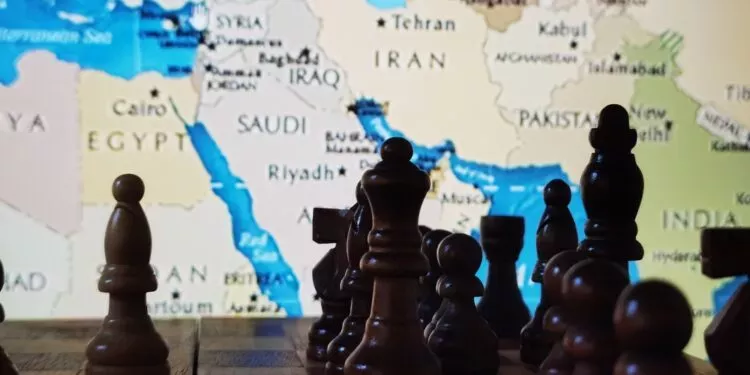
Negotiations with Iran would even put Trump in a politically unfavorable position. Namely, he claimed to have killed the entire Iranian leadership, destroyed the Iranian army and navy, paralyzed Iranian industry, and destroyed the country's ability to defend itself. If that is the case, with whom and why would Trump negotiate? Wouldn't it be more logical for him to dictate the terms of surrender that he had previously demanded from Tehran?
Therefore, for Trump, in the short term, war is the most profitable option, provided he keeps oil and natural gas prices low, Arab allies remain loyal, and the US military does not suffer heavy losses. Such a development would give him time to exit the war, which is clearly not going as he envisioned.
However, in the medium term, things look different. Iran's ability to attack and defend itself is a major blow to US interests and reputation. Iran is attacking numerous US military bases, and some of them are being evacuated; it has forced Washington to lift sanctions on Moscow and Tehran's oil; it has inflicted heavy blows on Israel; it has caused discord between Trump and allies who refuse to get involved in the war; it has turned Tehran into the most important player in the region capable of blocking the Strait of Hormuz and attacking targets in about ten countries.
Therefore, if Iran continues with this policy and maintains its current level of military capabilities, Trump faces a choice between a deal that would favor Tehran or continuing the war, which would lead to the involvement of new actors and greater use of US military forces and resources. This did not happen to Trump's predecessors in the White House, some of whom were seen by much of the world as hope for a better and more just world, and whom JD Vance called fools.
Komentari (0)
Prijavite se za komentiranje
PrijavaJos nema komentara. Budite prvi!
Minuta
Sve →Iz drugih kategorija

High Representative Not Elected: Germans, French and British Sabotaged Americans, New Attempt at End of June

ČOVIĆ WITHOUT MERCY: How Those Who Brought Ademović to Office Created a Political Hell for Him



Sunny Saturday, quite warm



Tragedy in Albanian resort: Two minors drown












