
By Armin SIjamić
Three weeks have passed since the United States and Israel attacked Iran. US President Donald Trump and Israeli Prime Minister Benjamin Netanyahu have shed new light on this war in recent days, and Iran has shown that it is ready to play that game too.
The modern history of the Middle East is also the history of the struggle for control of energy resources. Whether the West or Moscow projected their influence, oil and natural gas have always been among the main reasons. Such a policy has cost millions of lives, created and destroyed states, and it seems that the end is not in sight.
One theory suggests that the end of Bashar al-Assad's regime began with his rejection of Washington's offer to transport oil and gas from the Persian Gulf through Syria to the Mediterranean and Europe, which would have meant Damascus abandoning Iranian and Russian influence. Assad rejected the offer and lost a war in which numerous countries participated in various ways.
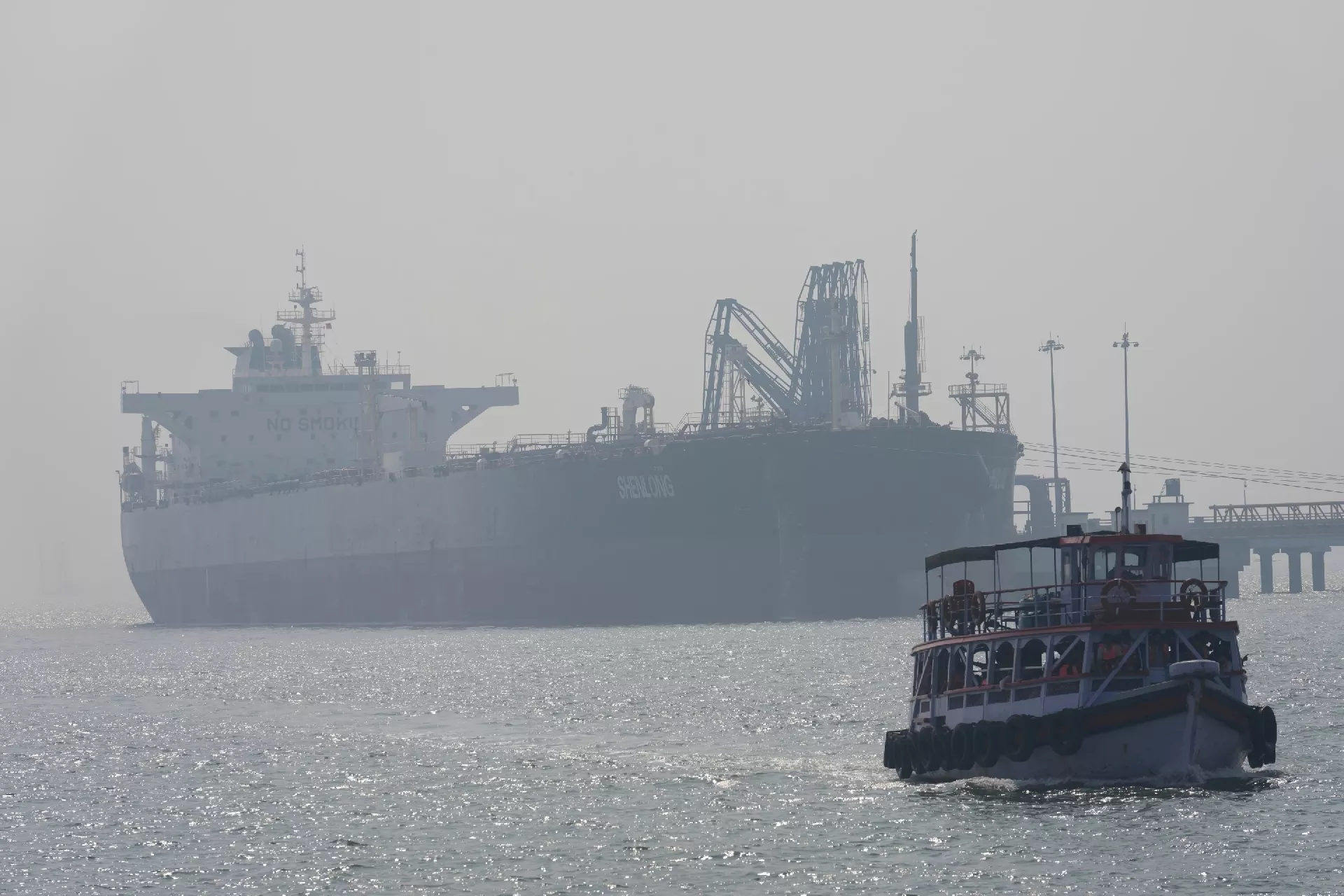
Speaking of Iran, such a theory is also applicable. Namely, Iran has energy resources and controls the Strait of Hormuz, through which about twenty percent of the world's oil and liquefied gas passes. This means that Iran, and consequently Russia and China, have a lever they can use against Washington and its Arab and other allies. Ultimately, if the world is divided into blocs, rallying around major powers like the US, China, and Russia, it means an advantage in access to resources.
Trump and Oil
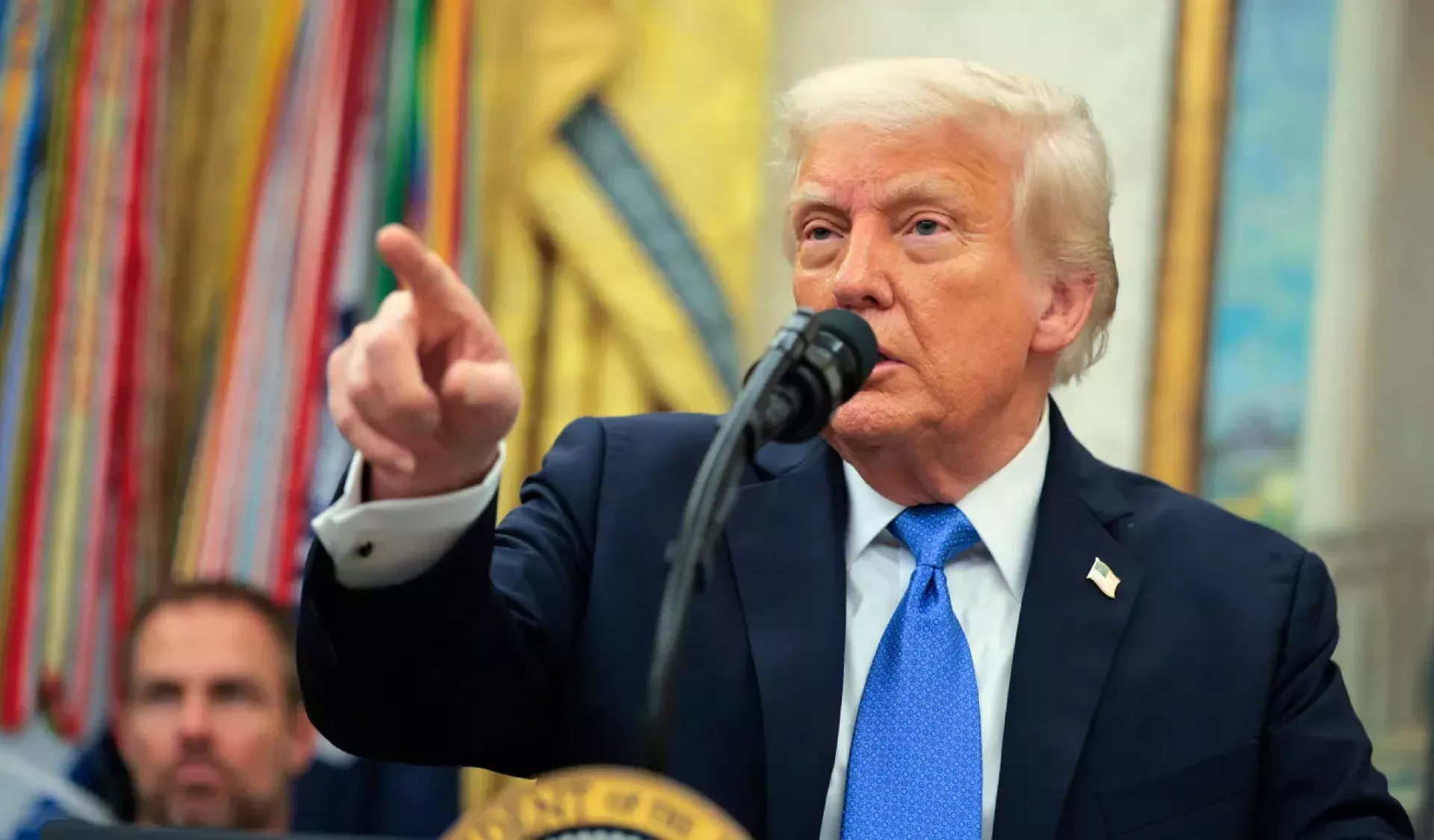
The aforementioned Assad once said that Trump is the best US president ever. When Trump sent the US military to seize Syrian oil fields and publicly admitted it, Assad ironically praised his honesty and gave this flattering title to his enemy.
Trump has not hidden his thirst for oil elsewhere and has spoken similarly about Iranian oil and gas in recent days. He took oil from Venezuela, or as he puts it, "returned" it, explaining that it was American oil, thereby wanting to strengthen American oil companies and push out Chinese ones.
Eight days earlier, Trump's military intervention also occurred in Nigeria, also rich in oil, where he allegedly protected endangered Christians. In that African country, on Catholic Christmas, he attacked groups he said were linked to ISIL. The message to the Nigerian authorities was clear, as that African country, like some others in Africa, is one that China counts on for oil supplies.
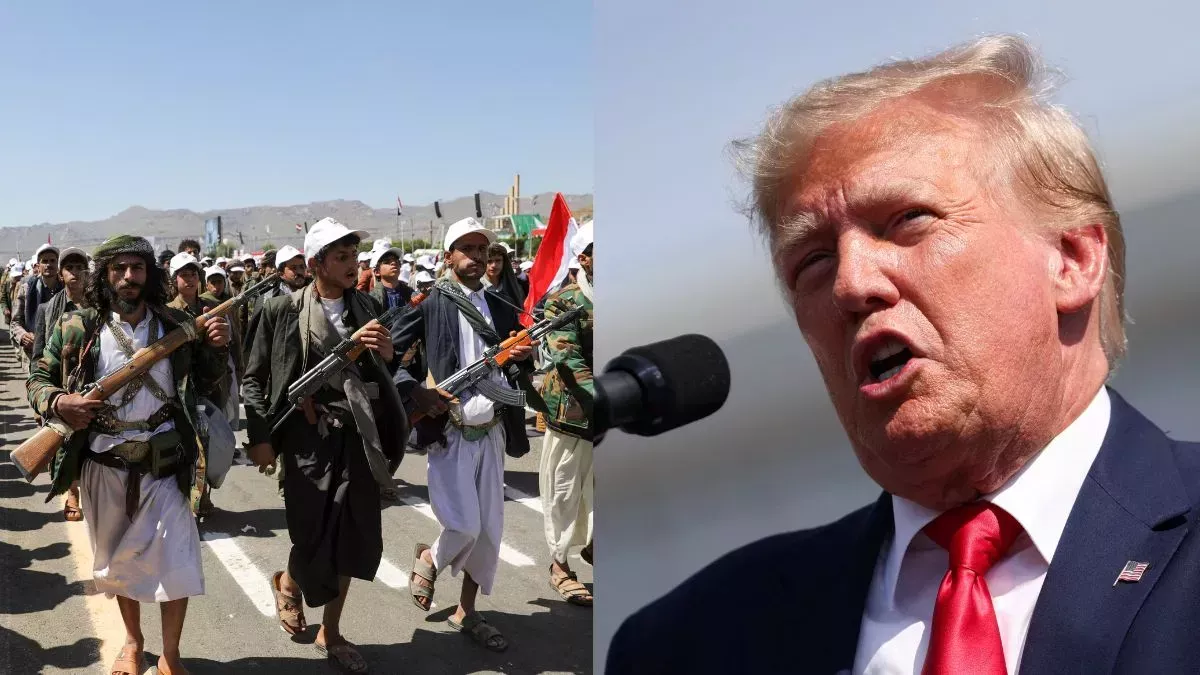
Shortly after Christmas, another moment that cannot be ignored when observing the struggle of major powers for control of energy resources. Israel recognized Somaliland as an independent state, which has access to the sea near the strategically important Bab el-Mandeb strait, which the pro-Iranian Houthi rebels in Yemen have effectively closed due to the war in the Gaza Strip, allowing Russian and Chinese ships through the Red Sea.
On the last day of February, it was the turn of the Strait of Hormuz, or rather the attack on Iran, also cloaked in a religious war, fear of an Iranian nuclear bomb, and ballistic threats even to the United States, after Tehran, following the same American matrix, was a threat to European countries, leading Washington to build an anti-missile shield along its borders with Russia.
With these maneuvers, Trump tried to gain control of as much oil and gas as possible and leave China without energy resources. Steps towards that goal included disciplining Nigeria, encouraging the creation of a state on the territory of Somalia, the abduction of Venezuelan President Nicolás Maduro, and attempts to overthrow the government in Iran.
Iran and Oil
Explaining to Americans the consequences of Iran closing the Strait of Hormuz and the surge in fuel prices, Trump said that no one expected such a move. No one who knew anything about Iran or followed events in that country in recent months believed Trump's words. Analysts had predicted that this would happen, and it was ultimately stated several times from Tehran itself.
Trump was fully aware of this, despite such statements. When Iran closed the Strait of Hormuz, a fuel depot in Tehran was hit in a US-Israeli bombing, and the city faced an ecological disaster. Black clouds hung over the city, and footage showed streets literally burning as flames followed the spilled fuel. Trump then threatened to bomb Kharg Island, from which Iran sends its oil to the world.
On Wednesday evening, part of Iran's natural gas extraction facilities were damaged, and Trump, in a social media post, blamed Israel for the act and said he had not been informed. In retaliatory attacks by Iran yesterday, the largest Israeli oil refinery, and oil and gas infrastructure in Qatar, Saudi Arabia, and elsewhere were hit, just as Tehran had promised if its energy infrastructure was targeted.
On the same day, oil prices rose again, and Arab countries found themselves in a situation where they had to seek Iran's permission to export oil and gas through the Strait of Hormuz. Media reported that Tehran has so far allowed tankers connected to Turkey, China, India, Pakistan, and Iraq to sail through the Strait of Hormuz and that Iran is selling its oil and gas. Thus, Iran now decides who can access oil and gas in the Persian Gulf.
This response from Iran forced Trump to promise a temporary lifting of sanctions on oil from Russia, in order to reduce prices on the world market. And yesterday, US Treasury Secretary Scott Bessent, to everyone's surprise, announced that Washington might also lift sanctions on some Iranian oil for the same reason as in the case of Russian oil.
Drawing Maps
If Iran persists with this policy, there will be an increase in energy prices in most of the world, leading to a milder or stronger economic crisis. All who know Iran have warned Trump and former US presidents about this. Simply put, a country fighting for its survival against nuclear powers and facing severe sanctions will use every tool at its disposal.
To change the situation on the ground, Trump has undertaken various activities. He has repeatedly stated that he has destroyed Iran, its army, and navy, threatened new attacks and the deployment of marines, and finally began to assemble a coalition of countries to unblock the Strait of Hormuz. The response was so weak that Trump critically commented on the future of NATO and relations with allies.
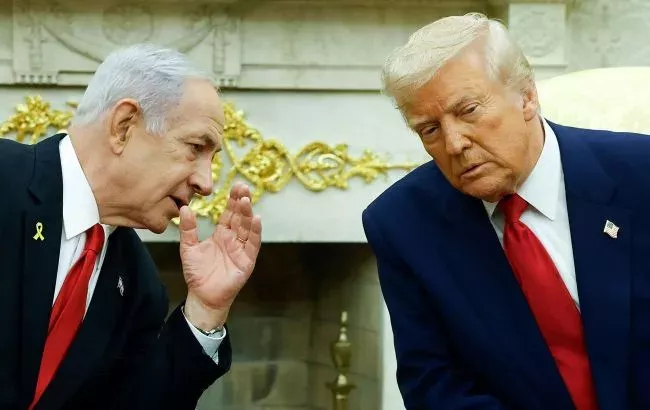
Yesterday, Netanyahu also contributed to this issue – in an address that many on social media claim is the product of artificial intelligence and that the Israeli prime minister is actually dead. He proposed building an oil pipeline from the Persian Gulf, across the Arabian Peninsula, to Israel.
This proposal is not new, as it fits into earlier plans of this kind, as part of a larger game of trade corridors that would pass through Iran and Saudi Arabia, towards Russia or Israel and Europe.
However, this statement is important for several reasons, especially considering Trump's claim that Israel hit Iranian energy infrastructure without consulting him. First, because Israel believes it should connect with Arab states that do not recognize it, and against Iran's interests. Second, because the construction of such an energy network would mean that the current Iranian government has won and aligned itself with a different bloc than the West. Ultimately, it would be an effective redrawing of maps in the new multipolar world advocated by Russia, China, Brazil, India, Iran, and others.
If the US, Israel, and Iran continue with this policy and there is no clear defeat of one side in the near future, the war could resemble the one in Ukraine, where Washington and Moscow are trying to draw a line separating two different worlds. In the Middle East, this would mean that some states, small and weak, are presented with a fait accompli and sacrificed in the name of the energy interests of major powers.
Komentari (0)
Prijavite se za komentiranje
PrijavaJos nema komentara. Budite prvi!
Minuta
Sve →Iz drugih kategorija

High Representative Not Elected: Germans, French and British Sabotaged Americans, New Attempt at End of June

ČOVIĆ WITHOUT MERCY: How Those Who Brought Ademović to Office Created a Political Hell for Him



Sunny Saturday, quite warm



Tragedy in Albanian resort: Two minors drown












