
By Armin Sijamić
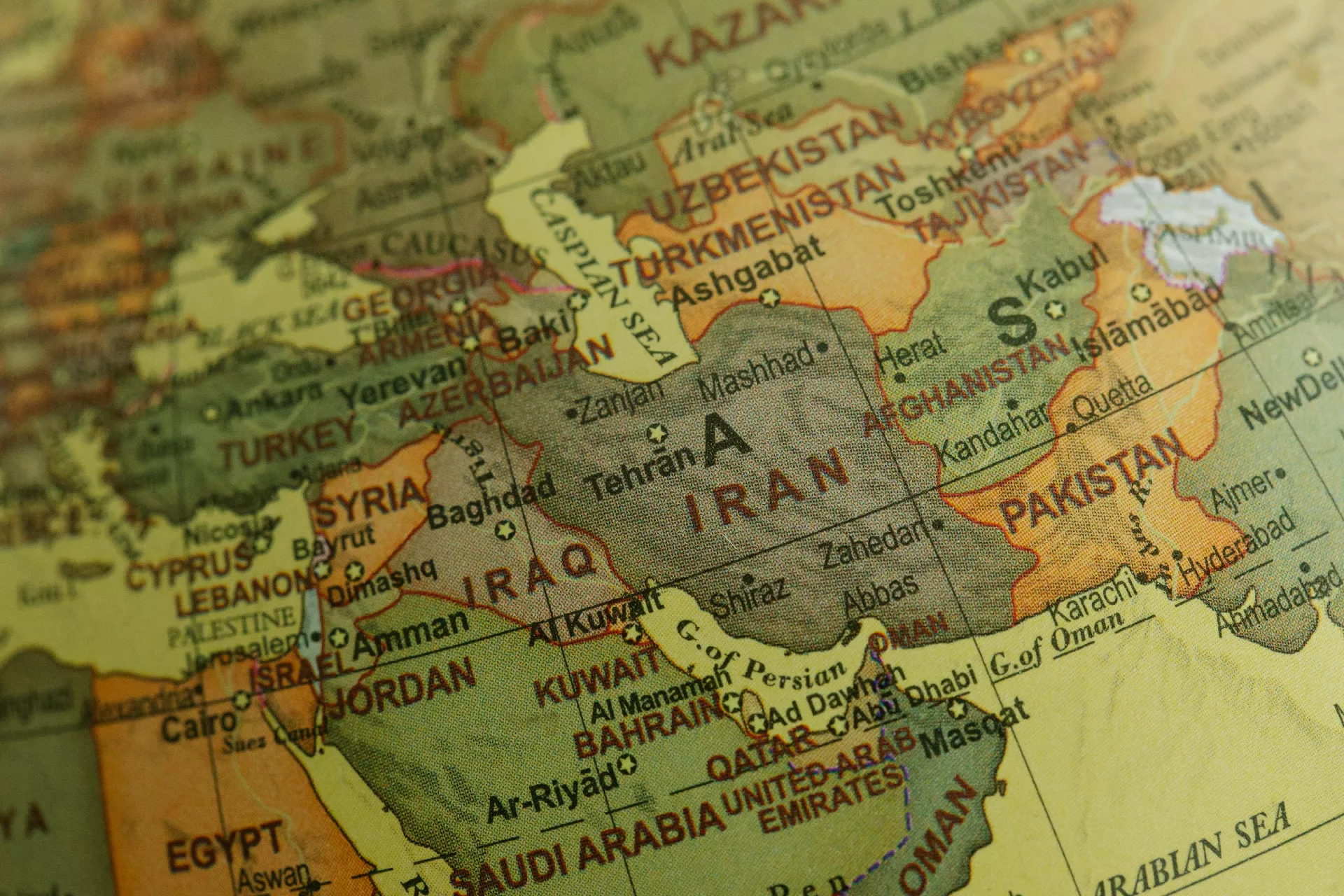
Today is the seventh day since the start of the attacks by the United States and Israel on Iran. It is already clear that the entire Middle East is on the brink of catastrophe.
Controlling the narrative about a certain topic is not achieved solely by publishing some information to the public while trying to censor others. Narrative control is also achieved by defining the conceptual and categorical apparatus. A good portion of American media and officials are trying to "explain" the attack on Iran in terms that, even if logically used, will inevitably lead to the wrong conclusion.
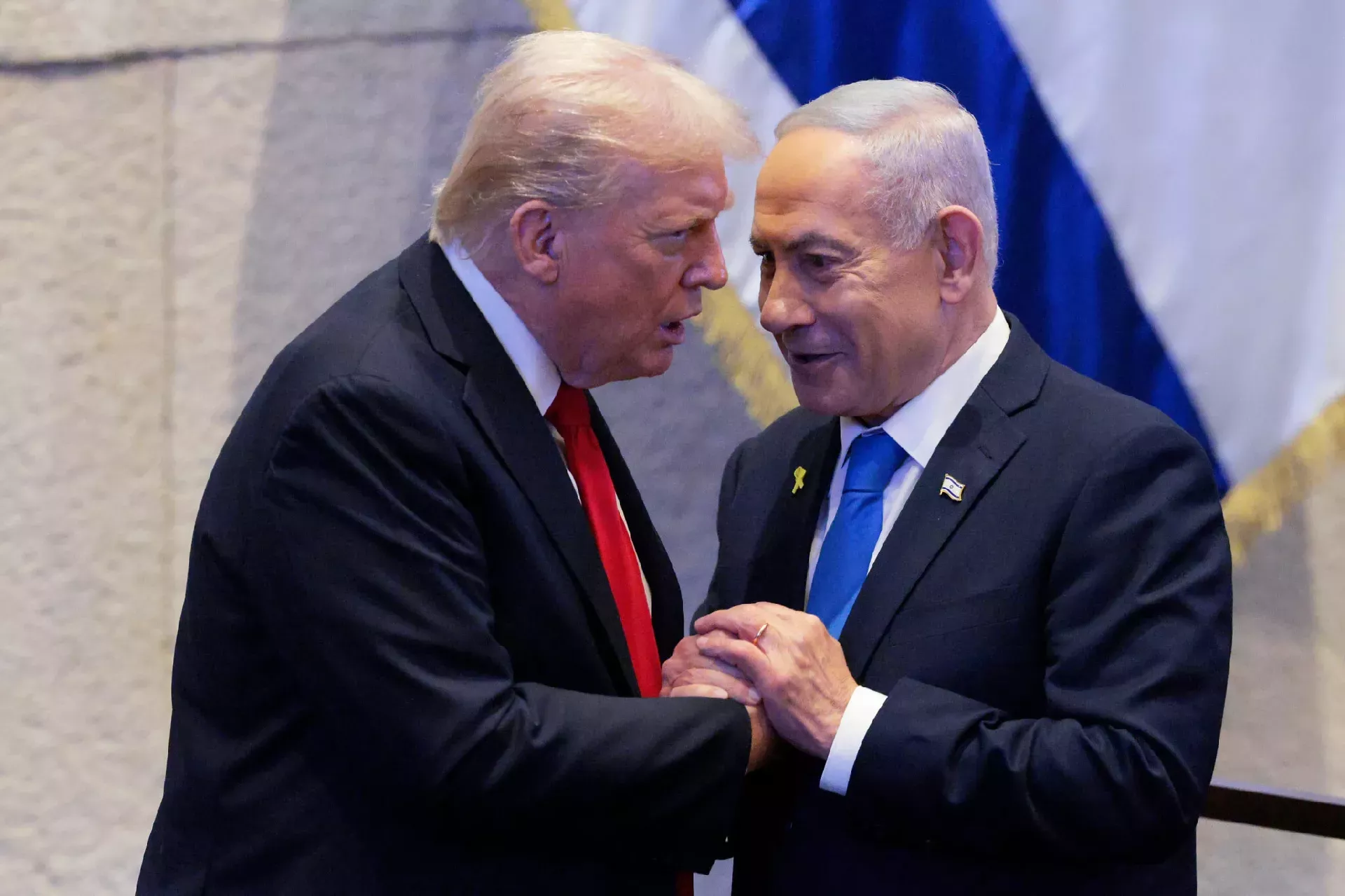
In a vote in the US Congress, President Donald Trump was not denied the right to wage war against a sovereign state on the other side of the world. The legislative body stood behind the president, so the attack on Iran can no longer be seen solely as the decision of one man to fulfill the wish of Israeli Prime Minister Benjamin Netanyahu.
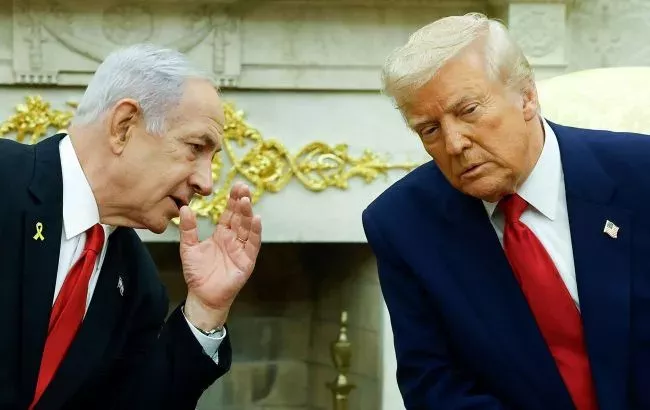
Therefore, the criticism towards Trump has likely been coordinated and intensified, but not towards the war against Iran itself. Some of the criticism directed at Trump is based on the assertion that he does not know "what to do the day after" the war, citing the case of Iraq when dictator Saddam Hussein was overthrown as an example.
Whether Trump knows what will happen in a day, a month, or a year is less important than the fact that the attack, just like in the case of other attacks on sovereign states (e.g., US attacks on Iraq, Libya, or Syria, Russian attacks on Ukraine and Georgia, French attacks on Algerian resistance forces...), brings about the destruction of the opponent for a longer period. In other words, the destruction of a country's demographic, economic, military, and scientific base is a consequence of attacks by great powers.
Regional War
Therefore, it is a complete failure to engage in discussions about whether Trump has a plan for the day after and what kind of plan it is. The essence of the attack on Iran is an attempt to crush it in every way so that it does not become a regional power capable of rivaling Israel and other countries.
Seven days after the start of the attack on Iran, it is clear to everyone that Trump and his regional allies know what they are doing – inflicting the heaviest possible blows on Iran and its allies. Also clear is Iran's stance – to fight by all means and with all resources, including those outside Iran's borders, i.e., relying on Shiites and anyone else in the Middle East willing to help.
The result could be a regional war or a series of civil wars. More than ever, there is talk of a "religious war," and high-ranking officials from the United States, Israel, and Iran are saying this.
In such a division of cards, the division between Sunni and Shiite forces in the region is clearly visible, between countries allied with the United States, Israel, or Iran, and a smaller number of countries trying to maintain neutrality.
It is also important to note that in the reporting of most American media, Israel is slowly "slipping" out of the whole story, and the situation is presented as an American-Iranian war, hiding the reason for the renewal of the conflict. This tendency in the reporting of these media could be observed for months before the war began. Countless articles were written about whether "Trump will attack Iran," as if it were solely his idea and the sole mission of the American president.
Iran has targeted dozens of US bases in several countries (Qatar, Kuwait, United Arab Emirates, Saudi Arabia, Bahrain, Iraq...), hotels and facilities it claimed housed US forces and operatives, and attacked US diplomatic and consular missions, claiming CIA operatives were present, but has denied involvement in some attacks on bases in Oman, Azerbaijan, and elsewhere.
This tightrope walk, whether Iran is behind these attacks or they are so-called "false flag" attacks that will be attributed to them, is a prelude to disaster on a regional level. As missiles fall on the Middle East, the question is when someone will respond militarily and lead to further escalation.
Iran's decision to attempt to close, partially or entirely, the Strait of Hormuz could lead to economic catastrophe. Oil and natural gas prices worldwide will rise, trade for a number of Arab states, some of which depend on food imports, will be limited, and missiles will drive away tourists and investments.
From Lebanon to Iraq
Regional rifts will affect the weakest. In fact, they are already affecting the ethnically and sectarially divided and devastated Lebanon and Iraq. And the question is whether it will stop there.
In a show of support for Iran, its greatest ally, Lebanese Shiite Hezbollah attacked Israel with rockets and drones, ending its fifteen-month restraint from operations. For all fifteen months, Israel has been attacking targets in Lebanon under various pretexts.
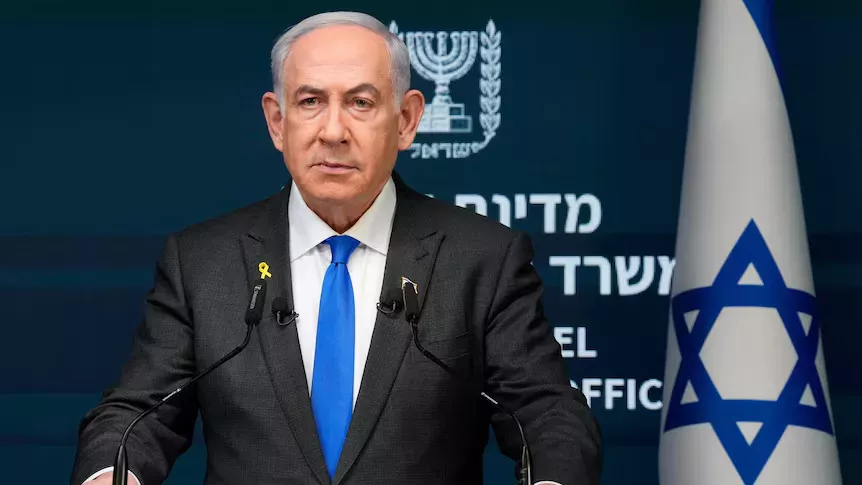
There is no doubt that Israel's response to these attacks will be strong. The Israeli air force, as before, will destroy villages and urban blocks with the aim of crushing Hezbollah, i.e., the Shiite community and all those who live with and alongside them. This phenomenon has already been described as the "Dahiya Doctrine," named after the southern district of Beirut that Israel punishes for Hezbollah's actions.
Hezbollah Secretary-General Naim Qassem said in a speech on Wednesday that the group is fighting for survival and will not surrender, despite Israel and the United States being incomparably stronger.
But that is only part of Hezbollah's problems. The Lebanese army, supported by the United States and Saudi Arabia, is trying to disarm Hezbollah, which is part of an earlier agreement that the party, the Lebanese government, and Israel interpret differently. Clashes between Hezbollah and the army could be a prelude to a new civil war in Lebanon.
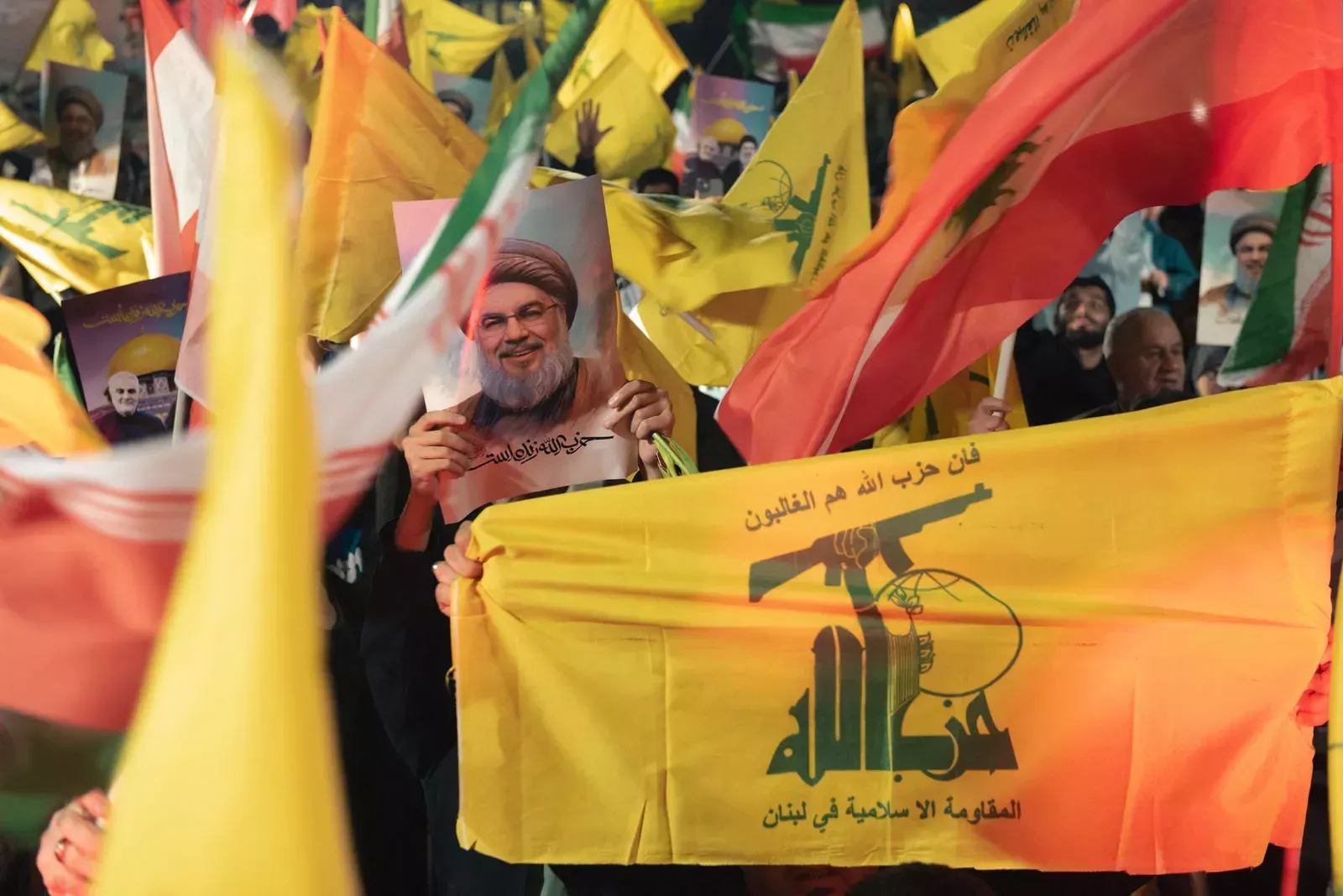
Similar problems exist in Iraq. The majority Shiites there have sided with Iran and attacked US bases, although there are Shiite factions hesitating about whom to support. In Iraq, in the north of the country, there are Kurdish groups that have excellent cooperation with Washington and Tel Aviv.
These days, some speculate that Iraqi Kurds, united with Iranian Kurds, could attack Iranian forces. US CBS reported on this possibility during the January protests in Iran. Following the example of Syrian "moderate rebels," Western-backed Kurdish militias are reportedly ready to cross the Iraqi-Iranian border and attack forces loyal to Tehran.
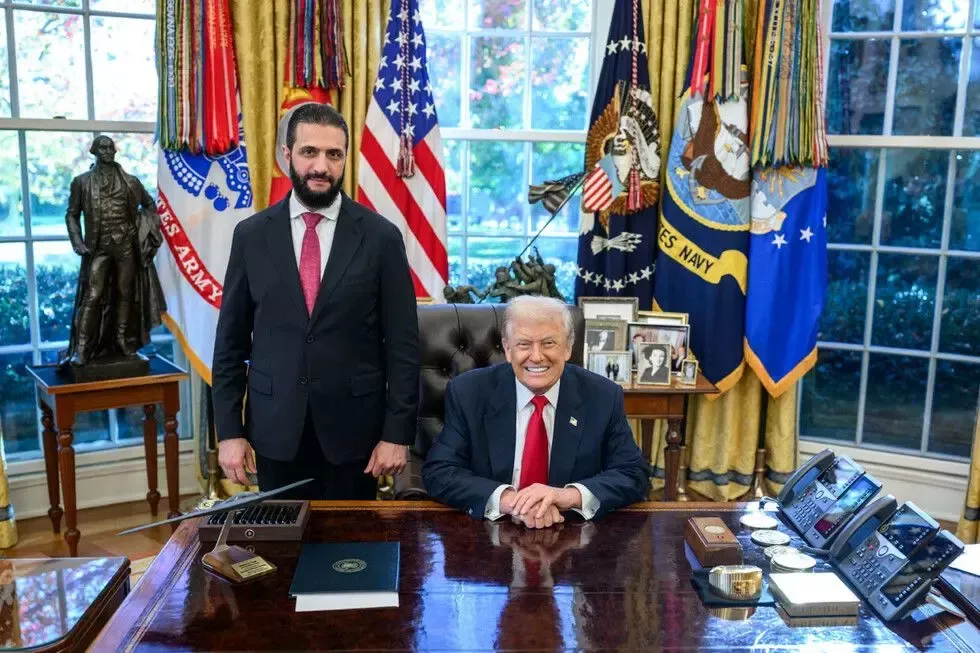
Iran targeted Kurdish bases in Iraq this week, and the grouping and arming of Shiites worries Turkey. Recently, Turkey, with the help of Washington, disarmed Syrian Kurds and subjected them to the authorities in Damascus, where former Al-Qaeda leader Ahmed al-Sharaa now presides.
(Un)Controlled War
In just seven days of the American-Israeli war against Iran, it has become clear how far the Middle East is from a catastrophe of unprecedented proportions. Everything that many warned against, by opposing the war, has now become obvious even to those who do not want to see.
Therefore, the question from the beginning of the text, "what to do the day after" the war, should be reformulated to "what to do today" while the war is ongoing, because the Middle East, and several countries there, are facing confrontations that could last for a long time and wipe out villages, cities, communities, and even states.
The most important question should be: who benefits from such a war happening? Who benefits from the Middle East economy collapsing, its universities and scientific institutions being destroyed, its brightest people being displaced or killed, millions of people becoming refugees, the ethnic, religious, and cultural diversity of its societies being destroyed, and once powerful states becoming (or remaining) mere colonies with no chance of liberation? If this happens, the question "what to do the day after" the war will be meaningless.
Komentari (0)
Prijavite se za komentiranje
PrijavaJos nema komentara. Budite prvi!
Minuta
Sve →Iz drugih kategorija

High Representative Not Elected: Germans, French and British Sabotaged Americans, New Attempt at End of June

ČOVIĆ WITHOUT MERCY: How Those Who Brought Ademović to Office Created a Political Hell for Him



Sunny Saturday, quite warm



Tragedy in Albanian resort: Two minors drown












