
By: Armin Sijamić
The American-Israeli war against Iran is shaking the Middle East and is an important topic for media worldwide. If this war were not ongoing, the news of the day would likely be that the former head of Al-Qaeda is touring European capitals.
How Ahmed al-Sharaa, former head of Syrian Al-Qaeda and a wanted fugitive by the US on terrorism charges, came to power in Syria is well known, including his contacts with British experts and the assistance he received from the West and Turkey.
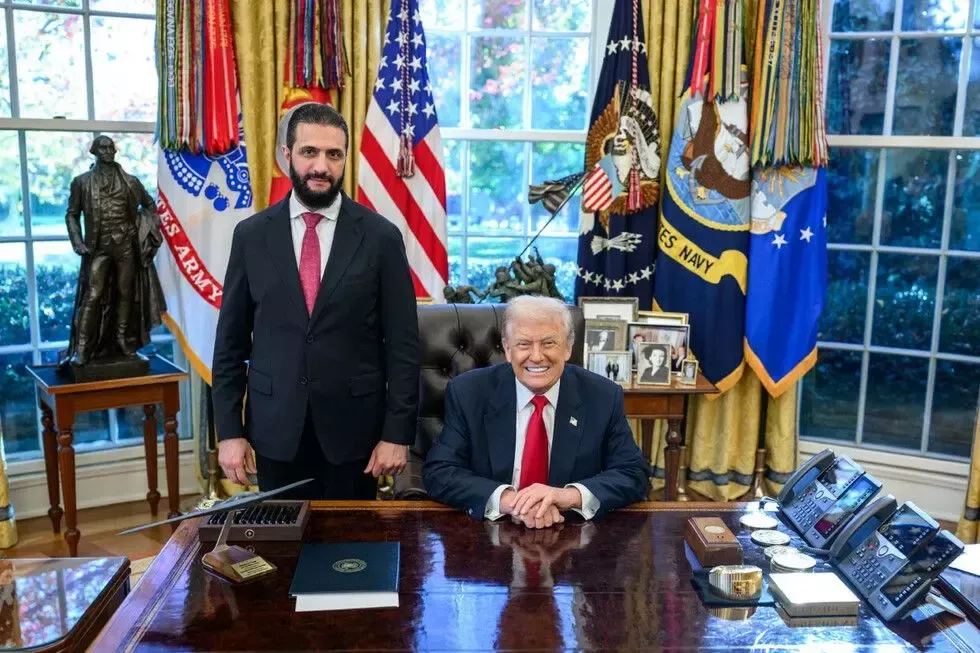
Who will benefit most from his rise to power will become clear in the coming period, as the United States and Israel wage war against Iran, which has suffered a heavy defeat in Syria with the fall of Bashar al-Assad.
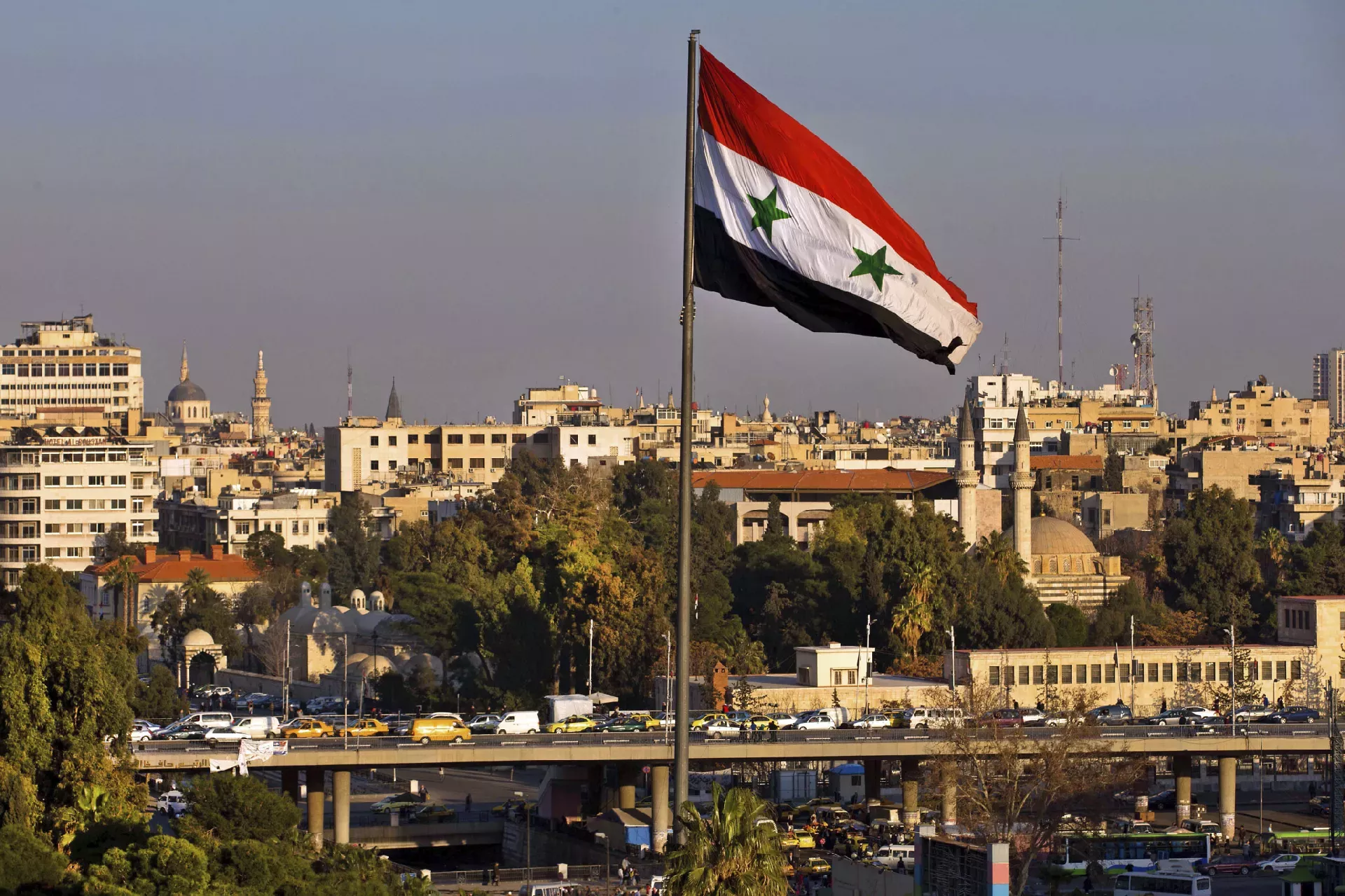
These are two important facts in assessing the position of Syria and its interim president, who recently handpicked members of the state parliament and moved closer to the West, which lifted sanctions in exchange for turning a blind eye to everything Israel does, even in the suburbs of Damascus.
What are Syria's Borders?
Upon coming to power in Damascus, al-Sharaa emphasized several things. First, that Syria is tired of wars. Second, he sees Tehran's influence beyond Iran's borders as a major problem for his country.
Israel and the United States are using Syrian airspace for attacks on Iran. Syria is now, like some other Arab states, a base from which Iran is attacked and Israel is defended from rockets and drones.
Those who defend al-Sharaa's policy point to Syria's war fatigue and the country's limited military capabilities. His critics say he did not have such a stance when he stormed Bashar al-Assad's regime, attacked Syrian minorities (Druze and Alawites), and tolerated Israel occupying parts of Syria.
Even in such circumstances, al-Sharaa has had successes – he disarmed Syrian Kurds and secured the lifting of sanctions. This is good news for Ankara, which does not want armed Kurds, and for some Arab states that are announcing investments in Syria, as the American oil giant Chevron recently did.
Lebanon, Iraq, and Syria
However, that is not enough to leave Syria alone. Some, in (pro)Iranian circles, fear that al-Sharaa will use the situation in the Middle East to send an army to Lebanon to confront the Shiite Hezbollah. The history of relations between the groups al-Sharaa belonged to and Hezbollah is enough for war to break out at any moment.
Al-Sharaa further alarmed Lebanese Shiites when he supported the Beirut government's decision to disarm Hezbollah, and then by deciding to send the Syrian army to the border with Lebanon, where this Shiite group has been at war with Israel for over a month.
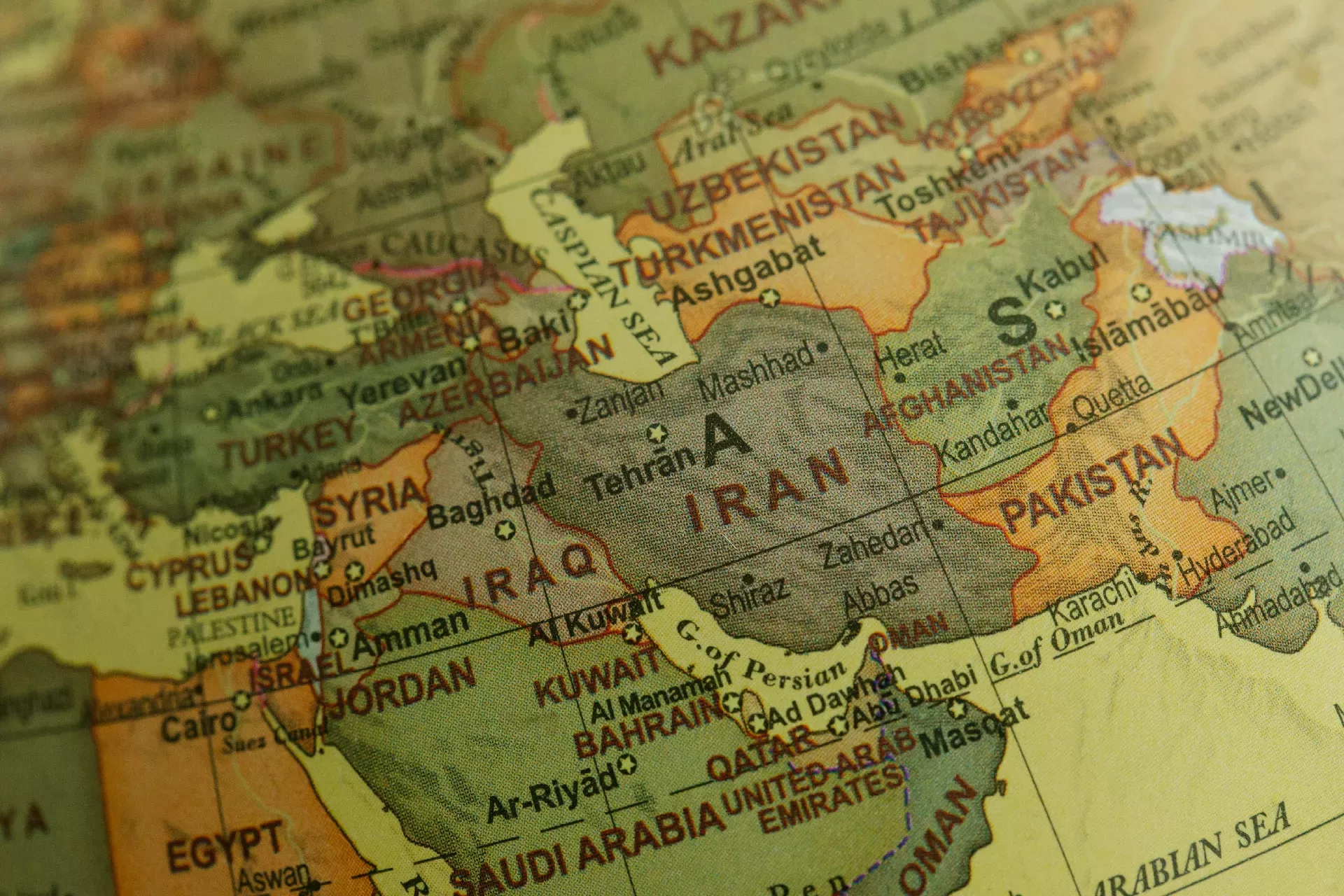
Media close to Hezbollah claimed that Israel carried out some attacks on Lebanon from Syria, as the Israeli army has been located on the Syrian side of Mount Hermon since the fall of Bashar al-Assad. Israeli media claimed that al-Sharaa has not stopped supplying Hezbollah with weapons through Syria, which they see as complicity in the war against Israel and aiding a pro-Iranian group.
Given that Hezbollah is in a difficult position and enjoys the support of Lebanese Shiites, Iraqi Shiite militias have announced they are ready to attack Syria if al-Sharaa attacks Shiites in Lebanon.
This balance of power on the ground suggests that the spread of the war to Syrian territory is more than possible, while everyone has expectations of al-Sharaa that he cannot fulfill to satisfy everyone.
The Middle East is Not So Close to Berlin and London
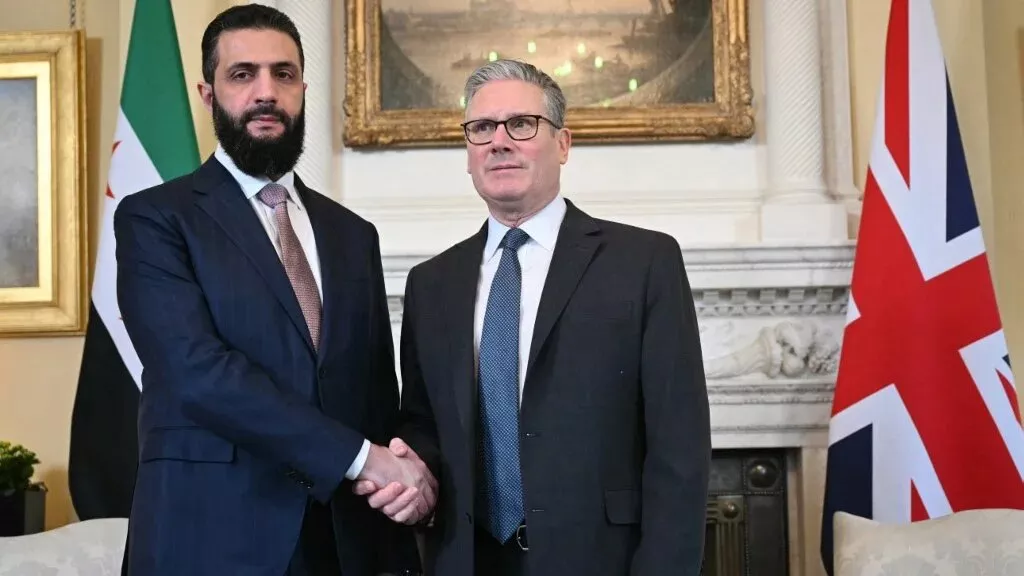
That is why al-Sharaa's visit to Berlin and London is important. In addition to numerous topics concerning the three countries, from Syrian refugees to the possibility of economic cooperation, the public was interested in how the Syrian leader would position himself with Chancellor Friedrich Merz and Prime Minister Keir Starmer, who do not hide their sympathy for Israel.
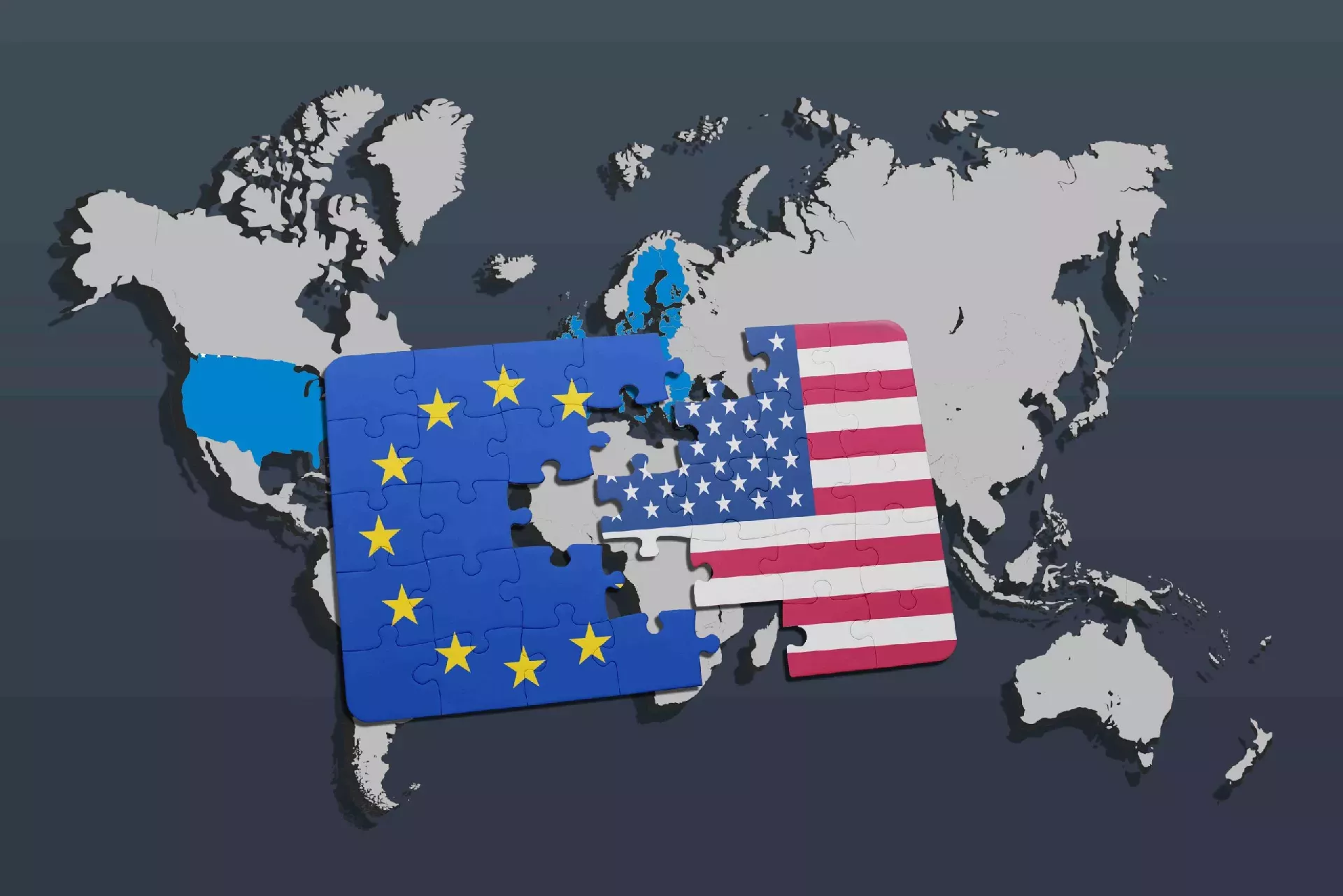
What al-Sharaa conveyed from London on Tuesday does not please Israel and the US, and is good news for Iran. "If Syria is not targeted by any side, Syria will remain outside of any conflict," al-Sharaa said. "We are tired of war. We have paid a heavy price. We are not ready for another war experience."
This stance by al-Sharaa is not surprising at this moment, as Arab states are hesitant to take offensive action against (pro)Iranian forces, and Turkey is calling for an end to the war against Iran and accusing Israel of pushing Arabs, Turks, Kurds, and Iranians into war. Therefore, it would be too much to expect Syria under al-Sharaa to participate in the war, despite old grievances and allies who want to destroy (pro)Iranian forces. For Iran and Hezbollah, it would be good news not to face another front.
"We want Syria to have ideal relations with the entire region, with Lebanon, Iraq, Turkey, Saudi Arabia, and world powers like the United Kingdom, France, Germany, and the US. I think Syria is qualified to initiate a network of strategic relationships," al-Sharaa said in London, responding to a question about whether Syria would remain neutral in the ongoing war.
From these words, it can be seen that al-Sharaa does not mention Iran and Israel. Iran, likely because he still sees it as an enemy (political, ideological, and religious). Israel, likely because official Damascus does not recognize the neighboring state, although it is trying to find common ground with Tel Aviv with the assistance and desire of official Washington.
His words sound optimistic, considering that the war is ongoing and many are talking about escalation. Al-Sharaa's actions show that he is aware of this, as he has deployed troops to the borders with Lebanon and Iraq, while not resisting Israeli forces that have entered Syria and are using Syrian airspace.
"We do not want Syria to be a battlefield. But unfortunately, wise minds do not control things today. The situation is unstable and volatile," al-Sharaa stated yesterday from London.
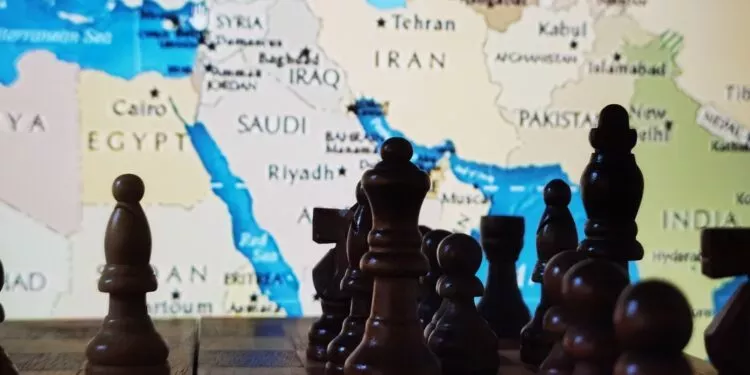
That instability and volatility will only increase if the war between the United States and Israel against Iran continues. New and old wars, new and old alliances, for a new and old Middle East that does not live in peace, but fights others' wars and bleeds for others' interests.
Komentari (0)
Prijavite se za komentiranje
PrijavaJos nema komentara. Budite prvi!
Minuta
Sve →Iz drugih kategorija

High Representative Not Elected: Germans, French and British Sabotaged Americans, New Attempt at End of June

ČOVIĆ WITHOUT MERCY: How Those Who Brought Ademović to Office Created a Political Hell for Him



Sunny Saturday, quite warm



Tragedy in Albanian resort: Two minors drown












