
By Armin Sijamić
Twelve days have passed since the start of the American-Israeli attack on Iran. As with previous attacks on this country, many are wondering if Russia and China are helping their ally.
The decision by US President Donald Trump to attack Iran on the last day of February, at the will and desire of Israeli Prime Minister Benjamin Netanyahu, was surprising due to the dynamics of the US-Iranian negotiations. Much indicated that an agreement was possible.
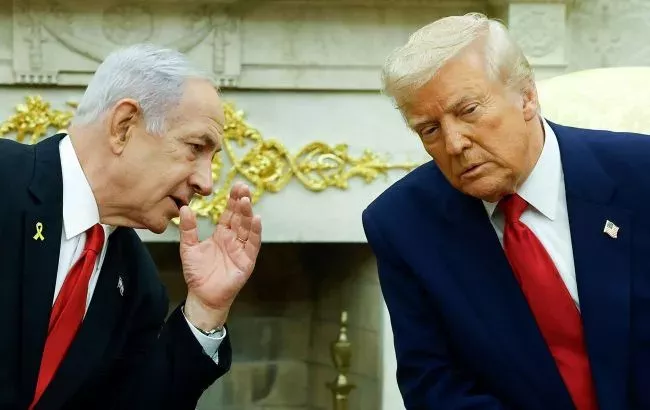
However, great powers also rely on other indicators in assessing political trends. After all, Trump had been amassing troops in the Middle East for months and threatening Tehran with Netanyahu, even supporting protests intended to lead to a change of government in Iran.
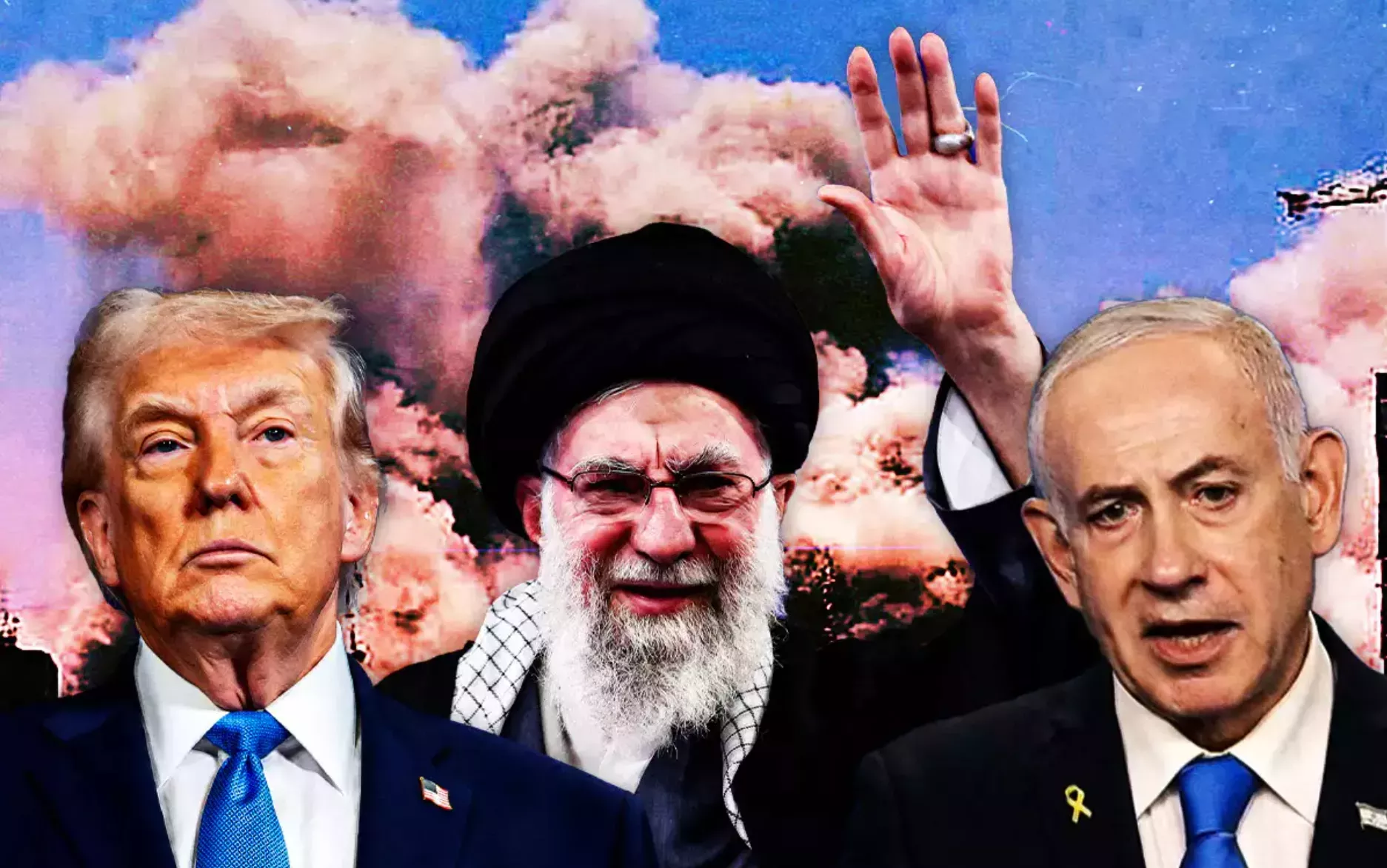
Therefore, the attack should not have been a surprise to Russia and China. Only the timing of the attack could have been a surprise, and everything after that should have been covered by a prepared action plan.
Accurate Assessment
In the days leading up to the American-Israeli attack, Iran, Russia, and China conducted military exercises from the Strait of Hormuz, through the Gulf of Oman and the Arabian Sea, to the coasts of South Africa, in waters where the American aircraft carrier USS Gerald R. Ford was located during those days. Some media claim that a Chinese ship with tracking and communication equipment is still sailing there and is at Iran's disposal.
Nikolai Patrushev, Assistant to the President of Russia and a long-time close associate of Vladimir Putin, described the exercises about three weeks ago as "timely and strategically relevant".
It was also clear that the Chinese were helping Iran in the days before the attack. Media outlets published footage from Chinese satellites that were aimed at American military bases in the Middle East. Such footage continues to reach the public today, showing the state of American military bases after Iranian attacks. In other words, the Chinese and Russian militaries are trying to provide Iran with what the United States and Israel already have – real-time battlefield information.
Furthermore, while Trump was amassing forces in the Middle East, several Russian cargo planes landed in Iran, and many believe that Tehran received some of the equipment it needed to better prepare for the upcoming attack.
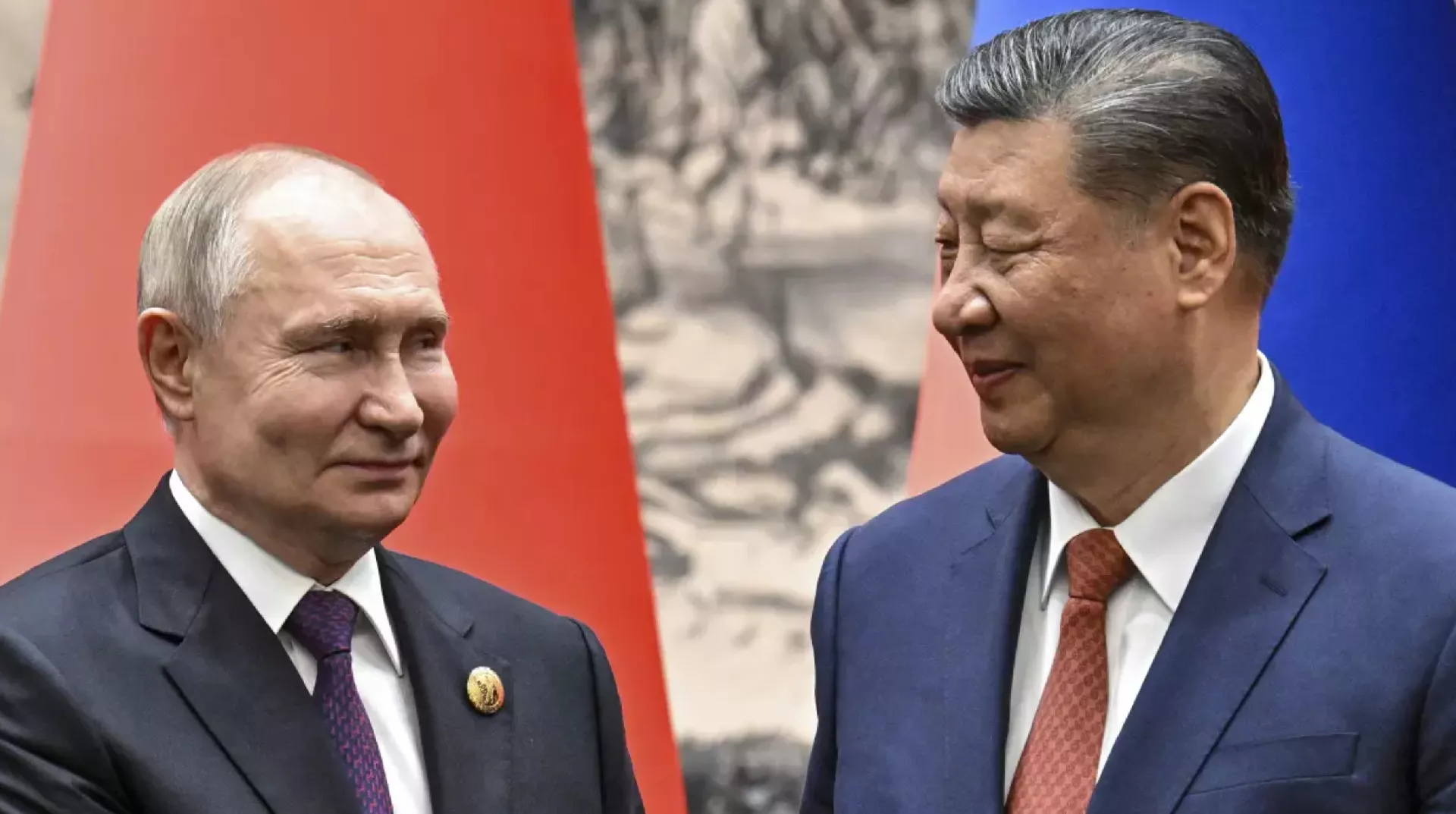
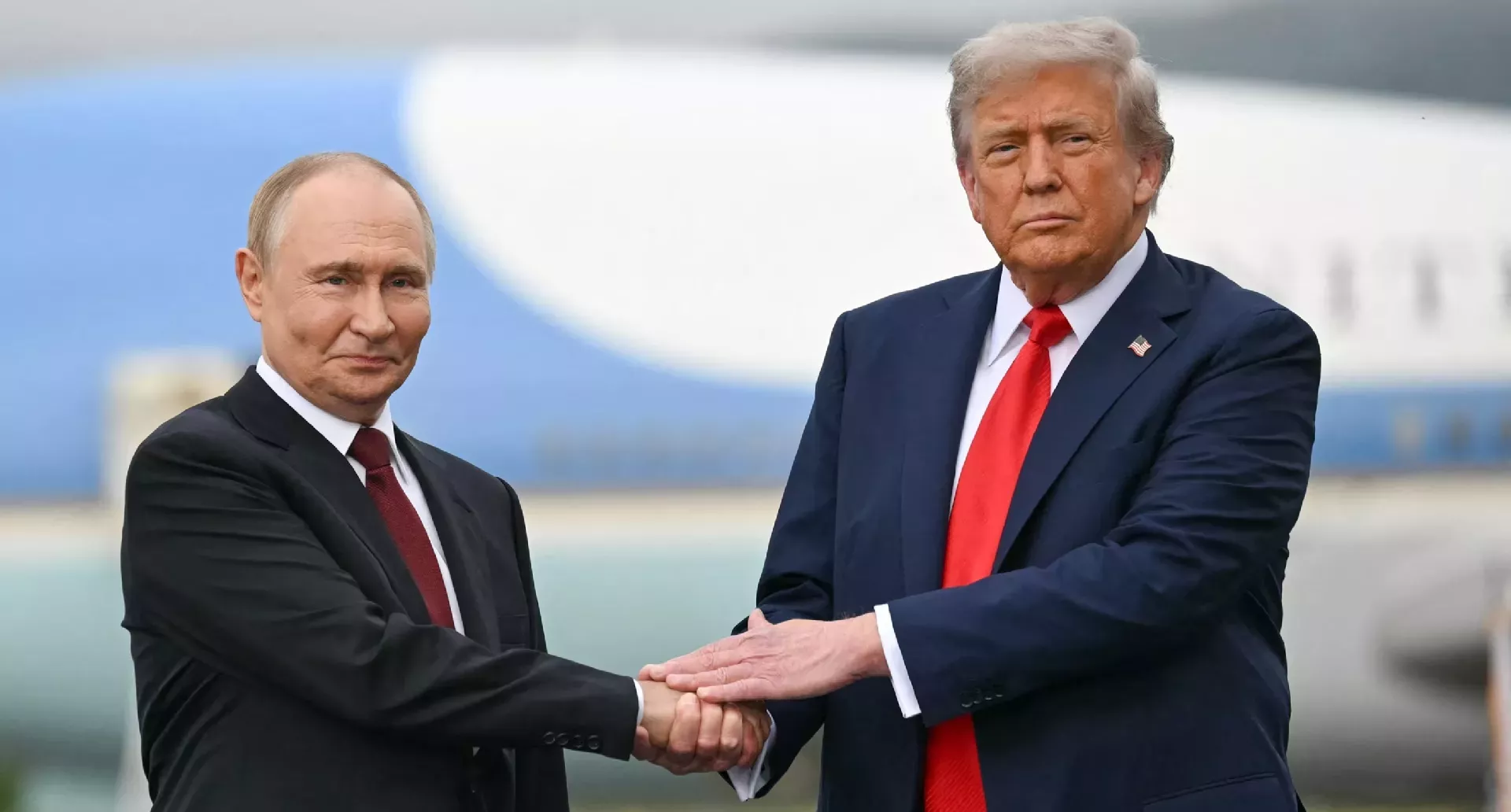
This stance by China and especially Russia shows that these two powers have acted more boldly compared to the previous American-Israeli attack on Iran.
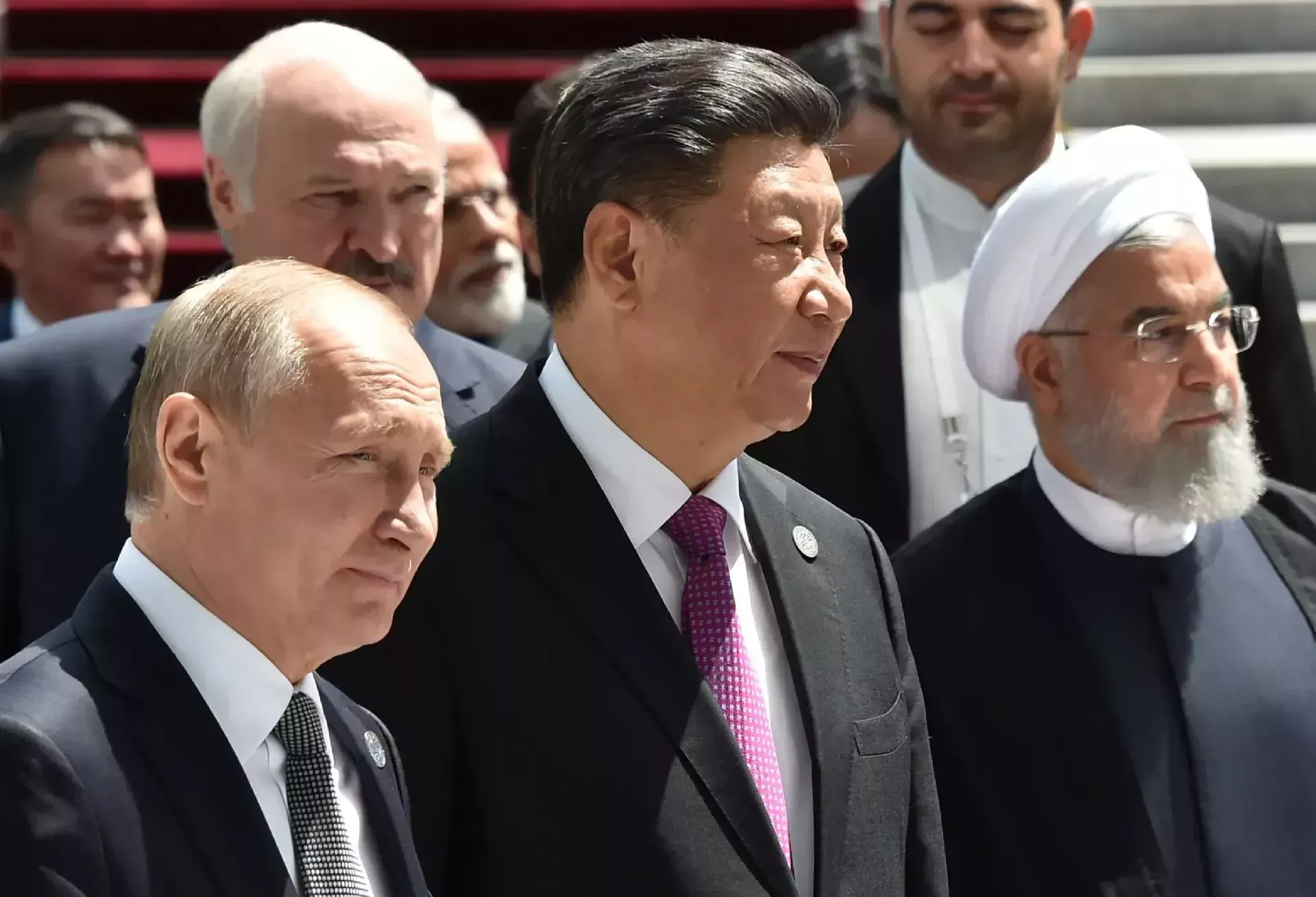
This is particularly important in the context of Russia, as Putin has for decades not wanted to do anything for Iran that would endanger Israel. This was evident in the war in Syria, as well as in the lack of condemnation of Israel after numerous attacks on Iran and other countries in the Middle East...
If Iran Falls...
However, a significant portion of the Russian public and politicians have unequivocally sided with Iran. This has also happened in China, as evidenced by an unusual event. The Iranian embassy in Beijing issued a statement that it does not accept donations from Chinese citizens who are massively inquiring about it. This shows that some Chinese people see the war against Iran as something important to them as well.
Russian philosopher Alexander Dugin, who some claim has great influence on Putin, commented on the assassination of Iranian Ayatollah Ali Khamenei, concluding that the same awaits Russia if it does not change its policy. "Today Iran, tomorrow Russia," Dugin warned, calling on the Russian state to finally show its true strength, set red lines, and eliminate the current government in Ukraine and all others who will come.
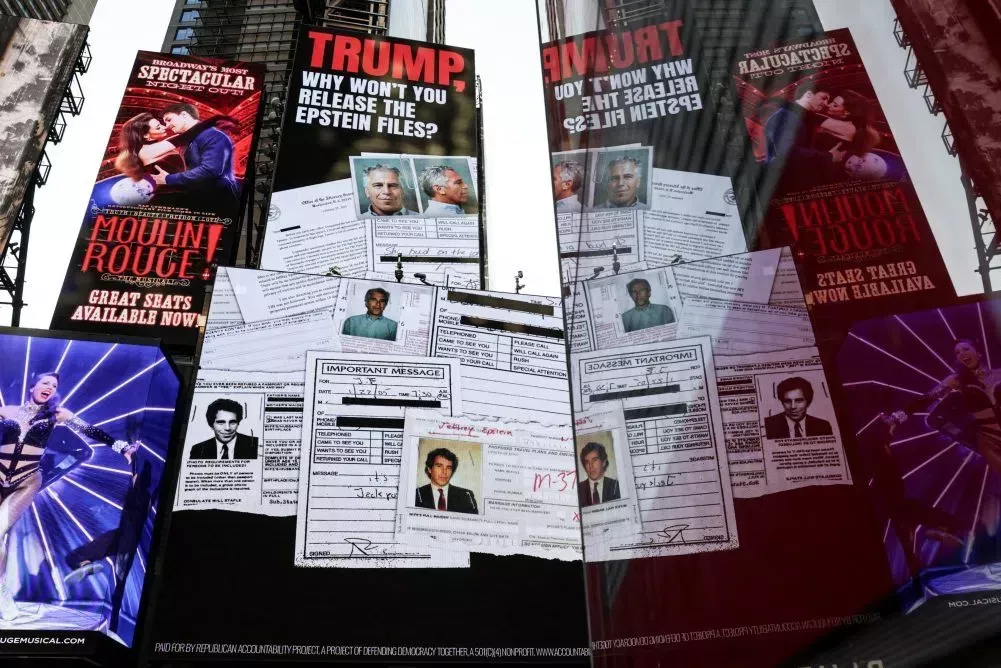
Dugin sees the war against Iran as a religious war, a clash of civilizations. The military operation against Iran was named "Epic Fury" by the Americans, and Dugin renamed it "Epstein's Epic Fury," targeting the connections of the American leadership with the infamous Jeffrey Epstein, whose case has been generating global interest for months.
Iran's current stance, its ability to defend itself and attack across the Middle East, pleases China and Russia, as well as all those who seek a multipolar world, an idea under which Beijing and Moscow have been gathering American enemies for decades. China is not abandoning this concept, even when it seems abandoned by other countries.
Unlike calls for religious wars and clashes of civilizations (from Israel, the United States, Iran, and now Russia), Chinese communists have a different approach to politics. An important segment of that action is economic integration at a time when Trump is imposing tariffs even on his closest allies.
On Sunday, amidst the war in the Middle East, China announced that it is abolishing all import tariffs for 53 African countries from May 1. The exception is Eswatini – a country with diplomatic ties to Taiwan. This was announced by Chinese Foreign Minister Wang Yi, a decision made earlier. Emphasizing economic cooperation at a time when Trump is attacking worldwide under various pretexts (Iran, Yemen, Venezuela, Nigeria, Iraq...) is an important political message from Beijing.
How Long Can Iran Endure?
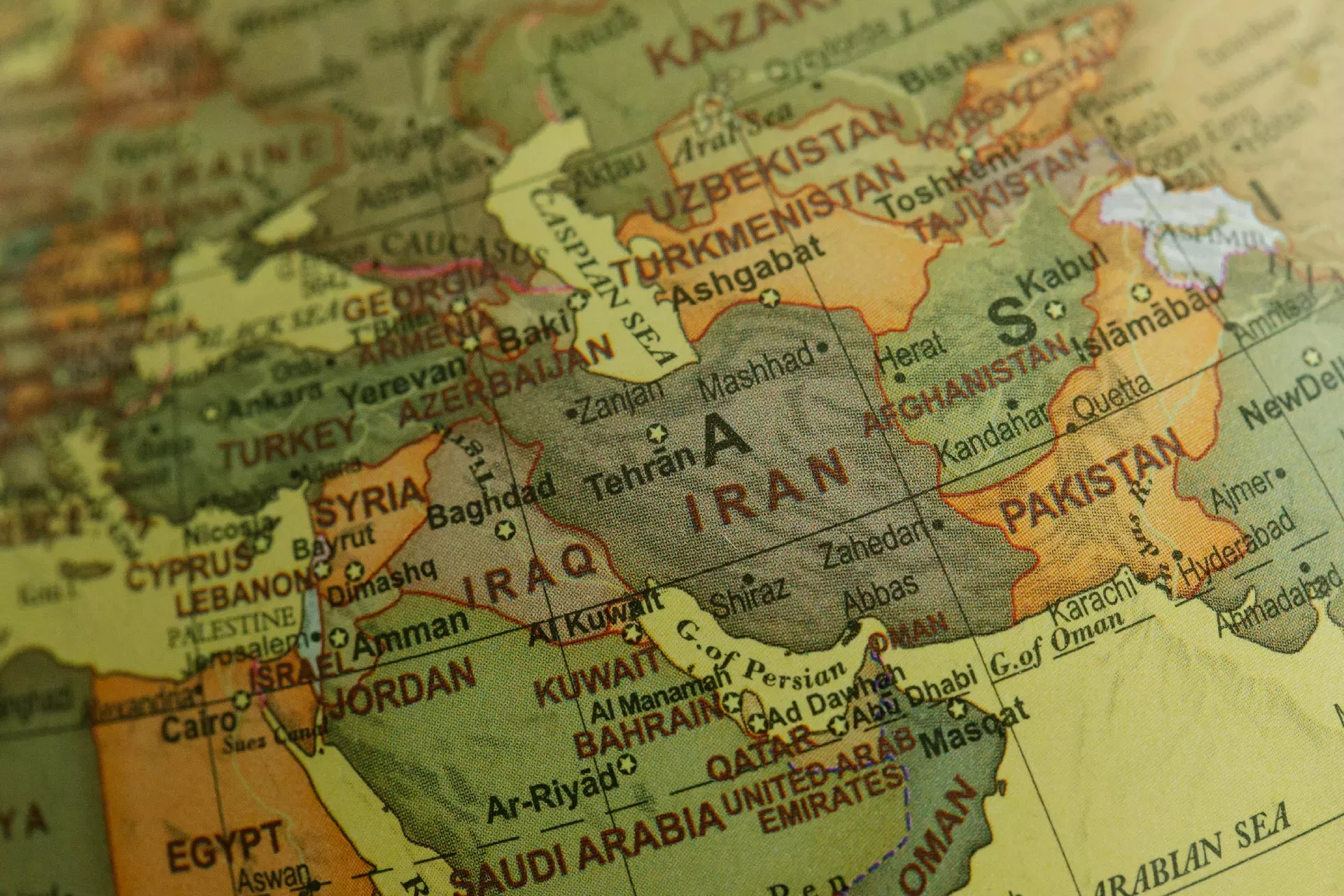
The importance of Iran for Chinese strategy is well-known. It is not just another Chinese alliance. It is a Chinese energy source, an important point on the map of the "Belt and Road" initiative, and a Chinese stronghold in the Middle East, where some are waging religious wars and possess weapons of mass destruction.
And Iran's importance for Chinese plans does not end there. Chinese strategists are aware of the American plan to focus on containing China, but are hindered by unfinished business in the Middle East. This was spoken about by US President Barack Obama. Therefore, Washington's preoccupation in the Middle East means less pressure on China and the expenditure of American strength and prestige. Ultimately, studying American behavior in a war against a strong army is an excellent opportunity for China, while Washington is spending resources it does not have much of anyway.
In addition to Dugin's concern about "who is next" on the American attack list, Russia is also counting on other factors related to this war. First, the expenditure of the United States and other countries means less aid for Ukraine. Second, Iran's decision to close the Strait of Hormuz has led to an increase in oil prices, which is excellent news for Russia, so Putin is currently talking about the possibility of not selling oil or gas to Europe, responding to Brussels' plan to do so by the end of this year.
Thus, in less than two weeks, Trump has brought the United States into a situation where it loses a lot, even while inflicting enormous damage on Iran. For American strategists, and what Trump has advocated for years, a protracted war is not in their interest. Trump now, if he does not want to wage war and engage in a game with an uncertain outcome, must find a way out, whether by unilaterally withdrawing from the battlefield, waiting for a wider war in the region to begin, or simply seeking an agreement with Iran.
However, Trump has already gone down that path. He broke off negotiations with attacks, celebrated the assassinations of religious and political leaders of the country with which he was negotiating. Who wants to negotiate with Trump, and who can trust him? Such miscalculations in political thinking have rarely happened to official Washington, even on much less important issues. Russia and China have an opportunity they have long awaited, but the outcome depends on Iran's ability to continue fighting successfully against the United States, Israel, and their allies.
Komentari (0)
Prijavite se za komentiranje
PrijavaJos nema komentara. Budite prvi!
Minuta
Sve →Iz drugih kategorija

High Representative Not Elected: Germans, French and British Sabotaged Americans, New Attempt at End of June

ČOVIĆ WITHOUT MERCY: How Those Who Brought Ademović to Office Created a Political Hell for Him



Sunny Saturday, quite warm



Tragedy in Albanian resort: Two minors drown












