
By Armin Sijamić
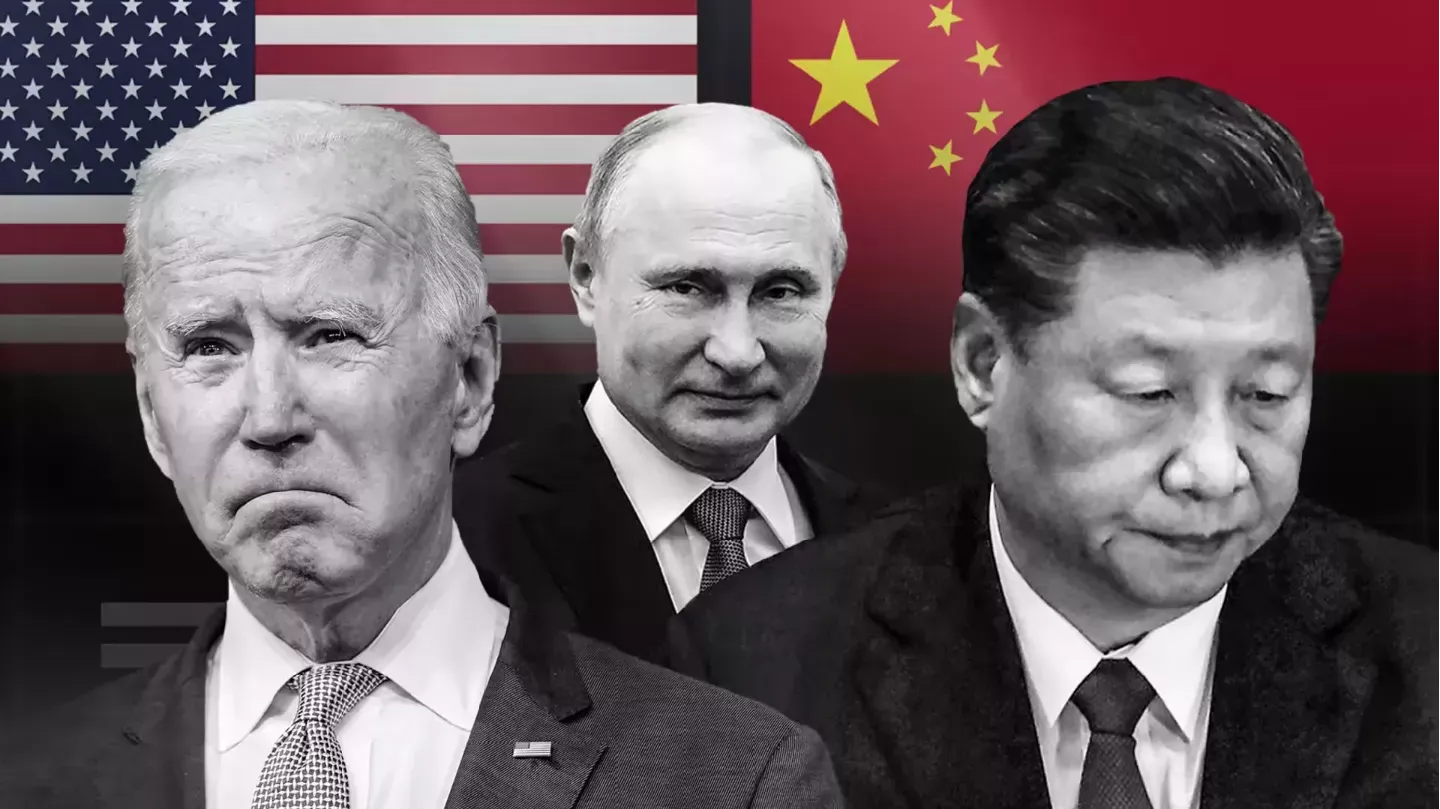
As the war in the Gaza Strip intensified, the Houthis entered the conflict. Initially, the Houthis sent drones and missiles to Israel, and then to ships in the Red Sea, which they claimed were going to Israeli ports. Now, almost anyone can be a target, except for the Chinese and Russians, who voted for the US to go to war with the Houthis.
Since Hamas attacked Israel on October 7, the United States has aimed to prevent the conflict from spreading, fully aware that the Middle East is not what it was during the attacks on Afghanistan and Iraq, and that a major war would bring Washington more problems than benefits. The war in the Gaza Strip has now proven this, as attacks against American and Israeli targets are occurring in at least four other countries (Lebanon, Syria, Iraq, Yemen), while a fifth (Iran) is pulling the strings, legitimizing its right to attack anyone it deems a threat. The missile attacks on targets in Syria, Iraq, and Pakistan have shown this.
The Russians and Chinese had this calculation in mind, and since then they have wanted to see the United States drawn into a war of attrition, while criticizing Israel and the West for the destruction of the Gaza Strip. Russian diplomacy at the United Nations has been particularly active in this regard, not missing an opportunity to address Israel's (in)actions to Washington.
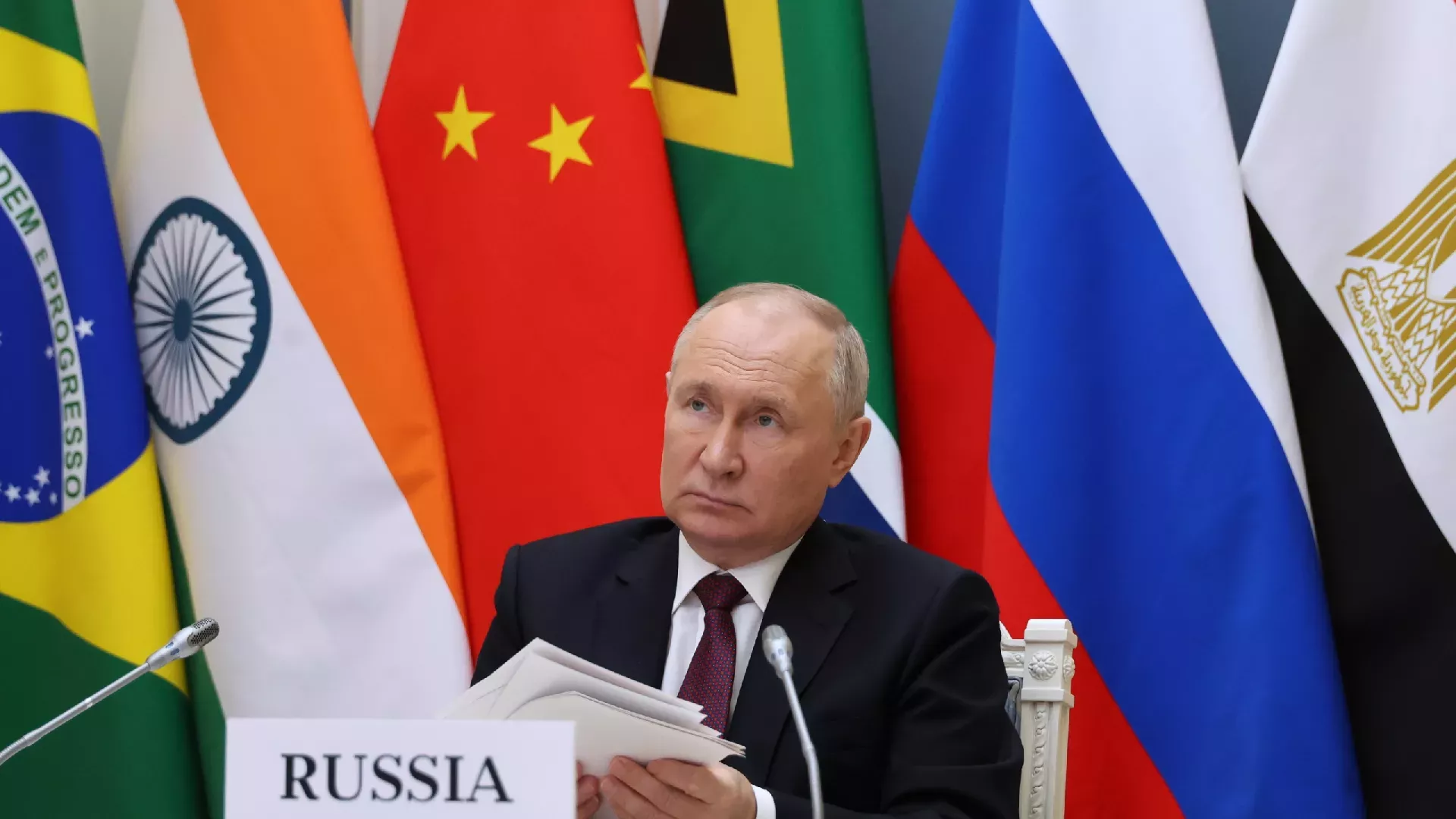
The situation is no different in the UN Security Council vote. Moscow and Beijing are on one side, and Washington, London, and Paris are on the other. However, there was an exception from the Russian and Chinese side, which, as will be shown weeks later, was not accidental. Moreover, it was skillfully planned, just like the entire narrative that is detrimental to the West.
According to the Libyan scenario
Just over two weeks ago, the UN Security Council called on the Houthis to stop their attacks and supported a US-led coalition to "defend their vessels from attacks, including those that undermine the rights and freedoms of navigation." As the Houthis stated they would not target Chinese and Russian ships, this was an implicit permission for the West to intervene militarily and protect its ships.
Operation "Prosperity Guardian" was launched, led by the US and the UK, and including some countries with a symbolic role. France decided not to attack the Houthis, as President Emmanuel Macron believes it would lead to the spread of the conflict from the Gaza Strip.
Immediately after the operation began, China claimed it was illegal and that the Security Council had not authorized attacks on the Houthis. This "twisted" Chinese logic is not accidental, as Beijing voted for the attack, knowing that the war against the Houthis would be difficult and that its outcome would also depend on the conflict in Gaza.
China and Russia could claim they were deceived when they voted for a no-fly zone over Libya in March 2011, which the West used to overthrow Muammar Gaddafi. China claims to have been deceived again after approving the attack on the Houthis, but it is difficult to believe. In thirteen years, a great power cannot be deceived in the same way twice. After all, how can ships be defended from missiles and drones if weapons are not used? It is naive to believe that China voted for the US to use only missile interceptors and not retaliate when targeted.
While criticizing Washington, China claims the operation has failed. Chinese Ambassador to the UN Zhang Jun stated that the "US-British operation against the Houthis has failed," a belief he held when he voted for it to be launched. Two days ago, the Financial Times reported that Washington asked Beijing to pressure the Houthis through Iran to stop their attacks. If China fails, the West should turn to Tehran, which is the nightmare of Israeli Prime Minister Benjamin Netanyahu.
Attacks on Israeli ships as a show of force
When the Houthis launched attacks on Israeli ships, it was clear that the list of targets would expand, meaning they would send a message to the world that if they can hit one country's ships, they can hit all others. Iranian Foreign Minister Hossein Amir-Abdollahian has repeatedly stated that the Houthis will stop their attacks when the war in the Gaza Strip ends.
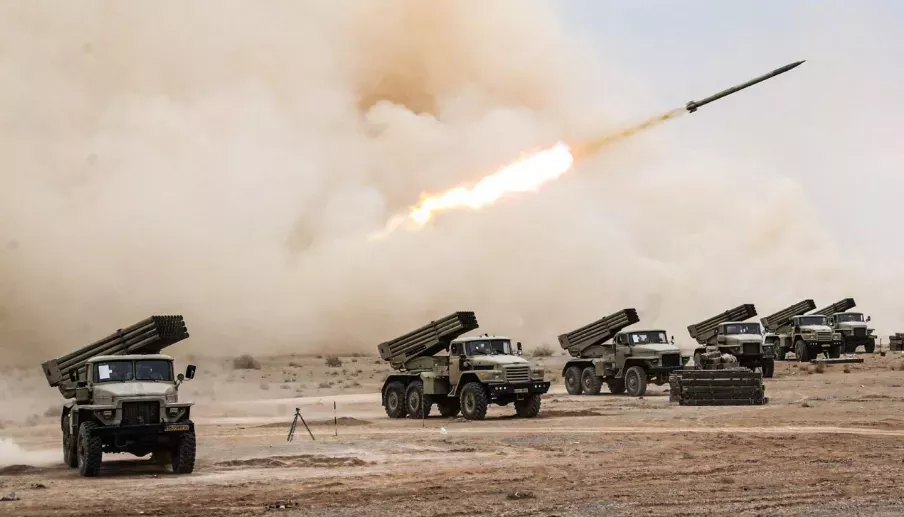
But the stake is not just a part of the Red Sea, but two important shipping lanes – the one towards the Suez Canal (Bab el-Mandeb Strait), as well as the Strait of Hormuz. Both are lifelines for global, especially European and Middle Eastern, trade in energy and other goods. It seems that in recent weeks, the Houthis have shown they have the capability to strike far from the coast, which gives them an additional guarantee that the West will not launch a ground invasion against them.
More and more companies are canceling voyages along the coast of Yemen, shipping costs are rising, and some are rerouting around Africa, while traffic through the Suez Canal has decreased by forty percent in the last two months. Of course, Western companies are targeted, which the Houthis can always accuse of collaborating with Israel, or hit by mistake. They allegedly hit a Russian ship by mistake. The Houthis claim to have targeted and hit US warships, which is a message that no one is safe.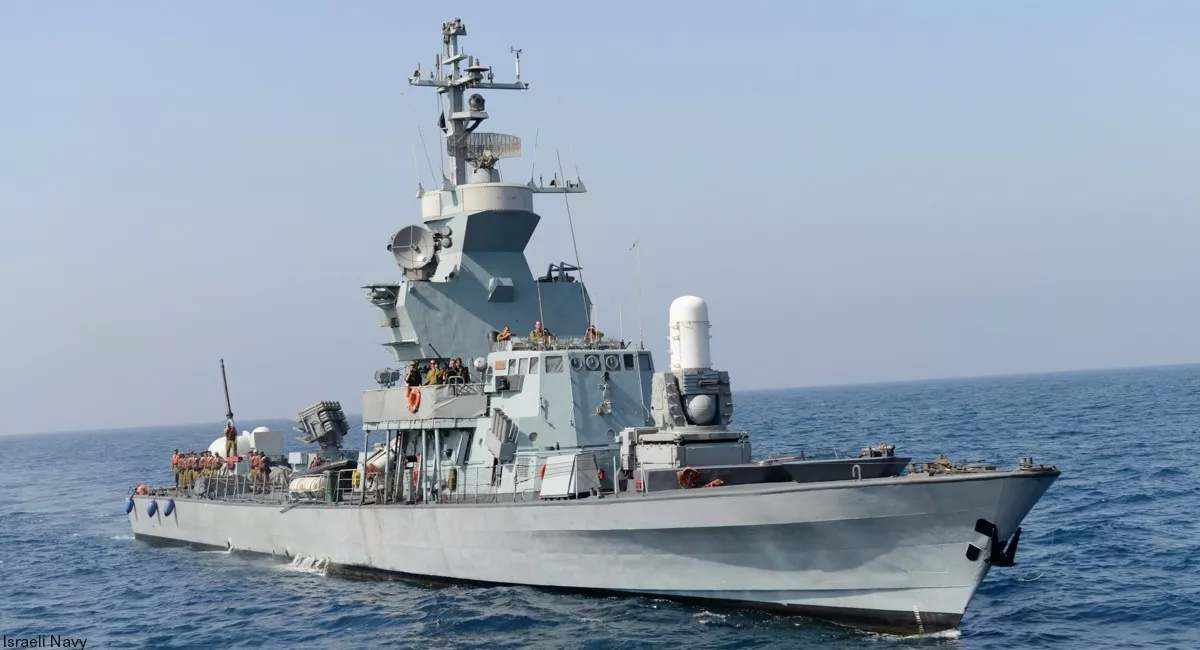
In their confrontation with the United States and the United Kingdom, the Houthis have ordered all their citizens working in Yemen for international organizations to leave the country. In other words, the Houthis have signaled that they must be negotiated with, or militarily defeated. No one has yet expressed readiness to send troops to a devastated Yemen with millions of starving people.
The US and UK have been attacking radars, missile launchers, and missile storage facilities in recent weeks, but it is questionable what they are hitting. Saudi Arabia bombed the Houthis for years and did not defeat them, even though they had various troops on the ground. Last year's reconciliation between Riyadh and Tehran, mediated by China, further complicates the West's job. Normalization of relations with Tehran also meant the end of the war in Yemen. Therefore, it is difficult to believe that Saudi Arabia will again send troops and planes against the Houthis, who have been hitting various targets in neighboring countries with missiles and drones.
Pressure on Biden
Washington's intention to prevent the conflict in the Gaza Strip from spreading has failed. All eyes are on the world's largest superpower, which unreservedly defends Israel. Knowing that Joseph Biden's administration, especially in an election year, will stand by Israel, rivals have taken advantage of this. Russia is using the reduced US commitment to Ukraine, Beijing is happy that Washington does not have time to fully focus on China now, and Iran is trying to establish more control over parts of the Middle East.
These days, Washington has confirmed that it is preparing to negotiate with Baghdad for the withdrawal of the US military from Iraq, which would likely mean that Americans could also leave Syria, as these forces are largely supplied through Iraq. How long this process will take is unknown, but Baghdad will no longer tolerate clashes between the US military and pro-Iranian militias.
The war in the Gaza Strip and the war against Lebanese Hezbollah are costing Israel. Bloomberg reported in mid-November that the war against Hamas costs $260 million a day. Hezbollah has caused significant damage to the economy in northern Israel, and there are growing voices of opposition to Israel even within the European Union. In recent weeks, Israel has been criticized by EU leaders and a number of countries, including Spain, Finland, and Italy... Ultimately, Biden is paying the price for his policy, which has been devastated because he is failing to stop Netanyahu.
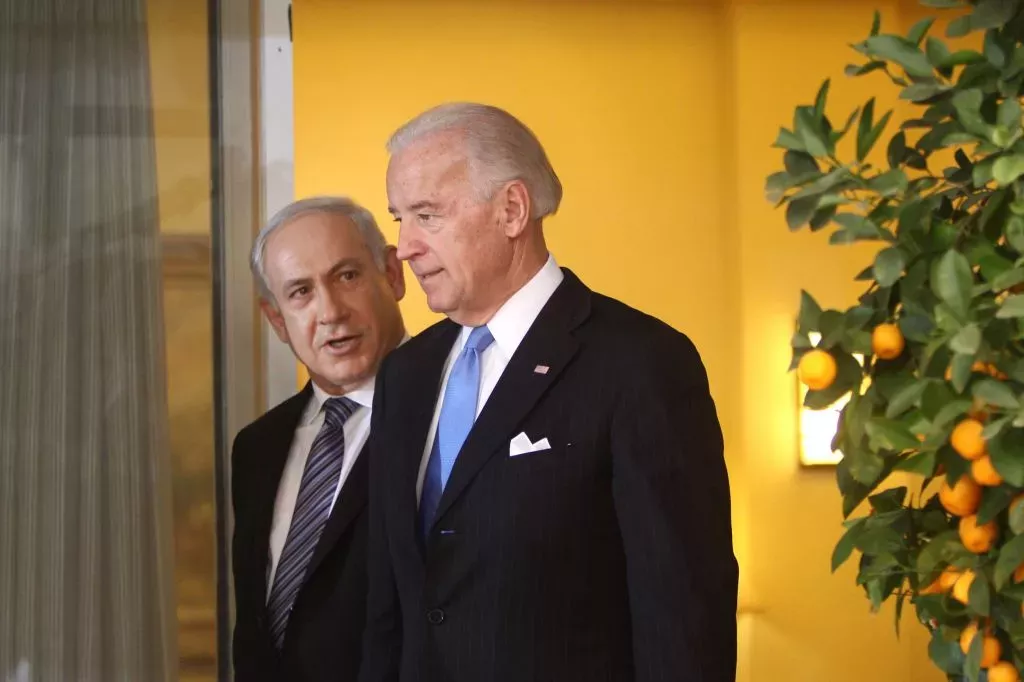
The Chinese and Russian decision to let the US and UK attack Yemen proved to be a trap. Beijing and Moscow did not want to help shipping with that decision, but rather to draw Washington into a war. Biden's administration does not need a major conflict, and experts warn that the world's largest superpower is sliding towards a direct war with Iran. Washington wants to avoid that war, just as Iran does, but until then, it must put out fires across the Middle East and preserve its reputation as the greatest military power. The longer this game lasts, the more China and Russia will profit.
Komentari (0)
Prijavite se za komentiranje
PrijavaJos nema komentara. Budite prvi!
Minuta
Sve →Iz drugih kategorija

High Representative Not Elected: Germans, French and British Sabotaged Americans, New Attempt at End of June

ČOVIĆ WITHOUT MERCY: How Those Who Brought Ademović to Office Created a Political Hell for Him



Sunny Saturday, quite warm



Tragedy in Albanian resort: Two minors drown












