
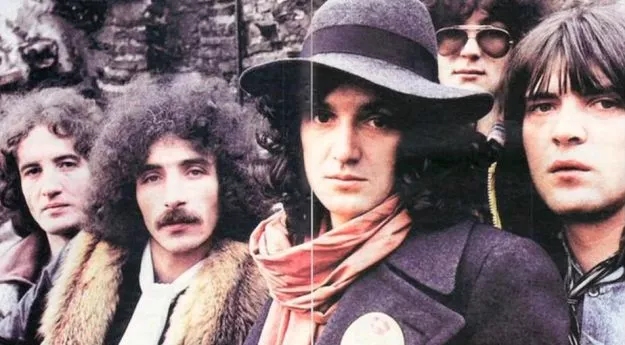
The first studio album by Bijelo dugme, which critics often proclaim as the beginning of the era of "true" contemporary rock in Yugoslavia, was released forty years ago, reports the BH news agency Patria (NAP).
The album "Kad bi bio bijelo dugme" appeared in 1974, and its title track, out of a total of six songs, gave the name to the band that had previously been called Jutro.
According to data from Croatia Records, the album was released exactly on February 18, 1974, although the anniversary celebration is marketed for November 13 in Zagreb and November 14 in Belgrade and Sarajevo.
On those days, a special luxury package of 10 vinyl records will be presented, including nine "remastered" albums and a monograph "Bijelo dugme" by good connoisseurs of the band, Siniša Škarica and Dušan Vesić.
Bijelo dugme was active from 1974 to 1989, although members had previously been together in various lineups, and a large number of musicians and singers who passed through the band produced about fifteen albums, several compilations, and a series of singles.
The debut album sold excellently from the very beginning. Chronicles say that an exhausting tour followed, which propelled Bijelo dugme into the most popular Yugoslav band.
The next album "Šta bi dao da si na mom mjestu" was recorded in 1975 in London, with hits like "Tako ti je, mala moja, kad ljubi Bosanac" which sold more than 200 thousand copies in a short time, forcing Jugoton to establish a diamond record category.
Bijelo dugme left an image of a band that pushed the boundaries of music perception and opened doors for many young authors, performers, and musical approaches, critics point out.
Long-time editor at Jugoton and critic Siniša Škarica says in the forthcoming book that Bijelo dugme was special and chosen to change existing standards and establish new ones, to write the history of pop music in these regions just as Elvis Presley and The Beatles did on a global scale.
They were the first in the former country to record in London, the first to tour sports halls, the first to pave the way for the music industry, the first to earn money from their music, wrote co-author of the book Dušan Vesić, adding that the 'Dugmići' had everything that adorns a rock biography: scandals, drugs, sex, alcohol, prison, and finally a mysterious death.
Some controversies, such as the band's mass appeal, political stance, originality of songs, attitude towards folk music, or, for example, the role of leader Goran Bregović, still entertain followers of Bijelo dugme.
According to critics, Goran Bregović skillfully created marketing frameworks for the popularization of Bijelo dugme, prodding taboos related to sexuality or politics with the release of new records or by leaking stories about relationships within the band.
Controversies include, for example, the band's simultaneous proclaimed apolitical stance – since, according to Bregović, all songs are primarily love songs – its subversive attitude towards politics and support for the regime through participation in youth work actions.
Although Bregović in one interview told critic Dražen Vrdoljak, when asked about mass appeal, that the band "is not a band for such a big chew," by the end of the seventies, it organized concerts with attendance unprecedented in Yugoslavia.
A free Concert at Hajdučka česma in the summer of 1977 in Belgrade gathered between 70 and 100 thousand visitors; for the next tour in Belgrade, they sold out the Pionir hall five times in a row – and donated all proceeds to earthquake victims in Montenegro – and then organized the "Rock Spectacle 79" at the JNA Stadium in Belgrade, gathering around 70 thousand visitors.
Speaking about the authorship of songs, Bregović once said that "the baby is a collective work," not the work of a single known author, although chroniclers of the band claimed that of all the numerous musicians who passed through the band, "only one of them is a god."
To criticisms that he often approached, and according to some, crossed the line of plagiarism, Bregović replied that he took what he liked, like the sunrise in nature, and that he did not consider it plagiarism.
Throughout its entire history, Bijelo dugme was accompanied by a reputation as a band that skillfully uses elements of folklore.
Critic Dražen Vrdoljak called their music pastoral rock, which followed them for a large part of their career.
Komentari (0)
Prijavite se za komentiranje
PrijavaJos nema komentara. Budite prvi!
Minuta
Sve →Iz drugih kategorija

High Representative Not Elected: Germans, French and British Sabotaged Americans, New Attempt at End of June

ČOVIĆ WITHOUT MERCY: How Those Who Brought Ademović to Office Created a Political Hell for Him



Sunny Saturday, quite warm



Tragedy in Albanian resort: Two minors drown












