
By: Amina Čorbo-Zećo
When I arrived in the province of Zonguldak in northern Turkey, I didn't expect to travel through thousands of years of history and taste baklava that I would remember my whole life (as if we Bosnians don't know what baklava is, but I haven't tried one like this).
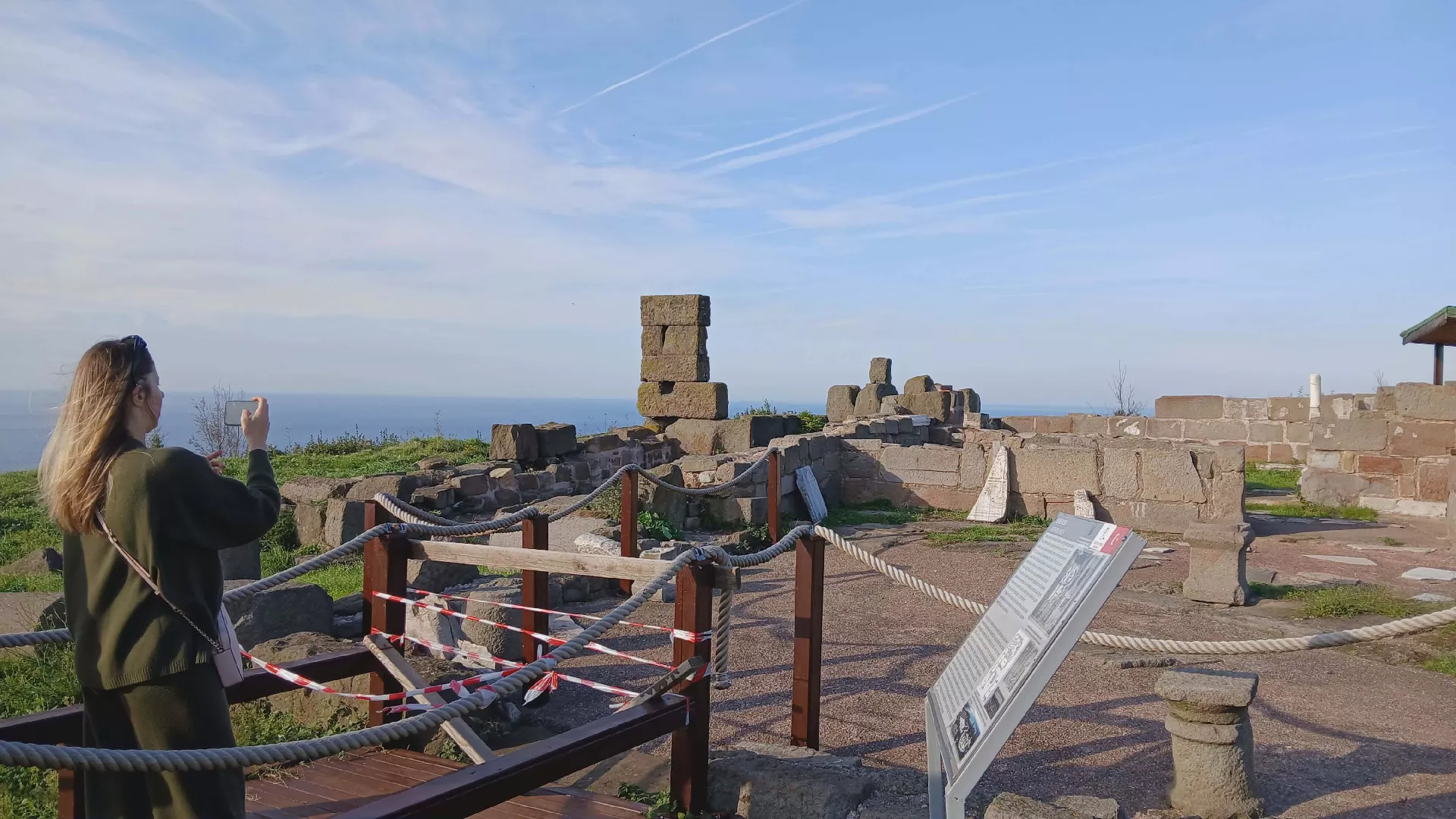
My journey began in the ancient city of Tium, also known as Tios or Filyos, an ancient colony of the Greek city of Miletus from the 7th century BC. The city changed rulers over the centuries – from the Hellenistic Kingdom of Bithynia, through the Roman province, to the Byzantine period – and each layer of history left its mark on its walls.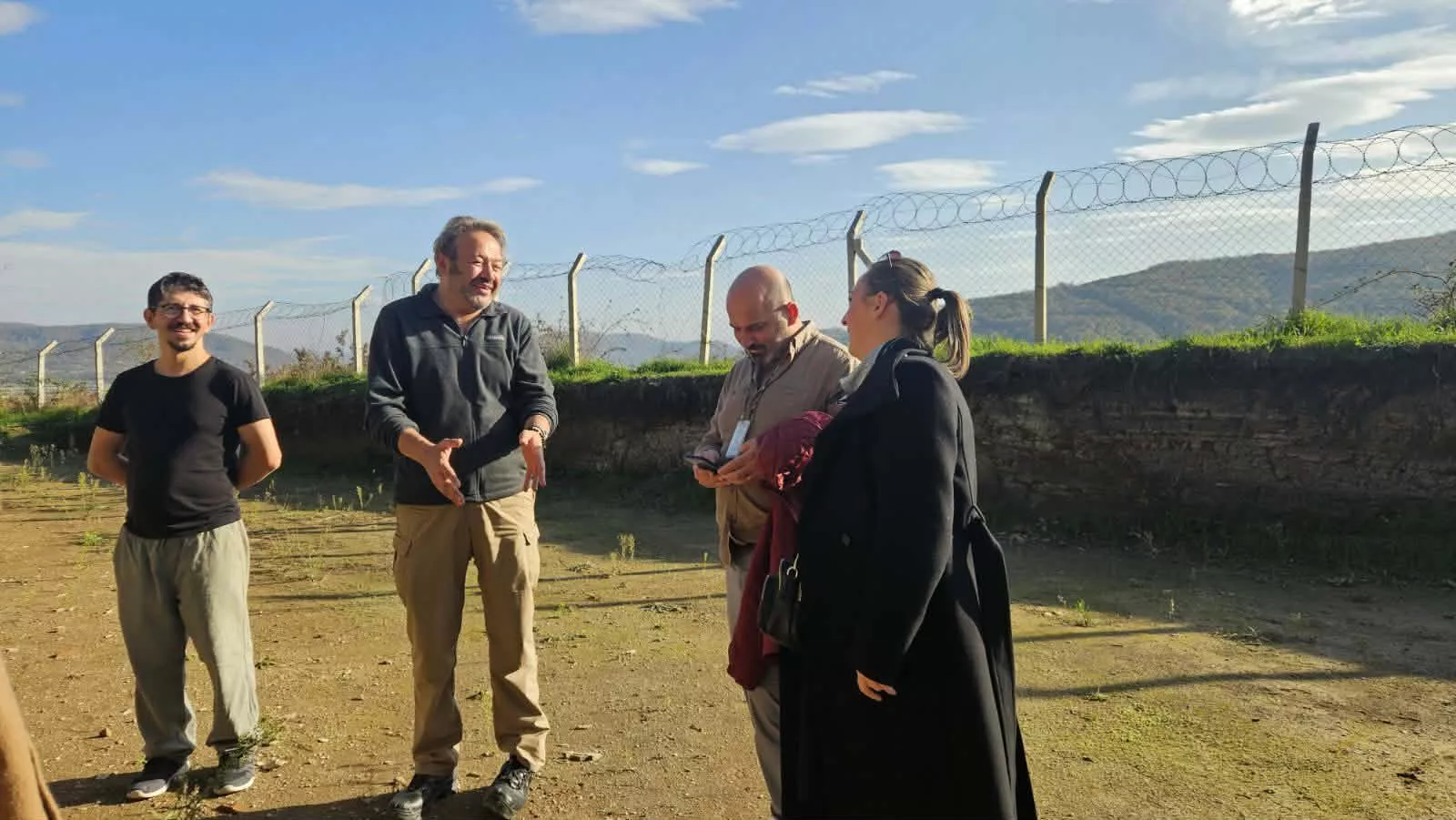
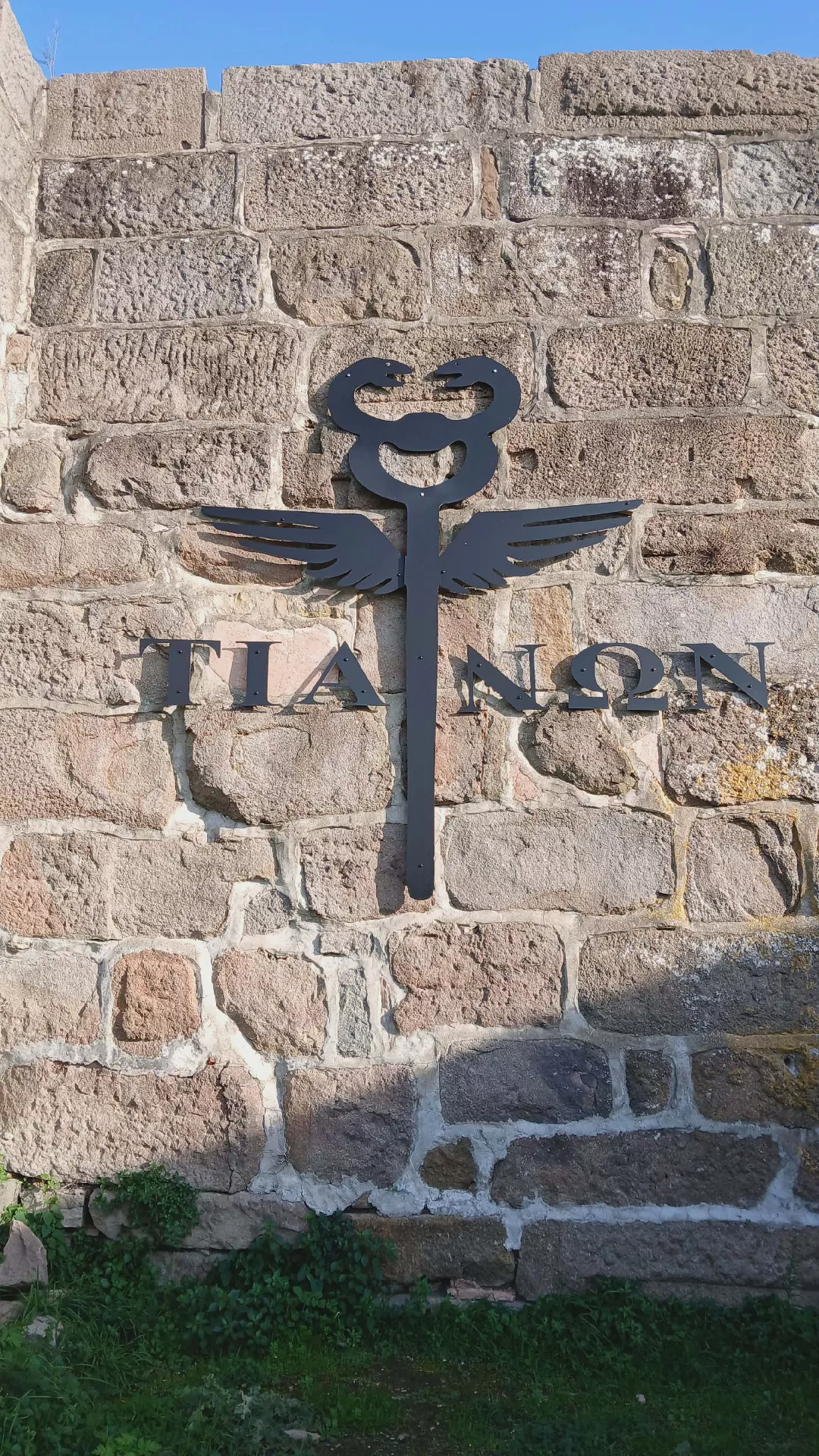
Walking among the preserved monuments of Tium is a true journey through time. The port, the Roman theater, and the Byzantine church tell the story of a city that was an important commercial and cultural center of the Black Sea for centuries. As I observed stone by stone, I felt that the past here is not just in pictures – it is alive in the air, in the murmur of the sea, and in the silence of the ruins.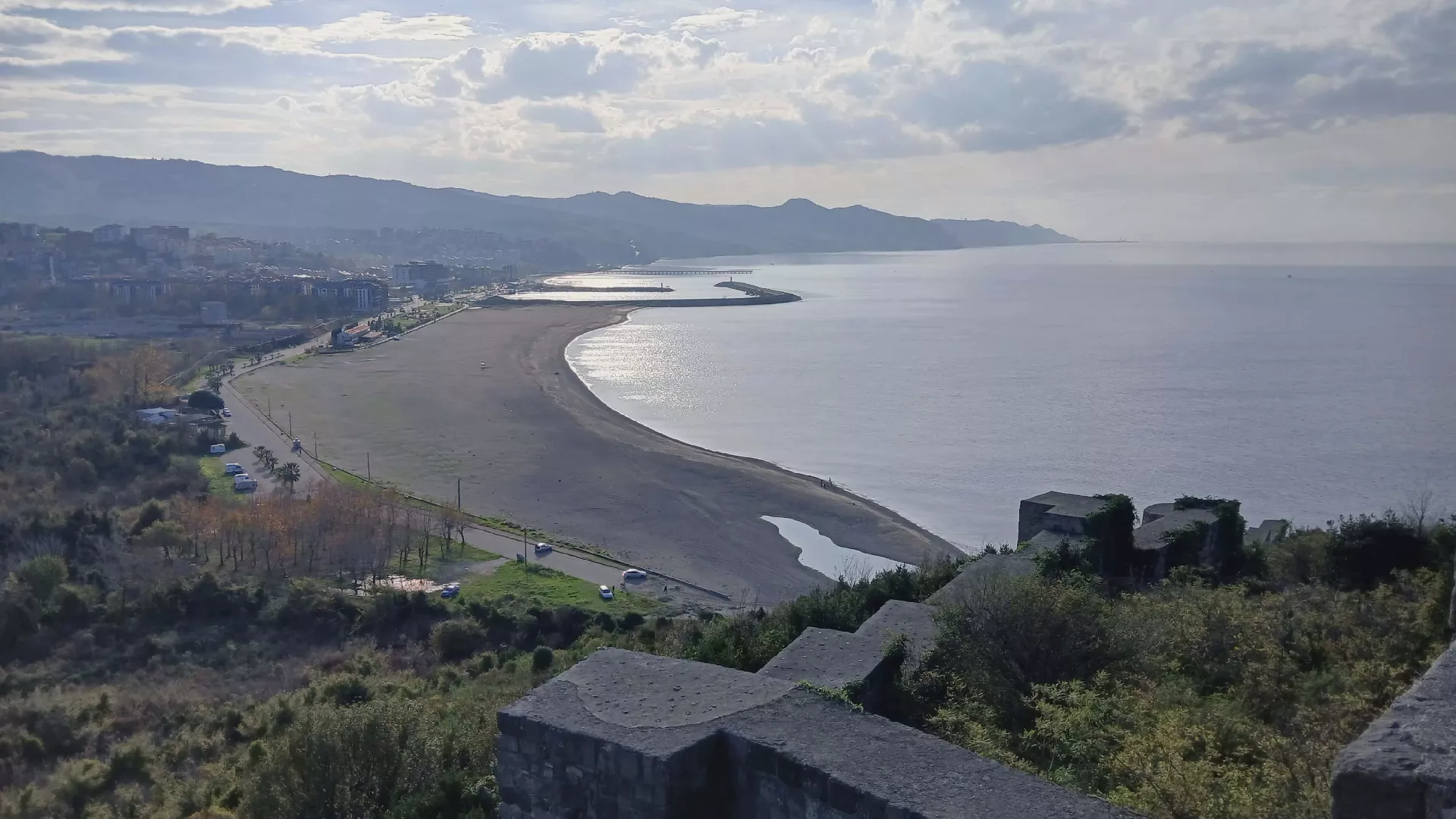
Archaeological excavations are still uncovering Tios – Tieion, a city dating back to 1200 BC, as if waiting to reveal its secrets to the world.
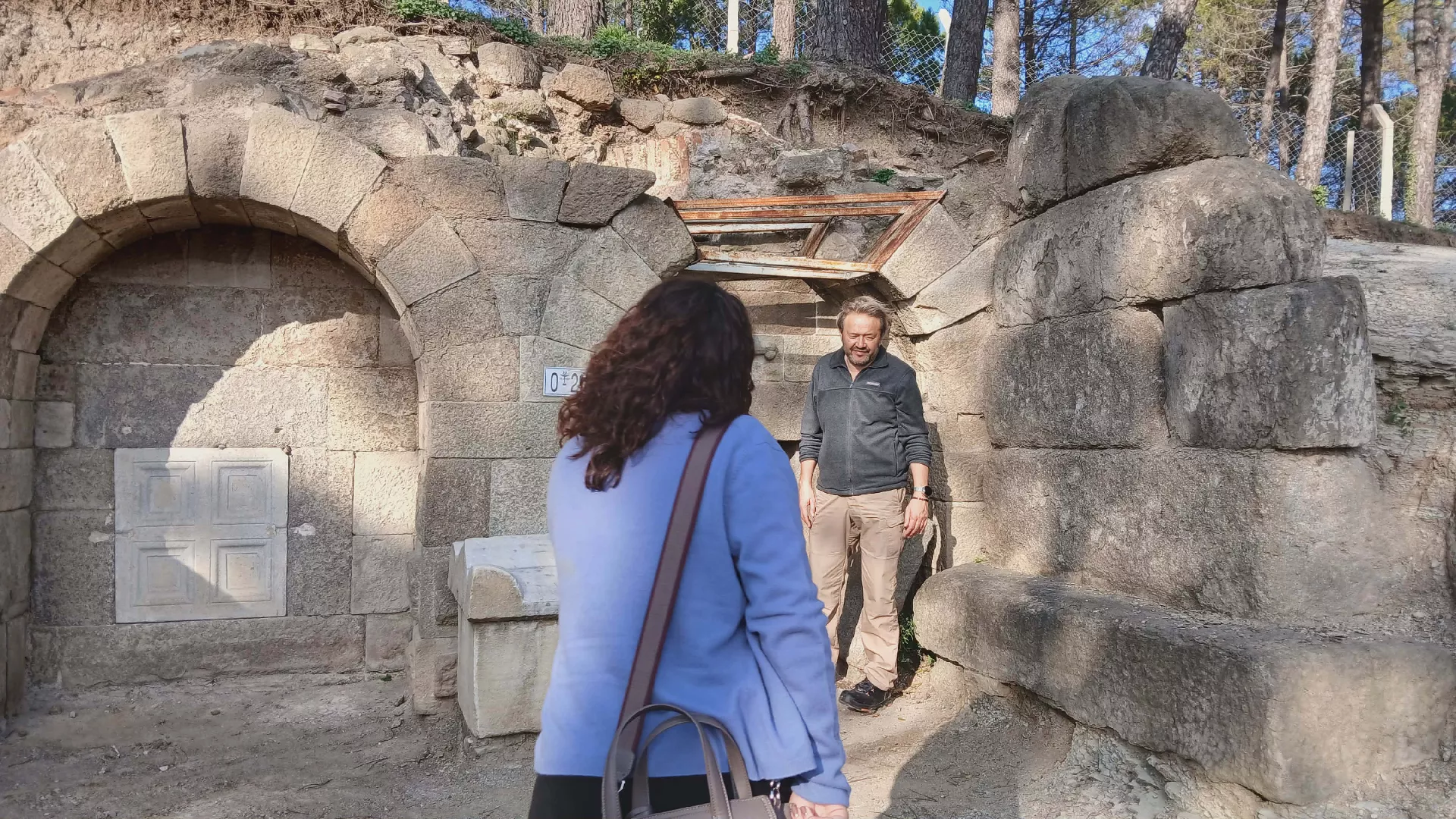
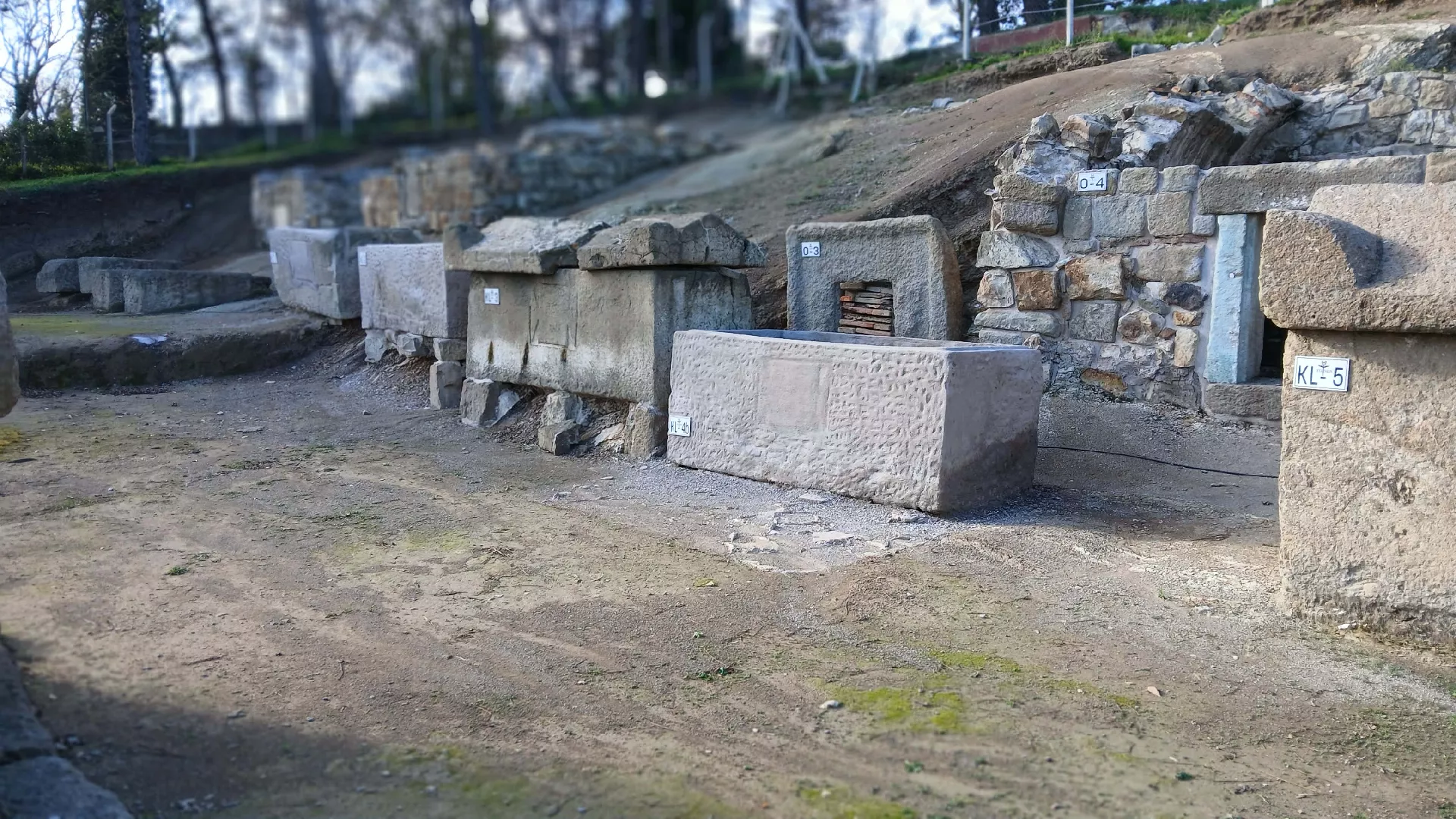
East of the castle hill, archaeologists have discovered fragments of the past: marble columns and pedestals, stone sarcophagi, brick tombs, and carved inscriptions – these silent witnesses of centuries convey stories about people, customs, and their lives. Walking through this site is not just a walk through a city, but through time, through the epochs that shaped this corner of the Black Sea.
Next summer, these important discoveries will be accessible to all visitors.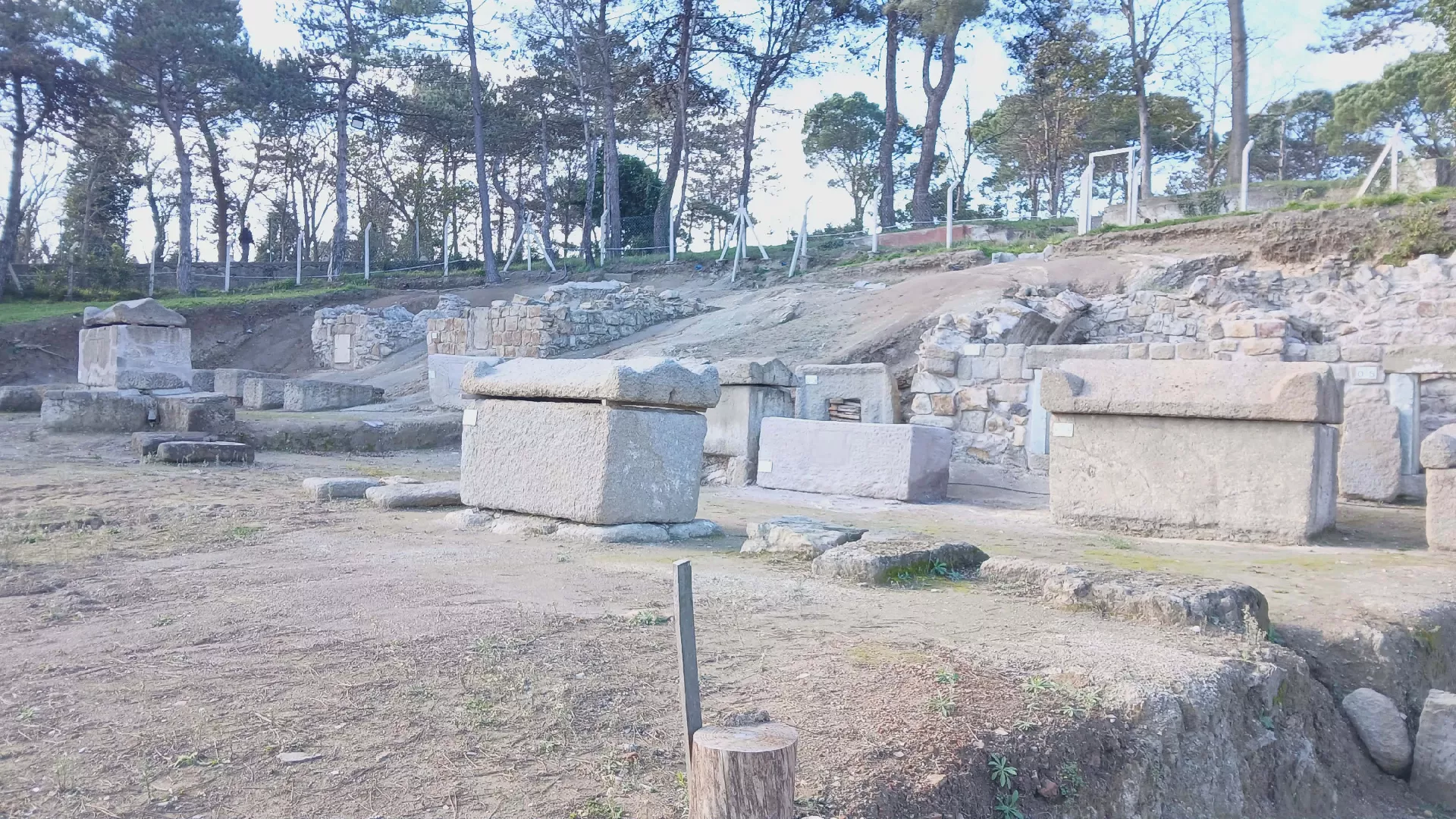
After the historical adventure, nature called me to the Gökgöl Cave. 3,350 meters long, with about 870 meters of developed path and impressive lighting, the cave captivates with its stalactites, stalagmites, and hidden water routes. 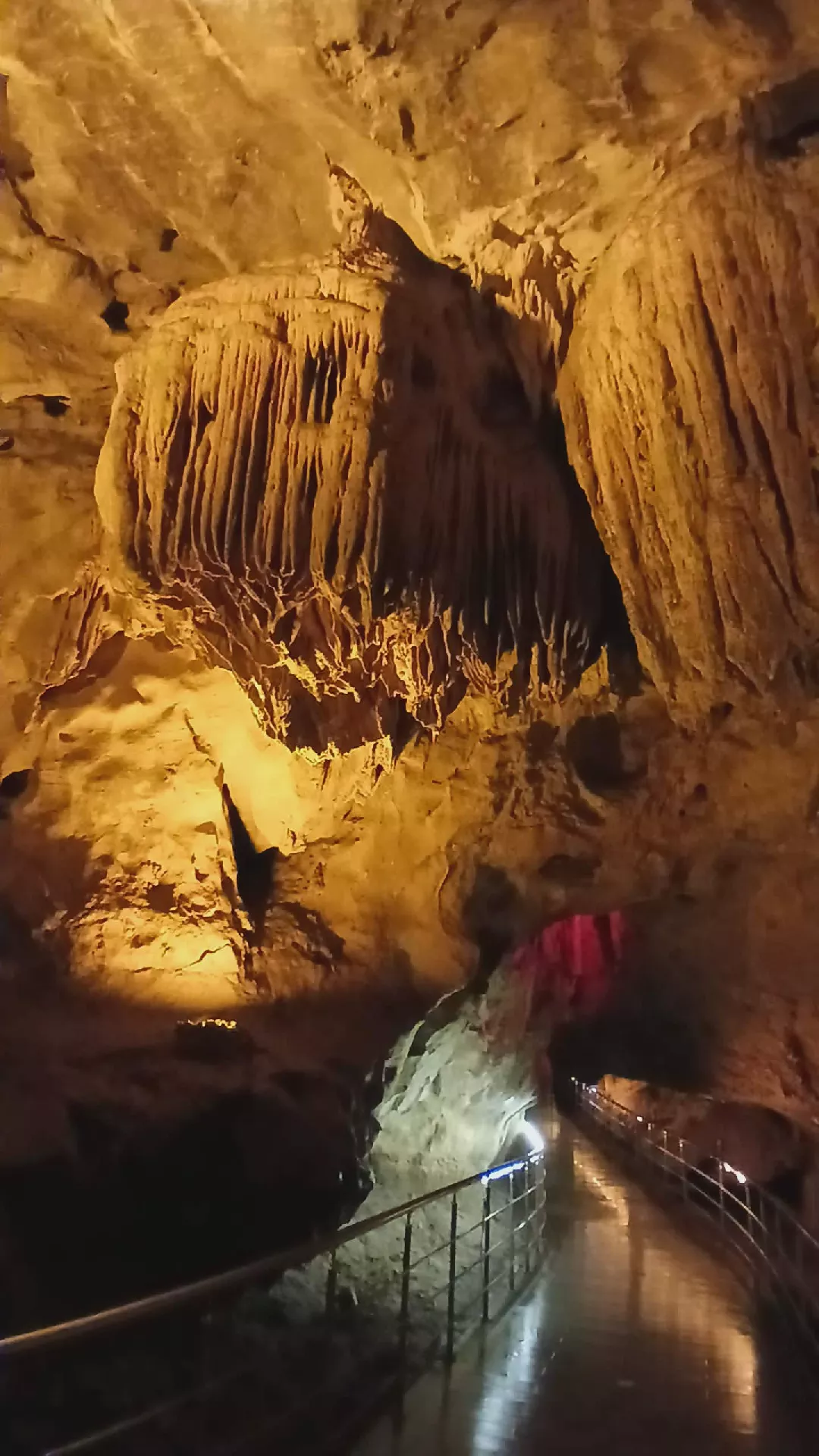
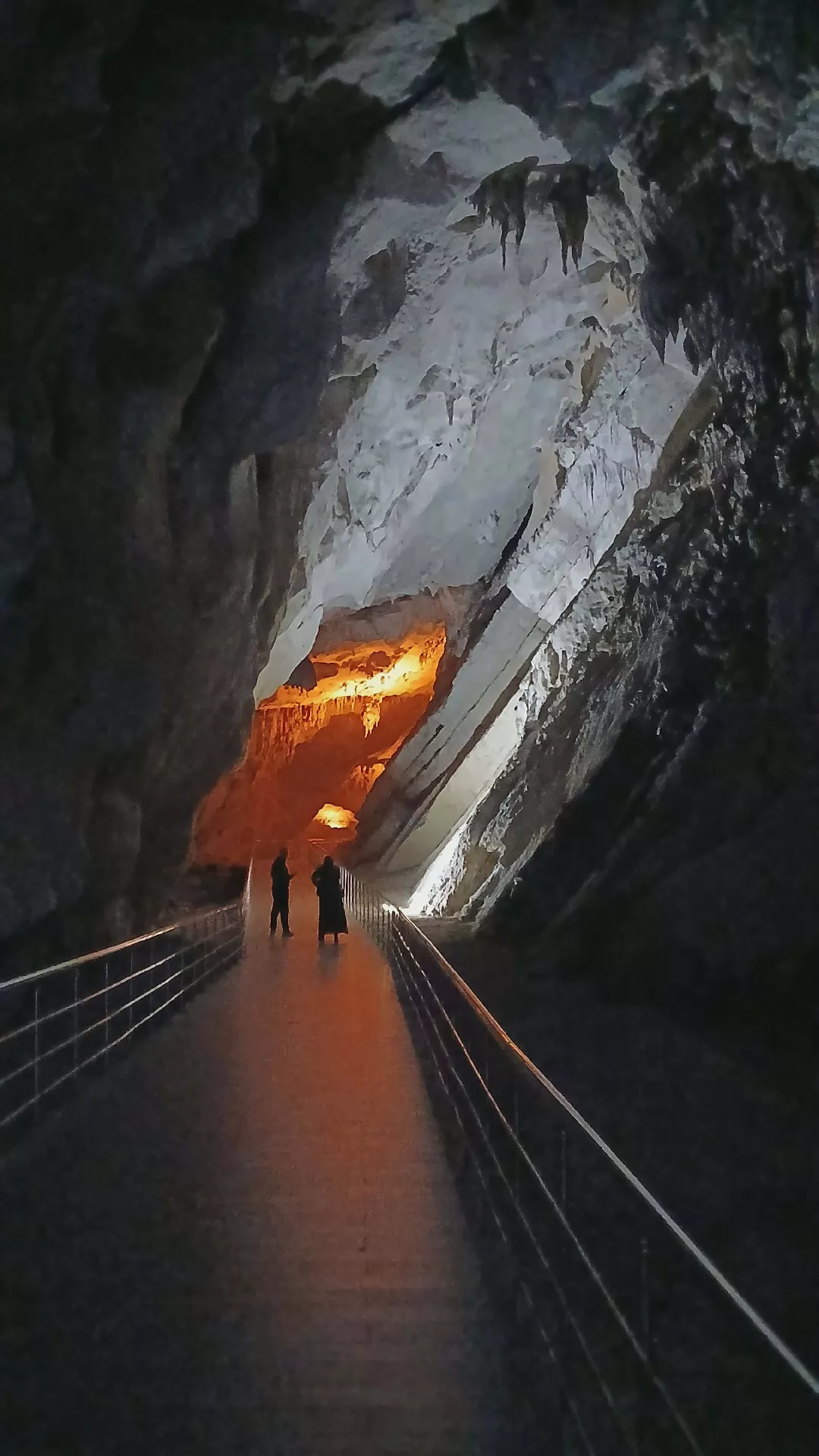
Walking through this underground labyrinth, I felt like an explorer who had discovered a secret world – a place where nature shapes art through millions of years. Every step echoed in the silence, and the water in the pools created a mystical atmosphere that completely enveloped me.
But the real gastronomic shock awaited me in Devrek, a small, picturesque town surrounded by green forests and rolling hills. There I was greeted by – white baklava. At first glance, it seemed raw, but its secret lies in patience and precision, 55 layers of dough, five hours of baking with the oven door open, and the skillful combination of hot dough with hot syrup. Every bite was an explosion of textures and flavors – different from any baklava I had ever tried. The mayor's wife also introduced me to other local delicacies and handmade body fragrances, which make the memory of Devrek last for a long, long time…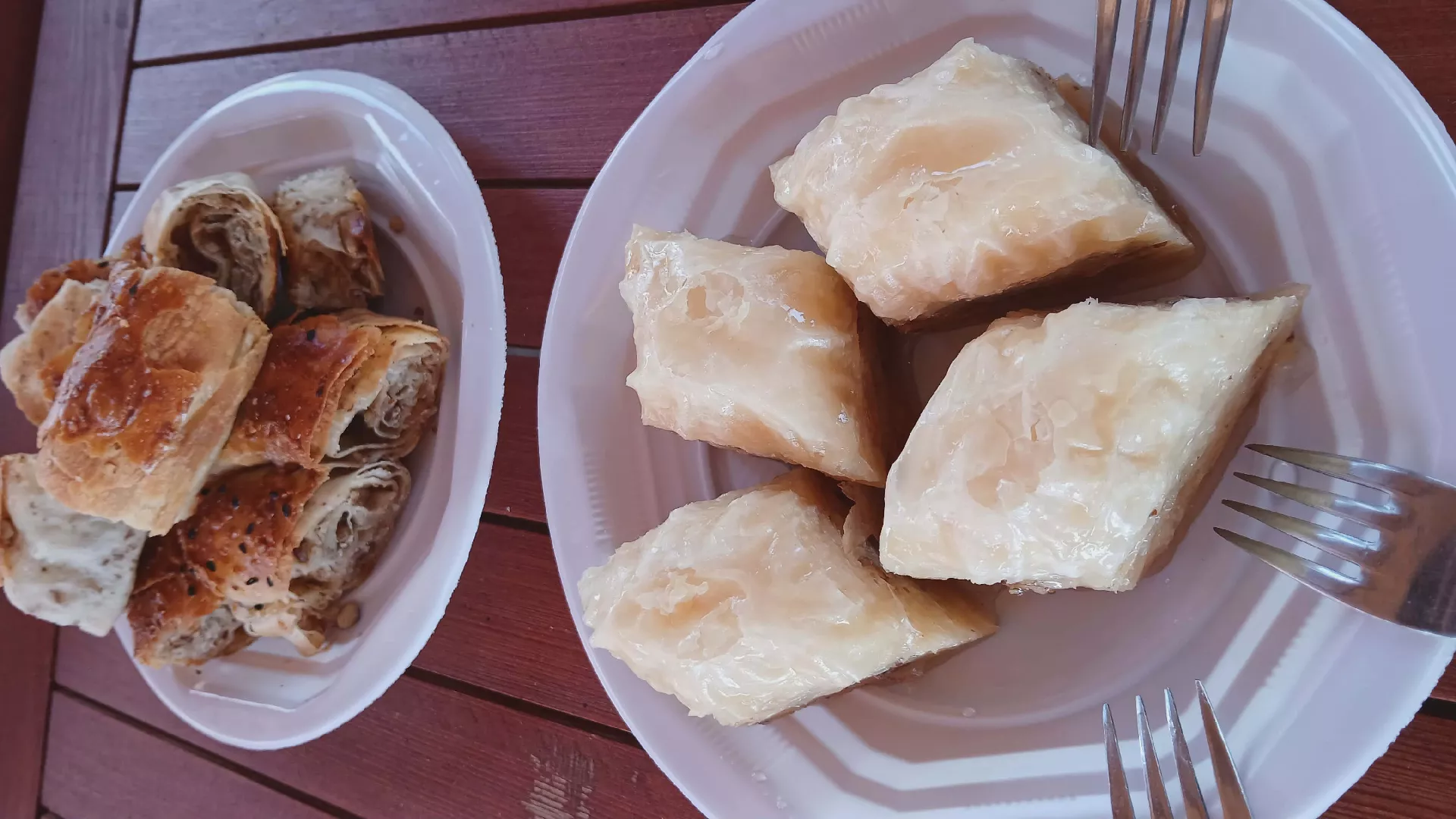

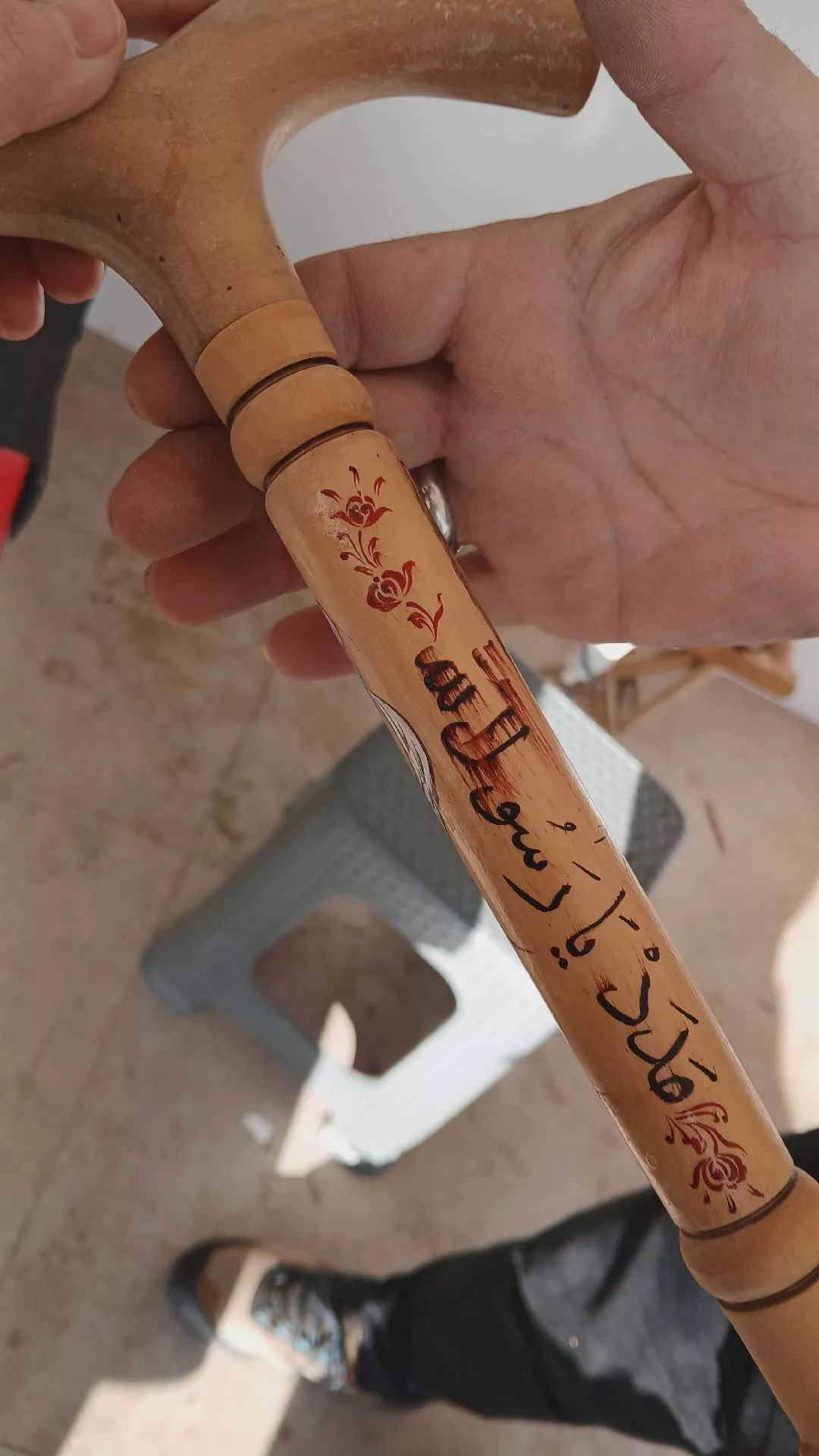
Besides culinary wonders, Devrek is also known for its tradition – the “International Devrek Cane Festival”. Wooden canes, made with love and precision, are a symbol of nobility and the cultural identity of this region. Walking through the town, I could imagine that these canes are not just practical objects, but also decorations, part of the story of the people and their place in the world.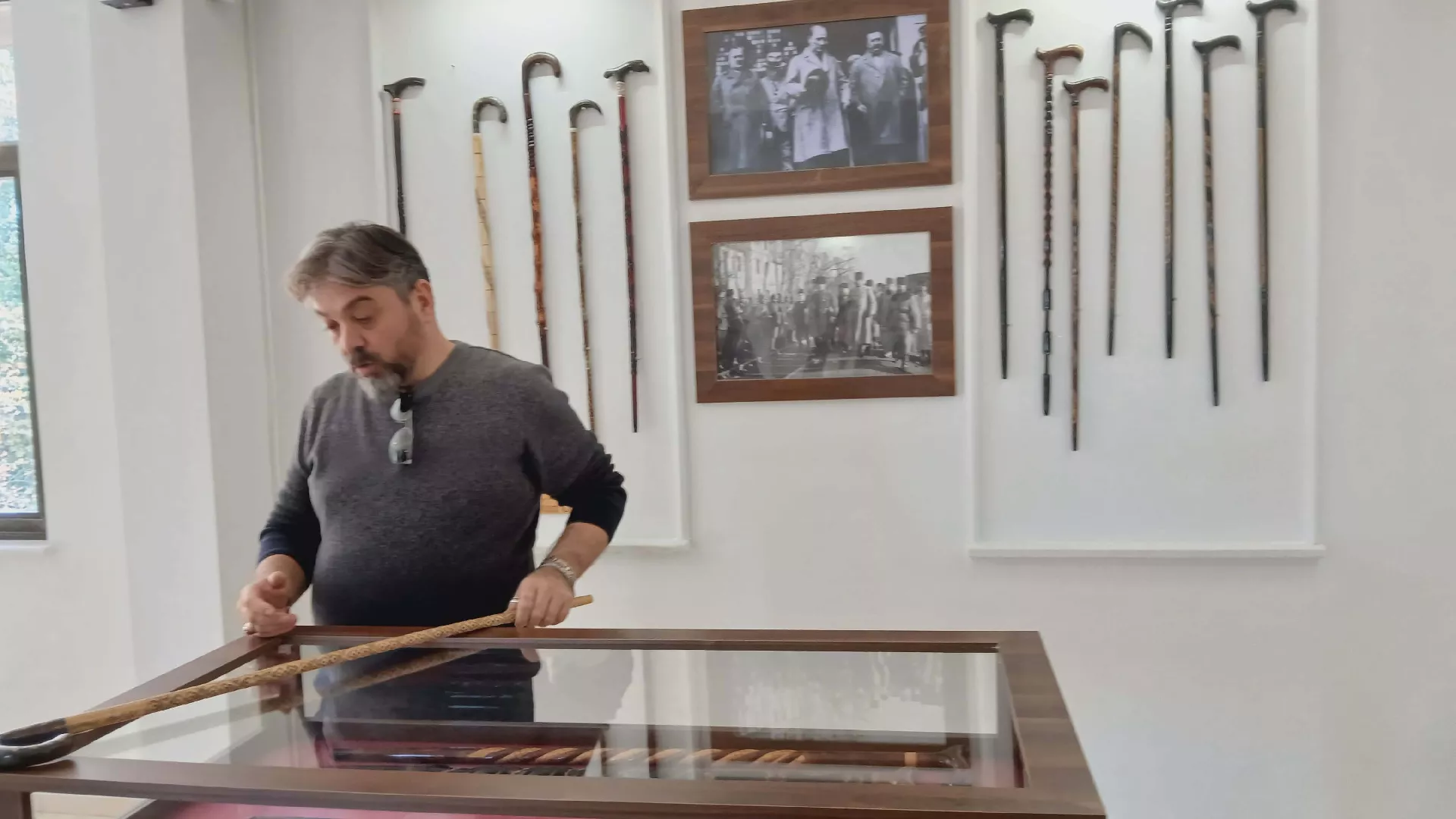
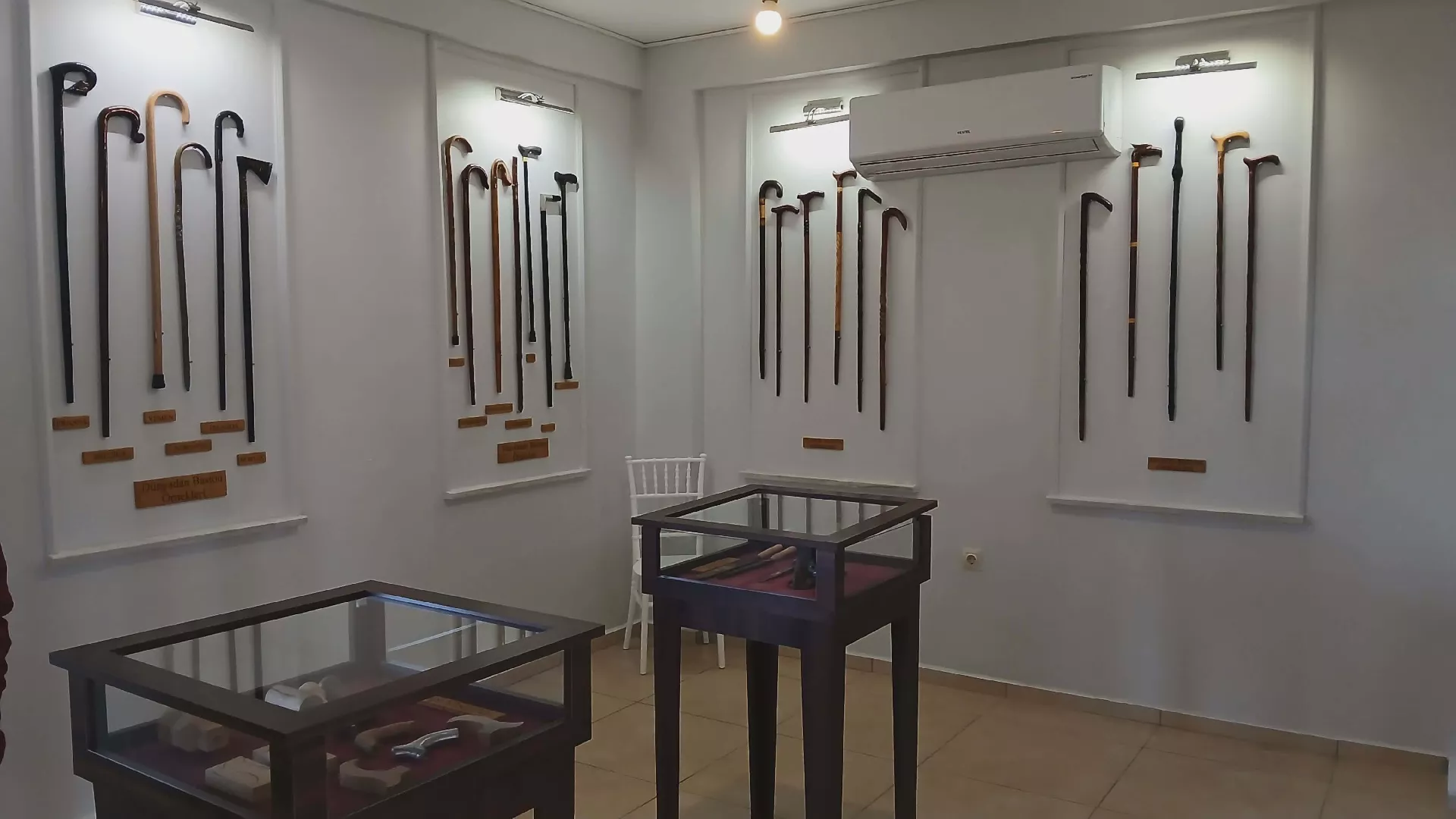
A visit to Zonguldak, Tium, and Devrek was a perfect blend of history, natural wonders, and local flavors. Every moment carried a story – from ancient ports to sparkling cave stalactites and sweet, white baklava. This is a journey that will forever remain in memory, a place where time and culture merge into one.
Komentari (0)
Prijavite se za komentiranje
PrijavaJos nema komentara. Budite prvi!
Minuta
Sve →Iz drugih kategorija

High Representative Not Elected: Germans, French and British Against Americans, New Attempt at End of June

ČOVIĆ WITHOUT MERCY: How Those Who Brought Ademović to Office Created a Political Hell for Him



Sunny Saturday, quite warm



Tragedy in Albanian resort: Two minors drown












