
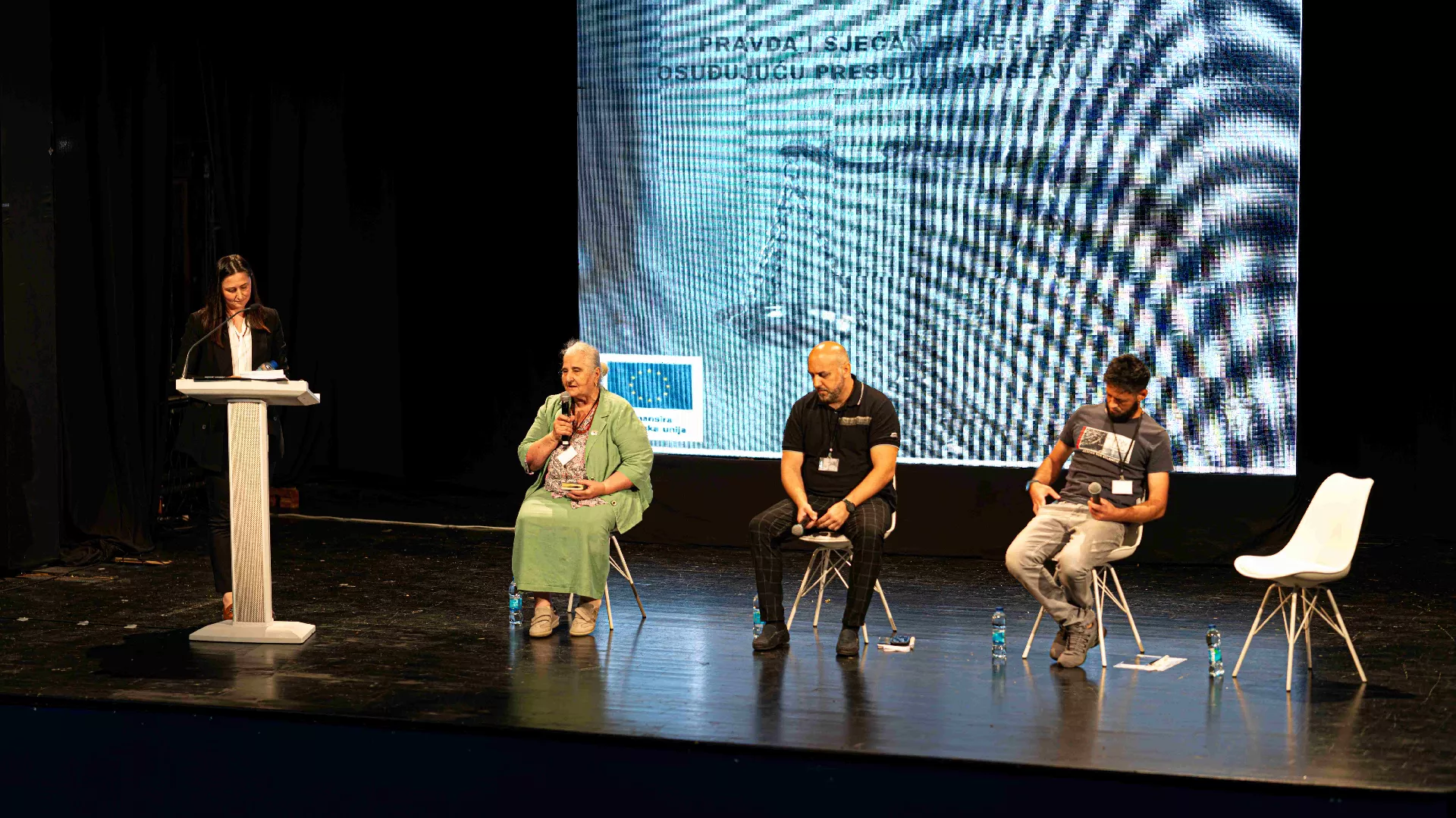
(Patria) - The Memorial Center today held a conference at the Srebrenica Cultural Center titled "Justice and Remembrance: Reflections on the Convicting Verdict against Radislav Krstić".
The conference brought together experts, survivors, lawyers, historians, and the general public to discuss the significance of the verdict against Radislav Krstić for genocide and crimes committed in Srebrenica, as well as the legal precedents set by this verdict, its impact on international law, and how this verdict has been interpreted in a historiographical context.
During the opening of the conference, the Director of the Srebrenica Memorial Center, Emir Suljagić, emphasized that this event was organized precisely at this location because it is literally 200 meters from the places that those present could see in the video showing the entry of the Army of Republika Srpska, led by Ratko Mladić and Radislav Krstić.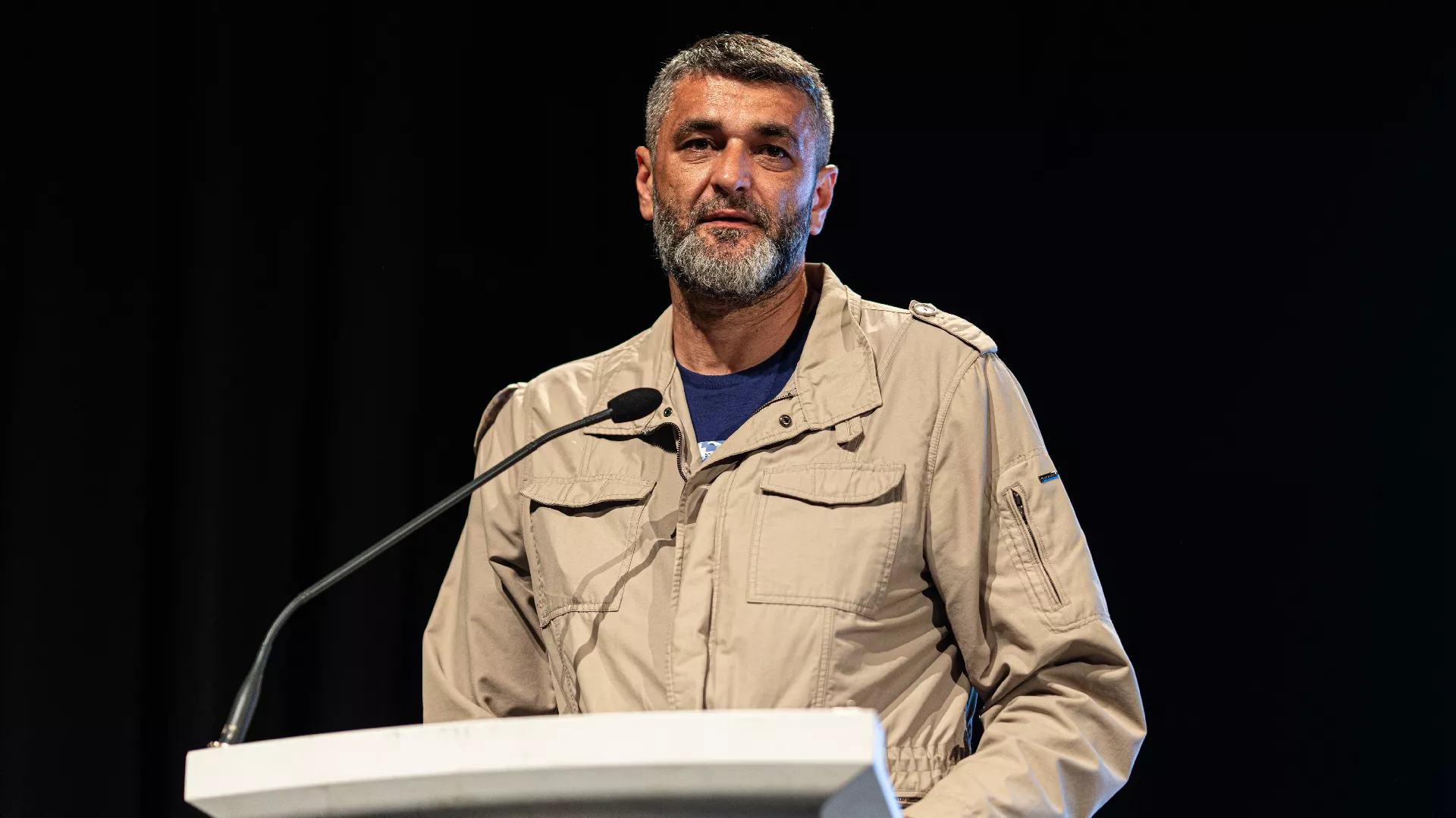
Emir Suljagić
- We are here today in our own narrative, and we have no intention of negotiating our narrative. We have no intention of seeking permission, we have no intention of allowing anyone else to define the boundaries of our experience.
We only have an obligation. We have an obligation to the families and individuals who have carried this on their shoulders until now. Today, we are talking about the Memorial Center as an institution.
None of this would exist if it weren't for activism, if it weren't for the civic struggle, the struggle of the mothers and family members of the victims. Never forget that.
It is no wonder that it took so long to establish an institution. But institutions do not exist without people, they do not arise without people, and they do not continue to exist without people, because nothing exists by itself.
People are what is vital. On behalf of all of them, I want to thank all the young men, young women, and women at the Memorial Center. There is no place I would rather be today, nor people I would rather be with than these people here - Suljagić stated.
The conference began with the testimonies of genocide survivors; Munira Subašić, Mirza Bašić, and Fahrudin Muminović, who shared their personal experiences of surviving genocide and the subsequent struggle.
As a fifteen-year-old, Mirza Bašić survived all the horrors of the Death March and only reached free territory after 28 days. Fahrudin Muminović's story is one of those that leave you breathless as you listen.
Fahrudin survived an execution at the age of only seven. His father was shot while holding his hand in Orahovac, while Fahrudin, as a boy, survived to remember, to testify, and to warn that those who killed then did not choose by age.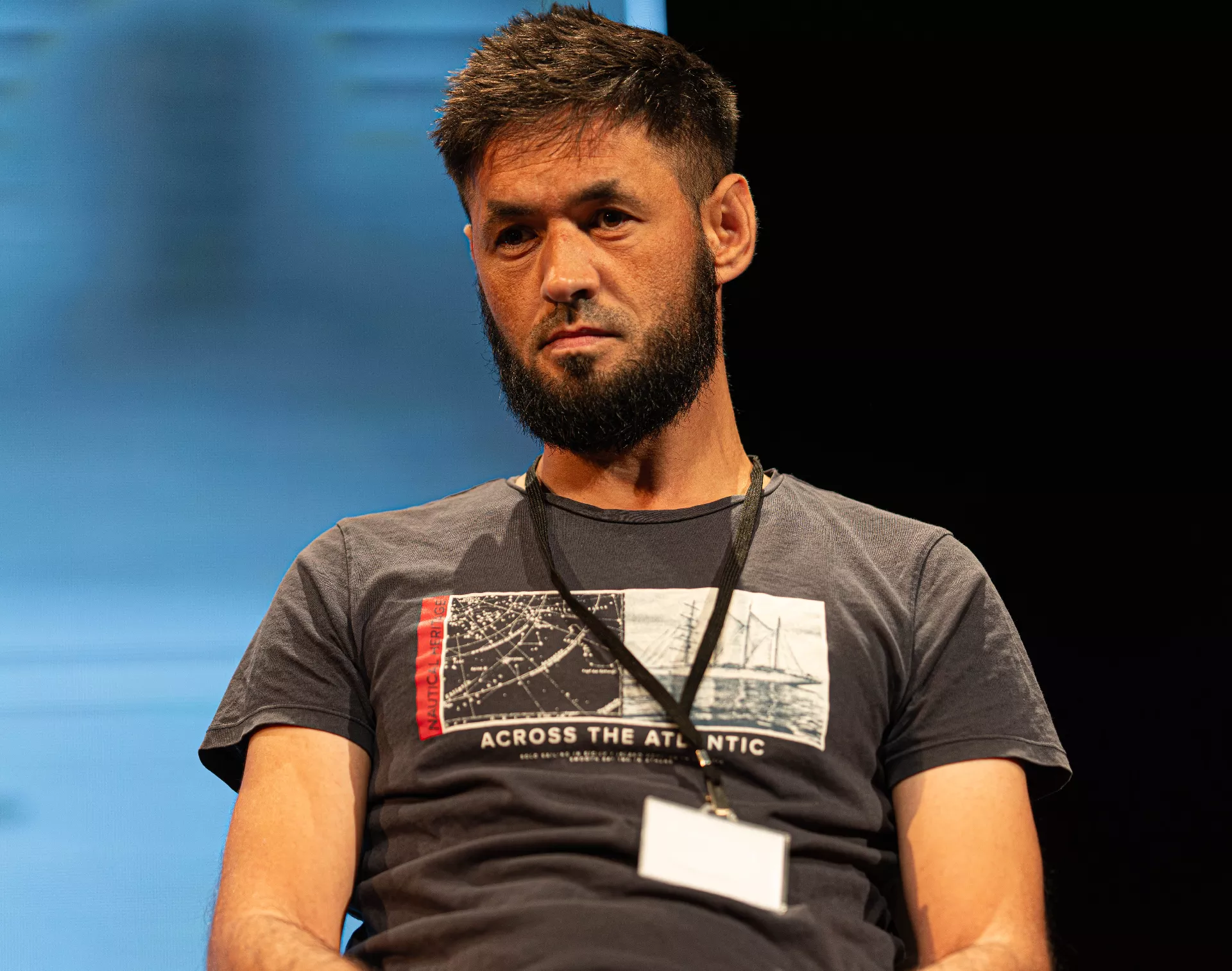
Fahrudin Muminović
Mother Munira is one of the most deserving women when it comes to the fight for justice, one who, with other mothers, tirelessly searched, demanded, spoke loudly about the perpetrators, testified many times at the tribunal in The Hague, and fought to ensure that the cemetery of the Memorial Center and that institution remain in the place where they are today.
Very often in that struggle, Mother Munira forgot her personal pain, not emphasizing that her son was torn from her arms and, after July 13, 1995, both he and Munira's husband were killed.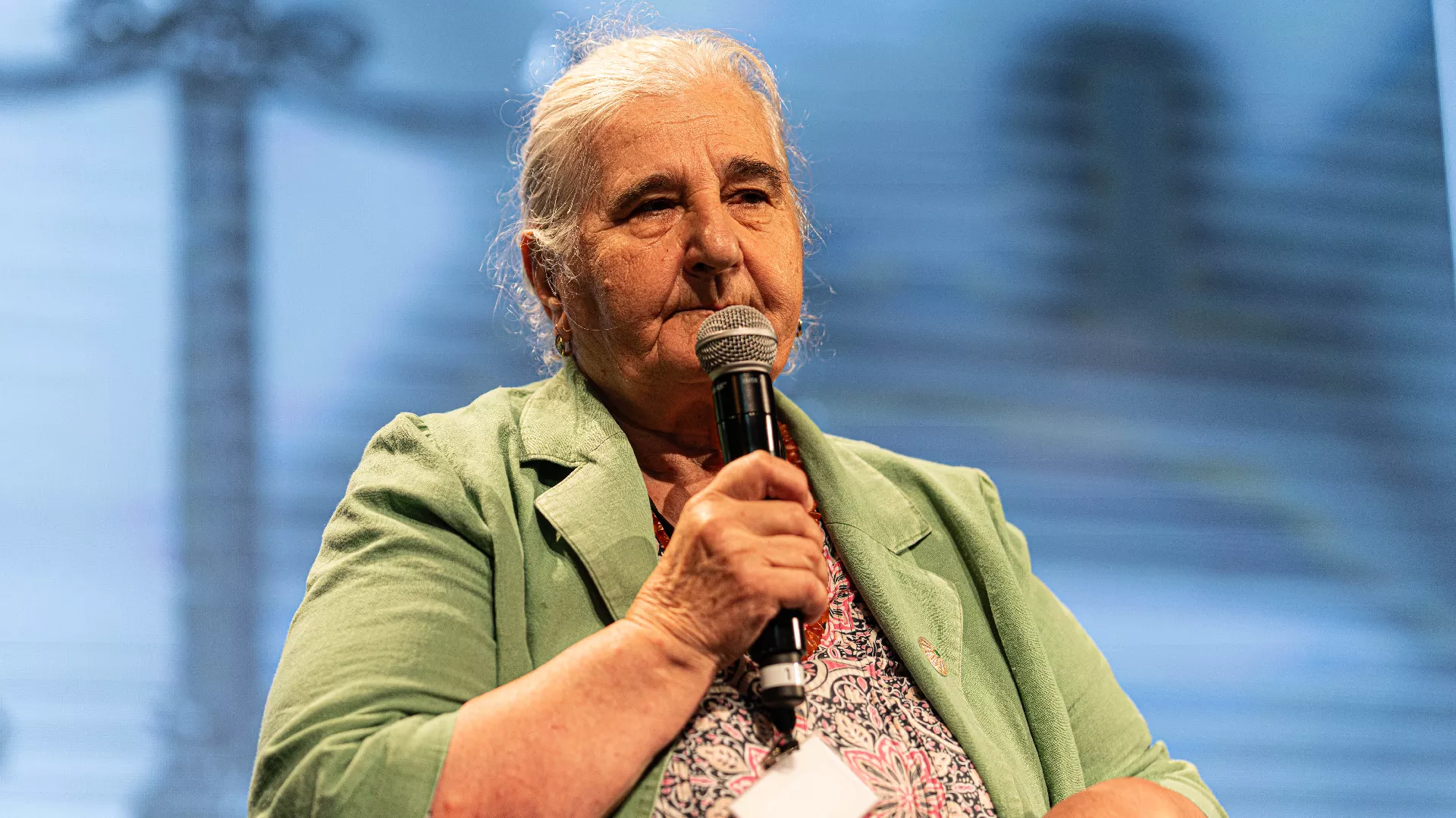
Munira Subašić
At the panels 'The Impact of the Verdict on Justice and Reconciliation' and 'The Legal and Historical Significance of the Verdict against Radislav Krstić', experts Dr. Jasmin Mujanović, Prof. Sead Turčalo, Dr. Muamer Džananović, lawyer Lejla Čović, Prof. Izet Šabotić, Prof. Dr. Goran Šimić, and Dr. Emir Suljagić spoke.
The panelists analyzed how the Krstić verdict influenced justice and the process of reconciliation in post-conflict societies. They discussed how remembrance of these events can be used as a tool for building dialogue and trust.
- Verdicts are important because they have long-term effects. They are intended for future generations, as well as for those against whom the crime was committed - intended because they must be aware that if we were to characterize the crime of genocide solely as Srebrenica and its surroundings, then in some future interpretation, it could be perceived as something that is a pure coincidence.
The crime of genocide can never be a pure coincidence; it first appears in people's minds, it is planned and organized, before it moves, if we can put it that way, to hands, to weapons.
And the genocide in Srebrenica is actually what we always repeat and try to introduce into the discourse – that it is merely the culmination of the Bosnian genocide. Of course, there are people in our society who do not accept such a term, not understanding the long-term intention to build a very clear narrative based on the verdicts of the Hague Tribunal, including, of course, this one against Radislav Krstić, but also on all historical facts related to the crimes that culminated in Srebrenica - emphasized Prof. Sead Turčalo during his presentation.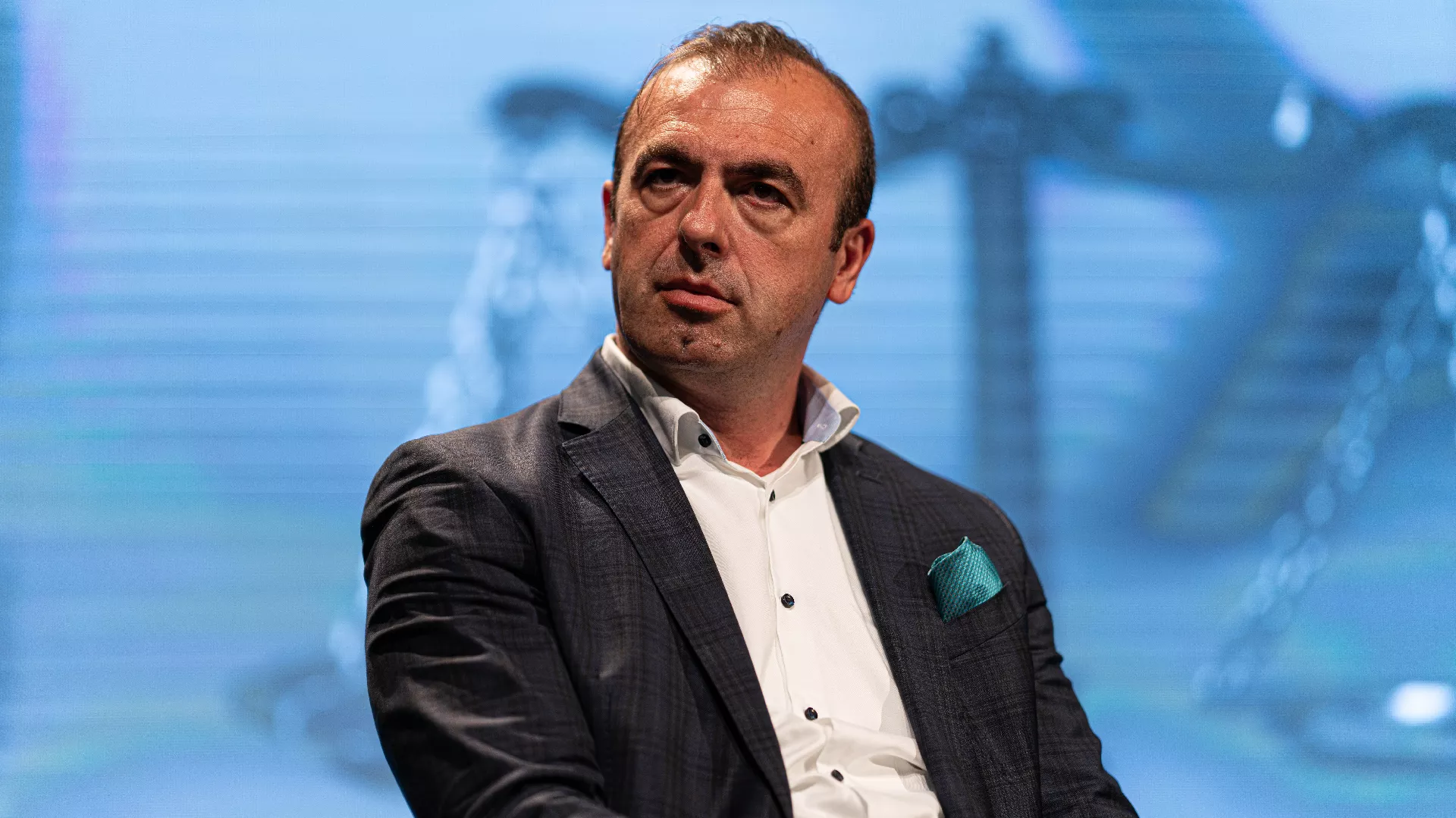
Sead Turčalo
Muamer Džananović from the Institute for Research of Crimes, recalling some facts related to Krstić that are not in the verdict itself, pointed out that he "distinguished himself" in the crime of genocide in Srebrenica, only after participating in several operations ordered by Ratko Mladić back in July 1992 in the horrific crimes committed in Goražde.
As he pointed out, "everything that was Radislav Krstić's career culminated in the crimes in July in Srebrenica and Žepa".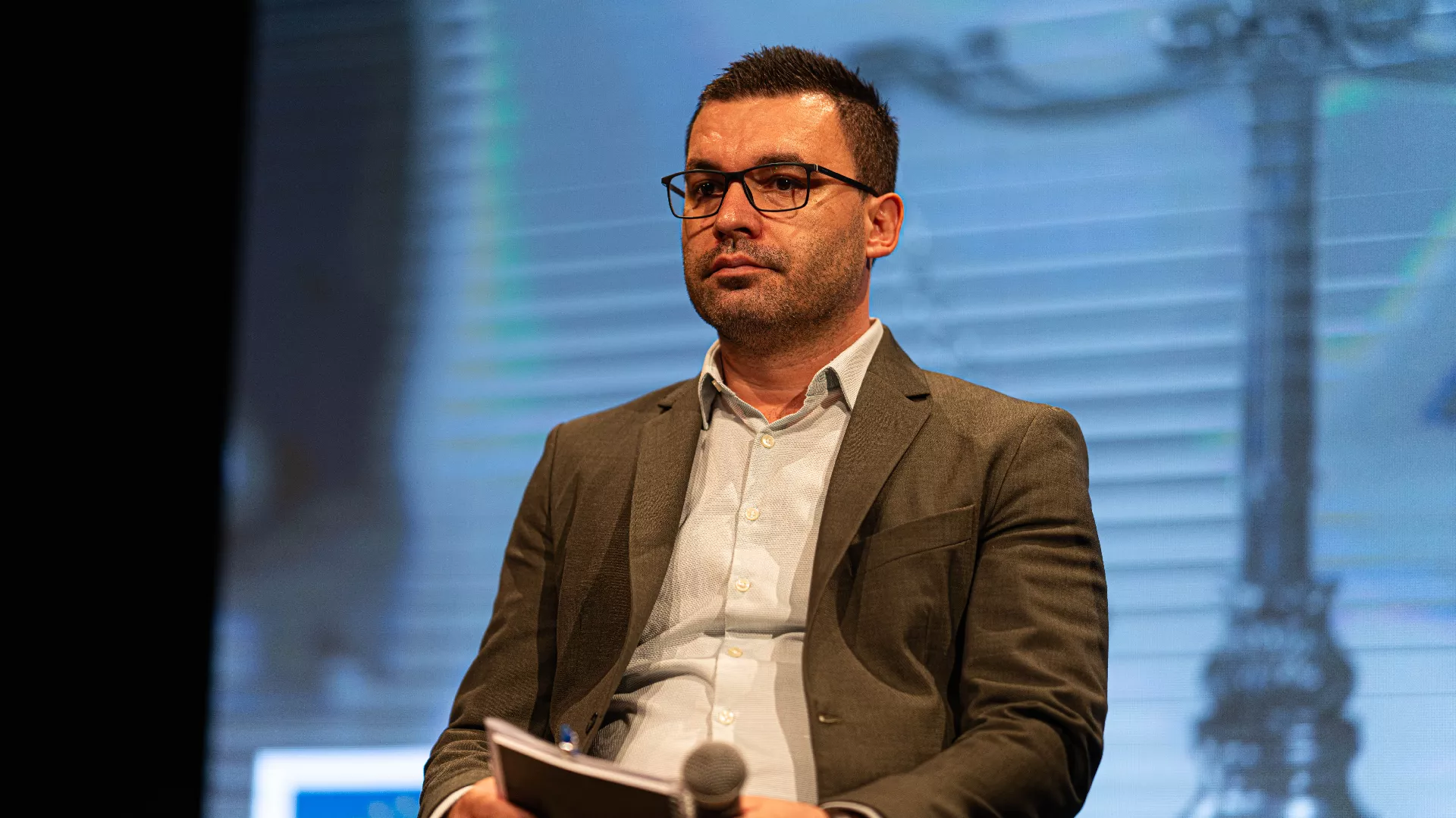
Muamer Džananović
Džananović emphasized that much has been done so far in researching crimes, but unfortunately, many of these research efforts have fallen to individuals and enthusiasts, so much has been missed, especially regarding crimes that have not been sufficiently investigated, and therefore not judged, and that there is still much to document and research.
Jasmin Mujanović, a political scientist and author of several books, including "Bosniaks – A Nation After Genocide," was also a panelist at today's conference. He pointed out that the verdicts are extremely important because they have established a legal framework for our collective work, but they are not sufficient in themselves.
- We are all aware of that. This very story about the fact of a wider genocide in Bosnia and Herzegovina actually points to that. I want to emphasize this fact, that all these verdicts, both from The Hague and before it, and the entire international framework in which these verdicts developed, even the latest one at the UN, the resolution on genocide, I think we must primarily treat them as a kind of starting point for us - especially for us who have a duty to the people in Srebrenica, the people in Stolac, Prijedor, Žepa, Goražde, Sarajevo, and also a duty to our children and their children, to leave behind this collective work, a framework so that they can understand what was committed here and why this is a continuation of a heroic battle, not just for survival, but a battle that we will ultimately win.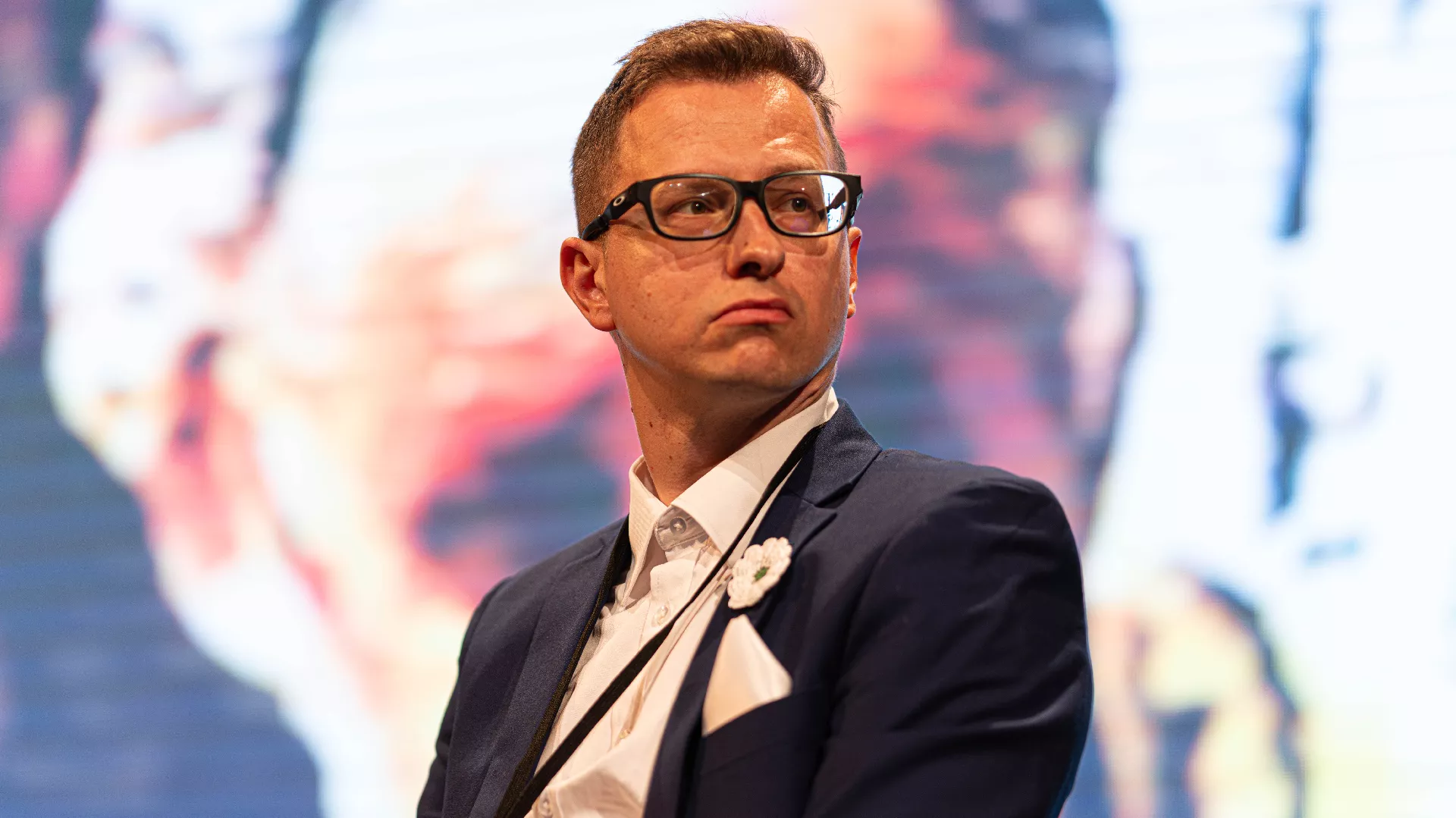
Jasmin Mujanović
I am absolutely convinced of that, because we must be aware of one basic fact, and that is – none of us here, and especially you who live here, should have been here, we should not have survived – that was the plan; that we disappear, that we cease to exist, that conversations like this, events like this, every trace of our culture, our existence, disappears.
And yet, we are here and we continue, not only to recount all of this from the past, but to create new stories, new lives, new communities. We will ultimately create a completely new world that will be a reflection of all your and our experiences. I am absolutely convinced of that. Not because I think it will be an easy path, but because I am convinced that you have 'cemented' that path, and it is up to us, especially us experts, to continue on that path - he added.
In the last panel, moderated by Dr. Emir Suljagić, the speakers discussed the legal precedents set by the Krstić verdict, its impact on international law, and the historiographical context. It was emphasized how this verdict shaped legal standards for future genocide cases.
Izet Šabotić, a professor in the History Department at the University of Tuzla, pointed out that the legal narrative is the basis of the historical narrative, as it is written on a historiographical basis, which consists of evidence, legal evidence.
In this case, the Krstić verdict is legal evidence. If an analysis is made based on the first and second-instance verdicts, we will find hundreds of historical facts indicating that genocide was committed.
- What was done in Srebrenica has a much broader context. I am always concerned when such events are reduced to religious or ethnic affiliation. I do not perceive the genocide in Srebrenica as a genocide against Bosniaks, but against human beings. It is a tragic event in all possible dimensions.
Those who want to turn it into a genocide against only one ethnic or religious group are actually denying the human dimension of the tragedy of such an event. I am perhaps the last person to say that verdicts are sufficient for us to understand certain events.
Why are verdicts important to us at all? Here is perhaps a partial answer to the question of the value of the Krstić verdict. The value lies in the fact that a court established by the International Community, in its official verdict which is final, binding, and unchangeable, regardless of what anyone thinks about it, has determined that the events in Srebrenica reached the category of genocide and were named as such.
Therefore, regardless of the work of scientists, journalists, political scientists, sociologists, we would have a big problem calling these events by that name if it weren't for this verdict.
Here is an example of Prijedor, where we have a very similar context to Srebrenica, systematic separation, abuse, killing, but we do not have a single verdict stating that genocide occurred there - emphasized Prof. Goran Šimić in his presentation.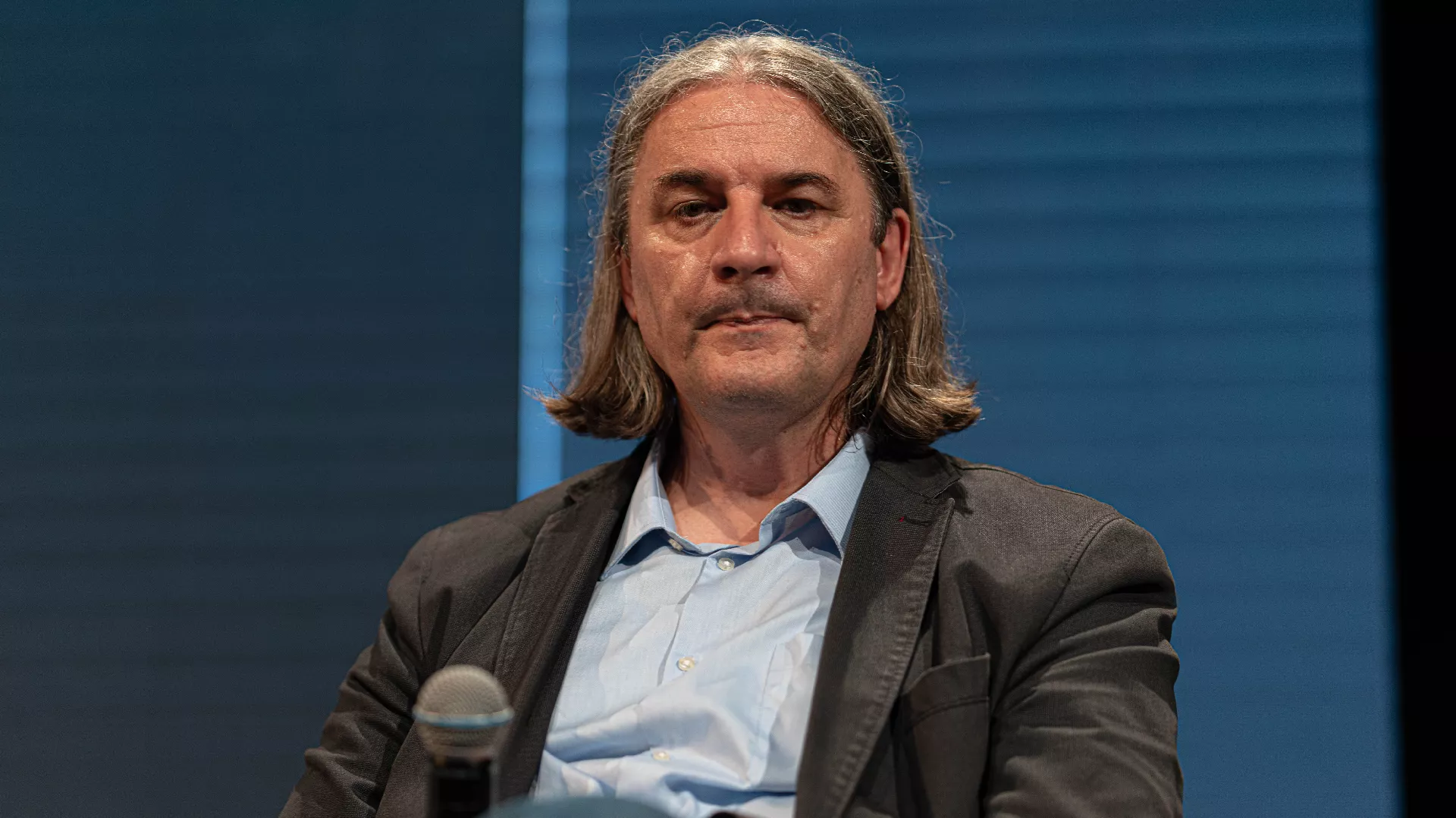
Goran Šimić
- We should not ignore the fact that in the case against Radislav Krstić, the prosecutors used expert testimonies from independent military experts who explained his role in detail, the events on the ground, the crimes, and finally, the Chamber concluded, and stated it in the second-instance verdict when delivering the appellate judgment, 'that massacre in Srebrenica', and many still call it a massacre today, I quote the appellate chamber which states that 'the massacre in Srebrenica should be called by its proper name, and that is genocide'.
From that perspective, the work of the Hague Tribunal and its role are important, as is the fact that this verdict was not only the starting point for numerous other verdicts for genocide in Srebrenica before the Hague Tribunal but also before the Court of Bosnia and Herzegovina - stated lawyer Lejla Čović.
Students who traveled for this occasion from several cities in our country, including Zenica, Tuzla, Sarajevo, and Mostar, attended today's conference.
The conference successfully provided a platform for the exchange of opinions and experiences on one of the most important verdicts in the contemporary history of international law.
At the end of the conference, the participants concluded that justice and remembrance play a crucial role in building a better future for post-conflict societies.
Komentari (0)
Prijavite se za komentiranje
PrijavaJos nema komentara. Budite prvi!
Minuta
Sve →Iz drugih kategorija

High Representative Not Elected: Germans, French and British Against Americans, New Attempt at End of June

ČOVIĆ WITHOUT MERCY: How Those Who Brought Ademović to Office Created a Political Hell for Him



Sunny Saturday, quite warm



Tragedy in Albanian resort: Two minors drown












