
(Patria) - The European Union can thus send a message that it wants stability because of Ukraine and Russian influence, but it has no desire to do the hard work needed for genuine stability and progress.
This is essentially a geopolitical move. For some reasons, the European Commission does not really want to present it as such, it does not want to say "because of geopolitics, we will not be too strict with the conditions". But that is exactly what it is.
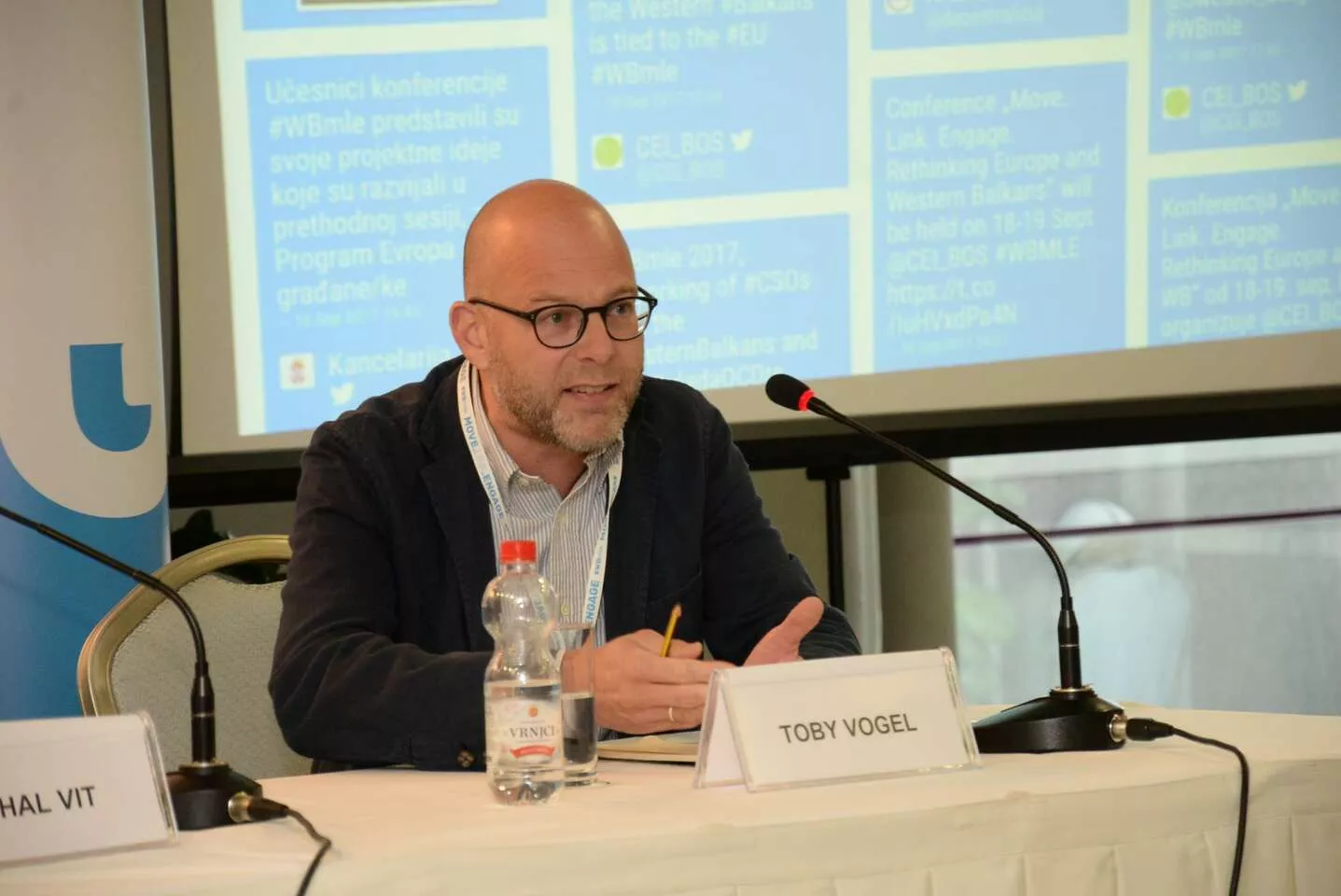
This is how Toby Vogel from the Council for Democratisation Policy based in Berlin comments on the reasons for this decision for Radio Free Europe (RFE), a day after BiH received the green light to open negotiations with the EU.
According to him, there is a feeling that BiH should be anchored in the European Union, and that this will help the entire Western Balkans, stabilising the region.
- The idea is that this can be done without having to roll up one's sleeves, which would be necessary for genuine stabilisation. That would mean confronting Serbia and its irredentist policy, obstructions towards its neighbours, which is not something the EU wants to do - Vogel points out.
- Obviously, this is a problematic precedent. I would not overemphasise the importance of this step. This is essentially a political declaration by the leaders of EU member states that they want to see BiH in their "club" one day. It represents nothing more, but also nothing less than that.
However, the fact that this was made possible after it was repeatedly emphasised that the 14 priorities listed in 2019 must be fulfilled, and that BiH has not fulfilled them, is disturbing. It suggests that - if you hold out long enough, the other side will simply give up on those conditions.
We have seen this before in BiH, we will probably see it again, but now the most important thing is for the country to show seriousness regarding the 14 priorities, and to address them - Vogel points out.
According to him, this is a typical exaggeration by the European Commission - there are different ways to measure progress, but adopting two laws, which are essentially not that crucial, is not really a big step forward.
- The country is in a worse state today than it was 10 years ago, than it was 15 years ago. Politics has become even more polarised, oligarchy and partocracy on all sides are even more entrenched, so I simply do not see what this alleged progress consists of - added Vogel.
He is of the opinion that RS President Milorad Dodik will play by the rules as long as it serves his goals. His rhetoric is confusing, says Vogel, sometimes he sounds pro-European, but most of the time he sounds as if he blames the EU for all problems.
- But the essence is that, with the current setup, in the ruling coalition at the state level there are forces that obviously, at the end of the day, have no interest in joining the EU. That would undermine their business model. Continuing to rule through fear and a system of political protection, as they now rule, would become impossible.
In the long term, but also in the medium term, as BiH slowly progresses in the EU accession process, I think these problems will become increasingly acute. At the same time, the main goal of HDZ BiH is to further cement the ethnic politics that is part of the country's constitutional order, and the creation of a de facto third entity.
They will have no problem torpedoing the process and any progress, if they assess it is in their interest. In other words, they will essentially blackmail other forces in BiH to give in to their advantage - Vogel believes.
He adds that he would not overestimate the significance of opening negotiations - it is a message, significant as such, but no more.
- The truly hard work, unlike what your foreign minister stated yesterday, actually lies ahead of Bosnia and Herzegovina. We can talk as much as we want about the 14 priorities and their importance, but at the end of the day they will have to be fulfilled. That will be politically very difficult.
It will also be technically very difficult, demanding. Accession negotiations are very complicated, formal, and besides political will at the very top, they require administrative capacities, which BiH may not have in all the negotiating chapters into which the negotiations are divided. It will be a very demanding process for BiH - concluded Vogel in an interview with RFE.
Komentari (0)
Prijavite se za komentiranje
PrijavaJos nema komentara. Budite prvi!
Minuta
Sve →Iz drugih kategorija

High Representative Not Elected: Germans, French and British Sabotaged Americans, New Attempt at End of June

ČOVIĆ WITHOUT MERCY: How Those Who Brought Ademović to Office Created a Political Hell for Him



Sunny Saturday, quite warm



Tragedy in Albanian resort: Two minors drown












