
By Armin Sijamić
This week, news arrived from Saudi Arabia that in other times would have been one of those that commanded the West's media attention all day long - the US President met with a former ISIL and Al-Qaeda member and opened the possibility of cooperation.
Changes in political camps are not new. A country can change its policy and make a complete turnaround in a short period. For example, Georgia, in about twenty years, went from being a Russian ally, to an American one, to a pro-European government that began to be guided by the interests of its domestic political elite, only to end up where it started this cycle - in Russia's backyard.
But the case of Syria and interim president Ahmed al-Sharaa is becoming an example that many will refer to for years to come. In seven months, a former ISIL and Al-Qaeda member, a prisoner in American prisons in Iraq, a fighter against the United States and dozens of allies, then Iraq, Syria, Iran, Hezbollah, Shiite, Sunni, and Kurdish militias, a terrorist for whose head Washington offers ten million dollars, becomes the president of a country and a dialogue partner for the White House.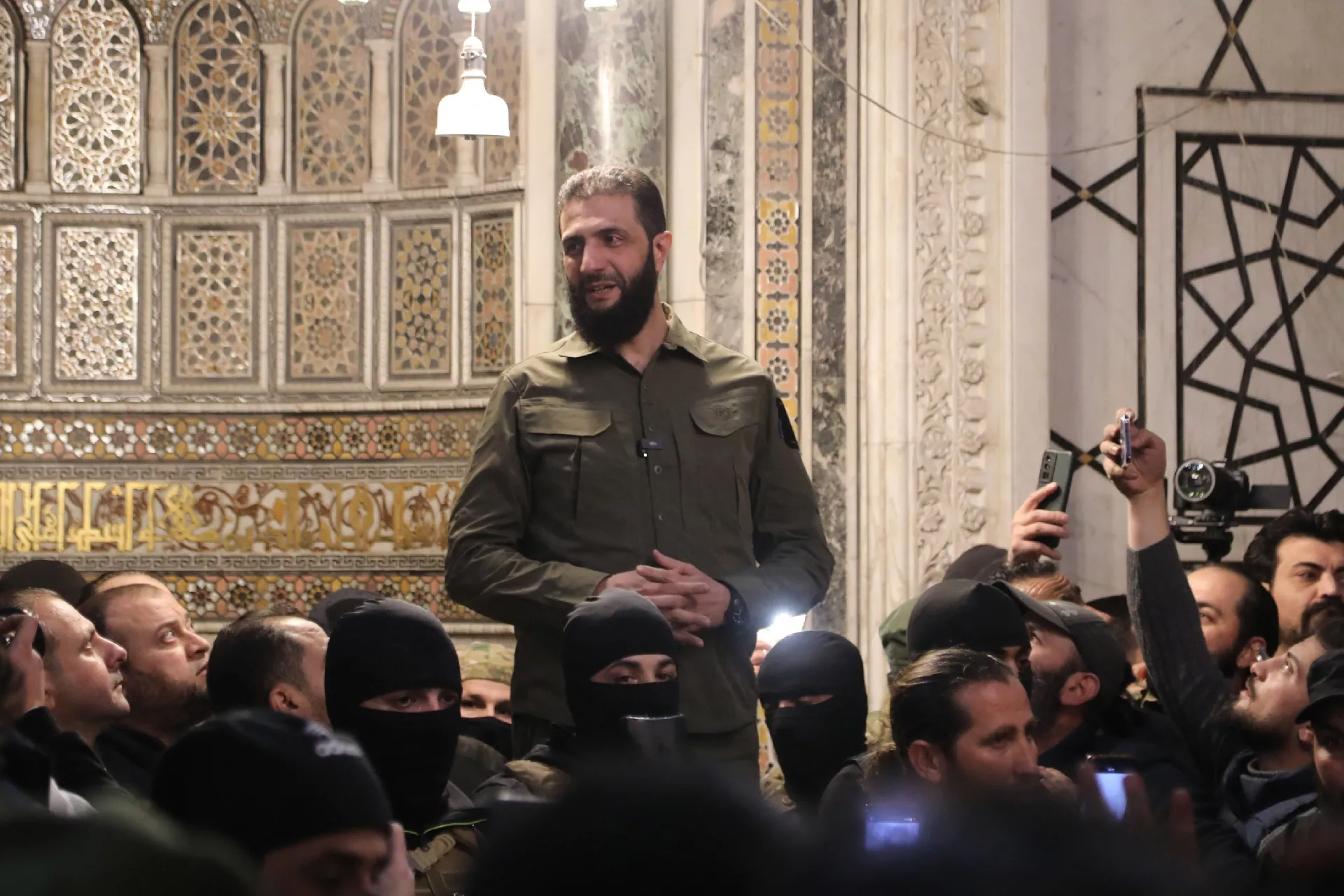
Ahmed al-Sharaa
Meeting in Riyadh
Donald Trump's trip to the Middle East (Saudi Arabia, Qatar, United Arab Emirates), from which he brings trillions of dollars in investments to the American economy, was marked by important meetings and messages to the actors in that part of the world. Trump did an excellent job for the United States, as he secured Arab investments and sold a lot of American weapons. In return, the Arabs did not get the opportunity to send at least humanitarian aid, water, and medicine to the Gaza Strip.
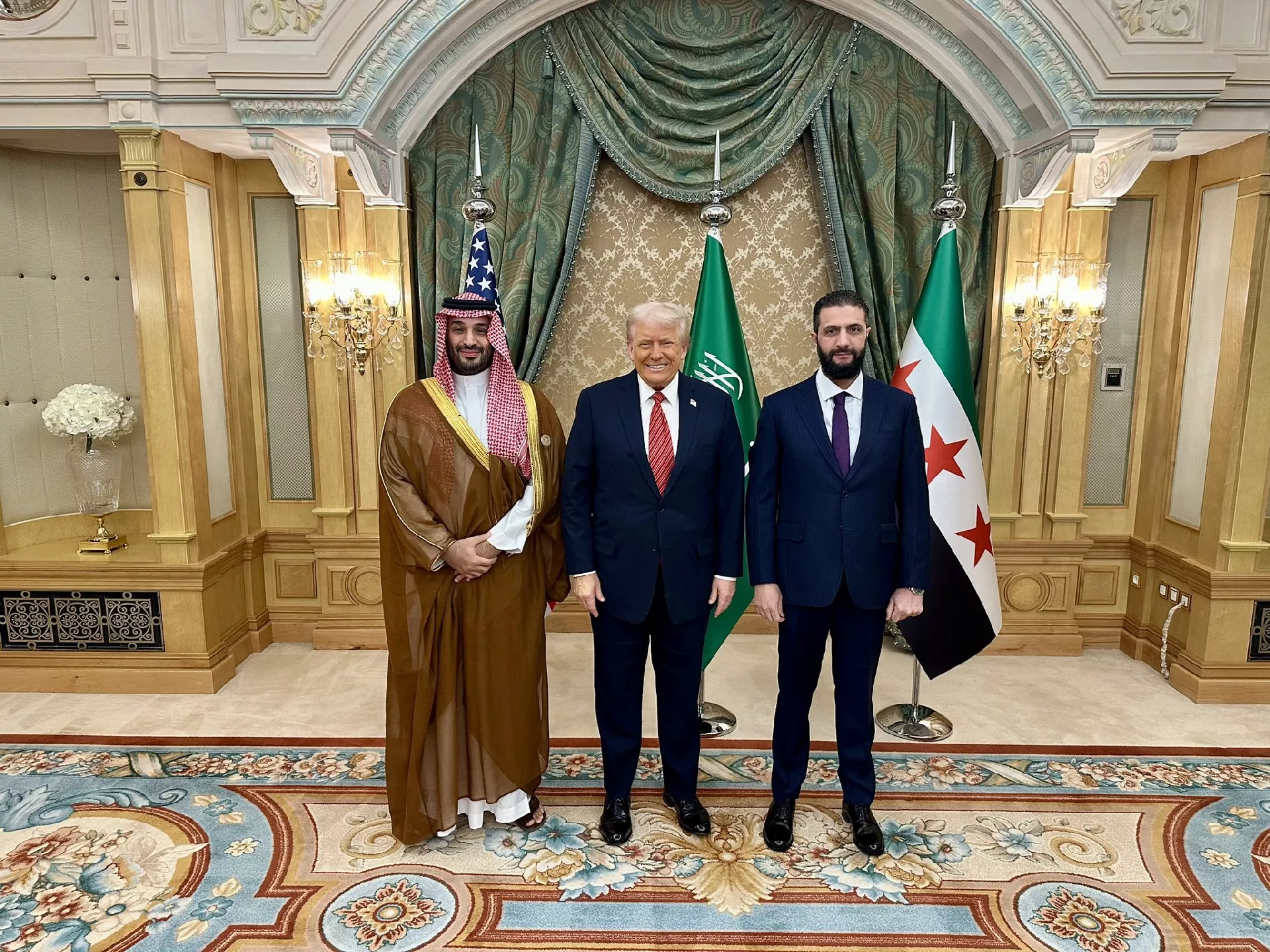
However, perhaps a bigger event than that was Trump's meeting with Al-Sharaa in Riyadh, at a meeting with Saudi Crown Prince Mohammed bin Salman (MBS). This is the first meeting between the President of Syria and the United States in a quarter of a century. The last one was reportedly in Geneva in 2000, when Hafez al-Assad and Bill Clinton met.
There would be nothing strange about a meeting between the US president and the president of another country if al-Sharaa, also known as Mohammed al-Golani, had not been an American enemy for twenty years and a member of the organization for which Washington destroyed Afghanistan and Iraq and hunted his comrades around the world. Now, for Trump, he is a "great" and "young, attractive, and strong man" with a "strong, very strong past".
Trump said that at the request of Turkish President Recep Tayyip Erdogan and MBS, he decided to lift sanctions on Syria, but did not specify when this would happen. Trump rightly noted that Syria cannot develop under sanctions, which were imposed on the regime of ousted President Bashar al-Assad, an ally of Russia and Iran.
Interests First
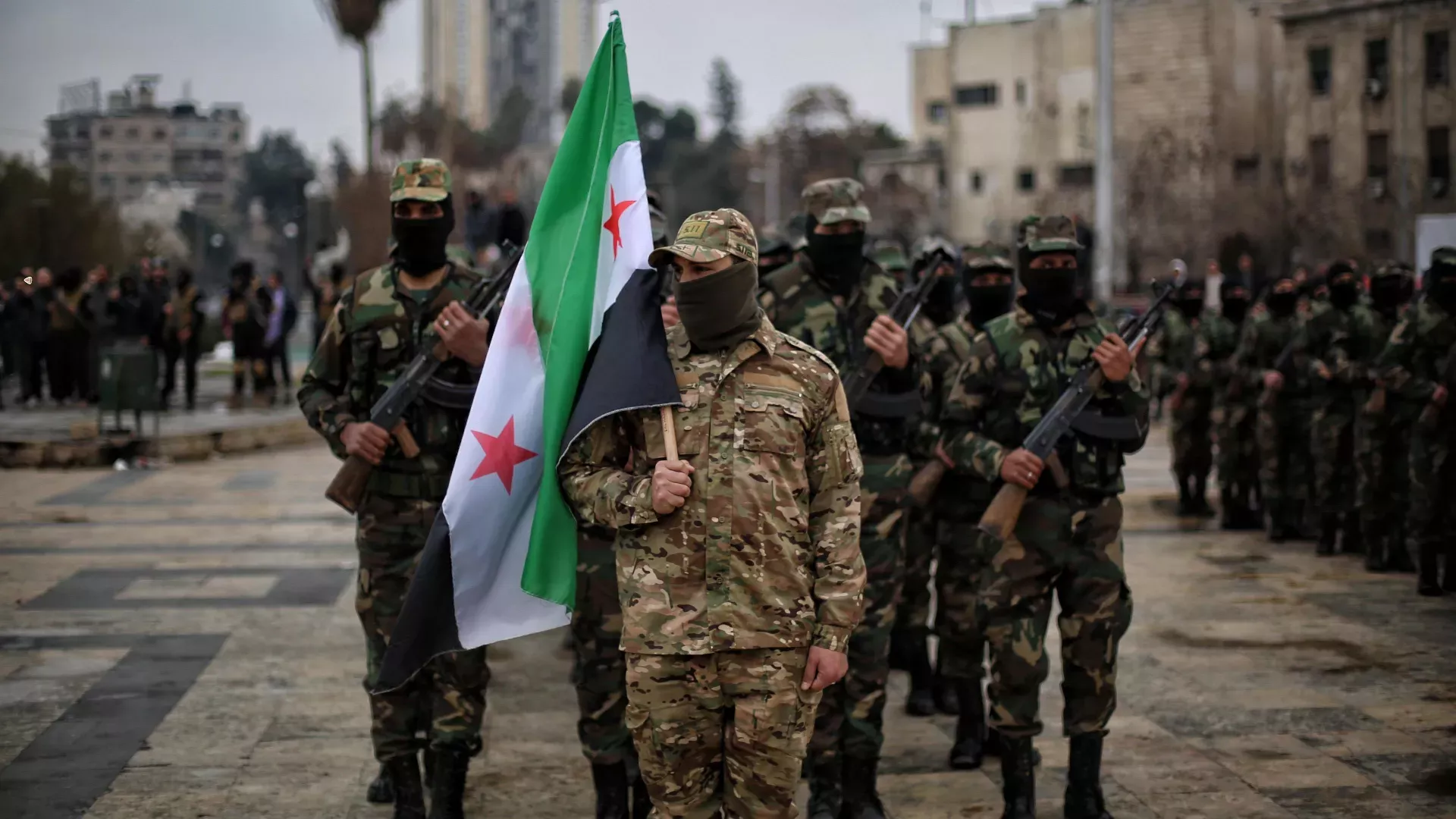
What al-Sharaa offered Trump is not known. What is known is that he has declaratively renounced Al-Qaeda's ideology, but that people who were members of that group are around him. The media reported that his justice minister, Shadi al-Waisi, appears as an observer in a 2015 video showing the execution of a woman accused of prostitution, or that his police minister, Anas Khattab, is a former member of Al-Qaeda.
The way ISIL and Al-Qaeda treated their opponents is well known around the world. Many in the Middle East have experienced it firsthand. For example, these days al-Sharaa canceled his trip to the Arab League summit in Iraq because the Shiites there were against it.
Al-Sharaa, on the other hand, has not forgotten the help that Iran and Iraqi and other Shiite militias provided to Assad's regime. Since coming to power, he has stated that he does not want conflicts, not even while the Israeli army occupies parts of Syria, but he sees pro-Iranian forces in the region as a problem. At the same time, Damascus has the opportunity to decide the fate of Russian military bases in Syria.
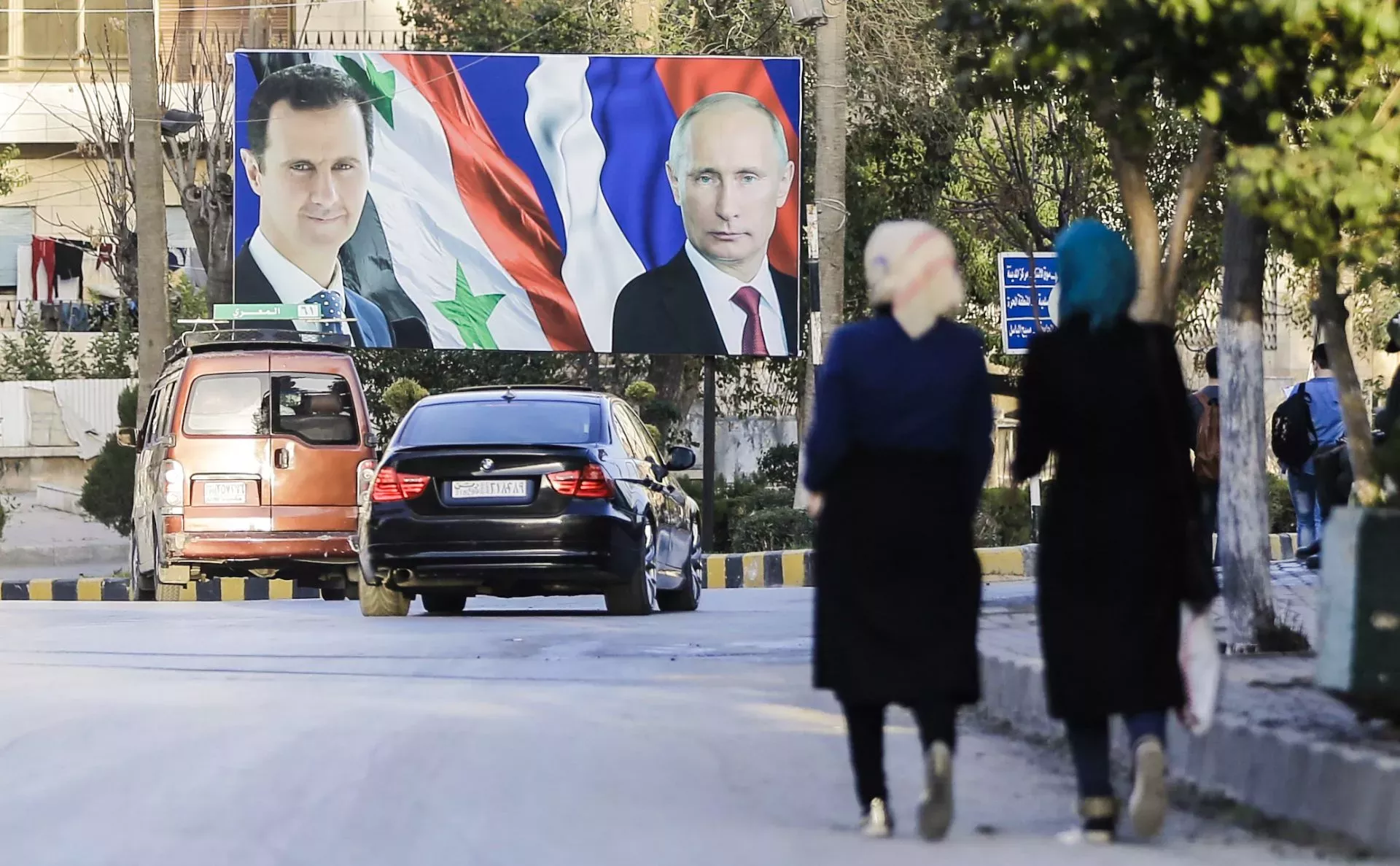
His stance towards Iran and Russia is sufficient for the West. For weeks, there have been talks that the new government in Damascus will recognize Israel under certain conditions. This was announced to the public at the end of April by American Republican Cory Mills, who met with the Syrian president at the time. Senator Mills is not the first Western official to visit Damascus. Representatives of Joseph Biden's administration and the foreign ministers of Germany and France, among others, did so before him.
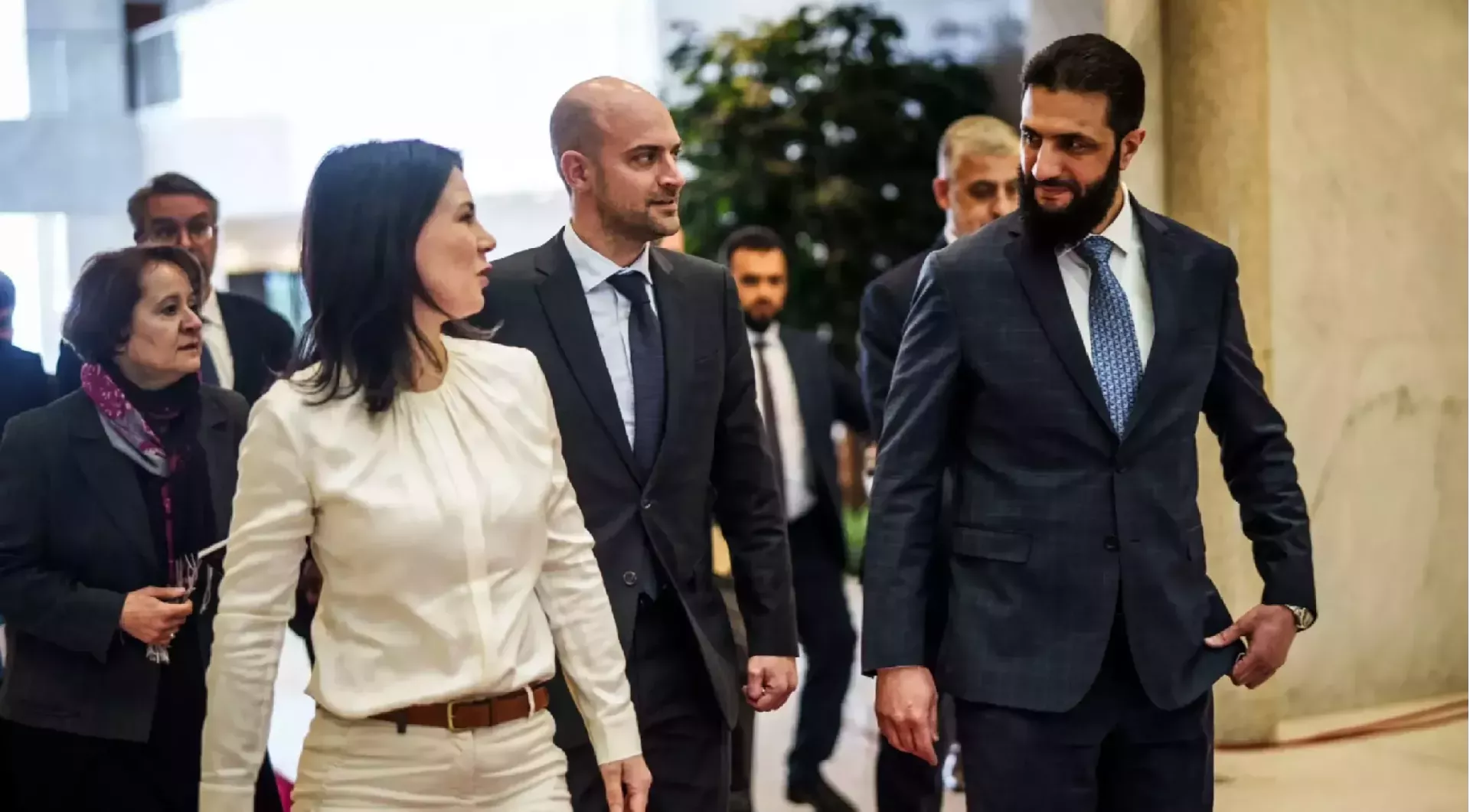
They expect the new Syrian authorities not to treat Israel as an enemy, to cut Iran's land connections with Lebanese Hezbollah, and to expel Palestinian groups from Syria. At the beginning of the month, Al Arabiya reported, the leader of the Popular Front for the Liberation of Palestine (PFLP) was arrested in Damascus, and earlier two officials from Islamic Jihad. Both groups are considered terrorist organizations by the US.
There are also energy projects. Namely, there are plans to transport energy resources from the Middle East to Europe, which wants to get rid of Russian energy resources. Syria is expected to be an important transit country, whether energy resources will be shipped from its ports or pipelines will reach Turkey through its territory.
Interests and Values
Trump's meeting with al-Sharaa was not heavily criticized by leading Western media. It seems more important that the new Syrian government could help deliver another blow to Moscow and Tehran and strengthen the West's regional allies.
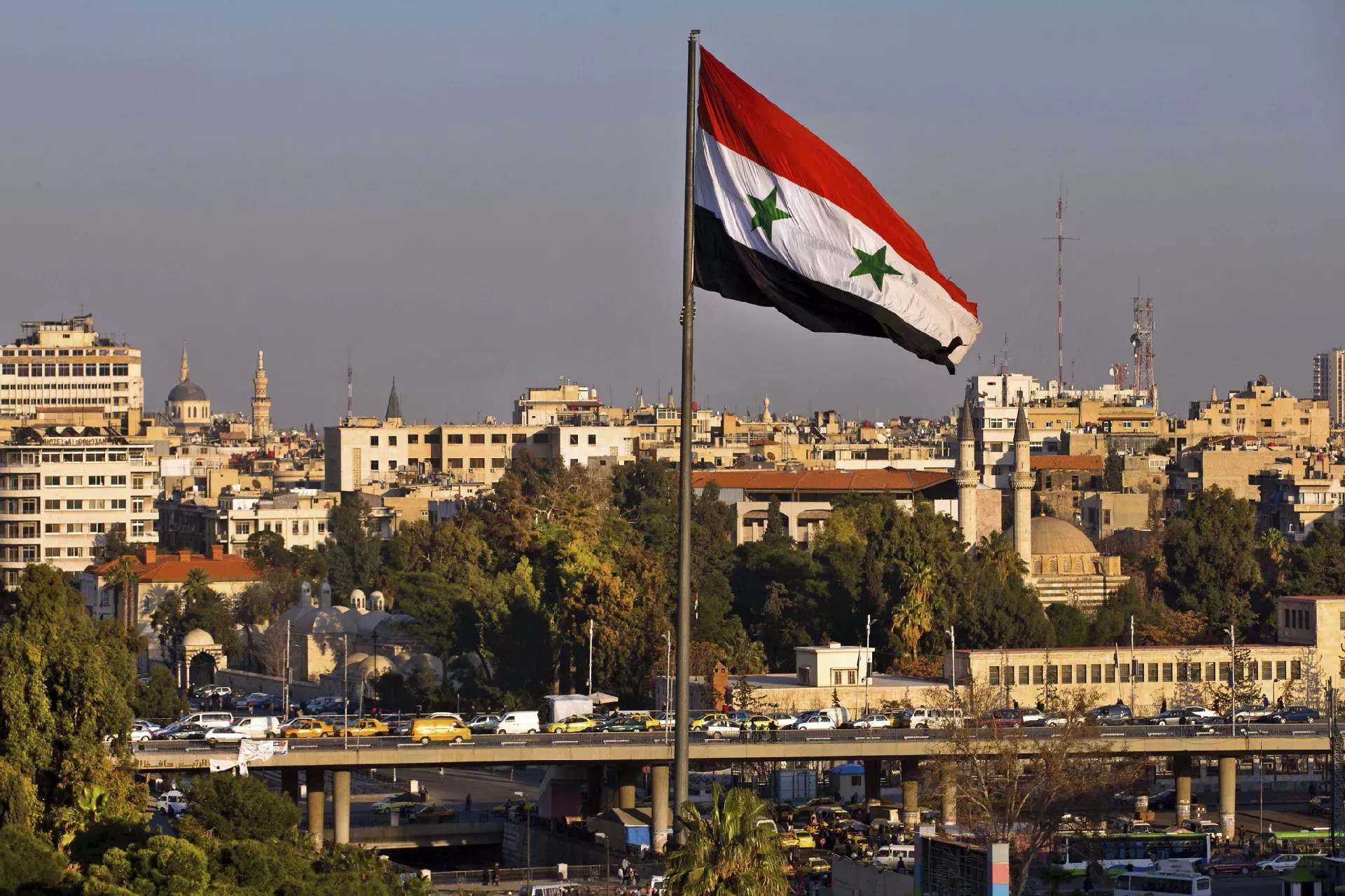
The meeting between Trump and al-Sharaa may have upset the victims of ISIL and Al-Qaeda, and those who felt the consequences of America's "fight against terrorism." Millions dead, destroyed countries, rivers of refugees and migrants, and numerous terrorist attacks worldwide, it seems, are not important if it serves the interests of great powers. The damage caused by these two organizations declared terrorist by the United Nations, and the damage caused in response to their actions, will never be precisely determined.
Trump decided not to deal with these issues and put interests above the values that his predecessors in the White House swore by. Realpolitik has once again pushed aside idealpolitik and forces everyone to ask themselves if there is a lower limit below which great powers will not go in achieving their goals. Ahmed al-Sharaa is the least important in this story, because just as he replaced Assad, another actor could replace him if the need arises and the opportunity arises.
Komentari (0)
Prijavite se za komentiranje
PrijavaJos nema komentara. Budite prvi!
Minuta
Sve →Iz drugih kategorija

High Representative Not Elected: Germans, French and British Against Americans, New Attempt at End of June

ČOVIĆ WITHOUT MERCY: How Those Who Brought Ademović to Office Created a Political Hell for Him



Sunny Saturday, quite warm



Tragedy in Albanian resort: Two minors drown












