
By Armin Sijamić
In just a few days, US President Donald Trump has made several moves that will be talked about for a long time. American enemies and friends served as a backdrop for an incredible Trump performance on topics that could change the future of the West, Europe, Ukraine, and Russia.
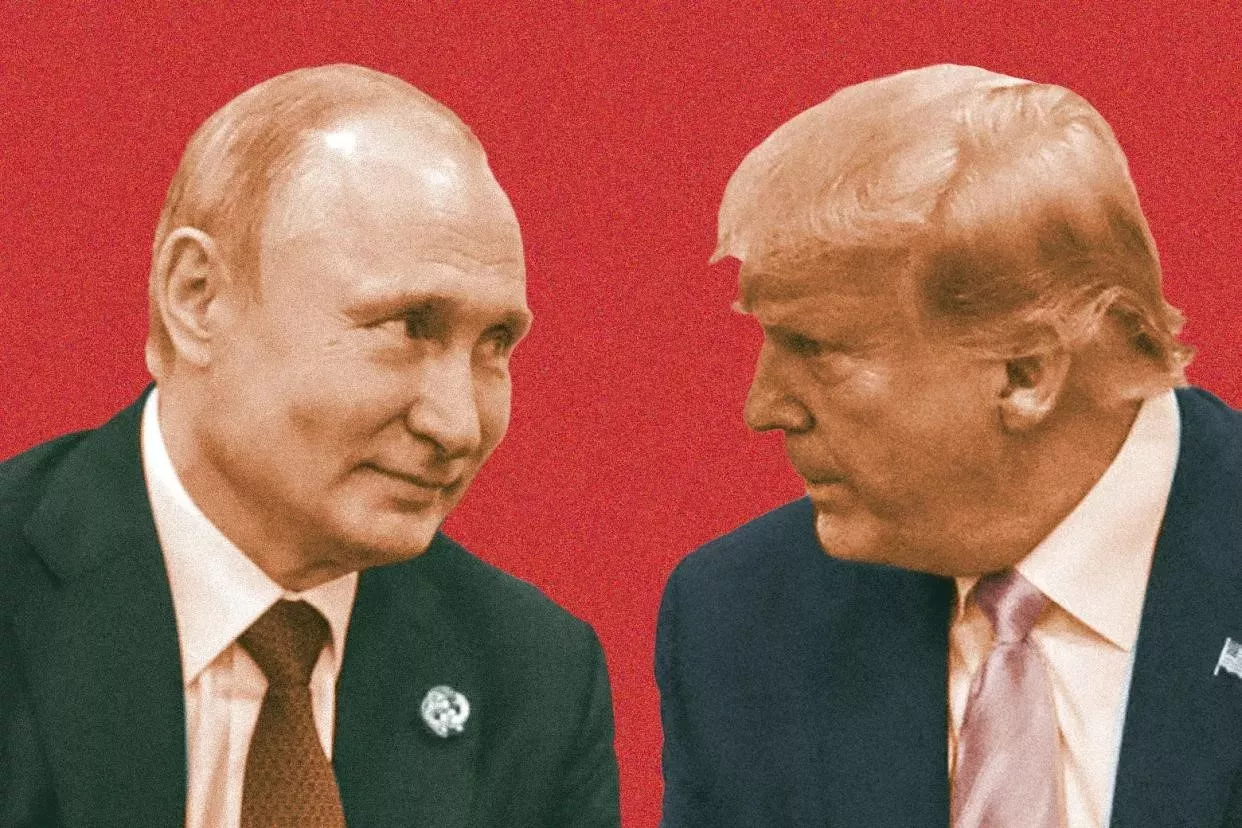
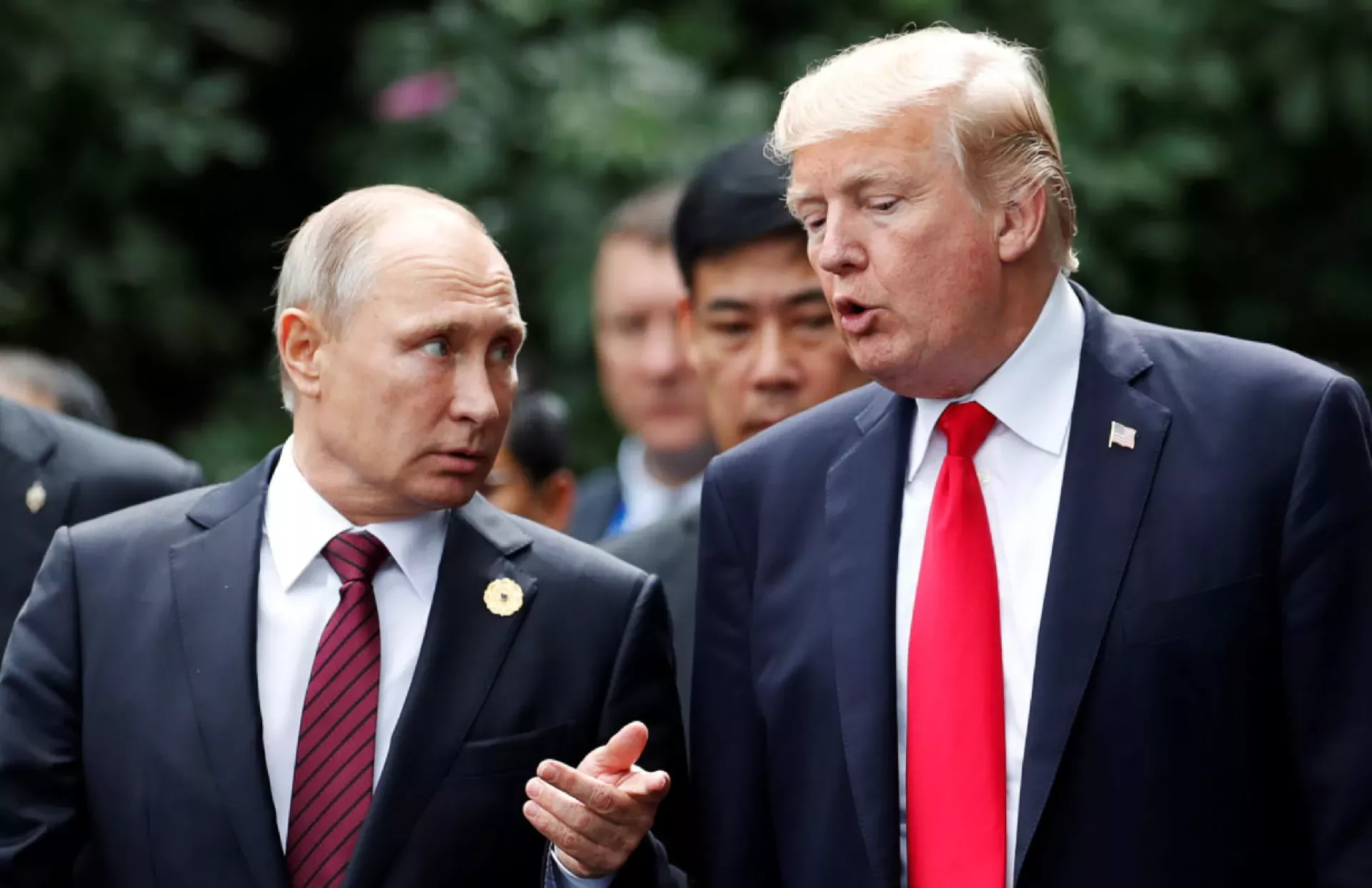
Last week's summit between US President Donald Trump and Russian President Vladimir Putin was special in many ways. The businessman and showman wanted to impress the long-time Russian ruler, so among other things, he received him in the US President's limousine, while top American fighter jets flew overhead.
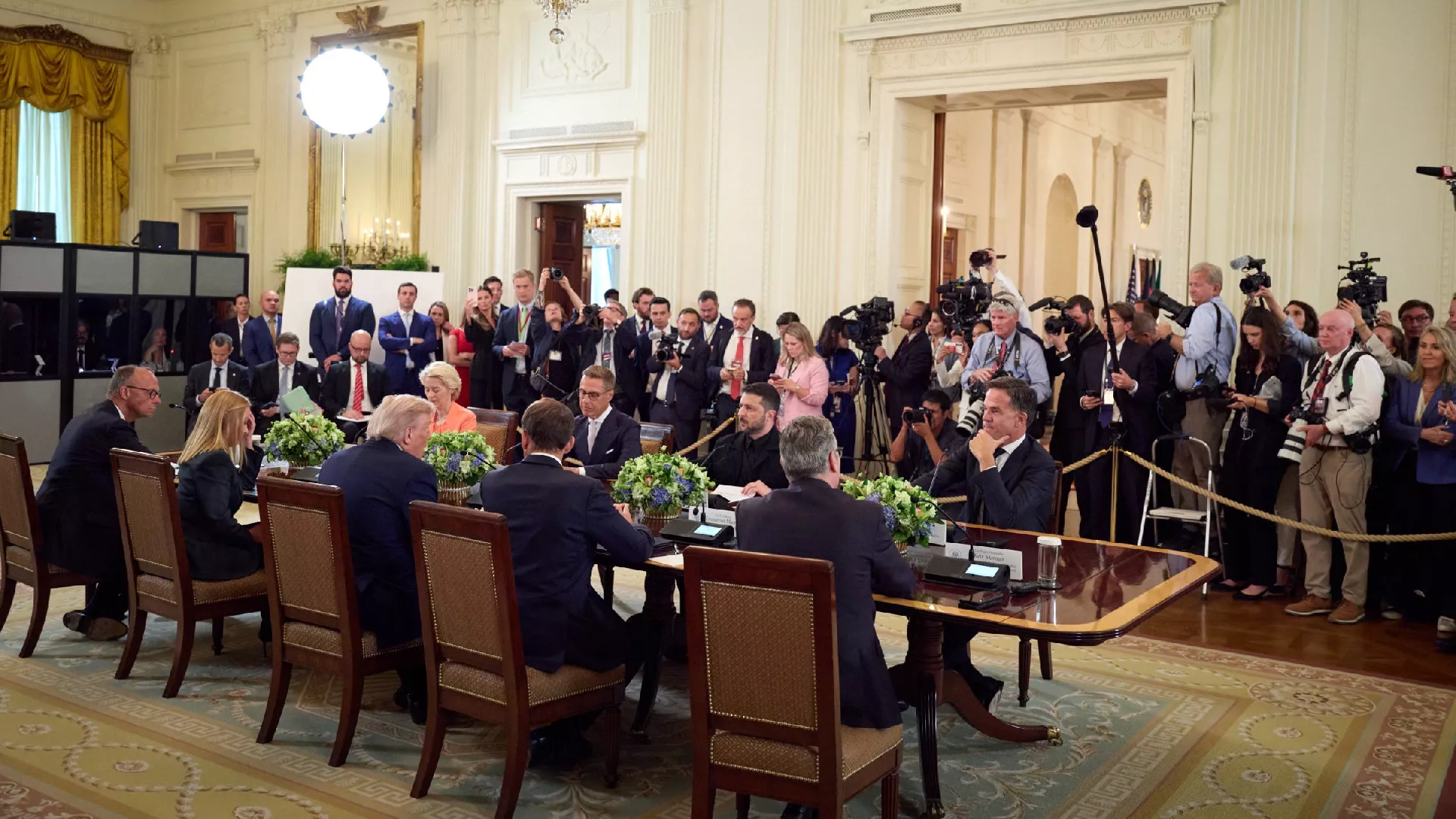
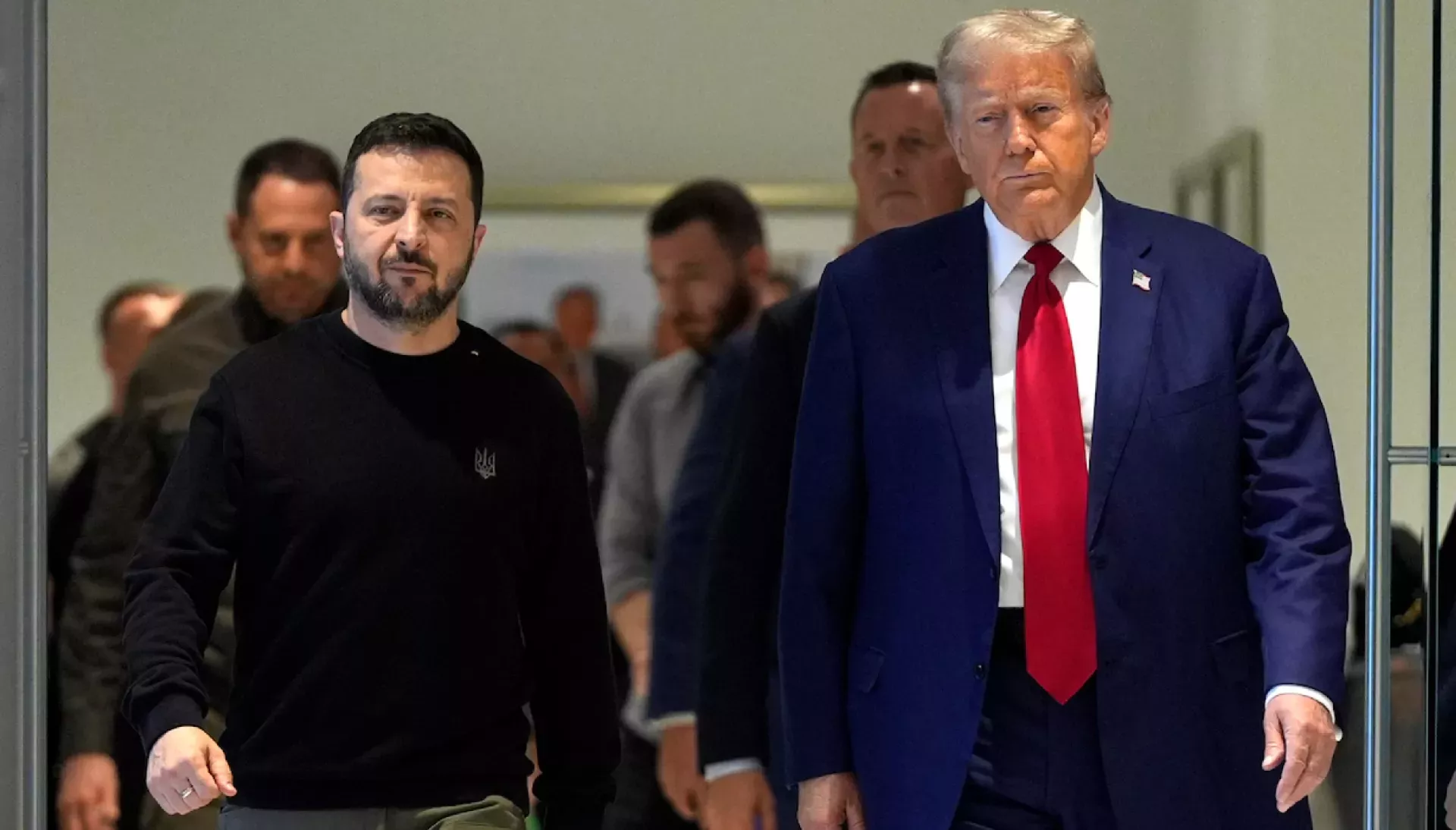
A few days later, Trump organized a meeting at the White House for allies (NATO Secretary General Mark Rutte, European Commission President Ursula von der Leyen, British Prime Minister Keir Starmer, French President Emmanuel Macron, German Chancellor Friedrich Merz, Italian Prime Minister Giorgia Meloni, Finnish President Alexander Stubb, and Ukrainian President Volodymyr Zelensky), and he conducted its opening part in front of the cameras.
In his style, combining sometimes nonsensical praise and strange remarks, Trump turned the negotiations on Ukraine's future into another episode where he presents himself as all-powerful, while some of his guests show a kind of unease on their faces. Then, according to reports, he interrupted the closed part of the meeting to have a phone conversation with Putin, whom his guests see as an enemy.
Ending the War
Trump's performance in Alaska and Washington partly resembles what US diplomat Richard Holbrooke did, who, with his so-called "shuttle diplomacy," brought Belgrade, Zagreb, Sarajevo, and relevant parties closer to ending the war in the former Yugoslavia. His book, aptly titled "To End a War," later described this effort, and the result was the Dayton Agreement (General Framework Agreement for Peace in Bosnia and Herzegovina), which he would later say was conceived as a temporary solution to stop the killing.
Bosnia and Herzegovina has not yet recovered from the consequences of Holbrooke's search for legal and political solutions that exist nowhere else in the world, and at the end of the twentieth century. The ethnic decision-making system embedded in the Constitution has been a threat to regional peace for thirty years, despite guarantees from major powers that this would not happen. Let us recall that in March last year, speaking about Banja Luka's relationship with Sarajevo and the West, US Deputy Assistant Secretary of State Gabriel Escobar said that he "does not think that an impoverished entity of 750,000 people, which is constantly increasing its debt, has the capacity to oppose NATO or to declare independence that would be sustainable," and that this has been a topic for thirty years and the fundamental reason why the country and the region have been on the brink of a new conflict for so long.
In the part of the meeting that the public could see, Trump's guests asked for guarantees for Ukraine that Russia would not attack again. Previous guarantees given to Kyiv have already been violated twice, as Russia first annexed Crimea and now wants about twenty percent of Ukrainian territory. Before Zelensky came to Washington, Trump wrote on his social network Truth Social that Kyiv would not regain Kyiv and that Ukraine would not join NATO, and that it was up to the president to choose whether he wanted war or peace.
In other words, European allies asked for Ukraine to be given what was promised, such as NATO membership and territorial integrity, and President Trump seems to have decided that this no longer applies, even though his predecessor Joseph Biden was the leader of that policy.
Various Scenarios
What was agreed upon at the meeting is not known to the public, although it seems like everything is known about it. For days, American media, and then European media, wrote about alleged proposals from Washington, Moscow, and Kyiv on how to establish peace, only to eventually write about European demands that were already known.
In summary, Russia offers territorial exchange for peace, an end to Kyiv's NATO path, and the lifting of at least some Western sanctions. Washington and European countries offer Kyiv guarantees that Russia will not attack them again, and in return, their companies will receive Ukrainian resources and arm the Ukrainian army. Kyiv allegedly agrees to various scenarios, such as the Cypriot or Korean model, because Zelensky is not ready to give up part of the territory as his Ukrainian constitution forbids it.
What has been agreed upon from all of this and what is feasible will be shown by time. Such demands, assuming they are true, are mutually exclusive unless the negotiators have a formula to convince people to see only what they want.
After the meeting at the White House, Starmer said he believed a "sense of unity" had been achieved and that two key conclusions had been reached. The first is that a "coalition of the willing," comprising 31 countries, will help Ukraine and work with the United States on security guarantees. The second is an agreement to hold a bilateral meeting between Putin and Zelensky, followed by a trilateral meeting that will include Trump. These two meetings will discuss territories and other issues.
Zelensky assessed that this was his best meeting with the current US president and that he "had the opportunity to show Trump the battlefield map and explain to him who controls what." He said he was ready for a meeting with Putin and that security guarantees for Ukraine would be considered in the next ten days. Merz said it was agreed that a meeting between Zelensky and Putin would be held in two weeks. Trump said he was working with Putin to organize his meeting with Zelensky and then the two of them with him.
What the actual agreement is and whether it is possible as announced is not yet known to the public. But what is certain is that the summit in Alaska was not solely related to Ukraine. This is confirmed by the composition of the two delegations. In addition to the Secretary of State and the Minister of Defense, Trump also brought the Ministers of Economy and Finance to the meeting, and Putin, in addition to the economist heading the Ministry of Defense, the Minister of Finance, and the head of the Russian sovereign fund managing assets worth 130 billion dollars.
Whether the war in Ukraine will end, and when and how, will perhaps become clear very soon. However, it remains an undeniable fact that both Russia and Ukraine are tired of the war, that soldiers are lacking on both sides, that the destruction of these countries is increasing, and that the costs are rising. Moscow's plan to leave Ukraine without soldiers and Kyiv's plan to leave Russia without the money needed to wage war have so far failed, and both sides hope to get at least part of what they wanted at the negotiating table after the start of Russian aggression.
Komentari (0)
Prijavite se za komentiranje
PrijavaJos nema komentara. Budite prvi!
Minuta
Sve →Iz drugih kategorija

High Representative Not Elected: Germans, French and British Sabotaged Americans, New Attempt at End of June

ČOVIĆ WITHOUT MERCY: How Those Who Brought Ademović to Office Created a Political Hell for Him



Sunny Saturday, quite warm



Tragedy in Albanian resort: Two minors drown












