
By Armin Sijamić
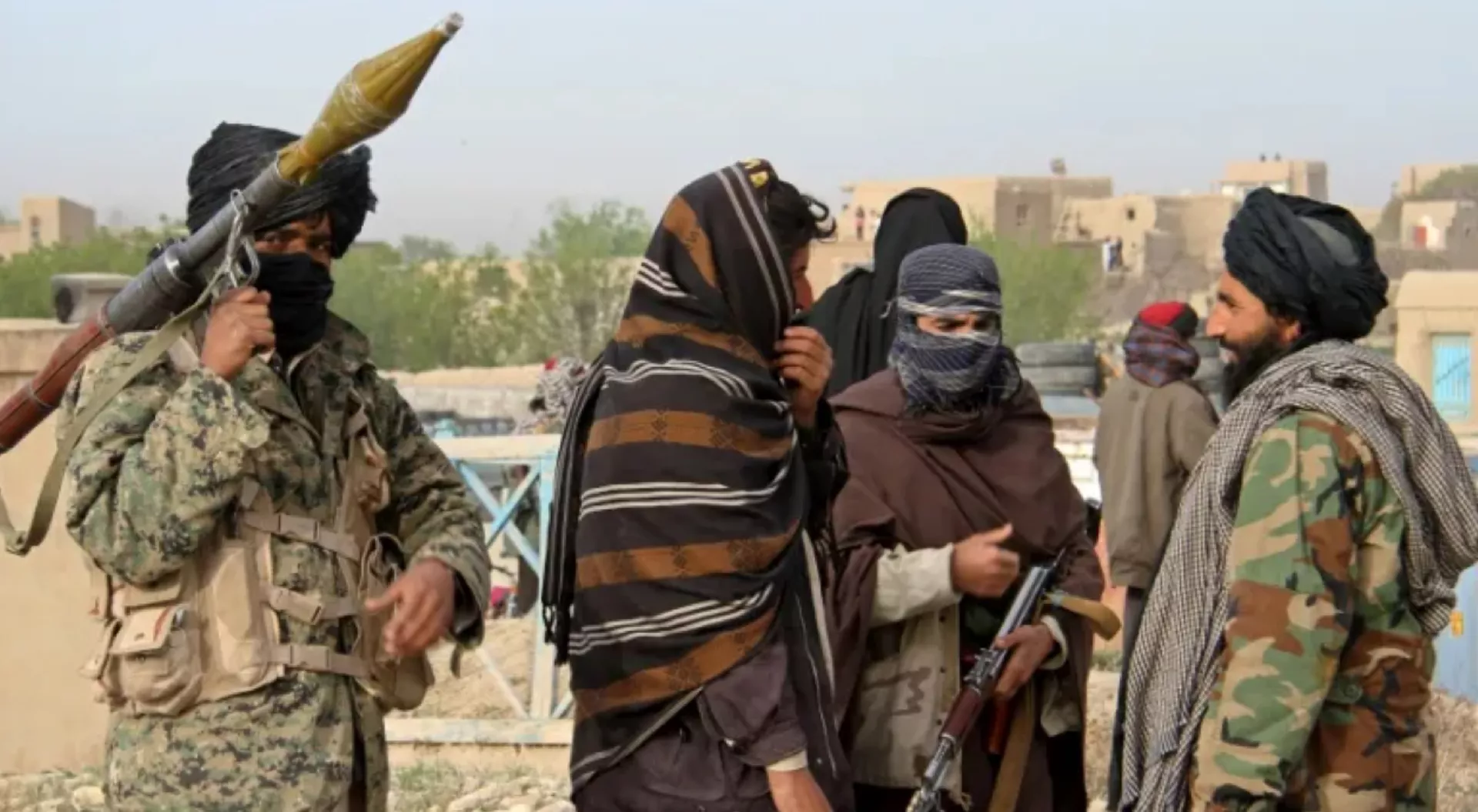
In August 2021, the American army left Afghanistan, and the Taliban entered Kabul. A new war in that part of the world was in the air. But, instead of weapons, Russia and China chose diplomacy.
The information that Moscow recognized the government of the Taliban movement at the beginning of this month, against which it waged war and considered it a terrorist organization, would probably have been the news of the day worldwide if, some time earlier, the West had not brought Ahmed al-Sharaa, a former ISIL and al-Qaeda member, to power in Syria and later lifted sanctions against him.
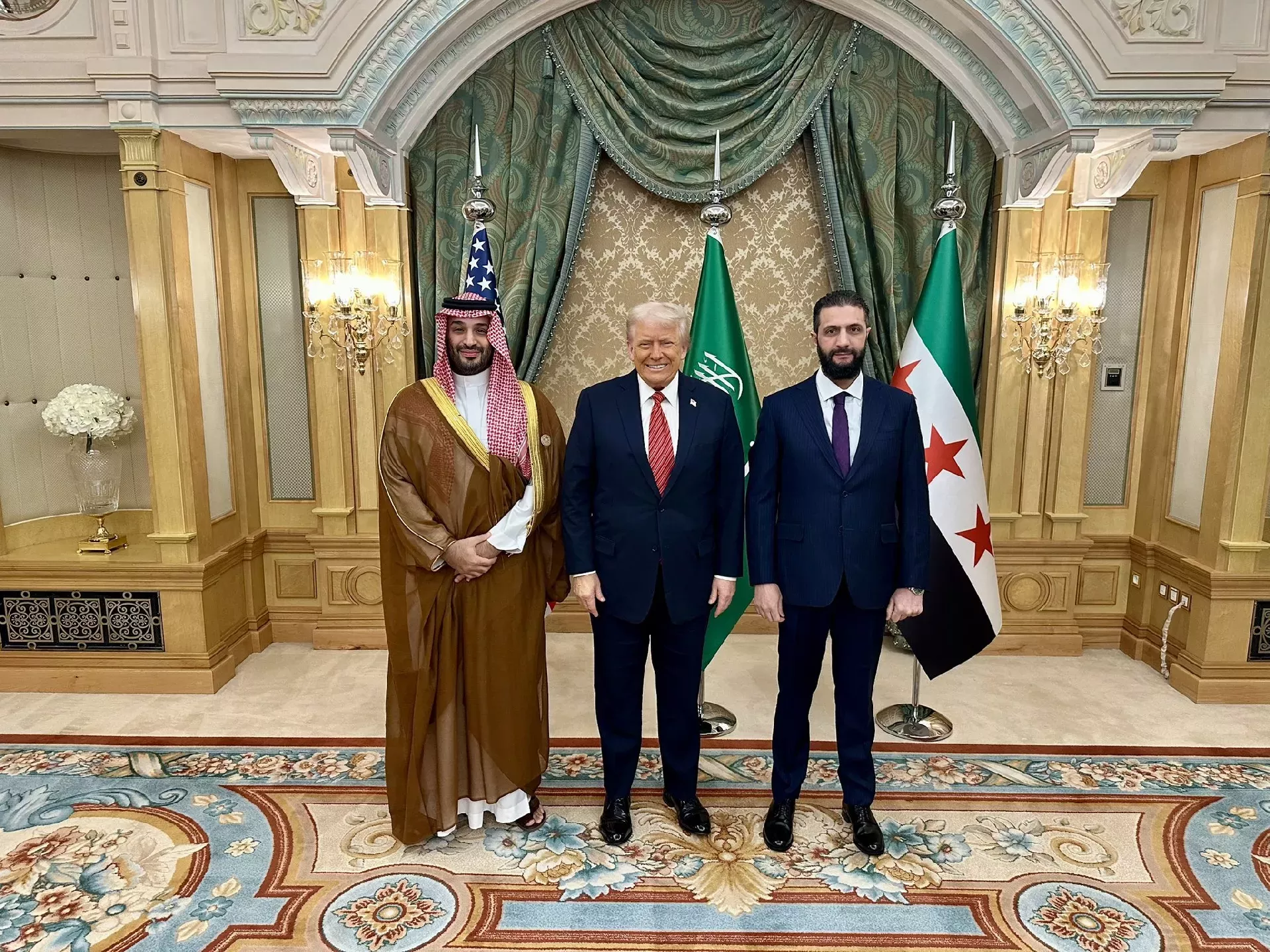
Therefore, there was no outrage over Russian President Vladimir Putin rehabilitating a terrorist movement, but merely a statement that Russia became the first country to recognize the Taliban government, i.e., the government of the Islamic Emirate of Afghanistan - as the official name of the state is.
Americans Leave, Russians and Chinese Enter
The rapprochement between Russia and the Taliban began earlier, while the Americans were still leaving Afghanistan and while Bashar al-Assad, a protégé of Moscow then and now, ruled in Damascus.
The American withdrawal, although it seemed chaotic, was calculated not only because the army was tired of a war it could not win. The Afghans paid the price for that withdrawal. The Taliban did not interfere with the transport planes taking away everything they wanted. Presidential candidate Donald Trump said it was a disaster and that equipment worth billions of dollars was left to the Taliban.
Then-US President Joseph Biden, implementing a previously established policy that Trump also pursued in the previous term, knew what he was doing and what the possible consequences were by withdrawing the army. Namely, for decades, the American army had waged wars in Russia's and China's backyards, taking on the burden of suppressing various armed groups. Washington assessed that it was time for others to deal with this issue, especially their enemies, hoping that they would fall into a trap.
The stability of that part of the world is of interest to Russia, China, Iran, India, Pakistan, and the Central Asian countries, and the use of local resources is possible only if there is peace. However, the Taliban did not remain idle and waged war against the American and Russian armies for several decades.
How rich Afghanistan is is shown by an American diplomatic note published by The New York Times in 2010. It is a "Saudi Arabia for lithium," they stated. There are also reserves of oil and natural gas, minerals, precious stones, gold, marble... By 2010, American researchers had found mineral deposits worth a trillion dollars, and some claim the reserves are up to three times larger. In many parts of the country, no research has been conducted.
The importance of Afghanistan for geopolitical processes in Asia does not end there. This country borders Iran and China, as well as Central Asia via Turkmenistan, Uzbekistan, and Tajikistan, which is Russia's backyard. Then, Afghanistan also borders Pakistan and disputed Kashmir.
If American presence in Afghanistan had gone according to plan, it would have been a geopolitical disaster for Russia and China, not just because of resources. Central Asia is an area of utmost importance for Russia, for its security and influence on the rest of Asia. Ethnic conflicts could ignite that area. In China's case, the border area with Afghanistan, along the "Wakhan Corridor," is the antechamber to China's Xinjiang province – the starting point of the "Belt and Road."
Therefore, it suited Russia and China that American forces controlled the region, but did not dominate it. Moscow and Beijing feared the spillover of conflicts from Afghanistan. China was particularly concerned about the Uyghurs, the Muslim people inhabiting Xinjiang province, in case the Taliban decided to help their brethren across the border.
Diplomacy, Not Force
To prevent unrest in the region after the withdrawal of the American army, Russia decided to turn a new page in relations with the Taliban, who militarily defeated the USSR and accelerated its economic and political collapse. Russia extended a hand to the Taliban, and they accepted it with pleasure.
Russia was one of the few countries that did not close its embassy in Kabul in 2021, and the following year it signed an agreement with the Taliban for the supply of oil, natural gas, and wheat, despite the Taliban being declared a terrorist organization in Russia since 2003.
To raise cooperation to a higher level, Moscow appointed a special envoy for Afghanistan, Zamir Kabulov, who served in Kabul forty years ago as a Soviet diplomat and as Russian ambassador from 2005 to 2009. Kabulov has advocated for relations with the Taliban for decades and maintained contact with them even when they were banned in Russia. The fact that Putin chose him as his envoy for Afghanistan speaks volumes about the importance of the mission for Russia.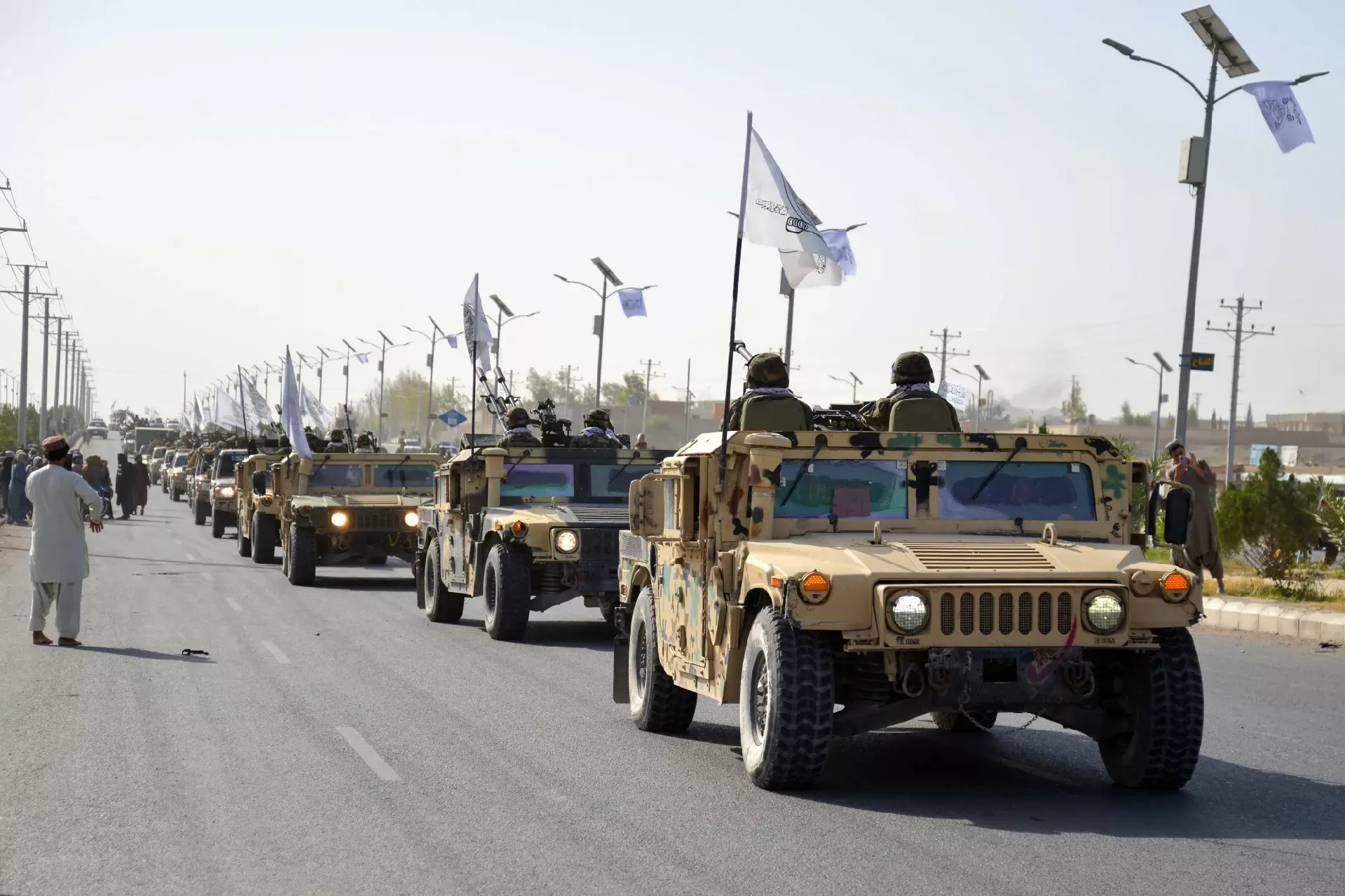
In the West, the rapprochement between Moscow and the Taliban was interpreted as Putin's intention to reduce Russia's isolation after the aggression against Ukraine. Last June, Russia invited the Taliban to the economic forum in St. Petersburg. But, as early as 2022, Russia was the first country to sign an international economic agreement with the Taliban, supplying Afghanistan with oil, gas, and wheat.
In April, the head of Russia's Foreign Intelligence Service (SVR), Sergey Naryshkin, spoke about Western intelligence agencies "looking for a way" to help a rebellion against the Taliban and cause instability in Afghanistan. He positively assessed the "activities of the current Afghan authorities in state-building" and expressed confidence in the "inevitability of the prospect of their international recognition," adding that the "West's desire to maintain instability in Afghanistan to advance its own geopolitical interests" is a recipe from Syria, Iraq, and Africa.
That Naryshkin was not speaking by chance became apparent very quickly – Russia removed the Taliban from its list of terrorists in the same month. Three months later, Russia recognized the Taliban government, becoming the first country to do so, although many have relations with the authorities in Kabul, such as China, Iran, India, Qatar, Pakistan... The first Taliban government, from 1996 to 2001, was recognized only by Saudi Arabia, the United Arab Emirates, and Pakistan.
Against Washington and with China's Support
Moscow has thus completed a full circle in its relations with the Taliban. After they fought in Afghanistan, the authorities in Kabul recognized Chechnya as an independent state and were the only ones to do so, while in 2025, Moscow recognized the Taliban as a friendly government with whom they have various plans.
Some of these Russian plans have strategic dimensions, such as expelling American influence from Afghanistan and Central Asia. Then, supporting the Taliban in dealing with ISIL and all other groups, stopping the influence of third countries, combating illegal arms and drug trafficking, and various economic projects. Finally, building a gas pipeline from Russia to Southeast Asia, which has been discussed for a long time and which the Taliban have accepted, as it will bring significant financial resources.
Integrating the Taliban into regional flows also suits China, which has started various projects in Afghanistan, such as oil extraction in the Amu Darya river basin since 2023. Besides resources, Afghanistan is important to China as a land connection to Pakistan and Iran, which would allow Beijing to avoid sea routes dominated by Washington and the encirclement of rival India.
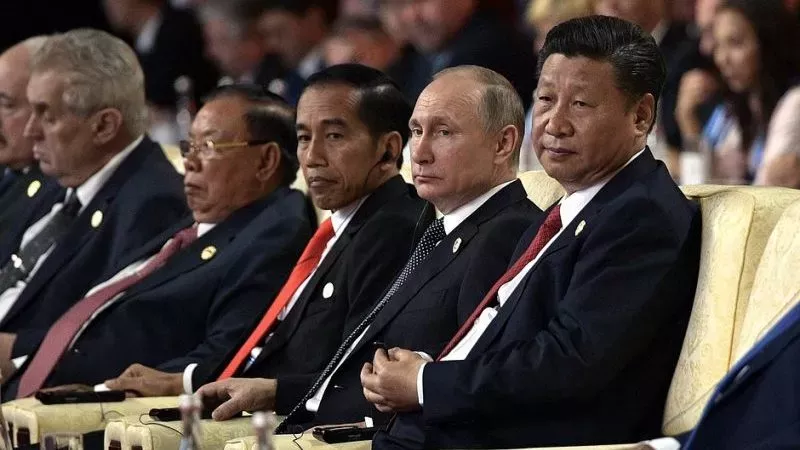
Therefore, Moscow's plan is simple. The Taliban must be appeased and integrated into regional frameworks, formally and informally, which will prevent the influence of countries that Russia and China see as enemies.
The end of the war in this part of the world is desired by other countries as well as the Taliban. The generation that now leads the Taliban movement has been at war for decades. Their messages upon entering Kabul were in the spirit of cooperation with everyone, provided they did not interfere in their politics. Russia wants to exploit this fact, aware of who the Taliban are and what values they stand for, and that the West has closed the door to cooperation with them because of this. After all, when Moscow tried to force the Taliban to submit to them, it was severely defeated.
Komentari (0)
Prijavite se za komentiranje
PrijavaJos nema komentara. Budite prvi!
Minuta
Sve →Iz drugih kategorija

High Representative Not Elected: Germans, French and British Against Americans, New Attempt at End of June

ČOVIĆ WITHOUT MERCY: How Those Who Brought Ademović to Office Created a Political Hell for Him



Sunny Saturday, quite warm



Tragedy in Albanian resort: Two minors drown












