
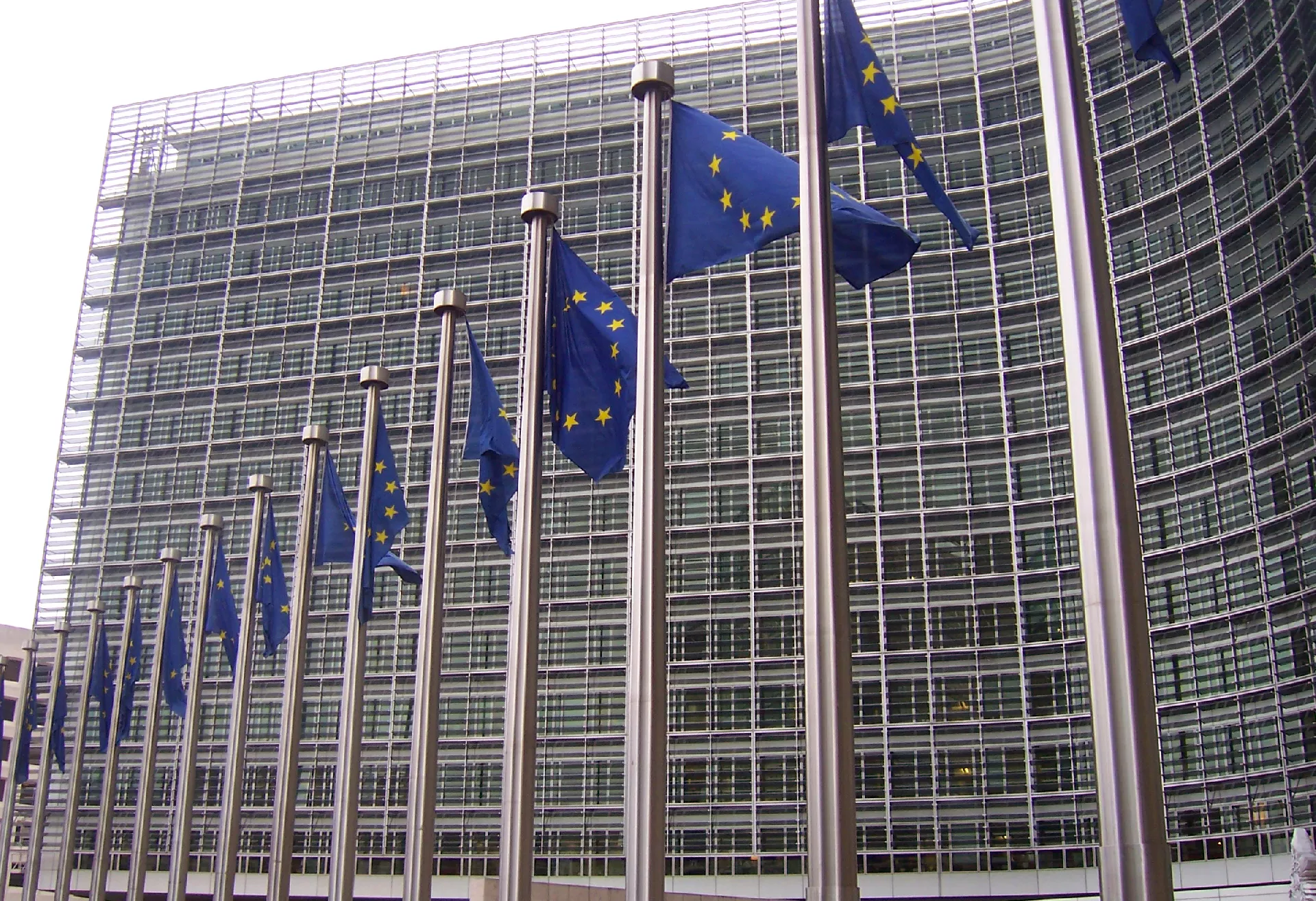
The war in Iran is beginning to spill over into the wallets of European consumers, and European Central Bank officials and EU leaders are facing difficult decisions after new data showed a worrying rise in prices. Inflation in the eurozone in March jumped to its highest level in over a year, driven by a sharp increase in fuel prices, a direct consequence of the conflict that has blocked a key global shipping route, writes Politico.
The new data highlight the dilemma facing ECB President Christine Lagarde and her colleagues. Higher inflation could necessitate raising interest rates, but such a move would further exacerbate the economic problems caused by higher energy costs.
Governments across Europe are facing a parallel dilemma, where energy prices have already reached an extremely high level. Few countries can afford the generous subsidies that were distributed in 2022, when energy prices last saw a sharp increase.
According to data released today by Eurostat, the EU's statistical office, consumer prices in March rose by 1.2 percent month-on-month and 2.5 percent compared to the same month last year. This is a significant acceleration from 1.9 percent in February and a sharp reversal from last year's trend, when inflation hovered near the ECB's target level of 2 percent.
The overall increase is a consequence of the surge in energy prices, showing how quickly fuel retailers have passed on the rise in global oil prices to end consumers. On the other hand, core inflation, which excludes volatile energy and food prices, recorded a slight slowdown.
Berenberg Bank analyst Felix Schmidt estimates that inflation will peak above 3 percent in the coming months, and could rise "significantly above 4 percent" if the conflict escalates further. Namely, the longer the war lasts, the more likely it is that the surge in oil and gas prices will affect the prices of all other goods and services.
ECB officials have stressed that they will not rush to raise interest rates in response to so-called "supply-side shocks" over which they have no control.
The ECB's Governing Council, which makes key decisions, next meets on April 30.
Most analysts expect the key deposit facility rate to remain at its current level of 2 percent, where it has been since June last year. However, if there is no quick resolution to the conflict, the Bank is expected to tighten monetary policy at least once by the end of the year.
Komentari (0)
Prijavite se za komentiranje
PrijavaJos nema komentara. Budite prvi!
Minuta
Sve →Iz drugih kategorija

High Representative Not Elected: Germans, French and British Against Americans, New Attempt at End of June

ČOVIĆ WITHOUT MERCY: How Those Who Brought Ademović to Office Created a Political Hell for Him



Sunny Saturday, quite warm



Tragedy in Albanian resort: Two minors drown












