
By: Armin Sijamić
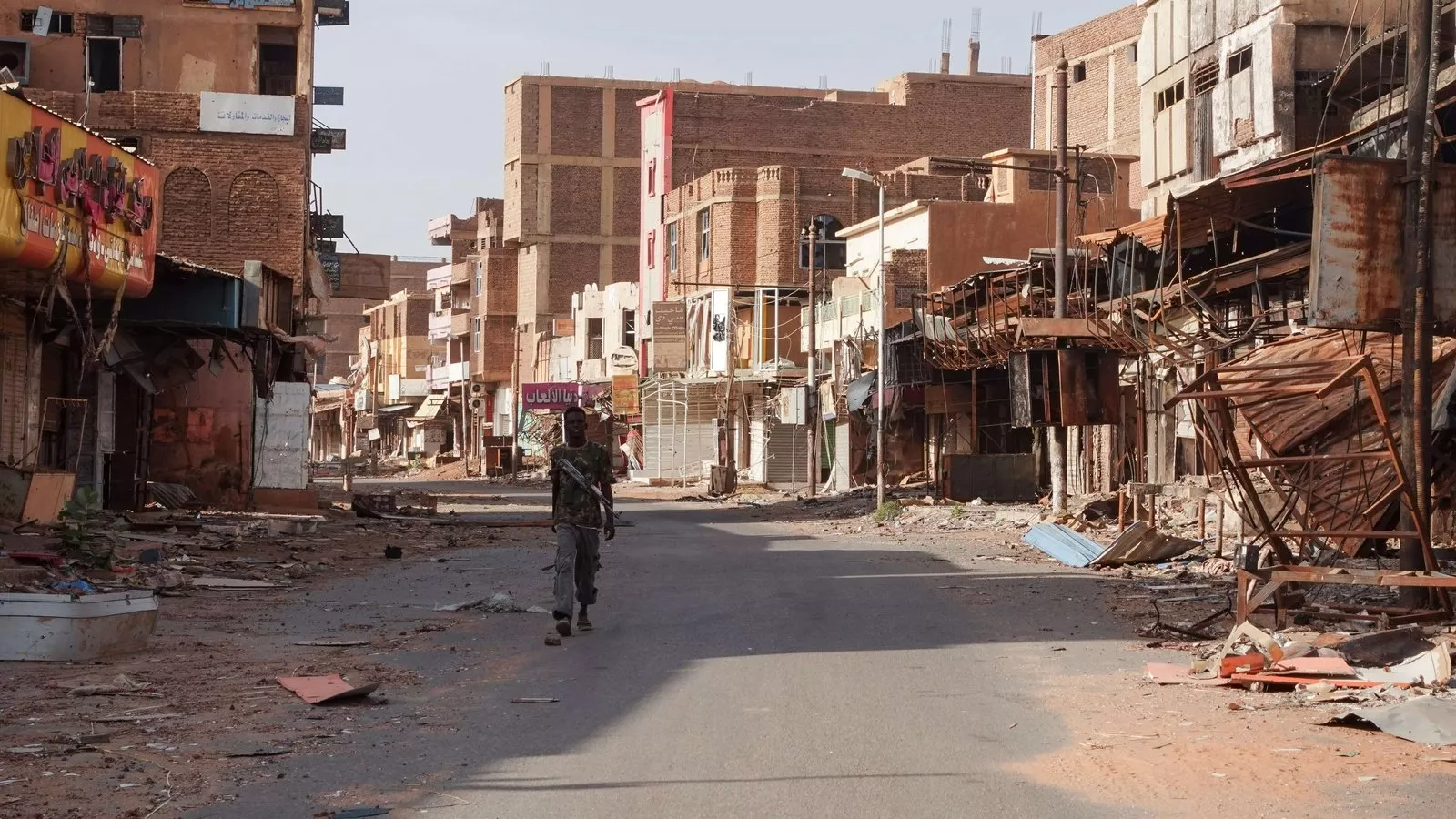
For the past ten days, media worldwide have been reporting on the massacre in the Sudanese city of Al-Fashir, the capital of the Sudanese state of North Darfur. This is another dark episode in the Sudanese wars that have been ongoing for decades, in which regional and global powers are deeply involved.
Few countries have such a history of wars as Sudan. Since gaining independence in 1956, or since the formal end of Anglo-Egyptian rule, wars have been ongoing in Sudan, with shorter or longer interruptions, which have claimed millions of lives. No one knows the exact number of those killed; there are only estimates measured in millions, with researchers and international organizations cautioning that the number is not final.
Proof of instability in Sudan is also a record associated with the country – the most (un)successful military coups in the world since 1956. What can be considered a military coup in Sudan is also debated, with figures ranging from 19 to 40 attempts at violent overthrow of power.
In the shadow of the war in the Gaza Strip and across the Middle East, a new round of clashes is taking place in Sudan. Since April 2023, according to estimates – as there are no official figures – up to 150,000 people have been killed. That is when the clash began between the Sudanese army and the Rapid Support Forces (RSF), which were both a rival and part of the state structure, and which are accused of the massacre in Al-Fashir. Some media outlets report that the blood of the victims could be seen in satellite images, indicating the scale of the massacre, which the RSF denies.
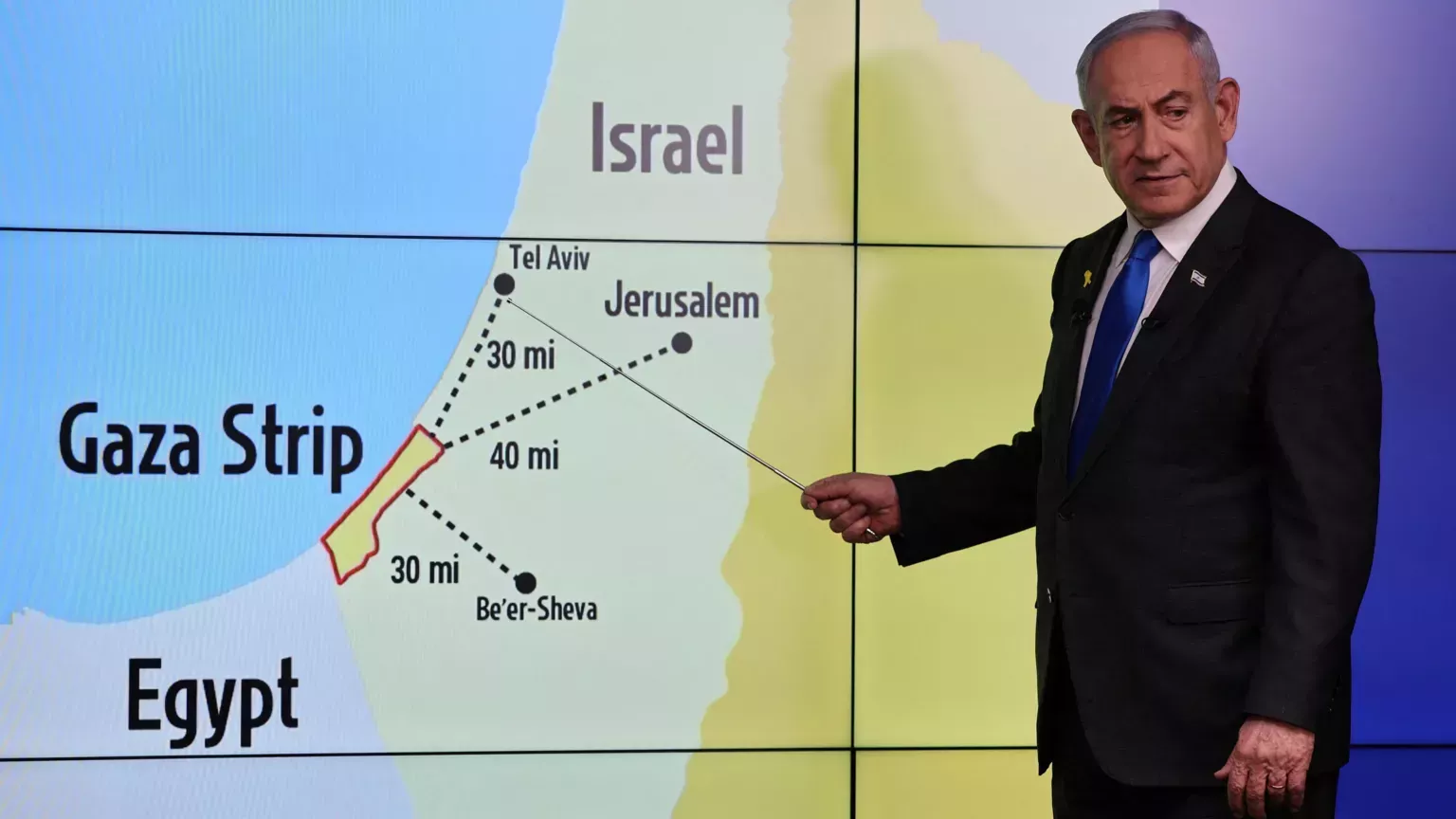
The leader of the RSF, Mohamed Hamdan Dagalo, known as Hemedti, and the general and head of the Sudanese army, Abdel Fattah al-Burhan, are the main actors in the new Sudanese drama. Reports indicate that many countries are backing one of the warring sides, which shows the complexity of the war in a country with an area of 1.8 million square kilometers and 48 million people, a third of whom do not have enough food. The United Nations calls the displacement in Sudan currently the "largest displacement" in the world.
Power Struggle in Khartoum
The clash between the two military commanders began in April 2023, four years after the long-time ruler Omar al-Bashir, who was under US sanctions, was overthrown.
Sudan was trying to build democratic institutions after the change of power, but the problem arose when the army refused to submit to civilian authorities, backed by the United States. Sudan then joined the Abraham Accords, initiated by Donald Trump in his first term, and recognized Israel in 2020.
Al-Burhan and Hemedti have since led the country and shared the revenues from gold sales, which Sudan abounds in. The problem arose when the second in command, Hemedti, wanted to be first, and after al-Burhan wanted the RSF to be fully subordinate to the army. As no agreement was reached, Hemedti turned the RSF against the army. And the RSF is nothing more than a renamed version of the infamous Janjaweed militia, which committed genocide in Darfur between 2002 and 2005.
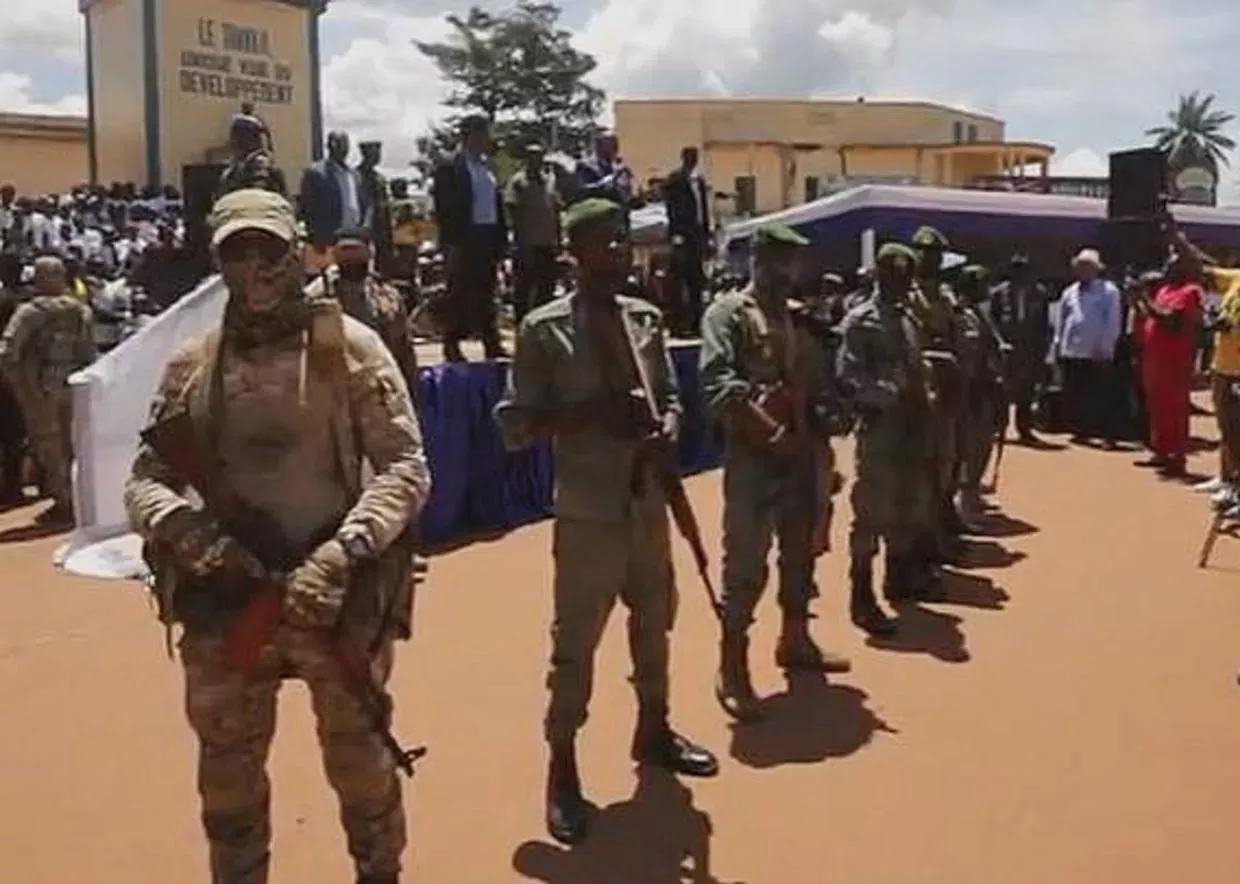
However, that is only part of the story of why two allies went to war, which is also evident through the connections they forged. Egypt, Saudi Arabia, and Iran sided with al-Burhan, i.e., the government in Khartoum. Libyan leader Khalifa Haftar, the United Arab Emirates, and Russian mercenaries from the Wagner group sided with Hemedti, who would change sides because al-Burhan allegedly made him a better offer – gold mines north of Khartoum. At the very beginning of the war, Moscow sided with al-Burhan because he promised Russia a military naval base in Port Sudan on the Red Sea.
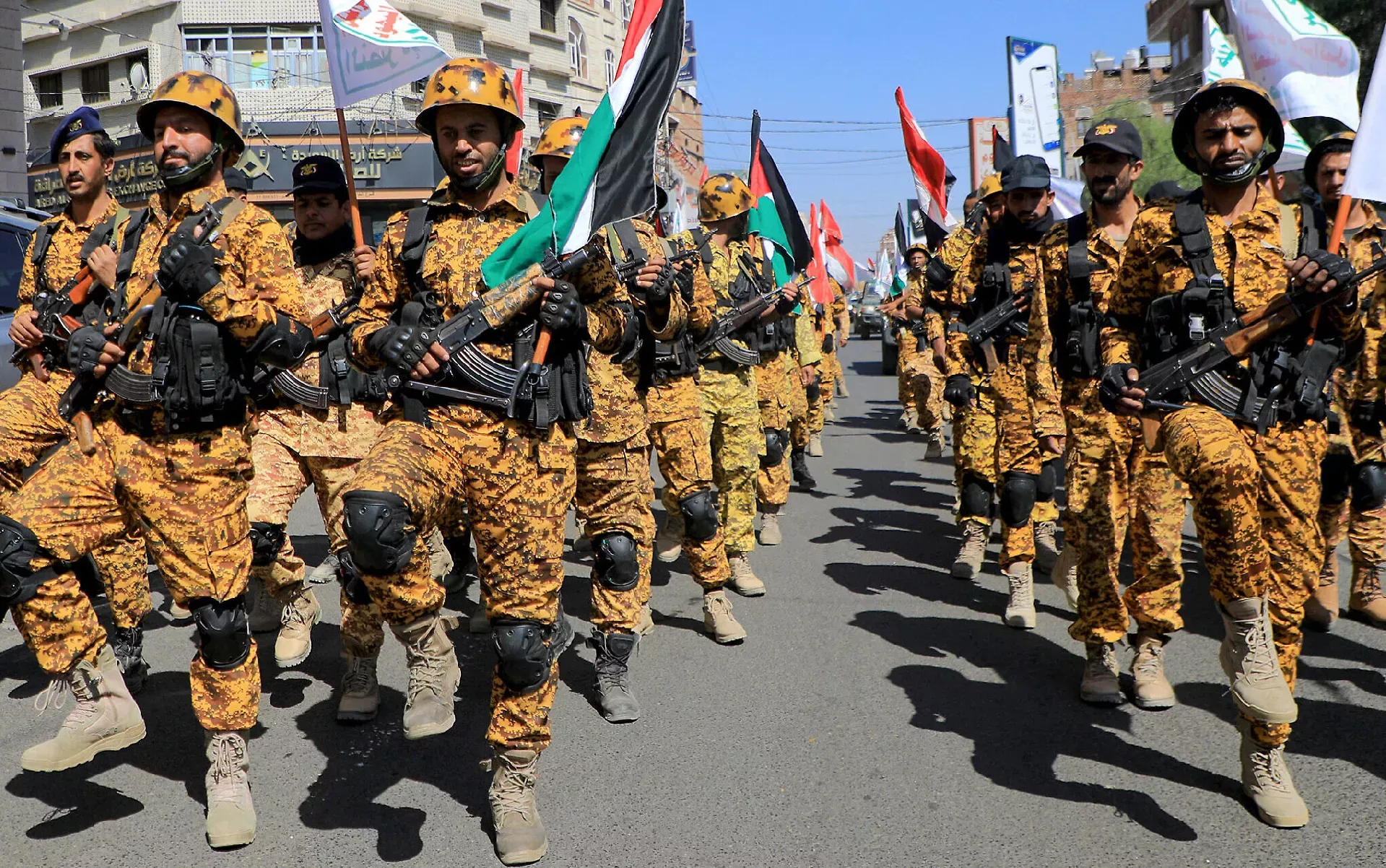
There are also reports that Hemedti was the American choice over al-Burhan, precisely because his rival did not abandon Russia, even though the army chief was initially the American favorite.
Geopolitics of Africa and the Red Sea
Such great interest in Sudan is not accidental. Besides gold, oil, uranium, and other natural resources, Sudan has an important geostrategic position in northeastern Africa, between the Red Sea and the heart of the continent. Sudan borders Egypt, Libya, Chad, the Central African Republic, South Sudan, Ethiopia, Eritrea, and has access to the Red Sea, on the "opposite side" of Saudi Arabia and slightly south of Yemen – areas controlled by the Houthis, and Djibouti, where there are US and Chinese military bases. The Sudanese coast is at the gates of the Suez Canal.
How important all this is, let's note that under similar circumstances, the "youngest state" in the world was created in 2011 – South Sudan. The predominantly Christian part of Sudan, which holds about seventy percent of Sudan's oil reserves, became a new state at the will of the United States. In the civil wars of the south and north of Sudan, which lasted for decades starting in 1955, millions of people lost their lives. The weakened Khartoum agreed to the independence of South Sudan also because oil is exported from there through pipelines that end in the aforementioned Port Sudan.
Sudan's geographical location attracts various countries with different interests. Thus, Khartoum is needed by Egypt, among other things, because the Nile originates in Sudan (by the confluence of the White and Blue Nile), on which Ethiopia is building a large hydroelectric power plant that could reduce the river's flow downstream. Saudi Arabia wants stability in its neighborhood and has strong ties with Khartoum, Iran does not want the United States and Israel to establish bases in Sudan and thus weaken the Houthis' position, and China received concessions for oil extraction in Darfur in 2003. Turkey wants to strengthen its positions in Sudan, as well as in Somalia, where planes with Colombian mercenaries and weapons for the RSF are allegedly flying from the separatist states of Puntland and Somaliland. The UAE, according to reports, also supplies the RSF through Chad and the part of Libya under Haftar. The UAE denies this.
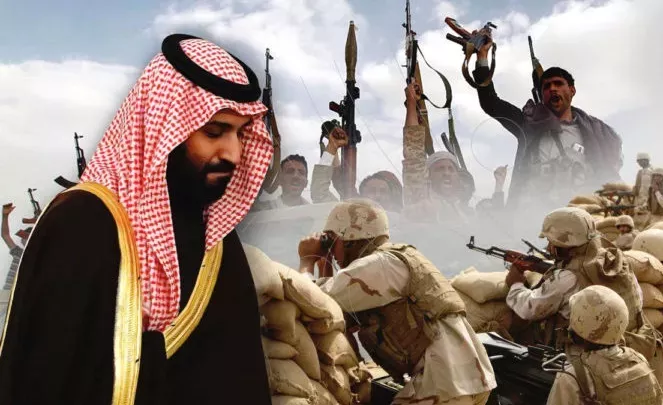
The current war in Sudan is connected to the war in Yemen, in which the Iran-backed Houthis fought against forces backed by Saudi Arabia, the UAE, and others. The UAE at one point turned its back on Riyadh and independently supported forces in southern Yemen. Colombian and other mercenaries, including RSF fighters, arrived in Yemen. The Sudanese army also fought against the Houthis, and the commander of those forces was al-Burhan. The UAE's involvement in Sudan is due to resources, but also to rivalry with Riyadh. The UAE imports gold from Sudan, and Hemedti's family was Sudan's largest gold exporter.
Let us also mention that Sudan was an important place for Al-Qaeda terrorists for many years. Osama bin Laden himself stayed in Sudan from 1991 to 1996. Although he was expelled from there under pressure from some countries, it is not excluded that cells remain that can be activated, especially now while the war is ongoing.
Who Will Decide the Outcome of the War?
After the RSF took control of Al-Fashir, the world public briefly paid attention to Sudan, although it is unclear to anyone how the conflict will unfold. It is not just about who is stronger on the ground at a given moment, but also about how the states involved in the war will react.
For example, in April last year, the army made a turnaround on the ground, the first in ten months of war, after receiving Iranian drones, Reuters reported at the time, citing sources. According to media reports, this was a rare joint action by Saudi Arabia and Iran. The Sudanese army then recaptured territories around Khartoum.
The vast expanses of Sudan and the fact that more than five hundred ethnic groups and subgroups live there further complicate things for any government in Khartoum, as foreign powers can always find someone to defend from another and then empower them.
At the beginning of this month, Sudanese Prime Minister Kamil Idris complained in an interview with a Swiss newspaper that the international community had not done enough for his country. He called on all United Nations member states to declare the RSF a terrorist organization but rejected the idea of deploying any international forces to his country, as they would "undermine Sudan's sovereignty and territorial integrity. It is illegal, it would only increase confusion and be counterproductive."
The interview came after the fall of Al-Fashir, which had resisted RSF attacks for eighteen months, and Idris promised that "the army and the people will liberate" the city. Thus, the RSF gained control of all five major cities in Darfur, where a new government has been declared. Now, Khartoum controls the central, eastern, and northern parts of Sudan, while the RSF controls the southern parts and has the initiative on the ground.
However, victory for either side is far off, and some predict this will be a war of attrition. However, Sudan has not been governed solely by people from Sudan for a long time. Negotiations between many countries have been ongoing since the beginning of the war, and the incredible twists and turns on the ground indicate that any outcome is possible, except for peace to prevail in Sudan soon and for the people there to benefit from the natural and other resources that the country possesses.
Komentari (0)
Prijavite se za komentiranje
PrijavaJos nema komentara. Budite prvi!
Minuta
Sve →Iz drugih kategorija

High Representative Not Elected: Germans, French and British Against Americans, New Attempt at End of June

ČOVIĆ WITHOUT MERCY: How Those Who Brought Ademović to Office Created a Political Hell for Him



Sunny Saturday, quite warm



Tragedy in Albanian resort: Two minors drown












