
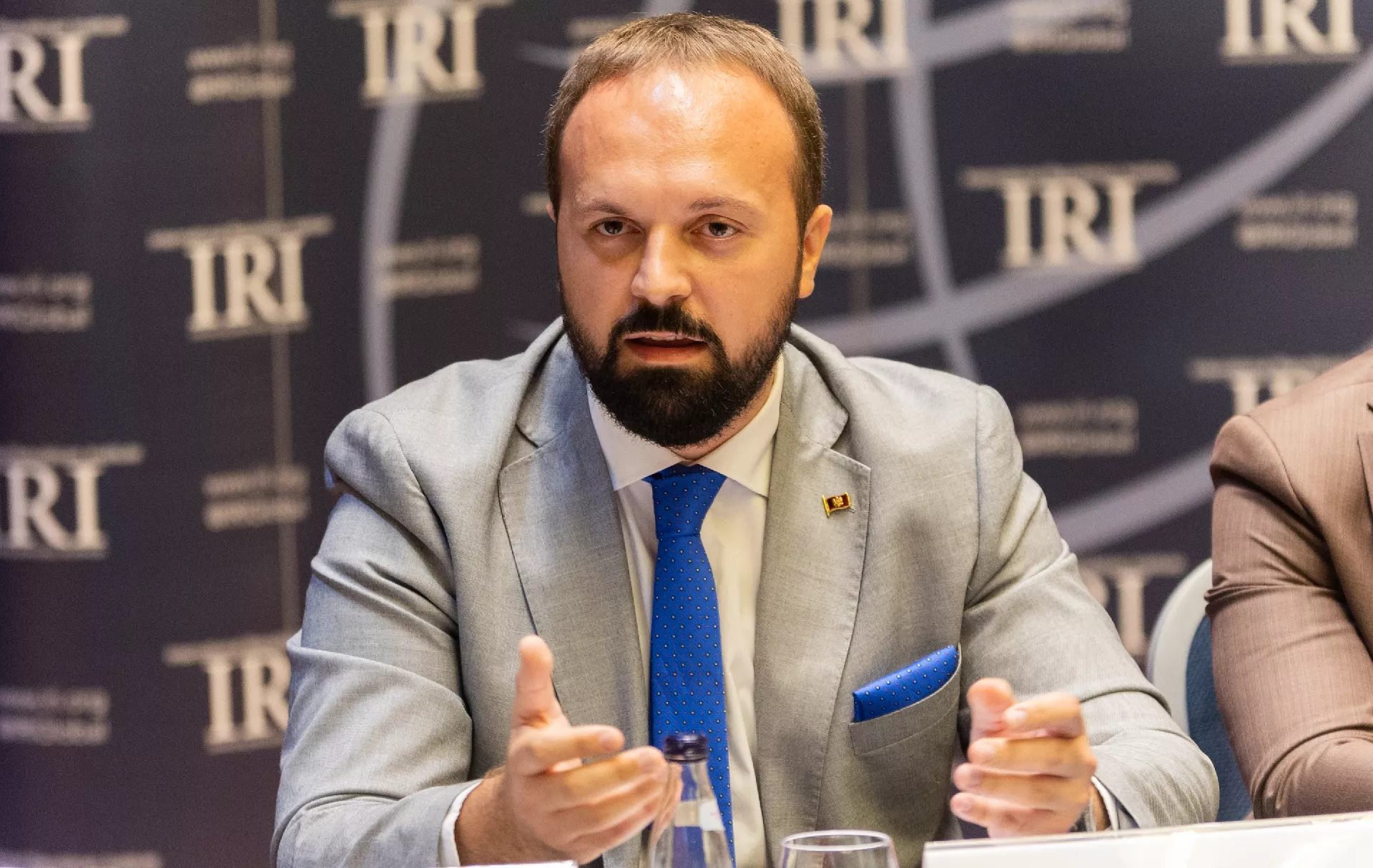
Written for NAP by: Sead Šahman, MA, PhD candidate at UNSA and member of the Bosniak Council of Montenegro
The news from a few days ago that the European Council decided to open accession negotiations with Bosnia and Herzegovina is encouraging for our region.
It is additionally motivating that there is a positive climate in the European Union and its institutions regarding enlargement to the Western Balkan countries. This approach also sends an important message to Montenegro - a country that has been negotiating with the EU for twelve years.
Strengthening regional cooperation, in this specific case between Montenegro and BiH, as two neighboring and friendly states with no open issues, is mutually important for the European future we are striving for together.
However, it is important to know, based on the experience Montenegro has had since 2010 - when it obtained candidate status, and then 2012 - when it began negotiations with the European Union, that the accession process has its expert-technical and political connotations and is based on clear legal criteria.
It is a well-known fact that the negotiation process is still ongoing, that it has, of course, had its phases and fluctuations, especially achieving notable results in the last decade thanks to the work of state administration, experts, the academic community, and the civil sector. However, clear political will to conclude the negotiations was often lacking.
Also, it should be noted that the composition of the European Parliament (EP) and the European Commission (EC) is in the final phase of its work, and that in a few months we will face elections in all 27 EU member states.
It is evident that in the case of BiH, even in the last months of the EP and EC's work, they want to send a message that the Western Balkan countries have not been forgotten due to all the difficulties and problems the EU has within itself.
The geopolitical moment we are in has contributed to such a decision, and from the EU's perspective, one of the neuralgic points in the Western Balkan region needed a greater presence of the international community in this way.
European integration, and again I base this on the experience of Montenegro, is a process in which two sides participate, and the connection of several factors is important: the mood prevailing in Brussels, the political will of member states, and of course the support the candidate country has among its citizens.
At that time, diplomatic activities aimed at gaining the political will of significant European addresses for the interests of the candidate state aspiring to EU membership are of utmost importance.
The support of Montenegrin citizens for the process of accession to the European Union is constant, still high, and according to almost every survey, it amounts to over 70%. The main and priority foreign policy goal of Montenegro is based on the belief that EU membership will bring an improvement in the conditions and quality of life of citizens, stronger system institutions, and the rule of law.
Montenegro's EU membership is almost the only issue on which there is no dispute among key political actors, but rather a consensus, and it is therefore very important that, due to missed opportunities and lost time, we complete the negotiation process in the shortest possible time.
It is a fact that in our societies of the Western Balkan countries, the rule of law is most often mentioned as an essential thing, but other areas are no less important for the lives of our citizens and the community in general.
Thus, the process of European integration implies a comprehensive reform of all areas of society - good governance and meritocracy, general interests, and a stronger role of the human-citizen.
It is crucial that reform processes are substantive, not just formal, and that they proceed at the greatest possible pace to accelerate BiH's integration path towards the EU. The complicated structure of governing BiH, the heterogeneity of state authority, and the challenges the state faces almost daily can significantly burden the entire process and make it very lengthy.
Negotiations that last a long time can lead to a certain type of fatigue among citizens, so it is very important to use the coming time in the best possible way so that the positive energy that exists among citizens, as well as the geopolitical circumstances in the case of Bosnia and Herzegovina, are translated into concrete steps that will lead to full membership.
Komentari (0)
Prijavite se za komentiranje
PrijavaJos nema komentara. Budite prvi!
Minuta
Sve →Iz drugih kategorija

High Representative Not Elected: Germans, French and British Against Americans, New Attempt at End of June

ČOVIĆ WITHOUT MERCY: How Those Who Brought Ademović to Office Created a Political Hell for Him



Sunny Saturday, quite warm



Tragedy in Albanian resort: Two minors drown












