
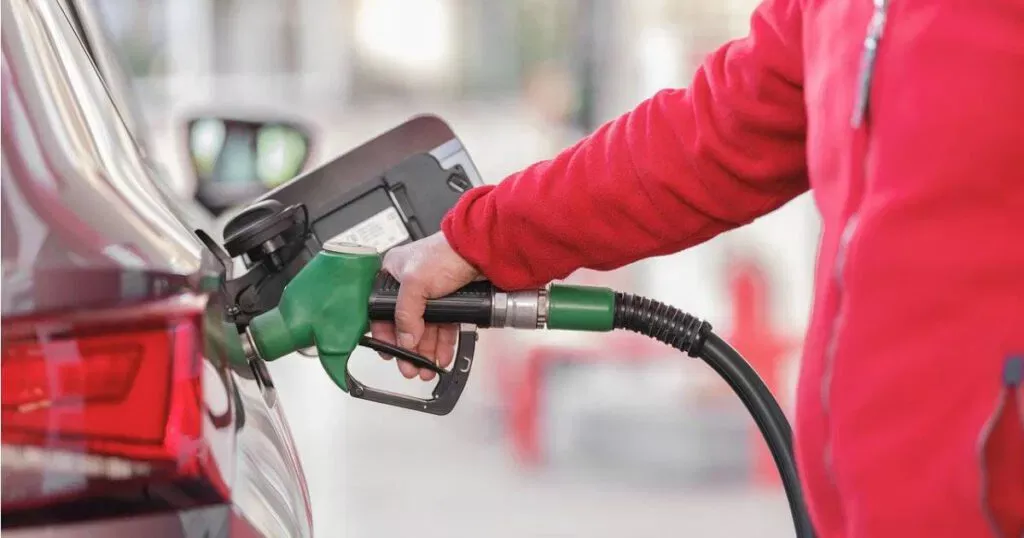
(Patria) - Slovenia has temporarily limited fuel dispensing at petrol stations since midnight in an effort to reduce problems with the supply of petroleum products.
According to the measures adopted, a maximum of 50 liters of fuel per day is allowed to be dispensed to a natural person at a petrol station, and 200 liters to a legal entity and a natural person engaged in business, including agriculture. The restrictions will be in effect until further notice.
The Slovenian army is also involved in fuel distribution, and its members will assist in transport and supply. Authorities have called on distributors to coordinate deliveries from warehouses to petrol stations to speed up delivery and increase supply efficiency.
Fuel retailers are obliged to submit regular reports to the government on the situation at petrol stations, based on which the authorities will decide on any additional measures.
Prime Minister Robert Golob announced that measures are also being considered to specifically limit fuel sales to foreign nationals, and retailers have been advised to prepare appropriate steps in that direction.
Supply problems are most pronounced in the company Petrol, which the prime minister criticized, while the company stated that they are making maximum efforts to ensure a stable supply of the network.
In Croatia, a Government session will be held tomorrow to present the 10th package of measures to protect citizens and the economy from the global rise in energy prices due to the war in the Middle East. The government will react to the new measures and mitigate the latest rise in energy prices on the market. The goal is to guarantee security of supply and the lowest possible price of electricity, gas, and fuel for households and for the normal functioning of the economy, stated Croatian Prime Minister Andrej Plenković after today's extraordinary meeting of the narrow cabinet.
In Serbia, the Government previously made a decision on a temporary ban on oil exports to keep its market stable. Also, excise duties have been reduced, and the state has renounced revenue so that citizens do not pay significantly higher fuel prices.
While the countries of the region are adapting to market changes, there is currently fuel in BiH, but prices are rising day by day. When it comes to reducing excise duties, it seems that there will be no political will at tomorrow's session of the House of Peoples of the BiH Parliament to resort to this measure. If this does not happen, citizens will certainly bear the burden of the increase in the price of oil and petroleum products after the conflicts in the Middle East and the restriction of goods flow through the Strait of Hormuz.
The largest oil distributors in the Federation of BiH held a meeting with the Government last week, and it was stated that the market is currently stable. Federal Prime Minister Nermin Nikšić said that he would not disclose the amount of strategic reserves and that there is no need for that oil at the moment.
Distributors have been given the option to store oil at the Blažuj Oil Terminals, which indicates that not all capacities have been utilized.
In the first days after the outbreak of conflicts and attacks on Iran, citizens of BiH were creating oil reserves by filling canisters at pumps. For now, there is no information about oil shortages or restrictions per person or vehicle.
Komentari (0)
Prijavite se za komentiranje
PrijavaJos nema komentara. Budite prvi!
Minuta
Sve →Iz drugih kategorija

High Representative Not Elected: Germans, French and British Against Americans, New Attempt at End of June

ČOVIĆ WITHOUT MERCY: How Those Who Brought Ademović to Office Created a Political Hell for Him



Sunny Saturday, quite warm



Tragedy in Albanian resort: Two minors drown












