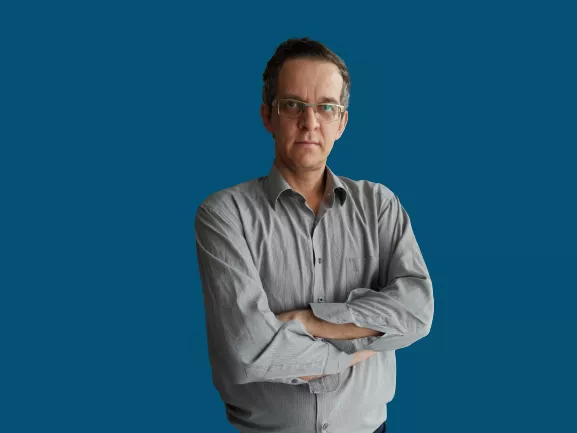
Member of the Sarajevo Canton (KS) Assembly Faruk Selmanović (SDA) warns that the proposed Draft Law on the Legalization of Illegally Built Structures, if not significantly corrected in the proposal phase, could lead thousands of citizens in KS into serious financial and existential problems.
Although he supports the systematic regulation of this area, Selmanović believes that the Draft Law in its current form imposes excessively short deadlines and excessively high costs that many citizens will not be able to pay.
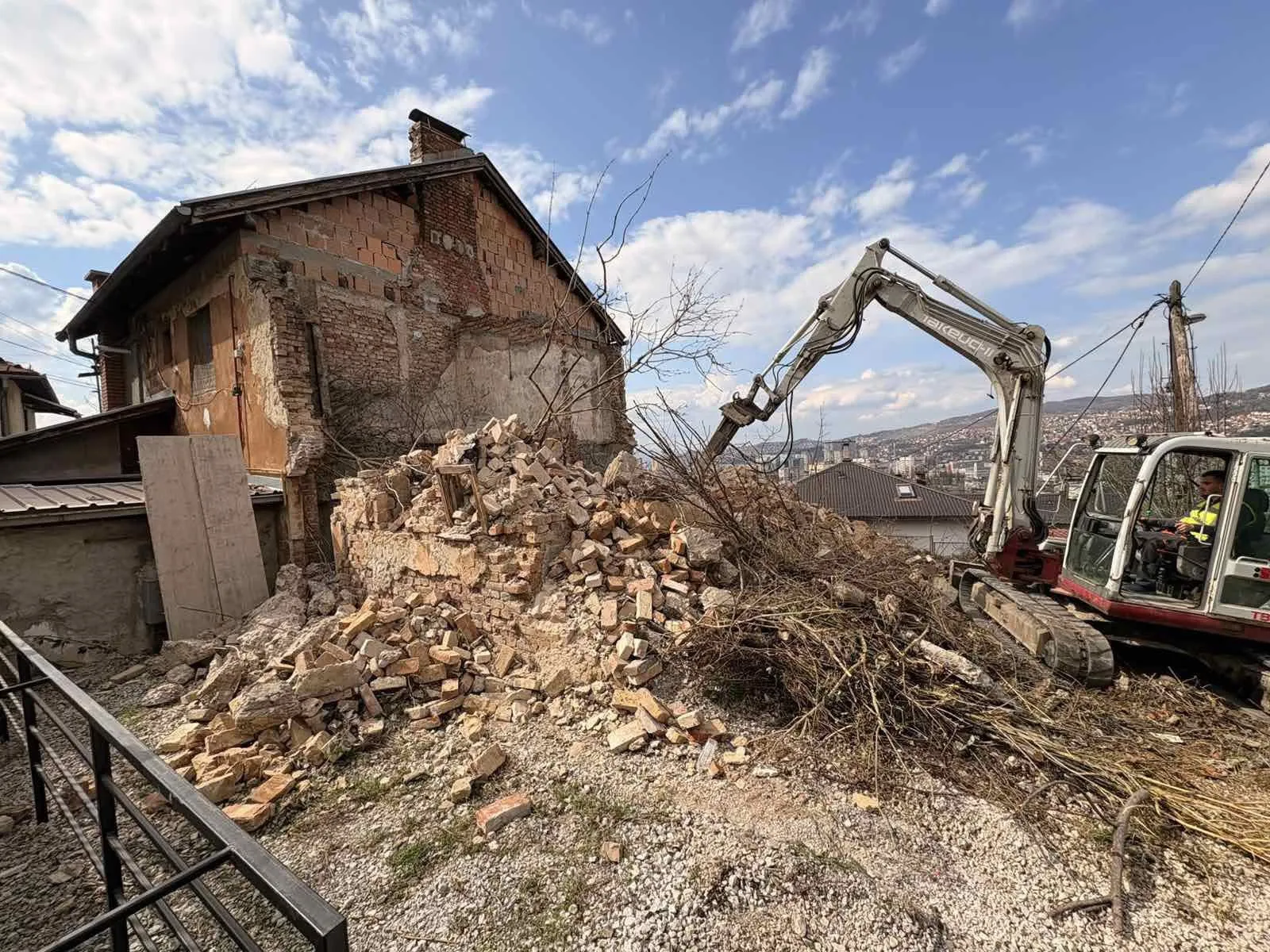
He considers the possibility of demolishing residential buildings particularly controversial, warning that people could be left without a roof over their heads even before the completion of any appeal procedures.
In an interview with the Patria News Agency (NAP), he announced that through amendments, he will seek longer deadlines, financial relief, and protection of family homes from demolition, except in cases where there is a real public interest, but even then, with the obligation to provide families with adequate alternative accommodation before the potential removal of the building.
What is your opinion on the Draft Law on the legalization of buildings and other structures built without a building permit, prepared by the KS Government?
Selmanović: First, we must clarify that this is a law that directly affects the lives of thousands of citizens of Sarajevo Canton. So, we are talking about a regulation that impacts homes that many have built for decades, often from a single salary, loans, or work abroad.
I support the final systematic regulation of the legalization area and that people gain legal certainty. But you cannot solve a problem by bringing citizens to a wall and saying: either you will pay tens of thousands of marks in a short period, or you will be left without a roof over your head.
My goal is that the legalization process is not time-limited in a way that will put citizens in a hopeless situation, that financial relief is introduced for those who submit their request earlier, but above all, that the possibility of demolishing residential buildings of people who objectively do not have the money to meet such financial obligations is prevented. A house is not a luxury. A house is a basic human need.
Can your views be interpreted as protecting those who broke the law and illegally built structures?
Selmanović: Of course not, unless someone consciously wants to politicize this topic. Not all illegal construction resulted from arrogance or a desire to deceive the state. People often built because the system had not worked for years, because they could not wait for endless procedures, or because they were trying to solve an existential problem for their family. And many of our fellow citizens did so because of displacement during the aggression.
So, there may be individuals who have consciously abused the system, but you cannot create a law that will trample on the common man because of such cases. I repeat, a roof over one's head is not a privilege. It is a fundamental right. And if someone has been able to build for years without institutional reaction, then the responsibility is not only on the citizen but also on the system that silently observed all of this.
Did the Government and the Assembly not show understanding for the citizens by drafting the Draft Law?
Selmanović: If you carefully read certain provisions of the law, you will see that they did not. How else to describe a situation where the public is being convinced that it is a simple legalization process, while in reality, certain provisions create room for the demolition of buildings and additional pressure on citizens.
Can you explain more specifically what is problematic?
Selmanović: Of course. Article 8 stipulates that citizens have a period of 12 months to submit a request for subsequent urban planning consent, starting from the law's entry into force on January 1, 2027. This practically means that all requests must be submitted by the end of 2027.
If someone does not do so within that period, they are in real danger of their building being subject to inspection and demolition.
An additional problem is Article 43, which states that the inspector may issue a demolition order if the building was constructed on public areas, squares, infrastructure corridors, and the like. Essentially, the "and the like" is the problem, as it leaves room for broad and arbitrary interpretation.
And then we come to the financial part, which is particularly concerning. The legalization of an 80-square-meter building in the first zone could cost over 50,000 KM. In other zones, it's somewhat less, but we are still talking about amounts that a large number of citizens simply do not have.
Therefore, I ask everyone a logical question: what will happen to those who do not have that money? Judging by how the authorities reacted to the tragedy in Jablanica, nothing good.
What will happen in that case?
Selmanović: Precisely, the urban planning and construction inspector will issue a demolition order. What is also important to emphasize is that any appeal will not postpone the execution of the order.
In translation, the building will be demolished immediately, regardless of whether the Ministry or the court later determines that the decision was wrong or illegal. And that is the essence of the problem: who will return the house, years of life, family security to those people? Such damage cannot be rectified.
What specifically will you propose through amendments?
Selmanović: Together with colleagues from the SDA Club, I will seek that the submission of legalization requests is not limited by rigid deadlines. Instead of punishing people, it is necessary to stimulate citizens to legalize buildings through financial relief and realistic deadlines.
I will also insist that residential buildings, i.e., houses where people live, are not demolished except in cases where it truly concerns buildings on public areas, infrastructure routes, or places where there is a real danger and public interest.
Do you expect the Government and the parliamentary majority to accept such solutions?
Selmanović: I hope they will, with the understanding that my engagement will not stop at amendments. I am trying to alert the citizens through this means as well, so they understand in time what consequences the law in its current form can produce.
The problem is that the public debate has not received the attention such a law deserves. Citizens are practically excluded, even though we are talking about a regulation that can decide whether someone will keep or lose their home.
Therefore, I believe it is the opposition's duty to warn the public before it is too late. Because if the law remains as it is, we can very easily find ourselves in a situation where people who have a house and family today become social cases tomorrow. And no serious society should allow that to happen.
Komentari (0)
Prijavite se za komentiranje
PrijavaJos nema komentara. Budite prvi!
Minuta
Sve →Iz drugih kategorija

High Representative Not Elected: Germans, French and British Against Americans, New Attempt at End of June

ČOVIĆ WITHOUT MERCY: How Those Who Brought Ademović to Office Created a Political Hell for Him



Sunny Saturday, quite warm



Tragedy in Albanian resort: Two minors drown












