
By Armin Sijamić
About ten days ago, Russian President Vladimir Putin signed the Law on the Ratification of the Agreement on Comprehensive Strategic Partnership with Iran. Tehran then said that they would ratify it very quickly, marking the beginning of a new phase in the relations between the two countries.
Considering future threats to the United States, Zbigniew Brzezinski wrote in his 1997 book "The Grand Chessboard": "Potentially, the most dangerous scenario would be a grand coalition of China, Russia, and perhaps Iran, an 'anti-hegemonic' coalition not based on ideology but on shared grievances."
The diplomat and political scientist, who has strongly influenced American foreign policy for decades, also stated that this coalition could only happen if Washington were blind. Whether Washington was blind or intoxicated by victory in the Cold War is less important than the fact that this triple alliance has been developing in various ways for decades.
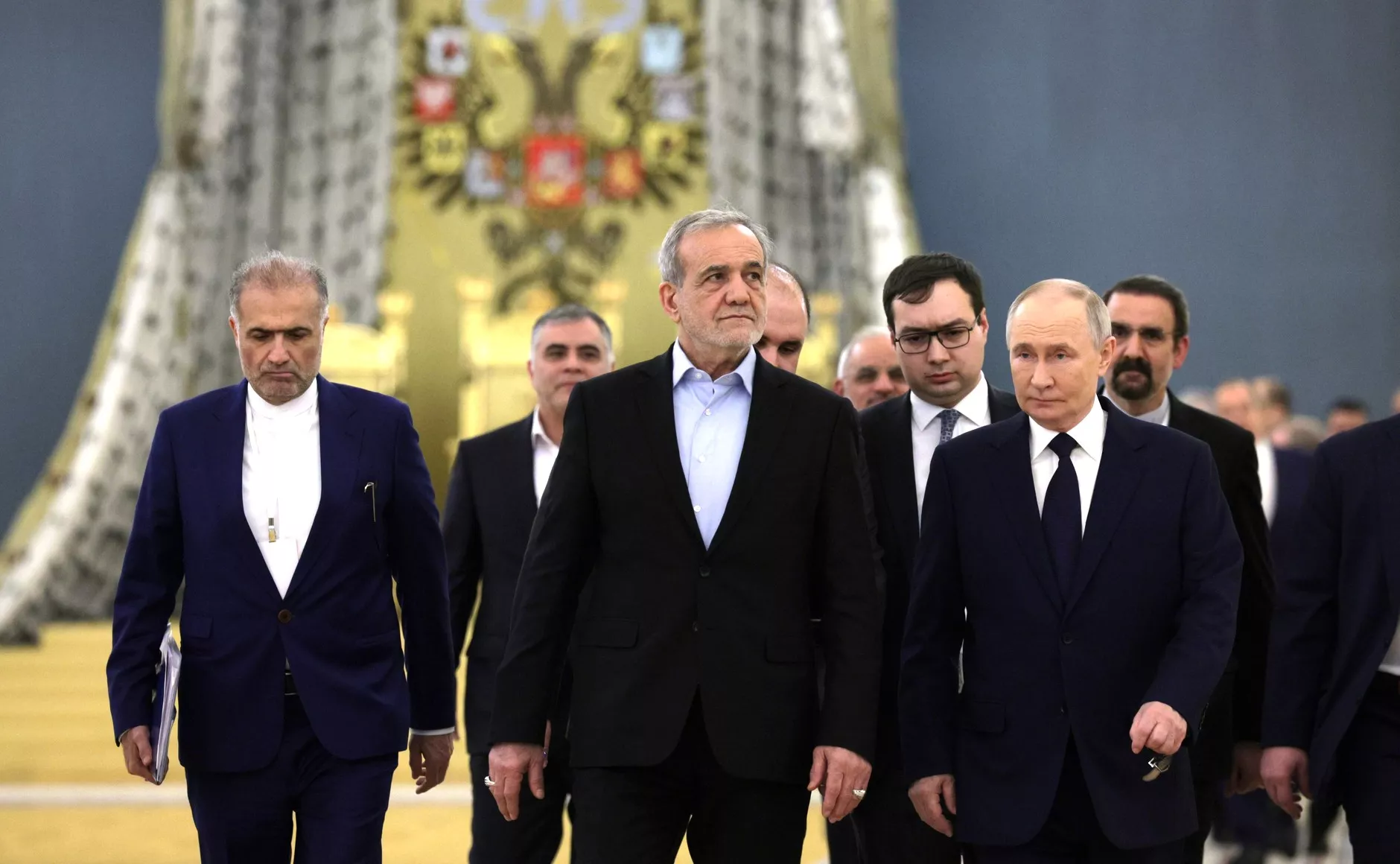
A new phase in Russia-Iran relations began on January 17th of this year. Iranian President Masoud Pezeshkian signed the agreement with Putin in Moscow, which has since been undergoing the ratification process.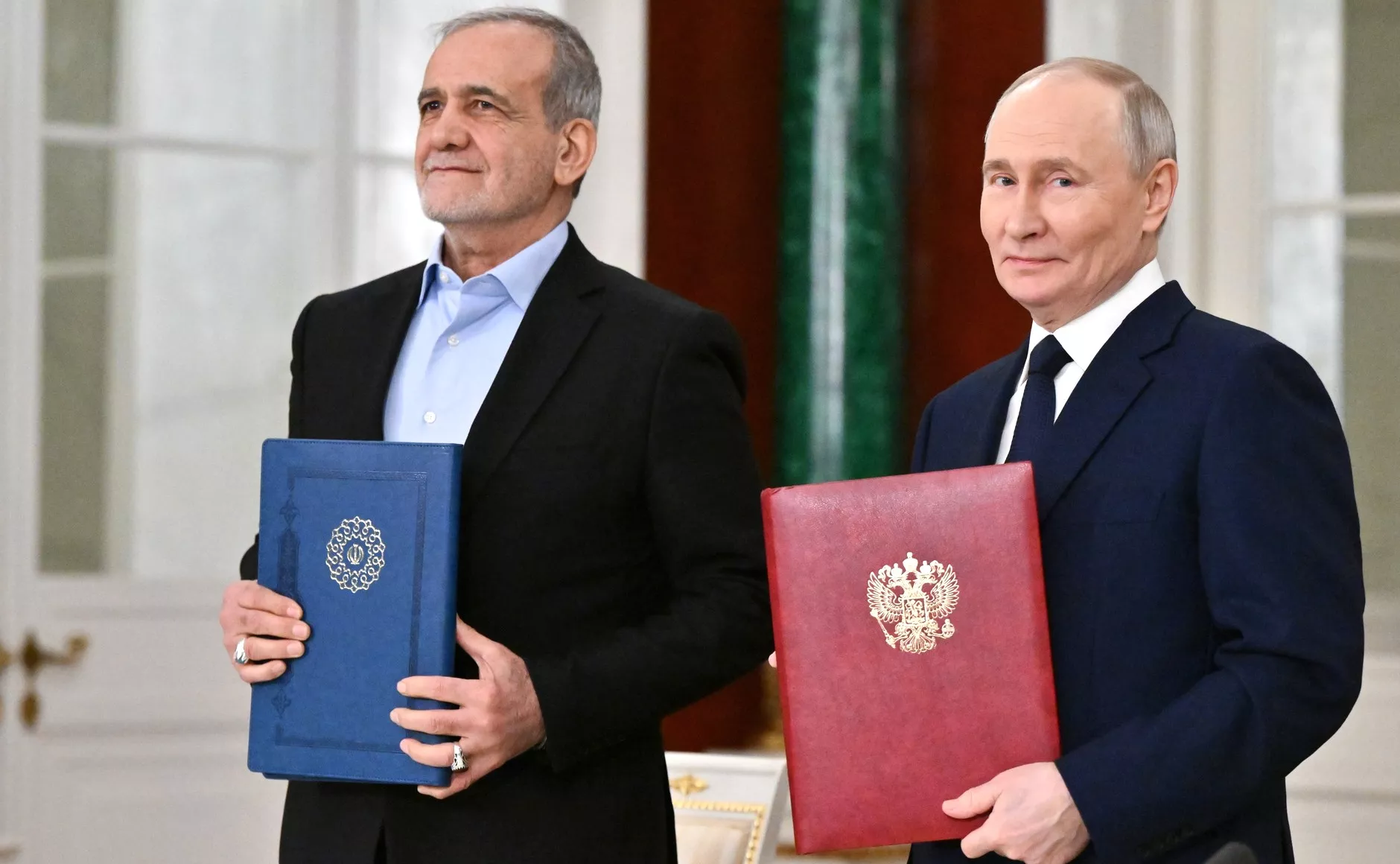
An Agreement for a New Era
At the end of March, Putin sent the agreement for ratification to the Duma, and three weeks later, he signed the law completing the ratification, bringing the agreement into force.
The Agreement on Comprehensive Strategic Partnership between Russia and Iran is an extensive document. It contains 47 articles and covers areas such as defense, energy, counter-terrorism, finance, agriculture, industry, science, technology, culture... for the next twenty years.
Upon signing the agreement, Russian media stated that it "consolidates the status of Russia and Iran as strategic partners." From the Iranian side, where the agreement was met with more optimism than in the Russian public, there were assessments that this is a diplomatic victory for the new Iranian administration, which replaced the previous one led by President Ebrahim Raisi, who, along with Foreign Minister Hossein Amir-Abdollahian, lost his life in a helicopter crash on May 19th last year.
However, it would be incorrect to say that the agreement is solely the work of one Iranian administration. As early as 2020, Iranian President Hassan Rouhani sought an agreement to replace the existing Tehran-Moscow agreement from 2001. Rouhani strengthened ties with Russia and China as a counterweight to poor relations with the West and pressed the Kremlin to sign the agreement as soon as possible.
This is a success for Iran for at least two reasons. Firstly, the 2025 agreement is more comprehensive and better for Iran than the 2001 one. Secondly, Putin agreed to the agreement conditioned by Western isolation due to the aggression against Ukraine and the need to find support outside Russia's borders. One of the reasons Putin had not agreed to sign this agreement until now was his caution towards Israel's interests and his desire to reach an agreement with the West.
Putin's delay in signing the agreement has put him in a position to ratify it while trying to restore broken ties with Washington and achieve peace in Ukraine. The ratification of the agreement also coincides with Tehran's and Washington's negotiations on Iran's nuclear program and Donald Trump's threats that he is prepared to use military force.
A New Framework for Enhanced Cooperation
Critics of the agreement and those who underestimate its scope say the document is full of general formulations and guarantees nothing to either side. This is particularly true given that it is not an agreement that, for example, obligates the parties to defend the other in case of an attack by a third party.
But those who view things more realistically know that this was not expected. Firstly, the agreement was signed at a time when Russia is at war with Ukraine. Secondly, the signatory states are located in parts of the world where changes are constant, which can place them on different sides.
"Relying on the deep historical ties between the Iranian and Russian peoples, the closeness of their cultures and spiritual and moral values, common interests, strong neighborly relations, and broad opportunities for cooperation in political, economic, military, cultural, humanitarian, scientific, technical, and other fields," the agreement states at the beginning.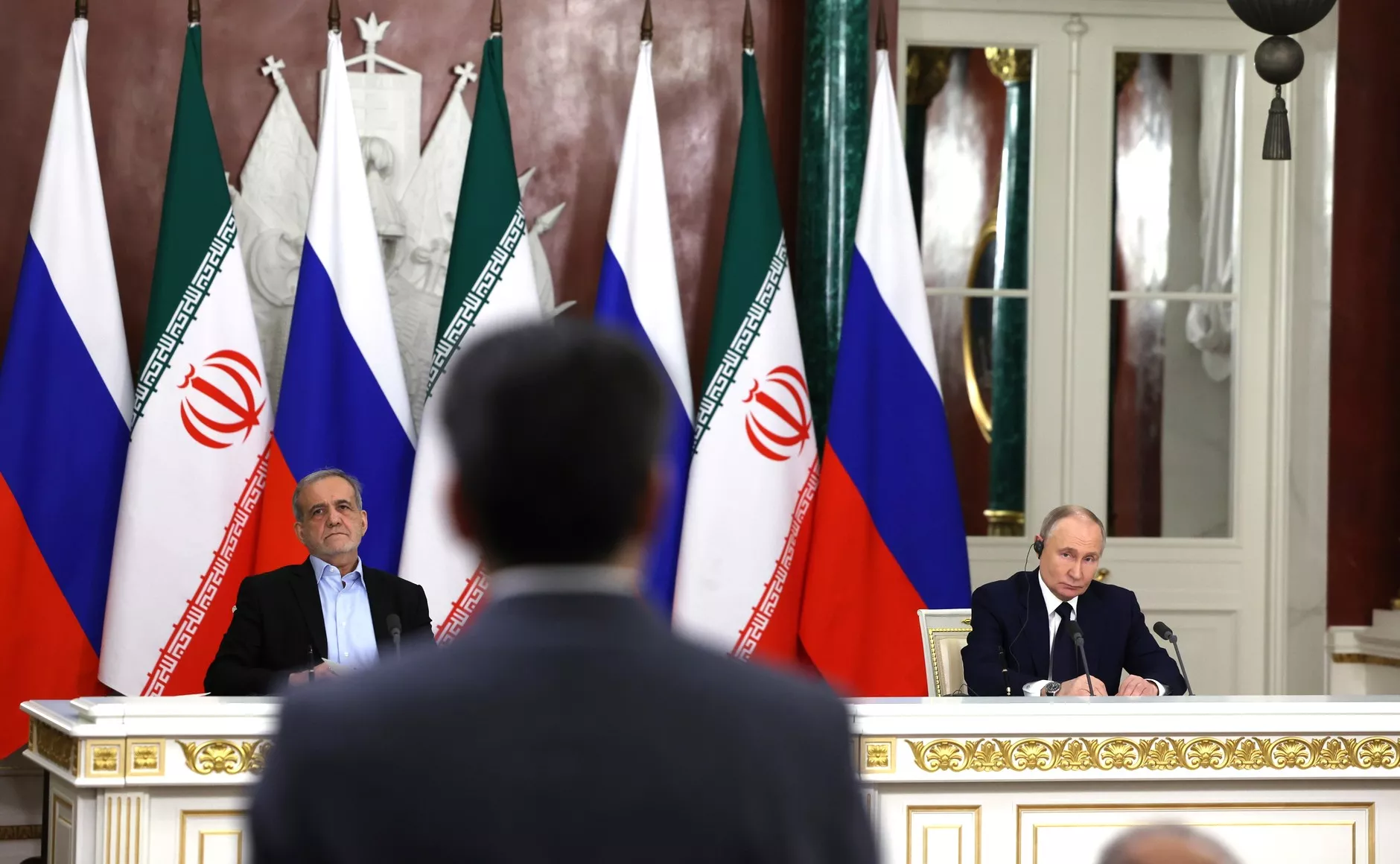
The agreement has confirmed the strategic ties between the two states and leads to strengthened cooperation in various fields. In addition to stating that the parties are committed to relations in the spirit of United Nations rules, Moscow and Tehran will strive for "shaping a new, just, and sustainable multipolar world order based on the sovereign equality of states."
The agreement outlines the areas in which the two countries will cooperate. Essentially, it establishes a framework for a new level of cooperation between the two states. For example, at the end of January, the commander of the Iranian Revolutionary Guard, Ali Shadmani, stated that Tehran had purchased Russian Su-35 fighter jets, without specifying the number of aircraft or whether they had been delivered. Last week, Moscow and Tehran reached an agreement on the delivery of 55 billion cubic meters of Russian gas annually, and Russia committed to financing the construction of a new nuclear power plant in Iran with a loan.
Trump's Pressure
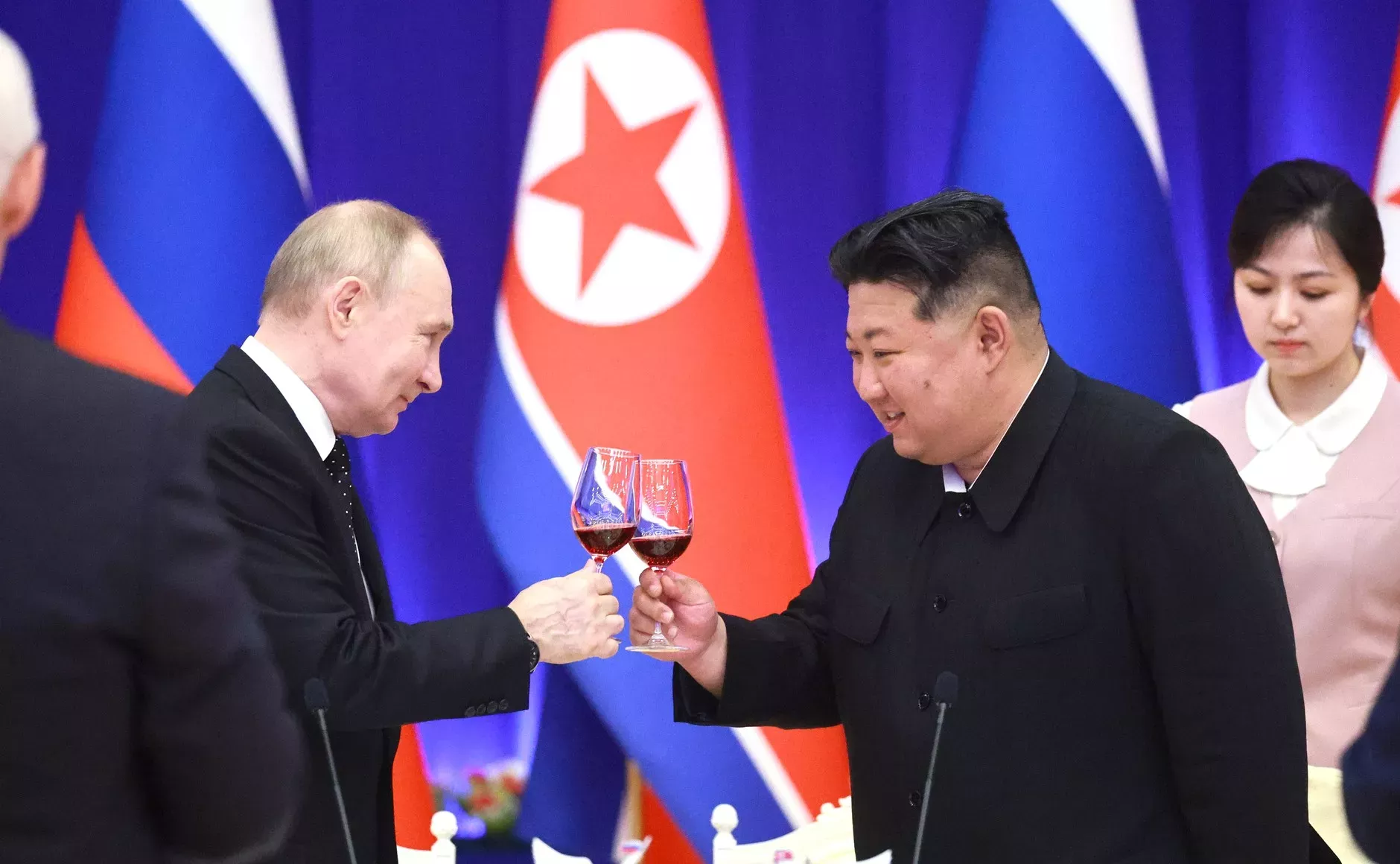
If this agreement had been signed a few years ago, its significance would have been different. The first association would have been Iran's agreement with China in 2021, or agreements with Venezuela and Syria. In Russia's case, it would have been compared to the agreement with North Korea.
With Trump's return to the White House, the agreement has gained new significance. The pressure Trump is exerting on Moscow and Tehran to sign deals as he envisions them can be mitigated by this agreement. Namely, the further isolation of these two countries inevitably pushes them towards closer cooperation, just as Brzezinski predicted. The aforementioned examples of Russian-Iranian cooperation this year, including the sale of gas, weapons, and nuclear technology, clearly demonstrate this.
Trump is demanding peace in Ukraine from Russia in exchange for, among other things, the export of Russian energy resources to Europe. The mentioned 55 billion cubic meters of gas that Russia will send to Iran is equivalent to the amount that came to European consumers through Nord Stream 1.
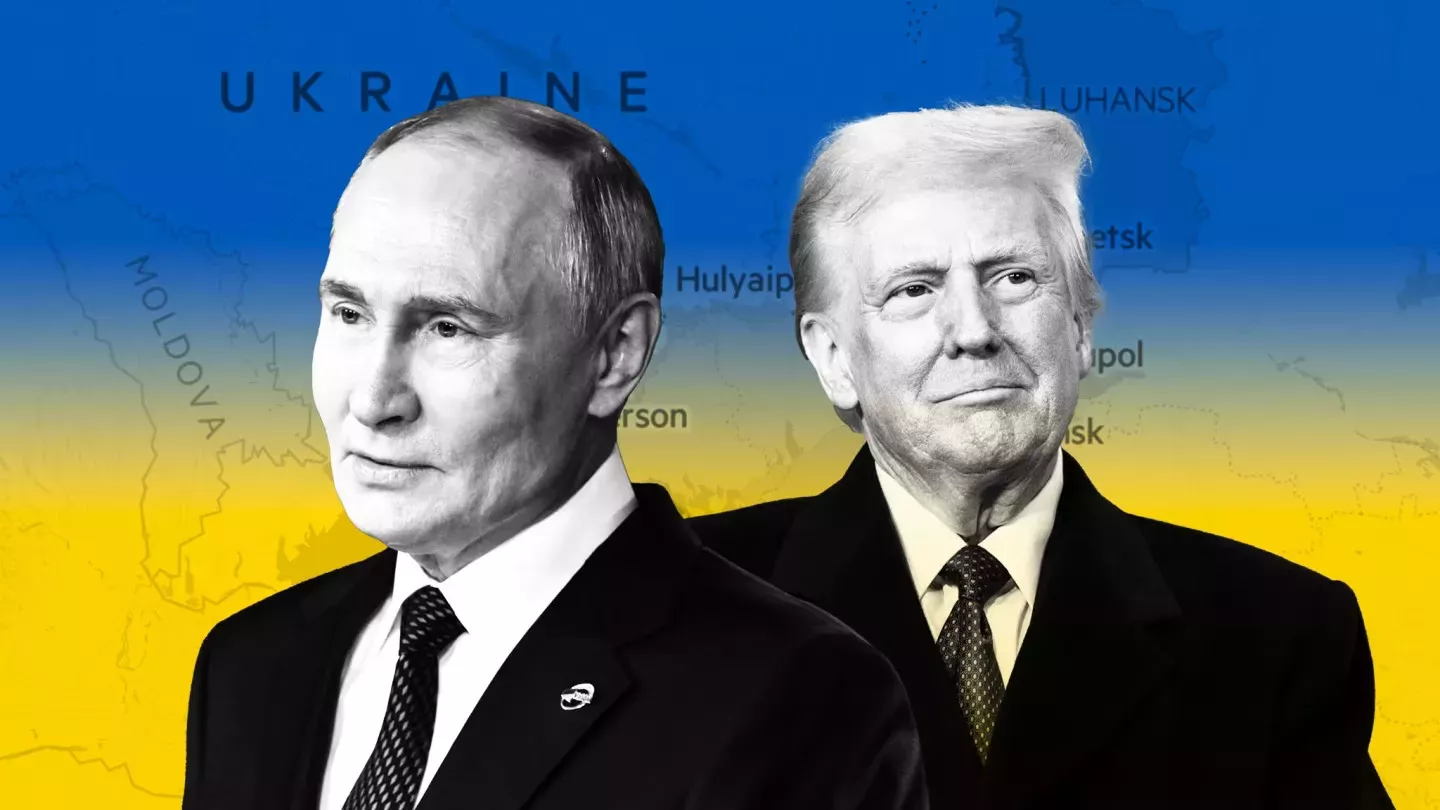
Furthermore, the sale of top Russian fighter jets to Tehran, while Trump and Israel speak of a possible attack on Iran, is also significant. The threats from the United States and Israel to destroy Iran's nuclear facilities have been met with a response from Moscow and Tehran: they will build new nuclear power plants, after Moscow helped construct Iran's first nuclear reactor in Bushehr in 2007.
By signing this agreement, Tehran and Moscow have gained a basis to expand cooperation in the medium and long term, and in the short term, a strong hand in negotiations with the West. There is no doubt that China, which is Washington's next target, is part of this calculation.
Trump's pressure on China, through tariffs and sanctions since his first term, indicates the breadth of the front that has been established over the years. Therefore, it is understandable that both Russia and Iran, and especially China, maintain a defensive stance in their confrontation with Trump, as an alternative to an agreement with Washington exists. Trump's desire to distance Russia from China and Iran requires a serious offer to the Kremlin. At the same time, Trump's interest in reaching an agreement with Iran and Russia forces them to re-examine their "strategic partnership" agreed upon in January. Thus, this high-stakes game has gained multiple directions for its resolution.
Komentari (0)
Prijavite se za komentiranje
PrijavaJos nema komentara. Budite prvi!
Minuta
Sve →Iz drugih kategorija

High Representative Not Elected: Germans, French and British Sabotaged Americans, New Attempt at End of June

ČOVIĆ WITHOUT MERCY: How Those Who Brought Ademović to Office Created a Political Hell for Him



Sunny Saturday, quite warm



Tragedy in Albanian resort: Two minors drown












