
By Armin Sijamić
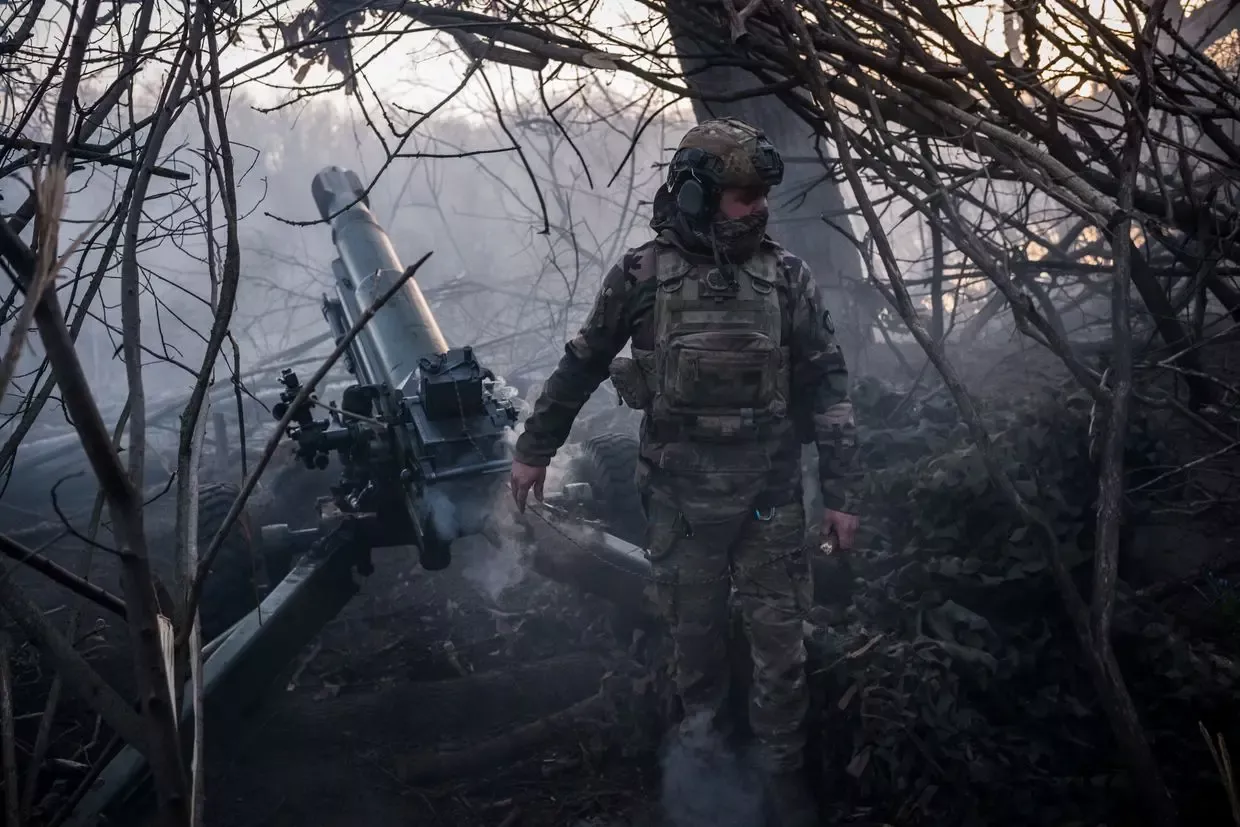
This week, two European officials, in their statements, indicated what the future of the European continent might look like. While one sees the end of Europe as we knew it, the other proposes that the same Europe should return to the old ways, at least in the area of security. At the same time, U.S. President Donald Trump, with his actions, provides arguments for both claims.
On Tuesday, in the magazine Foreign Affairs, Finnish President Alexander Stubb published a rather extensive article. Unlike articles where officials repeat commonplaces and advocate for only one policy, Stubb addresses strategic issues. The Finnish president, not surprisingly for a political scientist, discusses strategic issues for Europe and the world and attempts to provide solutions.
But to propose some solutions, Stubb had to delve into history, and not distant history. The article began with the statement that "the world has changed more in the last four years than in the previous thirty" and then recalled the wars in Ukraine, the Middle East, and Africa. It seems, Stubb writes, that "democracy is failing" and concludes that the "post-Cold War era is over."
For a Finn, such observations are expected. Due to Russian aggression in Ukraine, Finland joined NATO after decades of trying not to provoke Moscow, which was described in international relations as "Finlandization." Finland's membership in the European Union, which it joined after the collapse of the USSR, did not change this stance, and Finns have seen the crisis of democracy across Europe in the last four years. Outside of Europe, the situation is even worse, so it can now be said that the assessment of philosopher John Gray from the beginning of this century, that "democracy flourishes where it did not exist, and fails where it has long been established," no longer holds true.
Stubb: The End of Liberalism
"We are living in a new world of disorder. The liberal rules-based order that emerged after the end of World War II is now dying," Stubb wrote, stating that "the rivalry between China and the United States is setting the framework for geopolitics" and that "emerging middle powers, including Brazil, India, Mexico, Nigeria, Saudi Arabia, South Africa, and Turkey" are those bringing changes to the world stage.
"A triangular competition is taking shape between what I call the global West, the global East, and the global South. By choosing to strengthen the multilateral system or strive for multipolarity, the global South will decide whether geopolitics in the next era will tend towards cooperation, fragmentation, or domination," Stubb writes. "The next five to ten years will likely determine the world order for decades to come."
Stubb includes about fifty market economy countries in the global West, united in NATO, the European Union, and the Anglo-Saxon sphere of influence. He includes China and Russia and about twenty other countries in the global East. The global South comprises about 125 countries, for whose favor the West and the East are competing.
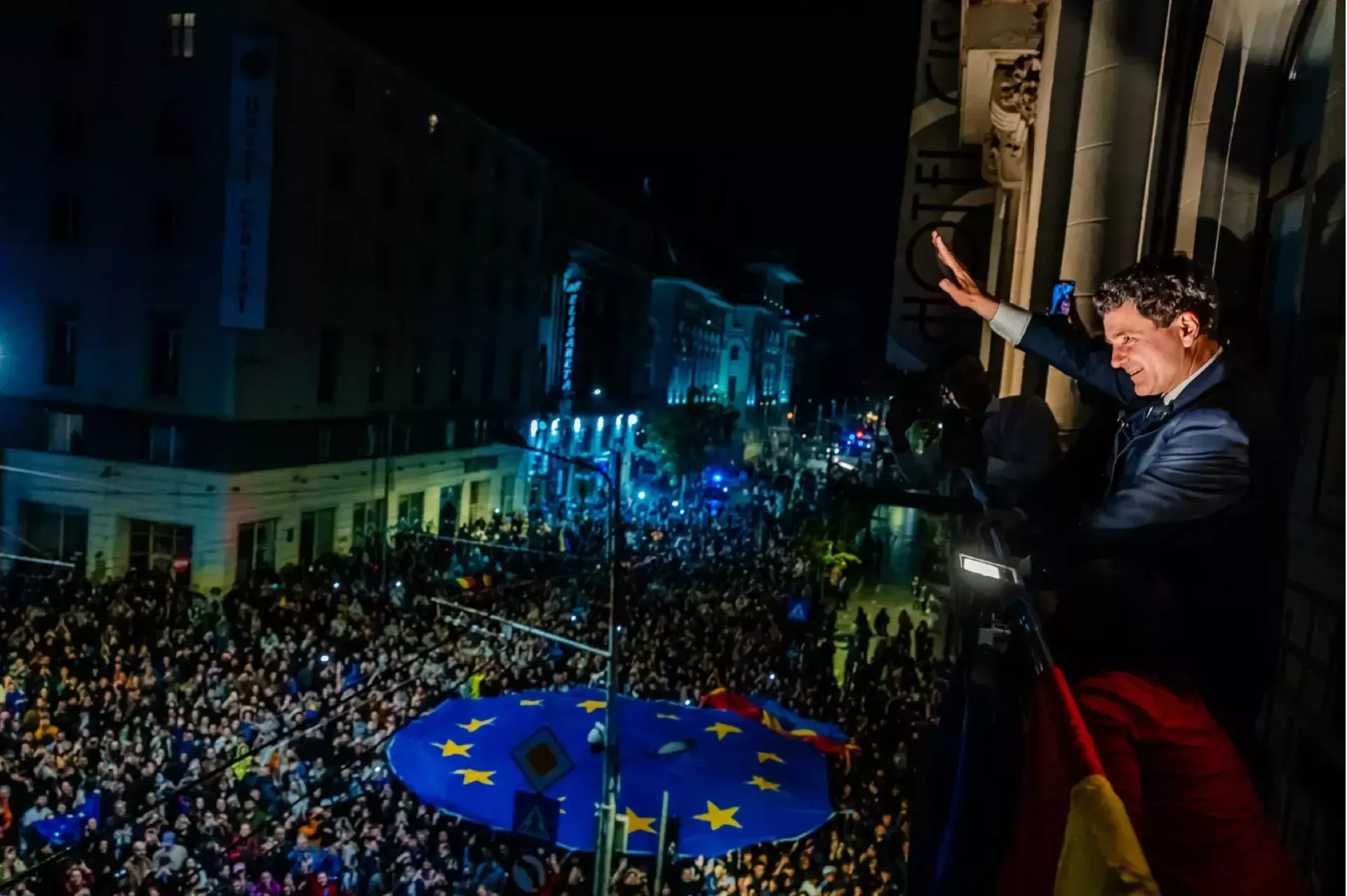
Stubb is not the only one who thinks this way. In mid-April this year, European Commission President Ursula von der Leyen said that "the West as we knew it no longer exists" and that the "world order" is turning into "world disorder" due to the ongoing struggle between the US, China, and Russia.
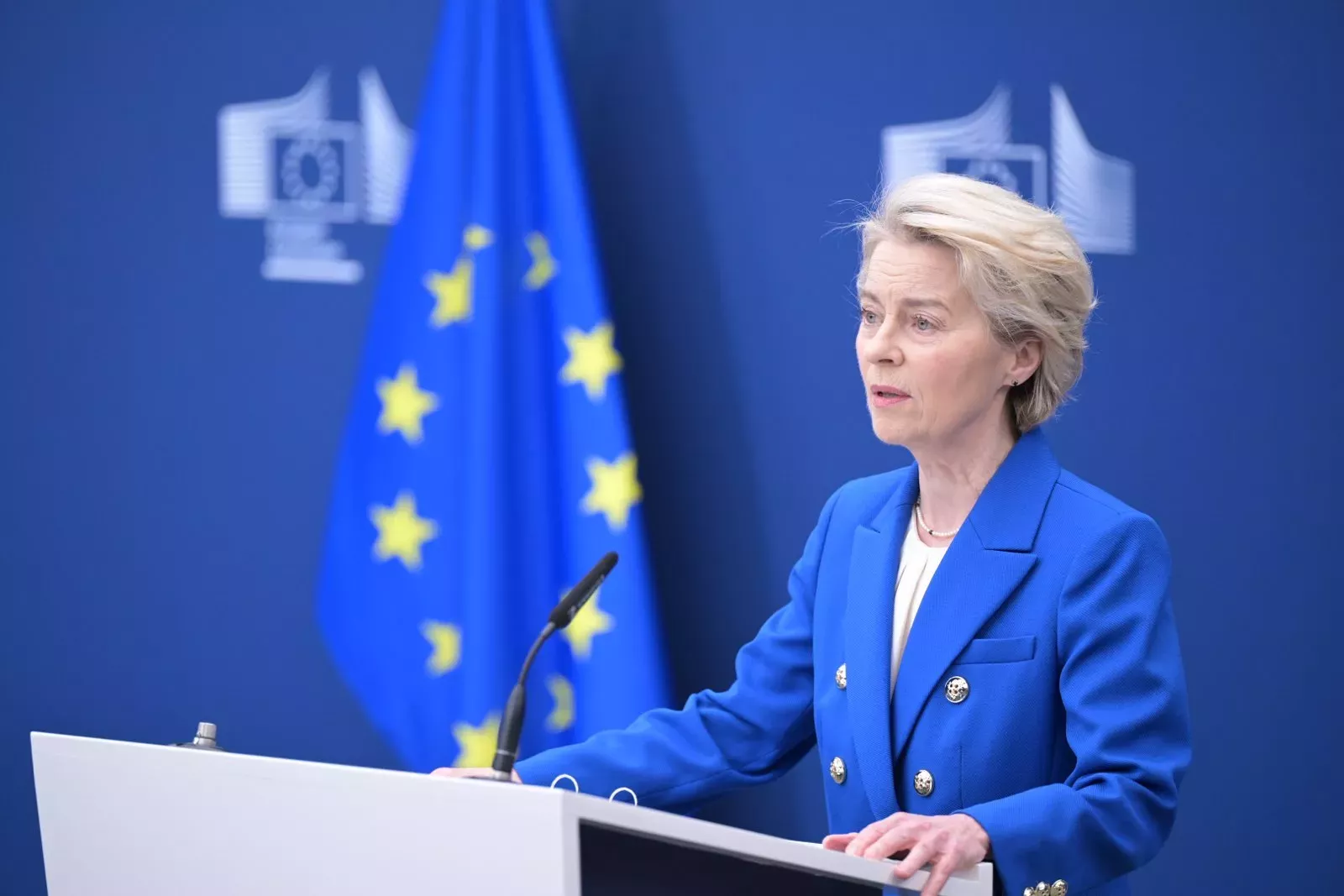
To stop this trend, Stubb proposes "fixing" existing multilateral organizations, while Von der Leyen promotes the European Union as a global player. Stubb regrets that the era of American unilateralism and liberal capitalism and democracy did not last longer after the collapse of the USSR, and then seeks its causes in the strengthening of China, American wars after September 11, 2001, and Russian aggression in Ukraine in February 2022. Stubb advocates for "realism" and facing the fact that different worldviews exist. Ultimately, Stubb believes, a "distribution of power between the global West, East, and South" is needed to create a "rebalanced world order."
Putin: The End of Europe
In the week when Russian President Vladimir Putin told Europe that he wants peace but is ready to fight if Europeans want it, another important Russian official made a different offer. Russian Ambassador to the United Kingdom Andrey Kelin told Sky News Arabia on Wednesday that Moscow wants to reach an agreement with Europeans on creating a security architecture of the "Old World Order" that would suit the interests of all states and that Russia is ready to give European countries written assurances that it will not attack them.
These statements from the Russian side came at a time of intense negotiations between Washington and Moscow to end the war in Ukraine. It is clear to everyone that these negotiations are not only deciding the fate of Ukraine but also many important matters for the European continent. After Putin demanded that European powers not participate in the negotiations, Trump accepted. Putin's outstretched hand to Trump could mean the end of an entire generation of European politicians.
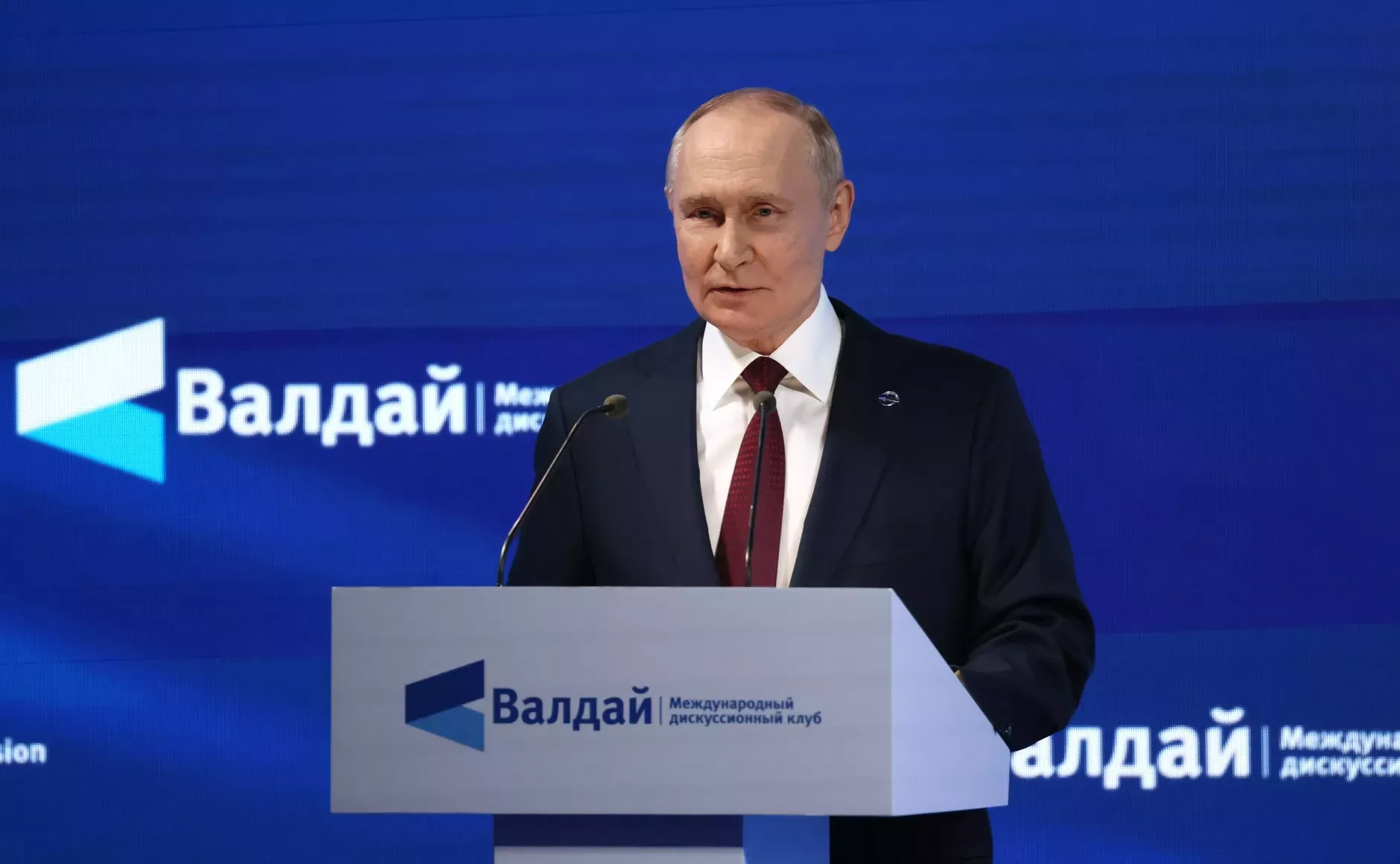
Putin has a more comfortable position in negotiations with Washington because there are no negotiations with European powers. This leads to the distancing of allies in the West and growing mistrust among them. Knowing that such an opportunity is offered by Trump's entry into the White House, Putin explicitly demanded that European states not be present at the negotiations on Ukraine, accusing them of the war in Eastern Europe. Putin can maintain such a position as long as his army in Ukraine is not stopped or until it suffers heavy blows that will force Russian elites and citizens to demand answers from the Kremlin.
This game of Putin's, while the West faces the fact that the world is changing in a direction that does not suit Washington and especially Brussels, can currently only be ended by two powers - China and the United States. China has no interest in ending a process that weakens the West, and Trump is now pursuing a policy that, in his opinion, should only benefit his country.
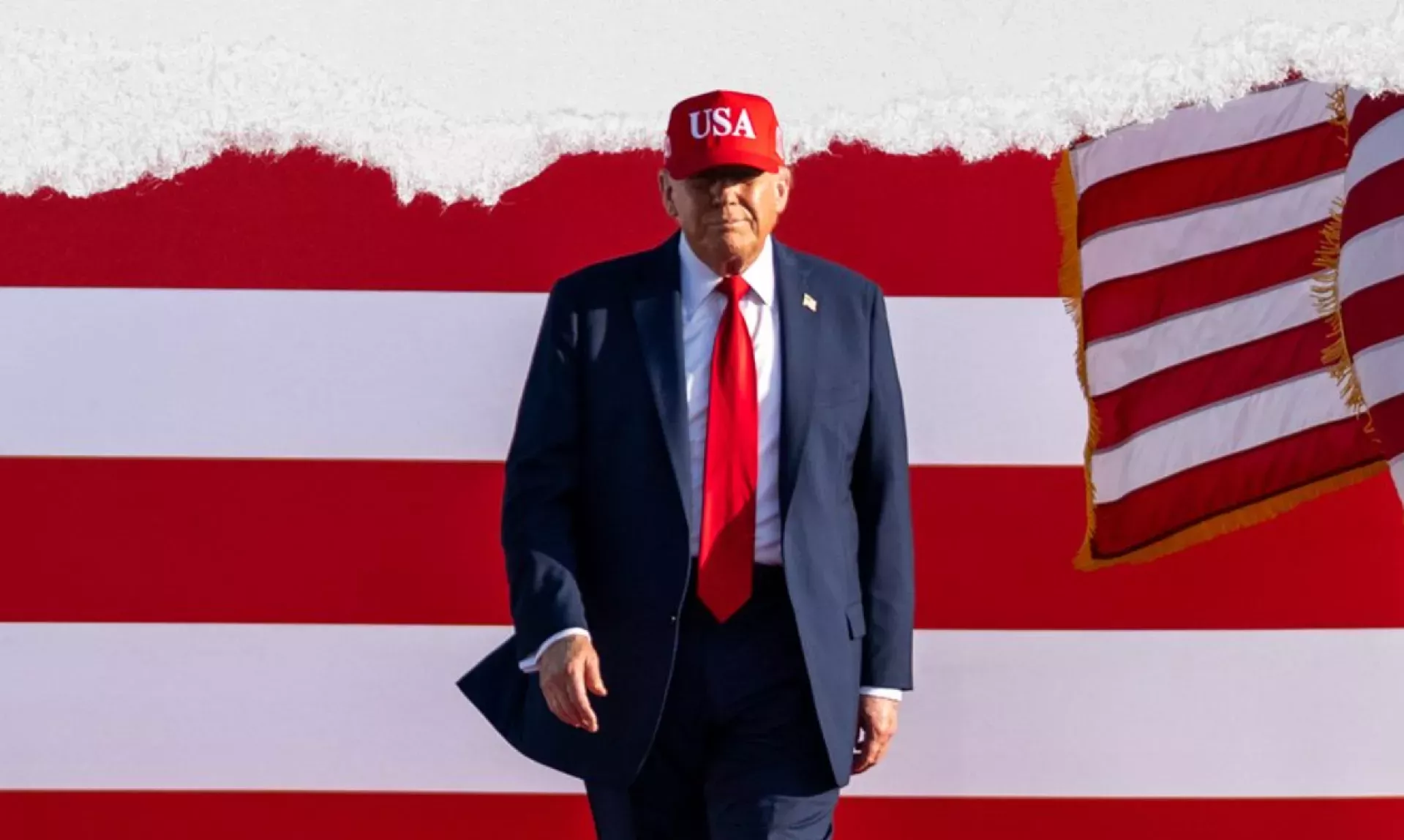
Trump's Decision
Stubb probably had all this in mind, as Trump welcomed him unexpectedly well and repeatedly brought him to the table where Washington and the old European powers sit. Moreover, Stubb was Trump's guest at his private estates.
Trump thus had the opportunity to determine the future of the European continent, not just Ukraine and Russia. In other circumstances, Europeans would be overjoyed if an American president could do that. But not in Trump's case. Ever since his return to the White House, Europeans have been considering whether there is a way to resist him, since there is no way to agree with him.
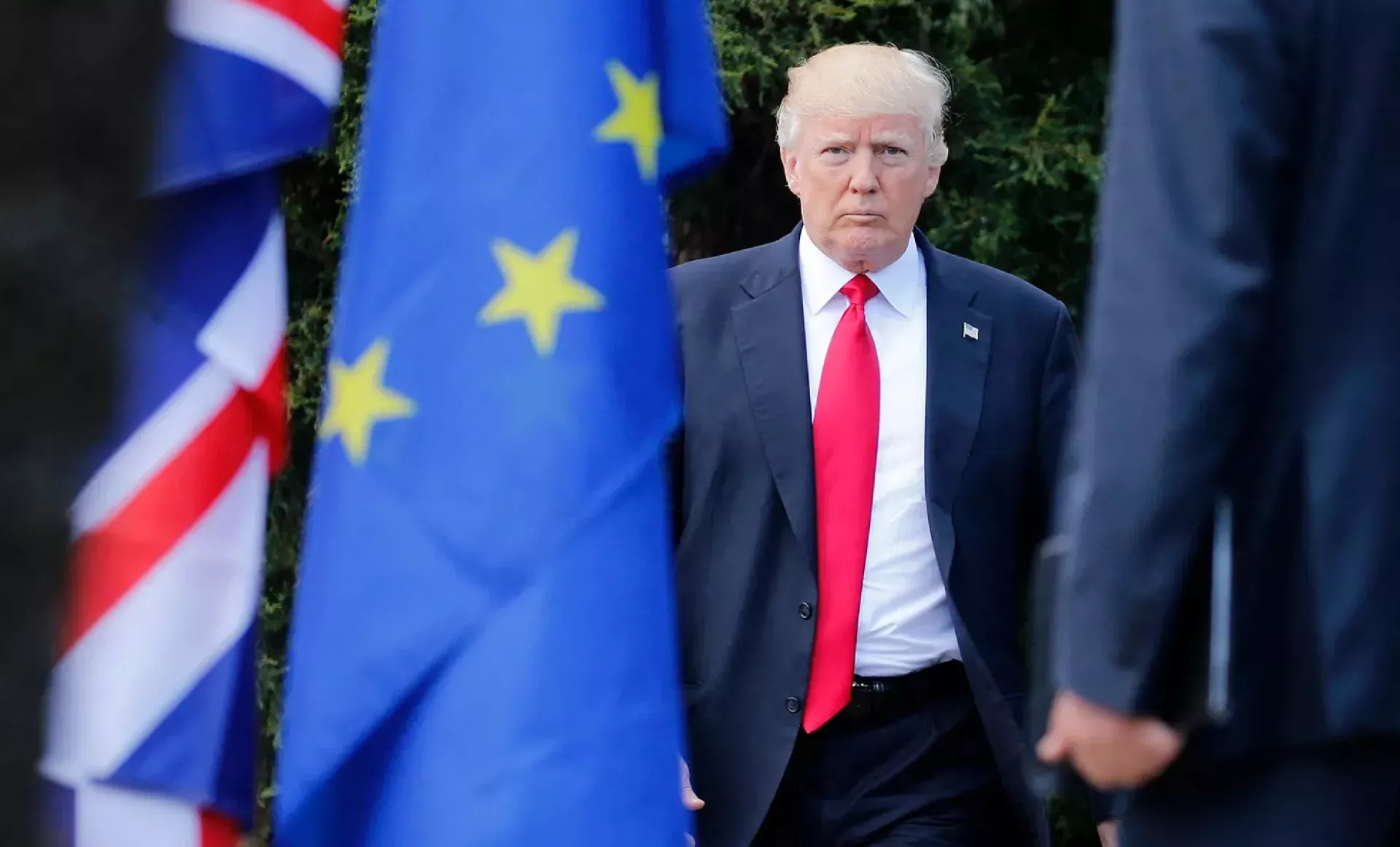
All the cards held by the participants in the great geopolitical game in Eastern Europe are known to Washington, Brussels, and Moscow, while every day counts whether the Ukrainian army and the Russian economy can withstand further losses. Therefore, the next moves depend on the political calculations of all parties and less on ideological convictions.
Also, it is clear that in that triangle, the European side is the weakest, not only due to the fact that it is not a military power but also because European unity can be disrupted by every new election. The defeat of Ukraine would be another stake in the heart of European unity. In other words, in addition to their reputation, European powers are also investing their plans for their own future. Therefore, it is not surprising that, although ready for almost any concession to Trump, they have raised their voices against Washington's unilateral moves.
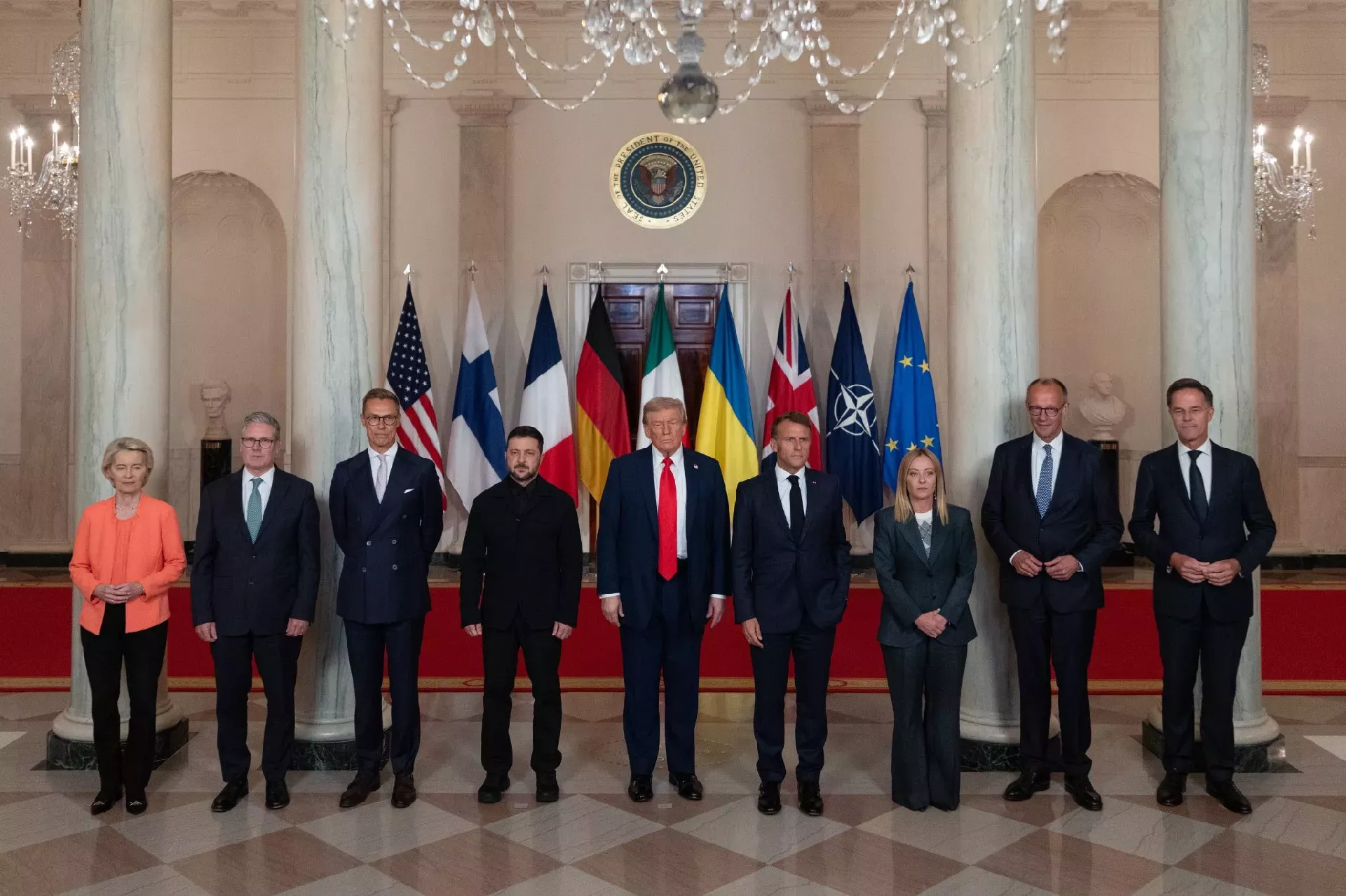
Many in the West may not find fault with Stubb's analysis and his views, and the pragmatic among them might consider Kelin's offer precisely based on their correctness. The West has finally accepted that the world has changed, but the complicating factor for them is that this awakening has come at a time when Trump is in the White House, viewing the world significantly differently than his predecessors and American allies in Europe, and this is precisely Putin's greatest opportunity.
Komentari (0)
Prijavite se za komentiranje
PrijavaJos nema komentara. Budite prvi!
Minuta
Sve →Iz drugih kategorija

High Representative Not Elected: Germans, French and British Sabotaged Americans, New Attempt at End of June

ČOVIĆ WITHOUT MERCY: How Those Who Brought Ademović to Office Created a Political Hell for Him



Sunny Saturday, quite warm



Tragedy in Albanian resort: Two minors drown












