
By Armin Sijamić
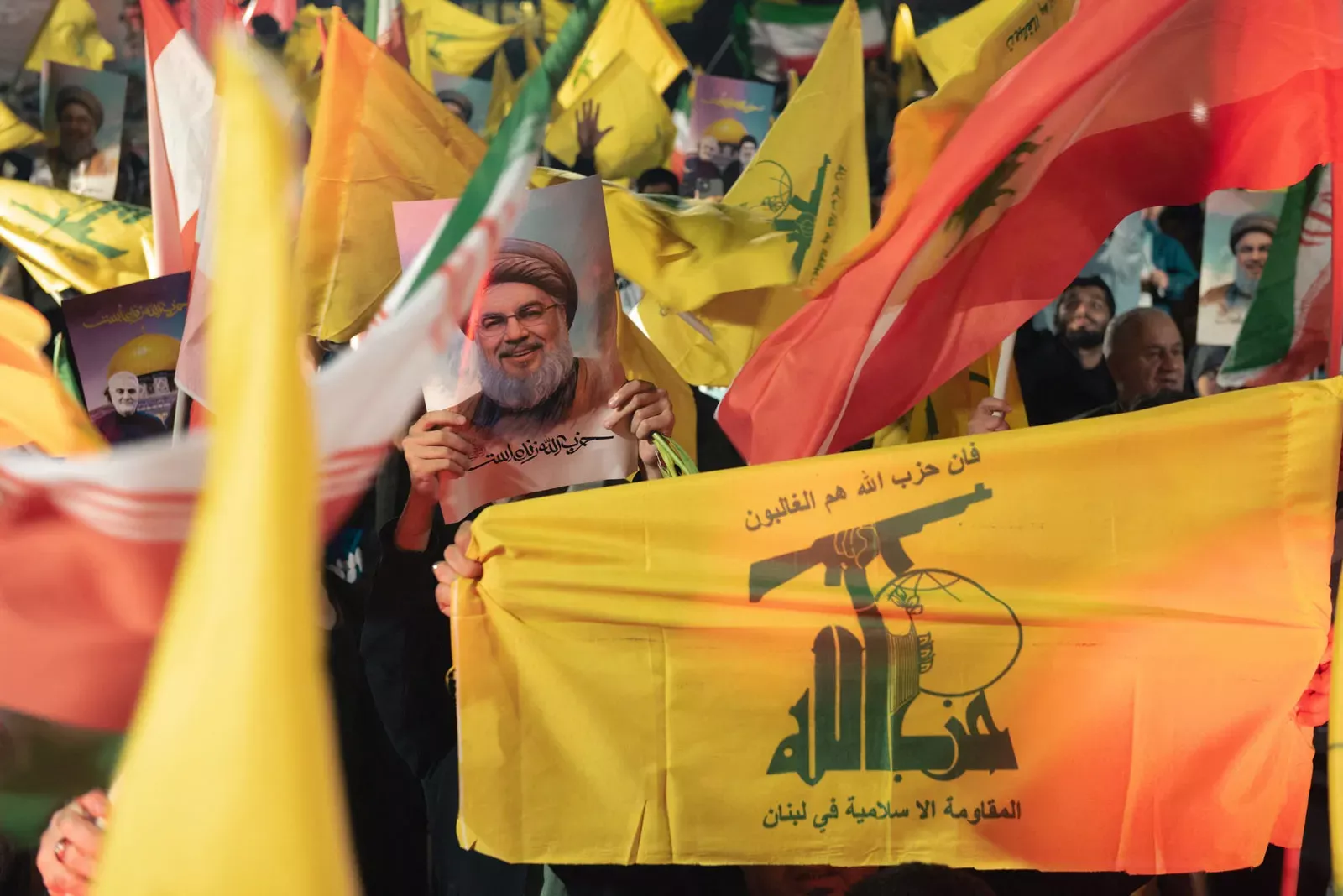
Lebanon is once again facing processes whose outcome cannot be predicted. The government is demanding the disarmament of the Shiite movement Hezbollah, without providing answers to their questions about what will happen next.
At the beginning of this month, the Lebanese government yielded to pressure from the United States – the state should have a monopoly on force, and others must disarm by the end of the year. In this specific case, Hezbollah must hand over its weapons to the Lebanese army, according to the American proposal, which is based on an agreement that group reached with Israel, signing a ceasefire in the war that began after Hamas's attack on southern Israel on October 7, 2023.
In exchange for Hezbollah's disarmament, according to the American plan, Israel will withdraw from Lebanon and cease military operations in this country.
This is the culmination of months of pressure exerted on the authorities in Beirut by the US Ambassador to Turkey and Special Envoy for Lebanon and Syria, Tom Barrack. This diplomat, a close friend of US President Donald Trump for decades, has spared almost no means to force the authorities in Beirut to fulfill his demands, which are also supported by Israel and Saudi Arabia.
„On one side you have Israel, on the other Iran, and now you also have Syria manifesting so quickly that if Lebanon doesn't move, it will again be Bilad Al Sham,“ Barrack recently said, using the historical name for the region. These words were interpreted by some as a message that the United States is ready to support Syria in taking a part of Lebanon, even some areas where Lebanese Christians live in significant numbers.
American pressure continued last week. Washington requested the cessation of UN peacekeeping operations on the border between Lebanon and Israel, while France is seeking an extension of the mandate for another year. The UN Security Council will discuss this in the coming days.
An Opportunity for Israel
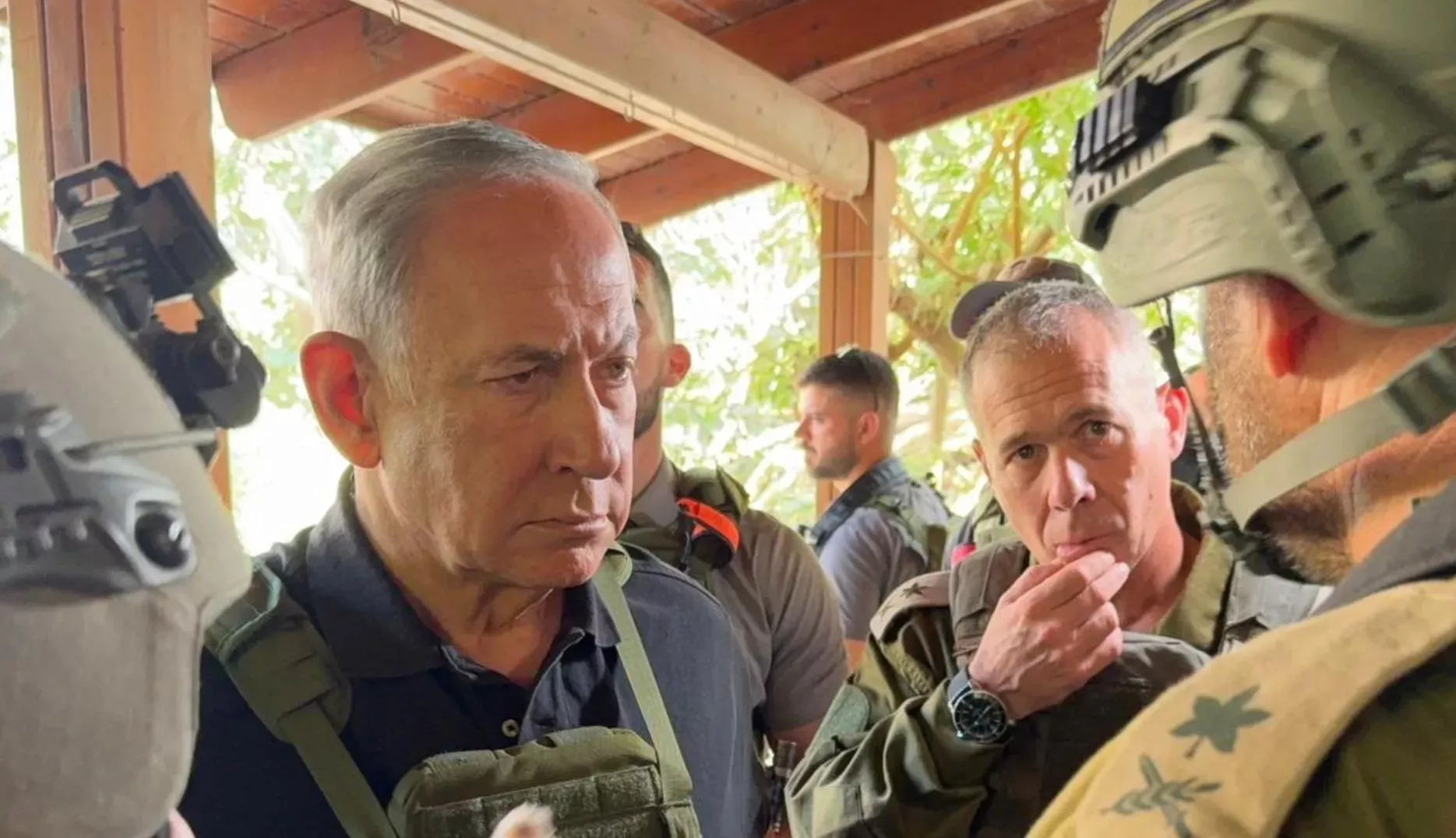
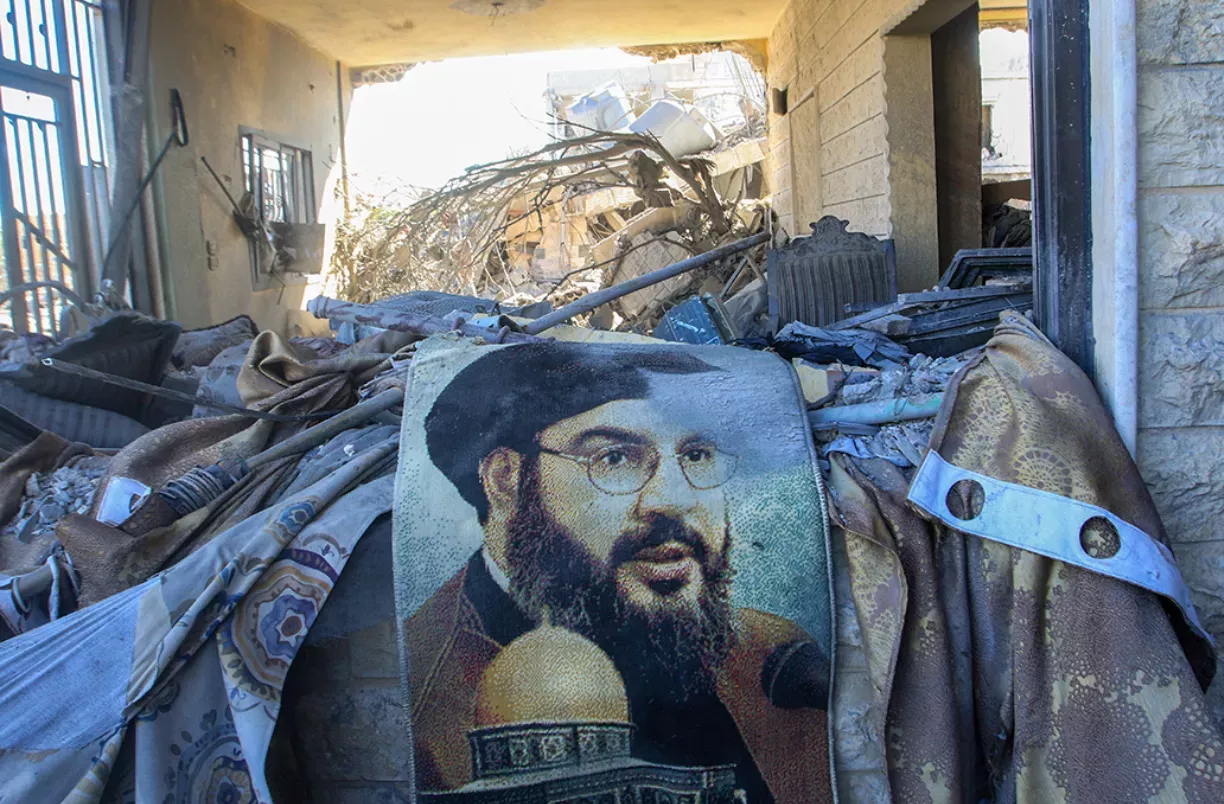
The destruction of Hezbollah is one of the priorities for Israeli Prime Minister Benjamin Netanyahu. He sees Hezbollah and its former leader Hassan Nasrallah not just as an armed group. Explaining why he decided to assassinate Nasrallah, Netanyahu will say that he concluded that he was precisely the leader of the Iranian axis of resistance beyond Lebanon.
Whether this is just a skillful political move by the Israeli prime minister is less important than the fact that Hezbollah is an obstacle for the Israeli army to occupy territory north of its borders. An Israeli incursion into Syria, after the fall of Bashar al-Assad's regime, shows what it could look like, and Lebanon without weapons might be treated like the West Bank after the Palestinians laid down their arms.
This opportunity for Israel came after the wars following Hamas's aforementioned attack. Israel's biggest success since then has been the overthrow of Assad, whom Nasrallah once called the "backbone" of (pro)Iranian forces in the Middle East and stated that his fall meant defeat in Palestine. The current government in Damascus, composed of former members of Al-Qaeda and ISIL, has declared (pro)Iranian forces as enemies and has begun disarming and destroying Palestinian groups in Syria. This gives Netanyahu freedom of action, while Hezbollah feels surrounded, as it no longer has a land connection with Iran.
Netanyahu wants to exploit the fact that Hezbollah has suffered heavy blows in the war they have been fighting for months, that there is a new government in Damascus, and that the West, along with Saudi Arabia, is conditioning aid promised to the Lebanese government on certain actions. For the reconstruction of a devastated Lebanon and the revival of its struggling economy, the West demands that Hezbollah be pushed out of power and surrender its weapons that could threaten Israel. In a further step, this would lead to the elimination of another Israeli enemy.
Hezbollah's Response
Hezbollah leaders understand that without weapons, they have no chance of pursuing their policies. Media close to them repeat this, citing examples where Arabs have been repeatedly betrayed by the West in favor of Israel. The latest example they cite is that Israel still controls five points in Lebanon and has violated the signed ceasefire hundreds of times by bombing Hezbollah and civilian targets.
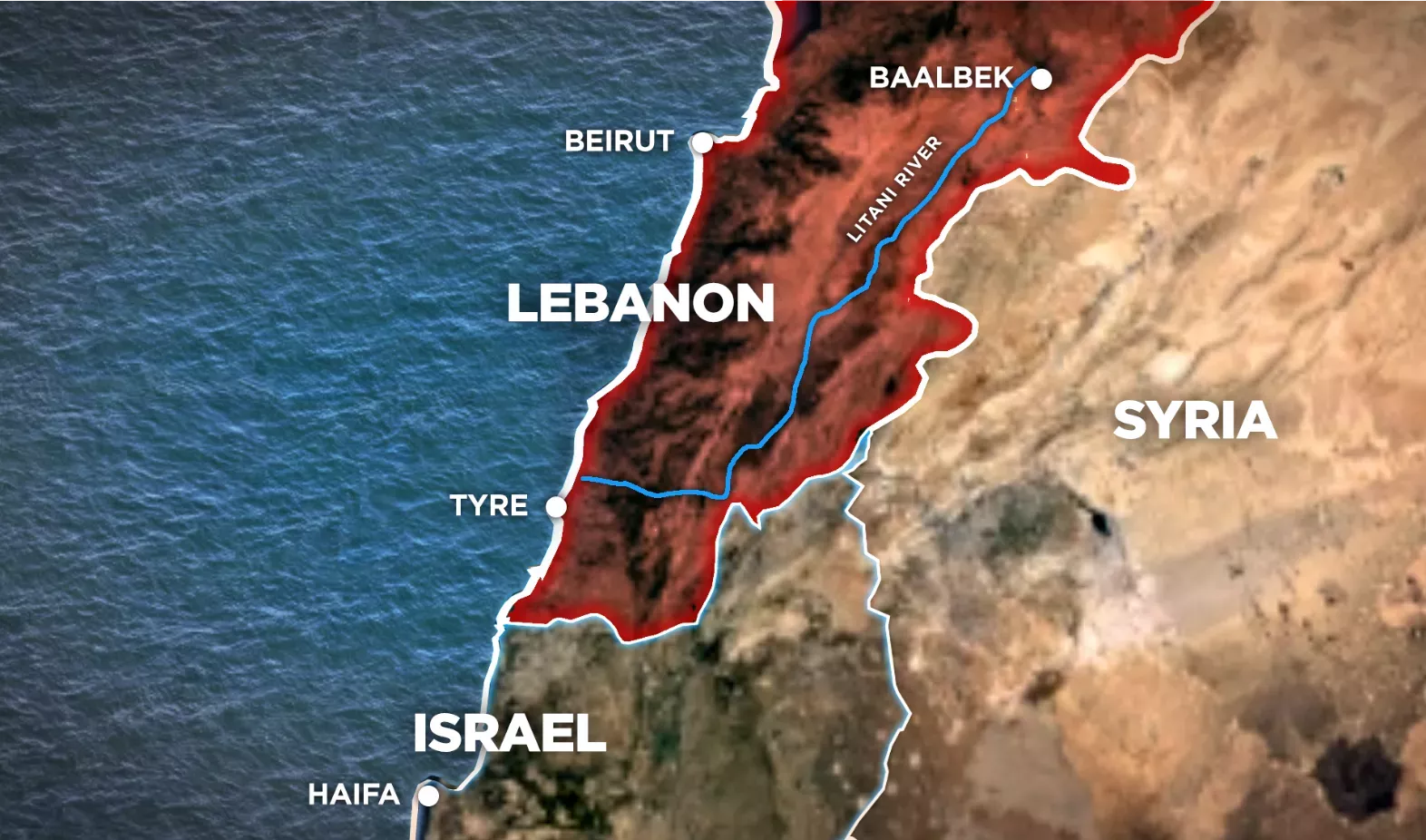
Naim Qassem, the leader of Hezbollah, refuses disarmament. Hezbollah has repeatedly stated for years that the UN Charter gives it the right to self-defense and claims that it will not use its weapons against other Lebanese factions. Hezbollah claims they have fulfilled their part of the ceasefire agreement by handing over most of their positions to the Lebanese army and withdrawing their forces north of the Litani River, which is about thirty kilometers from the Lebanese-Israeli border.
Qassem said last week that „the government is implementing the American-Israeli order to end the Resistance, even if it leads to civil war and internal conflicts“ and added that „the Resistance will not surrender its weapons as long as the aggression continues, the occupation continues, and we will fight against it... if it is necessary to confront this American-Israeli project regardless of the cost.“ He called on the government to „not hand over the country to the insatiable Israeli aggressor or the American tyrant with unlimited greed,“ adding that the state „will be responsible for any internal explosion and any destruction of Lebanon.“
„This government serves the Israeli project, consciously or unconsciously,“ he said. „If you feel helpless, let us face the enemy ourselves. You don't need us to engage.“ He then said that the government's duty „is not to hand over the country to the enemy or to uncontrolled American hegemony,“ asking officials: „How can you, as a government, facilitate the killing of your own citizens?“
In a sharp tone, Qassem asked Lebanese government officials: „Have you heard of Netanyahu's plan to establish 'Greater Israel'? What can you say about this? What are you doing about it?“ He then stated that Hezbollah, and thus the Shiite community in Lebanon, will „fight in the battle of Karbala,“ alluding to a battle important to Shiites. „Humiliation is far from us,“ Qassem declared.
Beirut Caught in Crossfire
Qassem's speech was described by Prime Minister Nawaf Salam as an „implicit threat of civil war,“ and he stated that „any threat or intimidation associated with such a war is completely unacceptable.“
Salam rejected Qassem's remarks that Hezbollah's disarmament is an American-Israeli move. „Our decisions are exclusively Lebanese, made by our cabinet, and no one tells us what to do,“ he said. Salam also called on official Tehran to stop interfering in Lebanese affairs, calling Iran a friendly country to Lebanon.
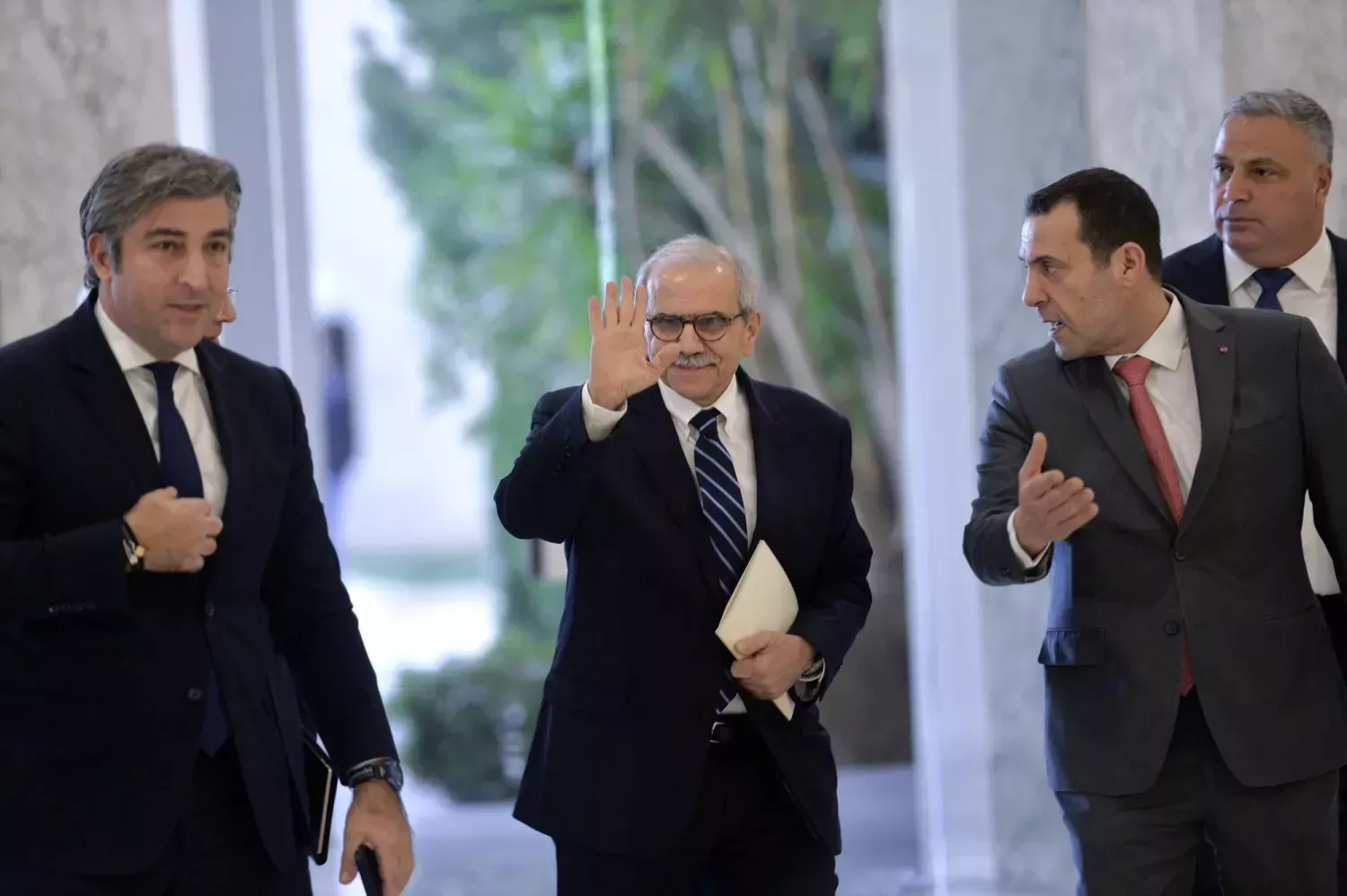
Shortly before the aforementioned statements by Qassem and Salam, a high-ranking Iranian official, Ali Larijani, visited Beirut, where he expressed support for Hezbollah and the Shiite community in Lebanon.
This outcome, which was expected due to the situation in the Middle East and the relations between Iran and the United States, has once again brought Lebanon to the brink of war, whether it will be a repeat of the bloody civil war or a new episode in the decades-long war waged by Israel and Hezbollah.
The government in Beirut does not have the strength to disarm Hezbollah, as it is stronger than the Lebanese army in every respect. On the other hand, Israel would not approve of heavily arming the Lebanese army, as it does not want to have forces on its border that are ready to defend or attack. Therefore, if Hezbollah does not voluntarily lay down its arms, the government in Beirut will have difficulty fulfilling the promise it made to Washington.
The Shiite community feels isolated and threatened. Many among them believe that only Hezbollah's weapons and unity with the allied Amal can protect them. Some of them ask on social media for solidarity from their Sunni brothers, after Hezbollah sacrificed thousands of lives in an effort to help Sunni Hamas. However, apart from Hamas, few political addresses in the Middle East outside the Shiite world currently appreciate this.
The most important question now is what official Beirut plans. Some government critics point out that the West said there would be peace on the West Bank when the Palestinians disarmed, that Assad's departure would bring peace to Syria and the region, while pointing fingers at the Gaza Strip. The government in Beirut has no answers to these questions, and various factions in Lebanon have their own plans for this country.
Komentari (0)
Prijavite se za komentiranje
PrijavaJos nema komentara. Budite prvi!
Minuta
Sve →Iz drugih kategorija

High Representative Not Elected: Germans, French and British Against Americans, New Attempt at End of June

ČOVIĆ WITHOUT MERCY: How Those Who Brought Ademović to Office Created a Political Hell for Him



Sunny Saturday, quite warm



Tragedy in Albanian resort: Two minors drown












