
By Armin Sijamić
The bloodshed in Israel and subsequently in the Gaza Strip, due to its brutality and scale, overshadows various political processes that would otherwise be important news. One such process is Moscow's attempt to get closer to Muslims around the world, using the destruction of the Gaza Strip and criticizing the support the United States provides to Israel.
Although a third of a century has passed since the collapse of the USSR, today's relations in the Middle East are still strongly determined by Moscow's policy at that time. After the collapse of the communist bloc, Moscow changed some points in its policy, but some remain the same to this day.
One of those policies that has lasted for decades is the issue of Palestine. Moscow has supported and continues to support the creation of a Palestinian state, although it is not at the top of its priority list. Support for governments and movements, especially those that resist Western interests, and consequently Israeli interests, is one of the most important points in Russia's presence in the region.
Nevertheless, much has changed in its approach to the Middle East, as Jews have moved to Israel after the collapse of the USSR. Many of them have maintained ties with Russia, adding personal relationships to good business and political relations, while many are citizens of both countries.
Russia and the US, Ukraine and Palestine
Russia's good relations with Israel have so far withstood the test of the war in Syria. Namely, Israel targets everything there except Russian troops, which frustrates official Damascus and its allies in Iran and Lebanon.
But things began to get complicated after Russia's aggression against Ukraine. Western pressure on allies to align with the anti-Russian camp forced Israel to nominally support Ukraine, sending symbolic aid to the country, but not to its military for combat operations. Israel then found itself in a dilemma whether to unconditionally support Ukraine, i.e. Washington, or to try to maintain good relations with Moscow, which could make life hell for Tel Aviv by changing its policy in Syria.
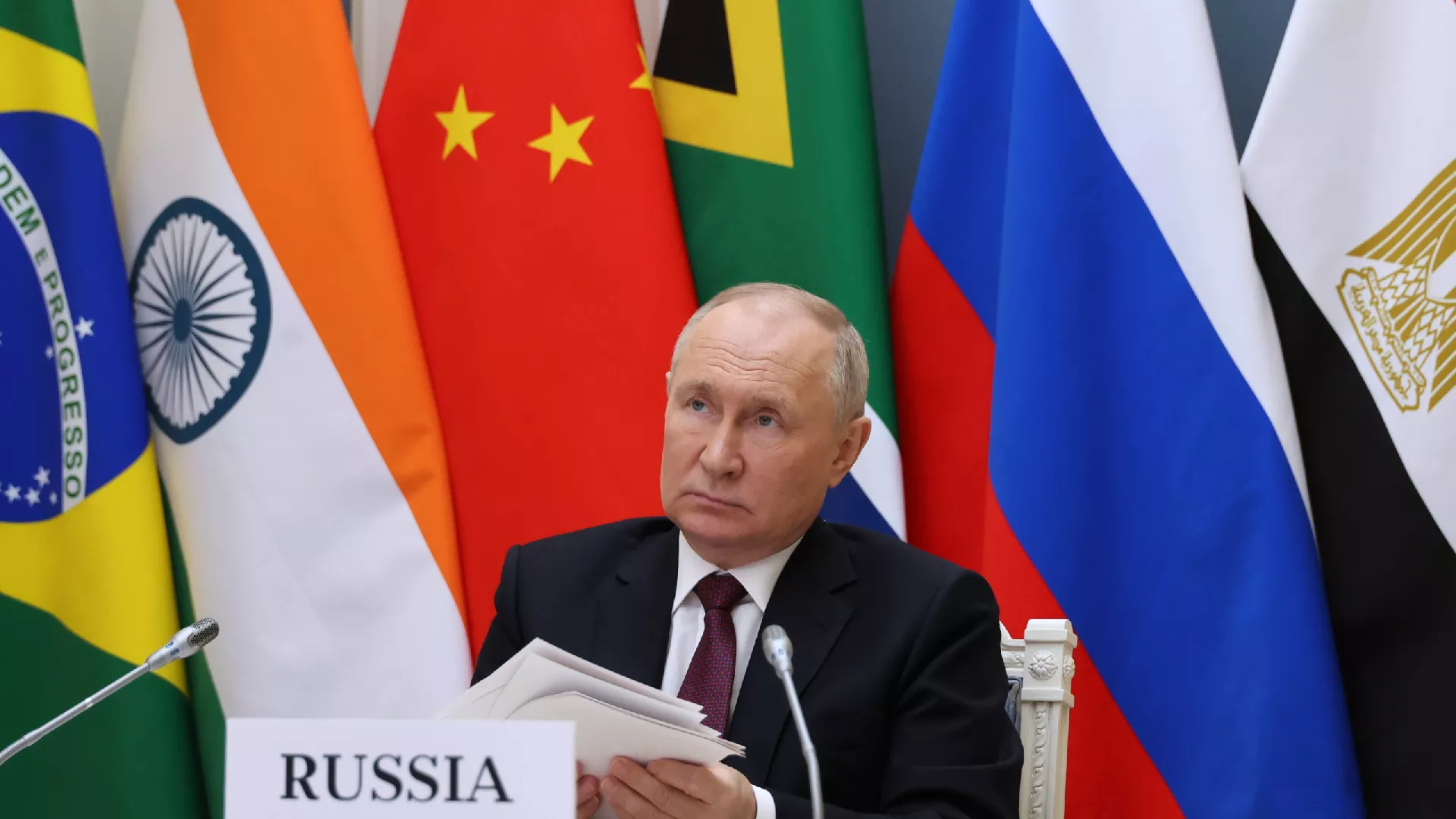
Isolated from the rest of Europe, Russia has now made the first move and clearly shown Israel that in the conflict with Hamas, Russia supports Palestine. Russia received a Hamas delegation less than two weeks after their incursion into Israel and has supported Palestine on multiple occasions. Tel Aviv understood this as support for Hamas, which is not essentially Russia's idea, and three days after the group's attack on Israel, Vladimir Putin said that the attack was a consequence of flawed American policy.
Moscow seeks to capitalize on the wave of emotion in the Muslim world caused by the Israeli attack on the Gaza Strip and present itself as someone who disagrees with the policies supported by the West.
On several occasions, Russia has accused the United States of being the main culprit for the massacre in Israel and the Gaza Strip, extending a hand to all those who disagree with the current policy of Washington and Tel Aviv, and there are many such people in the Muslim world.
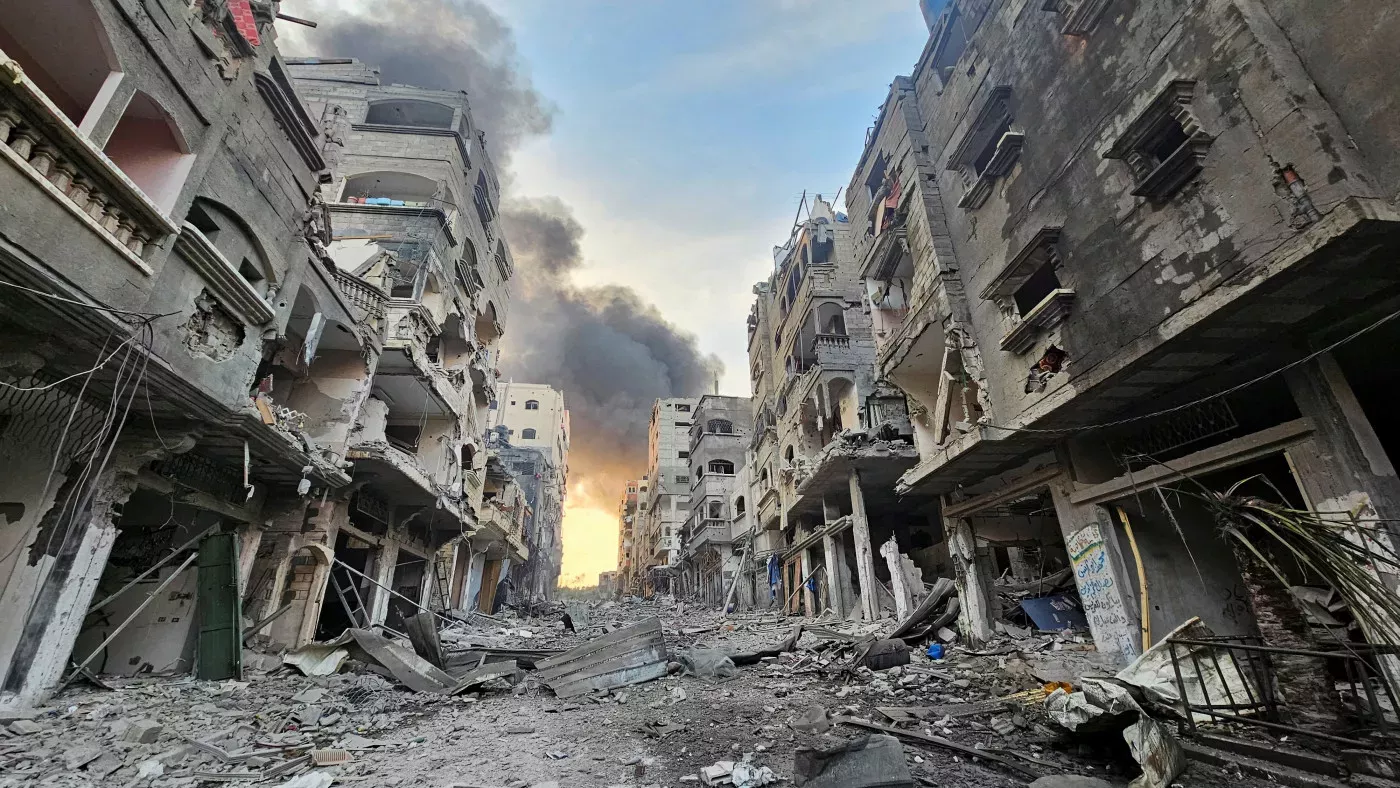
Russia's attempt to mobilize the Middle East and Africa for Russia's confrontation with the West in Ukraine has partially failed. Muslim countries have, for the most part, refused to impose sanctions on Moscow, but at the United Nations, they sided with Kyiv. A large number of these countries view the war in Ukraine as a European issue that does not bind them.
The West tried to thwart a new attempt to rally Muslim countries around Russia with a media campaign on October 7, when some claimed that Russia and Iran were behind the Hamas attack. As "proof," some cited the coincidence of the attack date with Vladimir Putin's birthday. The spin failed, and US officials said there was no evidence that Russia had prompted Hamas to carry out the attack.
But the danger of Russia rallying Israel's enemies has not passed. This is also clear to Amir Weitmann, a member of the ruling Likud party, who, in an interview with Russian RT after the start of the war with Hamas, angrily stated that Israel, after defeating the Palestinian group, would punish Moscow. "Russia supports Israel's enemies. We don't forget what you're doing. We will come, we will make sure Ukraine wins," he said.
Russia is using the dissatisfaction of the "global South" and playing that card, blaming the West, and less so Israel. The Kremlin's primary goal is to attribute the bloodshed in Gaza to the United States and the European Union, spreading the narrative that it is a kind of clash of civilizations in which Russia sides with the Muslim world.
"The unequivocal support of the United States and the West for Israel's actions has dealt a severe blow to Western foreign policy in the eyes of the Arab world and the entire global South," wrote Russian Senator Alexei Pushkov on Telegram.
Putin is counting on Muslims
Putin has played this game of getting closer to Muslims several times. Let's recall some examples.
After the war in Chechnya, Putin won over the local population with financial investments in the devastated cities and villages, allowing local leaders to shape political and religious life. Then, sending Chechen and other Russian Muslim soldiers to Syria to guard mosques and search homes for terrorists, or a classic PR move when he received world champion in multiple martial arts, Khabib Nurmagomedov, and his father, whom he "begged" not to be too strict in punishing his adult son for inappropriate behavior after the championship fight.
Putin is also doing this for domestic purposes. According to estimates, there are about 25 million Muslims in Russia, or every fifth inhabitant of the country, and the birth rate in the Muslim community is higher than among ethnic Russians. Part of Putin's outreach to this community is the largest mosque in Europe, which he opened in Moscow in 2015, in the presence of Turkish President Recep Tayyip Erdoğan and Palestinian President Mahmoud Abbas.
That Putin is counting on Muslims in his confrontation with the West is also evident in recent weeks when Russia has been working with numerous Muslim countries, the Arab League, the Organization of Islamic Cooperation, BRICS members, and in the UN Security Council. In all these Russian statements, a just solution for the Palestinians is sought, i.e., the establishment of two states in that area.
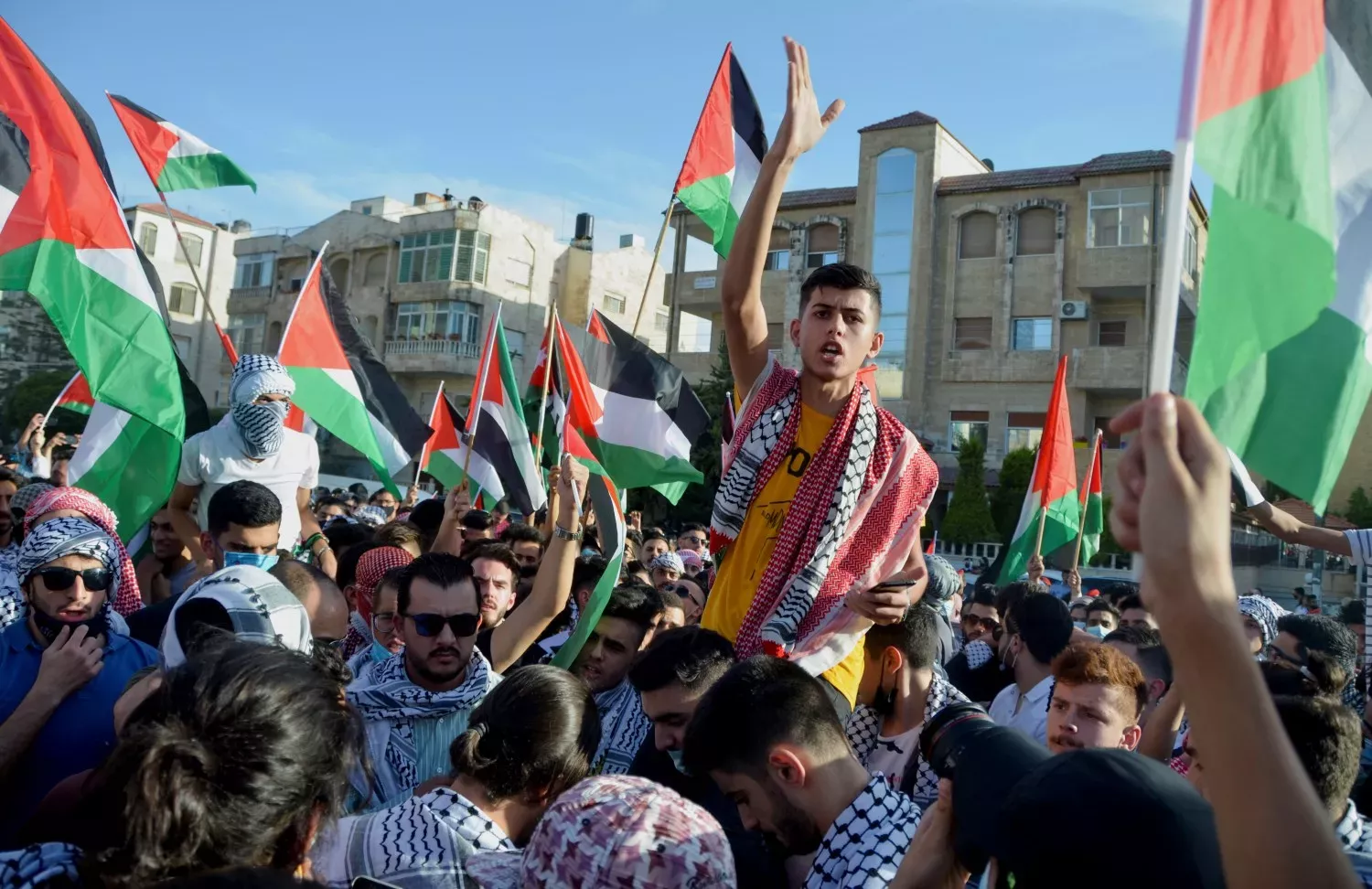
Although Russia is not to blame for the war between Hamas and Israel, there is no doubt that this war suits it in its competition with the West. The longer the war lasts, the more people will look at the West with anger and contempt. The administration of Joseph Biden is aware of this, and from the first day of the war's outbreak, it has worked to prevent the war from spreading in the Middle East, while simultaneously protecting Israel, which enjoys enormous support in the United States, especially among Republicans.
Therefore, Russia is using the opportunity to strengthen its positions in the Muslim world, presenting itself as a rival to the United States. There is no doubt that Moscow wants a seat at the negotiating table where decisions will be made on this and similar crises, nor that this endeavor will be supported by some regional actors or the Palestinians themselves. Essentially, the Kremlin is thus entering a space created for them by Israeli Prime Minister Benjamin Netanyahu with the operation in the Gaza Strip. An additional problem for the West is that Russia is thus strengthening its positions in the Middle East and beyond, while anger grows among those Putin is targeting.
Komentari (0)
Prijavite se za komentiranje
PrijavaJos nema komentara. Budite prvi!
Minuta
Sve →Iz drugih kategorija

High Representative Not Elected: Germans, French and British Sabotaged Americans, New Attempt at End of June

ČOVIĆ WITHOUT MERCY: How Those Who Brought Ademović to Office Created a Political Hell for Him



Sunny Saturday, quite warm



Tragedy in Albanian resort: Two minors drown












