
By: Armin Sijamić
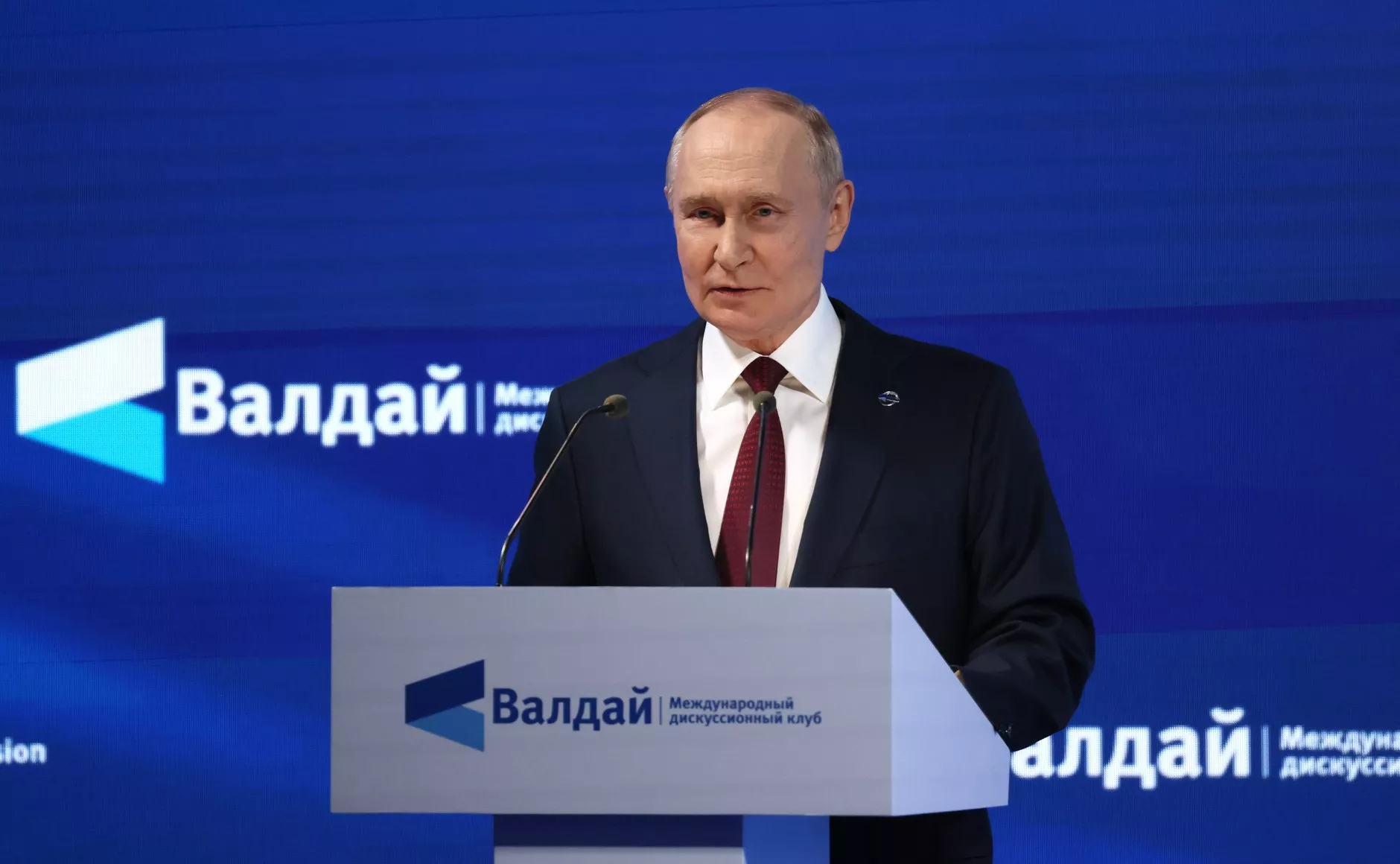
The Russian city of Sochi once again gathered guests from various parts of the world from September 29 to October 2. The Valdai International Discussion Club was an opportunity for the President of Russia, Vladimir Putin, to once again send messages to Russians, Europeans, and the rest of the world.
Gatherings in this Russian city, less than five hundred kilometers by air from the occupied Ukrainian Crimea, were once an important event for people from the West as well. The gathering of the political, academic, journalistic, and business communities was an opportunity for (in)formal discussions, especially with Russian officials. This year's meeting was titled "A Polycentric World: The Rules of the Game".
However, since the beginning of the Russian aggression against Ukraine, this forum has mainly gathered those who want to hear Vladimir Putin, who is under an international arrest warrant and whose movement is restricted. Since then, this forum has been an opportunity for the Kremlin to tell the rest of Europe that everyone is wrong except Russia itself.
"Critically Ill" Putin and a Four-Hour Performance
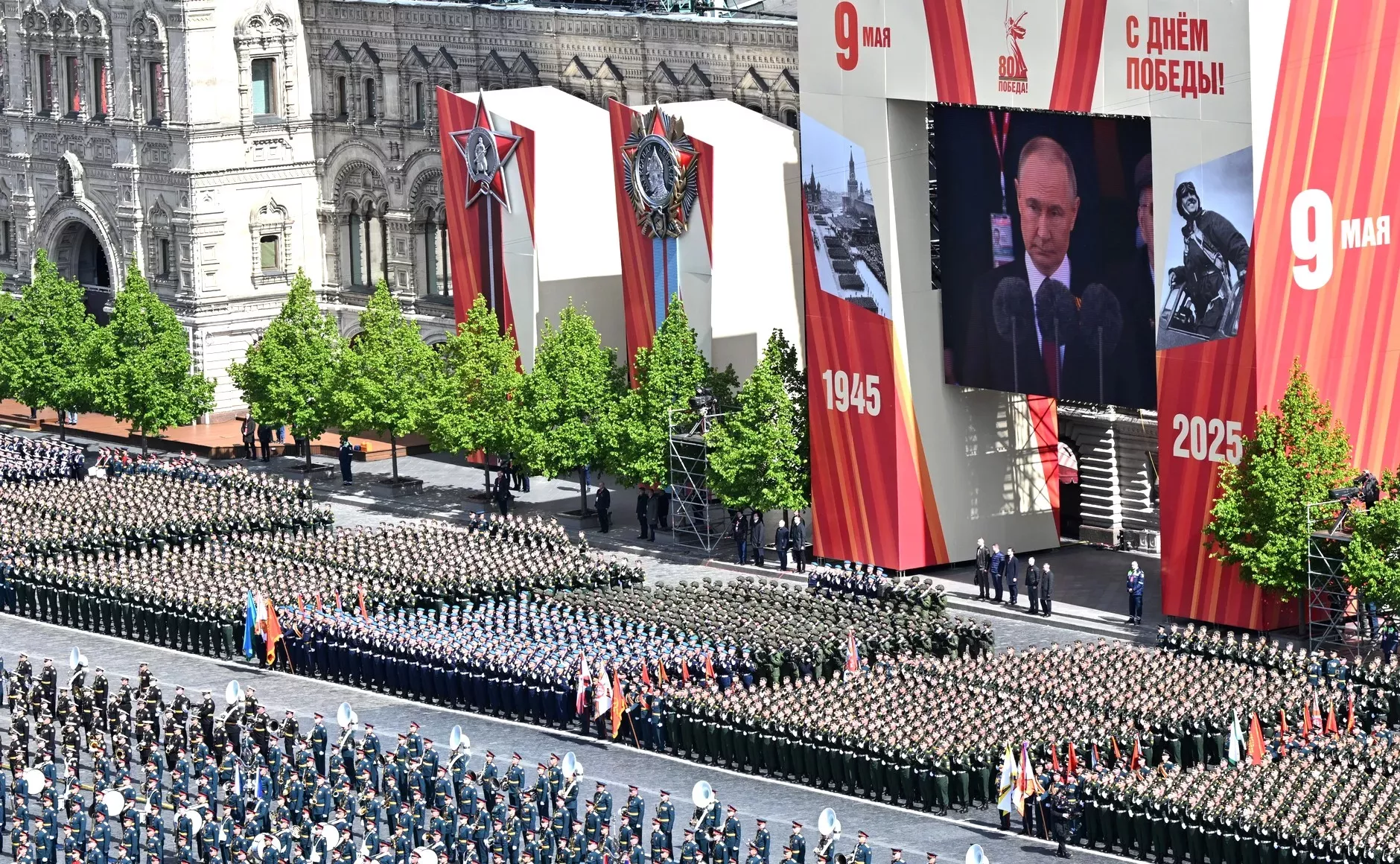
This year's, 22nd Valdai International Discussion Club was thoroughly followed by numerous Western media outlets. Some of them broadcast Putin's entire speech, which lasted just under four hours, on their websites. This event received the attention that Western media usually devotes to military parades in Moscow in May.
There is nothing new in Putin's long speeches. He has done this many times, and it is part of his image as a strong leader. Among other things, he has appeared on television programs that last for hours and answered questions from callers. Although these questions and performances are not such that they would shake the image of an all-powerful president, they still require a certain level of fitness.
However, this year's long speech by Putin was also important due to last week's statement by former Italian Prime Minister Massimo D'Alema, who returned from a military parade in China.
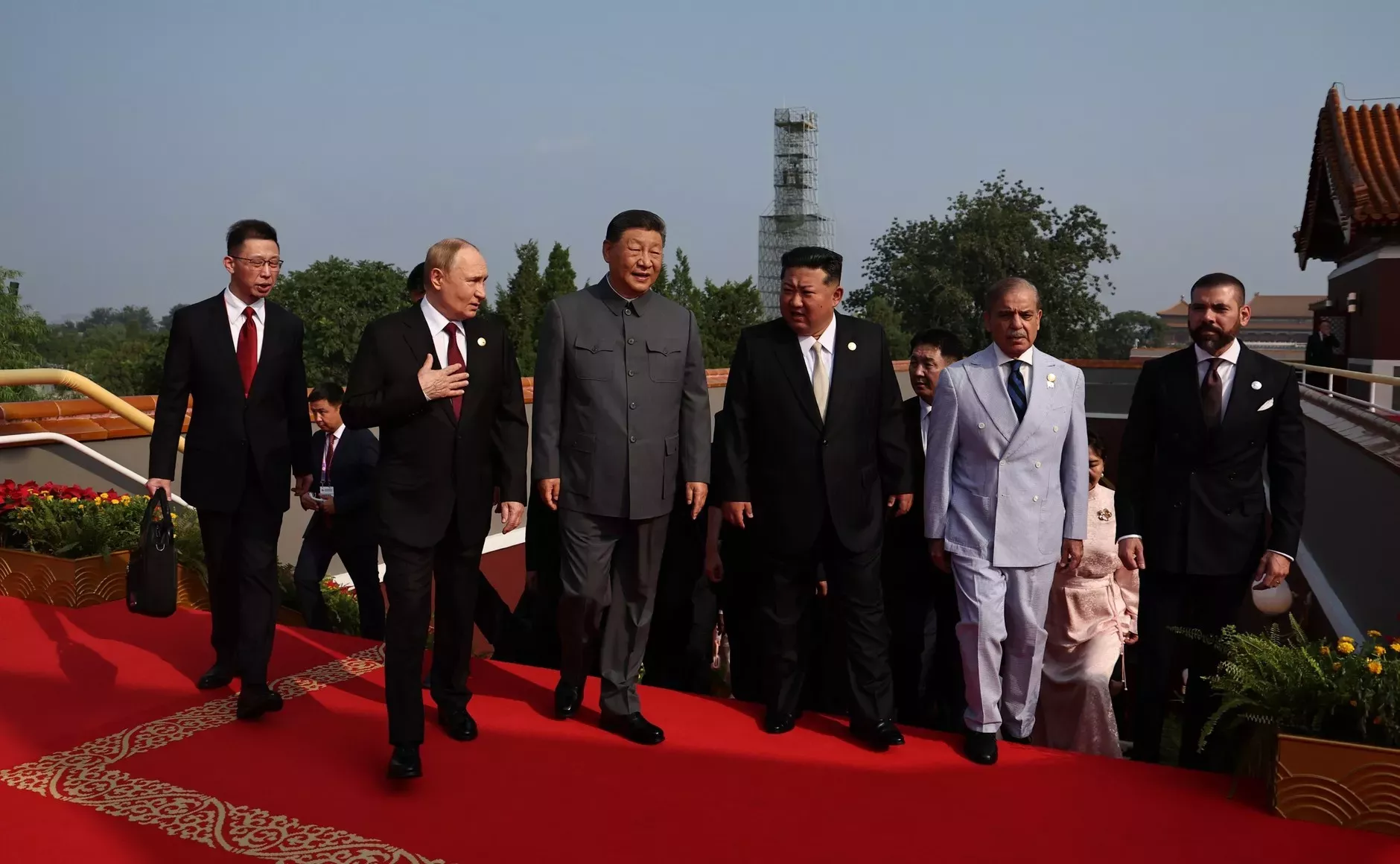
D'Alema, the first communist to head a NATO member state, stated that he saw Putin in Beijing, who was "very exhausted," supported by two people, and reminded him of former Italian Prime Minister Silvio Berlusconi in the final stages of his life.
The former Italian prime minister's statement recalled reports from "British intelligence" at the beginning of the Russian aggression against Ukraine in February 2022, which stated that Putin was seriously ill, that his legs and arms were failing, but that he was skillfully hiding it in his public appearances.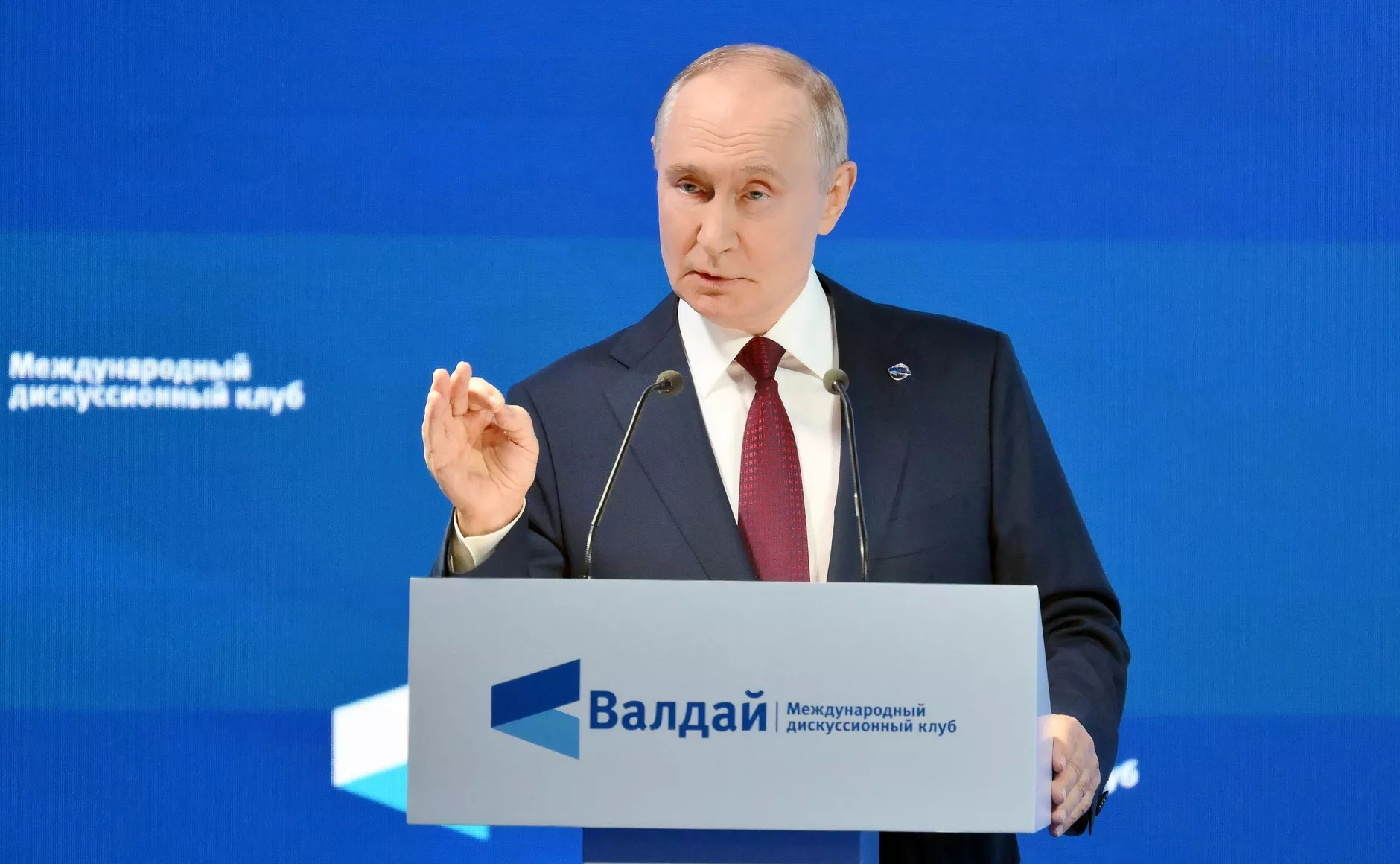
Warlike Putin and a Hostile West
Almost four years after those reports, Putin shows no signs of illness. On the contrary, he shows the same belligerence as in 2022 when he justified the aggression against Ukraine with quasi-historical arguments and concerns about NATO expansion, while ignoring Finland's accession to this military alliance, even though his native St. Petersburg is only about two hundred kilometers from the Finnish border.
Yesterday's speech is a continuation of that policy, although he has adapted some messages to the current situation. Two years ago, from the same place, he said: "I have friends there (in Germany), and however strange it may sound, their number is growing." Yesterday, due to Europe's attitude towards the Kremlin, he said: "The Europe that Russian Westerners love no longer exists. This is due to the erosion of its value foundations."
Two years ago, he said that the United States was struggling with economic difficulties but would "print money" for Ukraine as during the coronavirus pandemic. This year, he stated that US President Donald Trump, "despite his love for shocking values, is a pleasant interlocutor" with whom he is improving Russian-American relations, which were "at their lowest point in history." He praised Trump, saying he "knows how to listen" to his interlocutor, avoiding a direct answer to a Chinese journalist about the concrete results of the summit in Alaska.
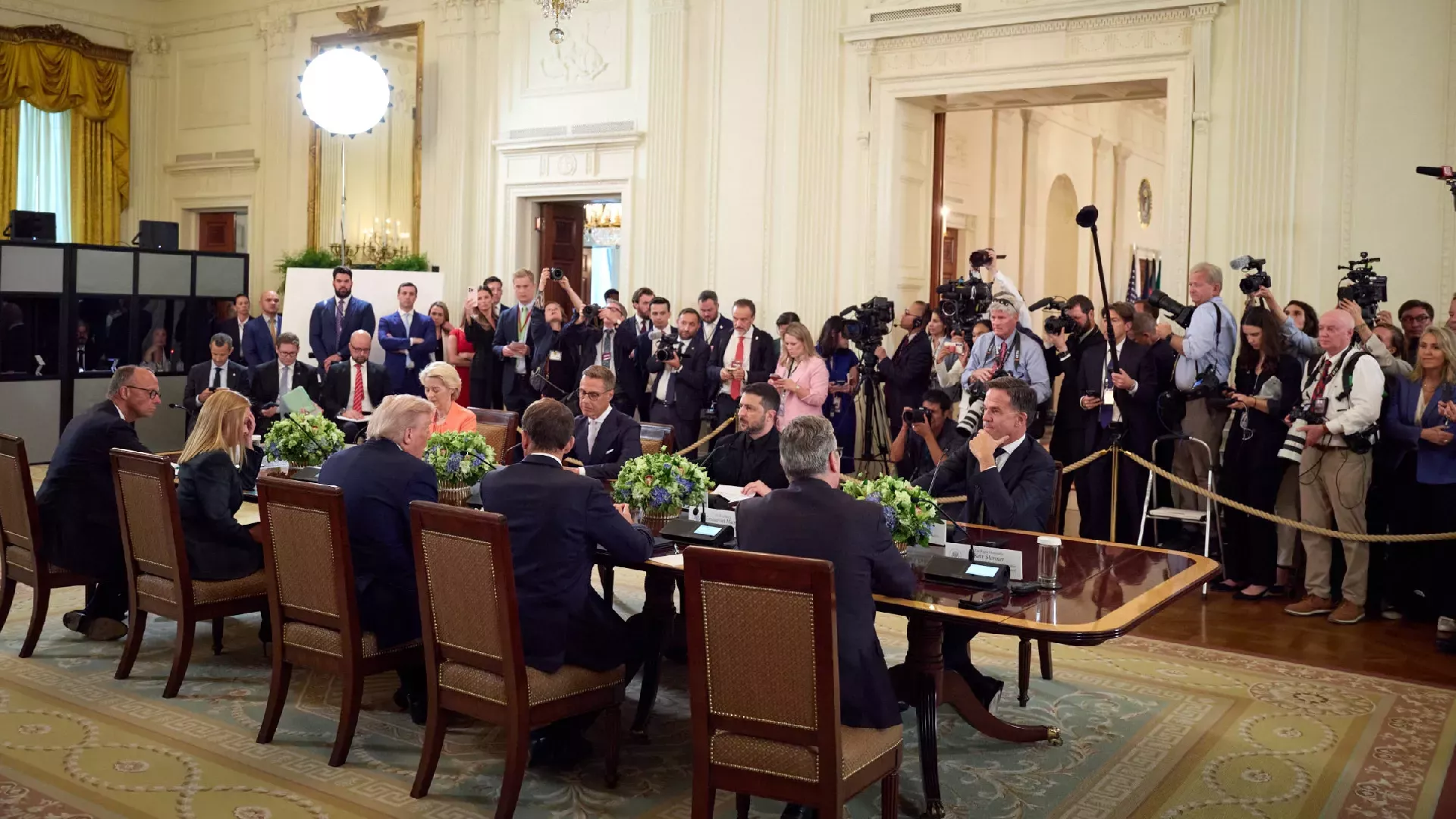
However, that praise for Trump's character was only momentary. At another point, he became angry with Trump for calling Russia a "paper tiger" at the United Nations due to the weak performance of the Russian army in Ukraine.
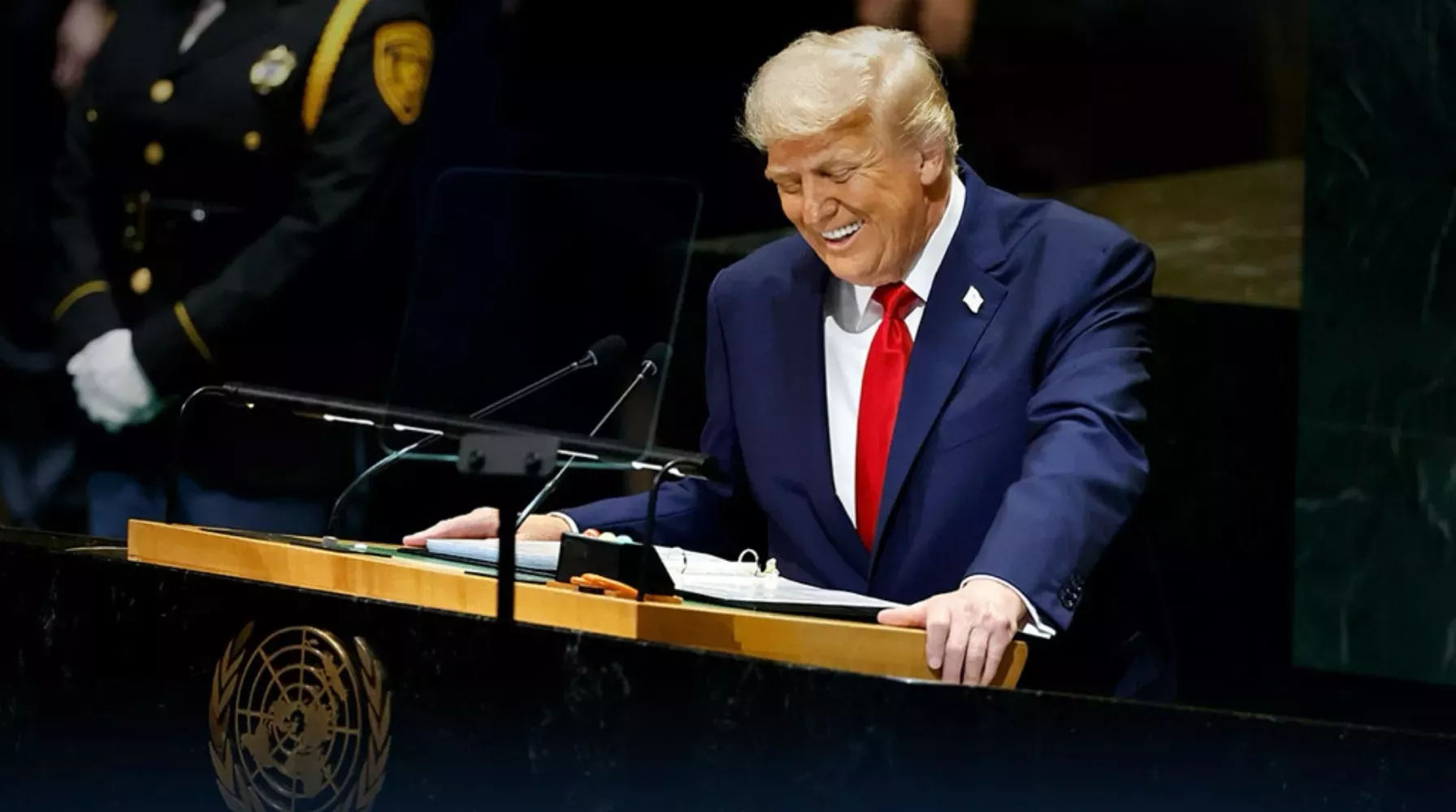
"Paper tiger. What's next? Come on, deal with that paper tiger," he said. "So if we are fighting the entire NATO, we are moving, progressing, and confident, and we are a 'paper tiger', then what is NATO?" "If someone wants to compete with us in the military sphere, as we say, feel free, let them try," Putin said.
Europe in a Pre-War State and the Streets That Worry Putin
However, Trump has not crossed a line that Trump might consider a personal insult. It seems that Putin, which is normal, wants to win over Trump and not complicate his position in a divided West with his public appearances. Putin clearly still hopes that Trump might distance himself from European allies in favor of Moscow.
Europeans understand what this means and where Putin's policy is leading if there is no just peace in Ukraine and Trump reaches an agreement with Putin without considering the interests of European powers. Europe is "in a pre-war state," Polish Prime Minister Donald Tusk said last March. "I don't want to scare anyone, but war is no longer something from the past," he said. In January of this year, speaking on the same topic, Tusk said: "The time of comfort is over." In the same speech, Tusk will say that "Europe must be armed if it wants to survive."
What this means specifically, we could see once again in mid-last month when Poland had to intercept drones over government buildings in Warsaw and along the border with Ukraine. For Putin, as he said yesterday, this is "hysteria," and he provocatively told Europeans to "look at what is happening in the streets of European cities."
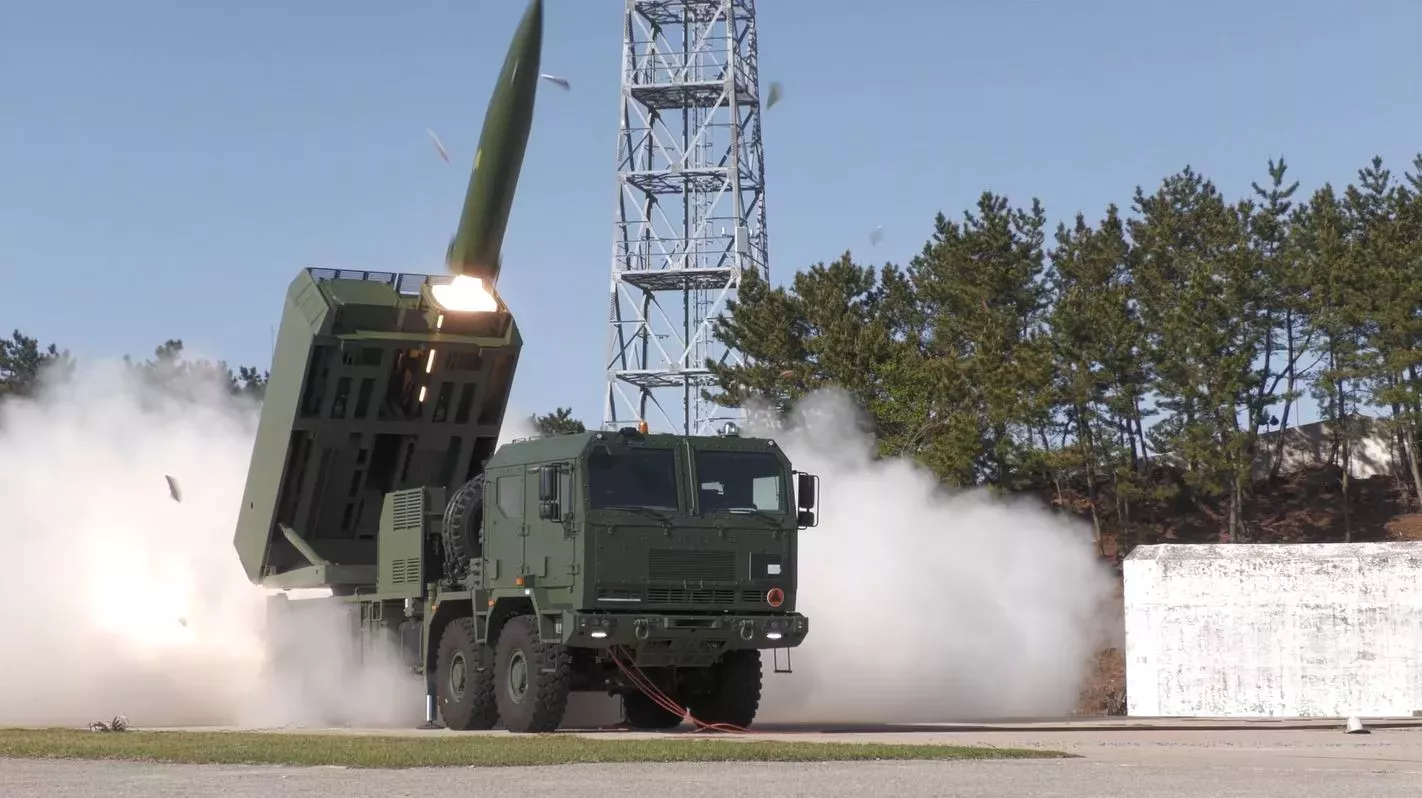
What Putin meant when he spoke about European cities is not entirely clear. Various problems in European cities exist, and that is completely clear, but it is not clear why the Russian president would be concerned with them in the context of tensions that could lead to an open conflict between the two sides, unless his goal is to sow division between Washington and Brussels, and then within Brussels itself.
Putin's play for Trump, if possible, is not surprising. Ever since Putin came to power, and perhaps even before, there has been a calculation in the Kremlin that the power of the United States will break sooner or later, as was the case with the USSR, and that the European Union will surely disintegrate. Therefore, it is not surprising that two years ago, from the same place, he stated that he did not mind Ukraine joining the European Union, but he did mind its entry into NATO.
In other words, European or any other values are a lesser threat to Putin's Russia than NATO and American military power. Tusk rightly noted that for this reason, he needs a strong army in Eastern Europe, regardless of the situation on the European streets that supposedly interests Putin. From the war in Georgia, through the annexation of Crimea, the war in Syria, and the aggression against Ukraine, Putin shows that his successful policy ends where Russian tanks stop and when the opposing side does not make concessions to him.
Komentari (0)
Prijavite se za komentiranje
PrijavaJos nema komentara. Budite prvi!
Minuta
Sve →Iz drugih kategorija

High Representative Not Elected: Germans, French and British Against Americans, New Attempt at End of June

ČOVIĆ WITHOUT MERCY: How Those Who Brought Ademović to Office Created a Political Hell for Him



Sunny Saturday, quite warm



Tragedy in Albanian resort: Two minors drown












