
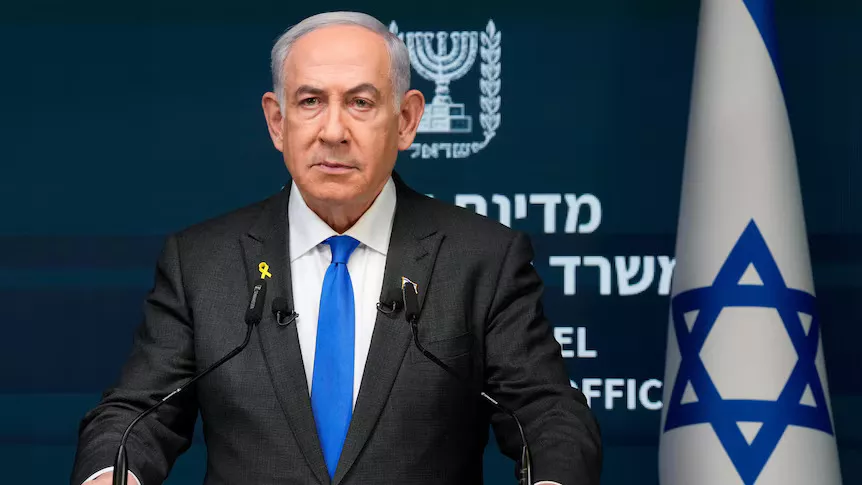
By Armin Sijamić
One of the last successes of US President Joseph Biden was achieving a ceasefire between Israel and Lebanese Shiite Hezbollah. The two sides, with American mediation, agreed to a ceasefire on November 27 last year, without signing any agreement.
At a time when Biden was preparing to leave the White House, Israel, America's most important ally, was at war on multiple fronts. One of them was causing it particular problems, as Hezbollah, despite all the blows it had suffered, remained on the Israeli border. In addition to inflicting heavy losses on the Israeli army, Hezbollah had displaced and paralyzed northern Israel.
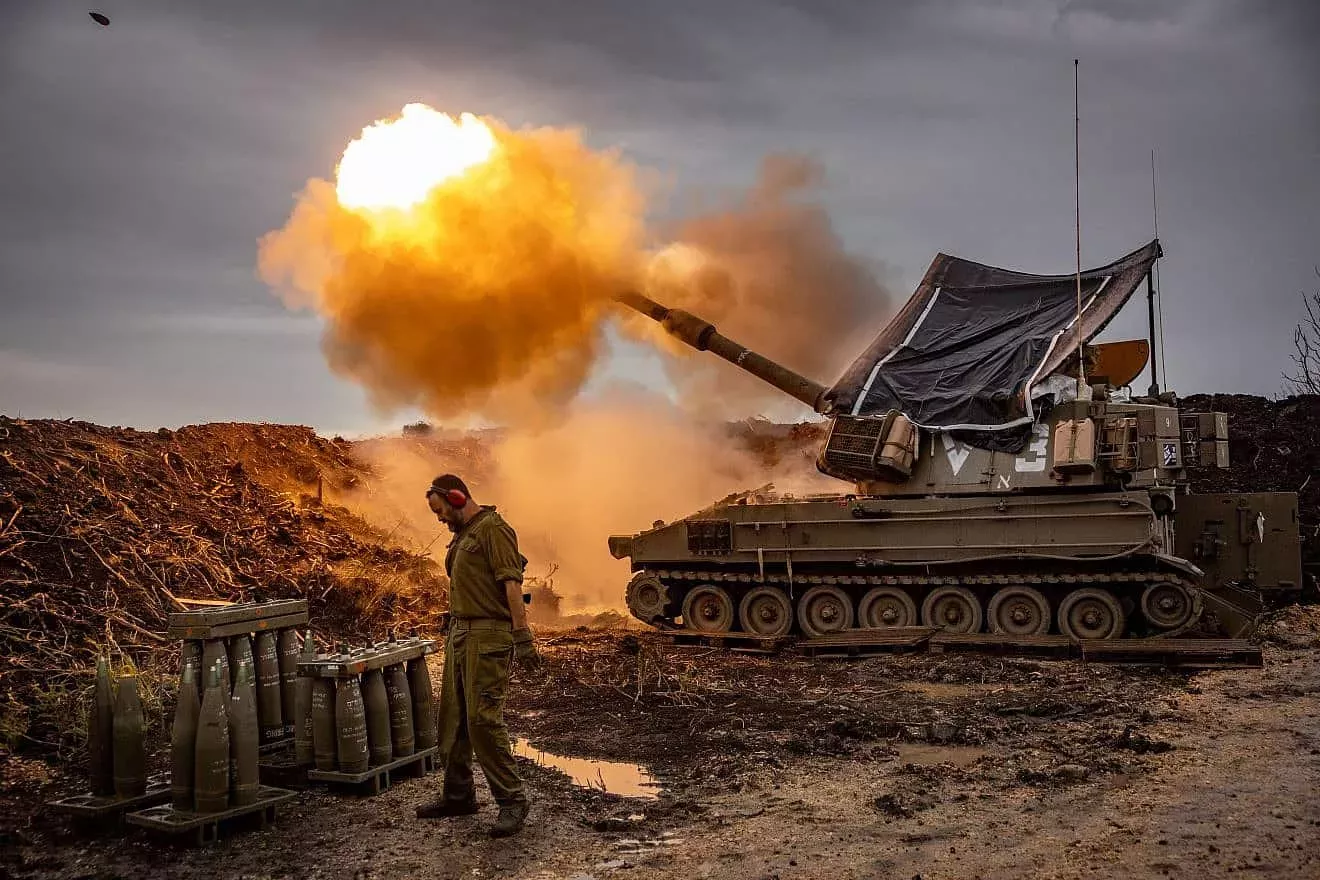
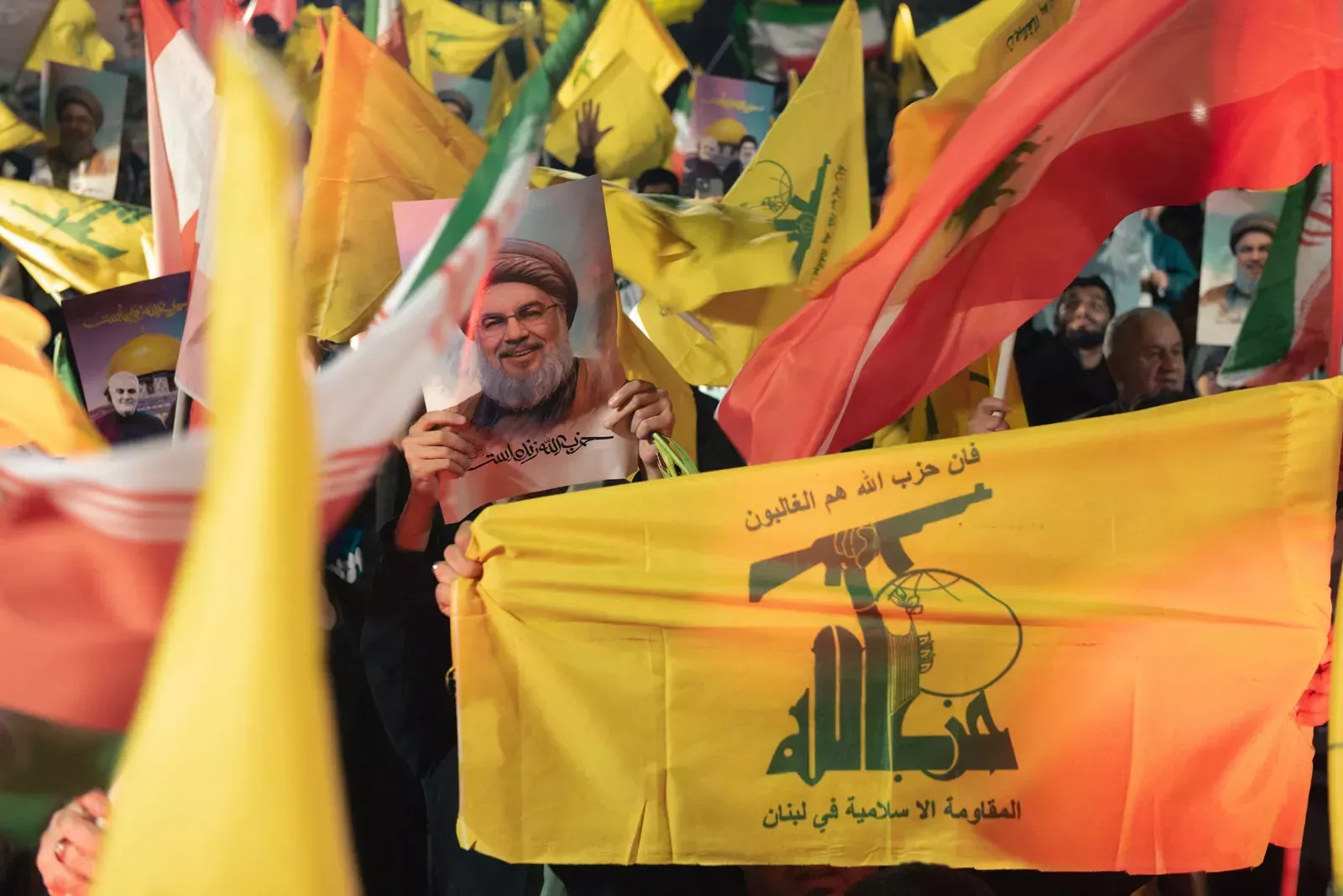
Hezbollah launched its war against Israel immediately after Hamas's attack on October 7, 2023. According to Hezbollah's top officials, Hamas's attack was a surprise to them and they were not prepared for that scenario. Nevertheless, they decided to help the Palestinians out of solidarity, a fact that will be recorded in the history of the Middle East. The Shiite group supported the Sunni one, even though they were on opposite sides in Syria just a few years earlier.
Hamas thanked Hezbollah for its help, which cost it almost its entire leadership, numerous commanders, soldiers, and thousands of killed and wounded civilians in Israeli attacks as part of the "Dahiya doctrine" – punishing an entire community for a single political or military move.
Forced into a ceasefire
For understandable reasons, Israel is hiding its losses in the war against Hezbollah, and it is clear to everyone that there have been losses. This has been confirmed by numerous videos and media reports from various sides. Media close to Hezbollah claim that the Shiite group has killed over 130 Israeli soldiers and wounded over 1,250 in Lebanon, destroyed 59 Merkava tanks, eleven bulldozers, six armored vehicles, eight drones, and quadcopters. These losses, they claim, do not include targets within Israel that Hezbollah has been targeting almost daily.
Heavy losses on both sides, and Israel's preoccupation with other fronts, led the two sides to a ceasefire. Israel celebrated victory because it decapitated Hezbollah's leadership and inflicted heavy blows on its infrastructure throughout Lebanon. Hezbollah celebrated victory because Israeli forces did not penetrate deep into Lebanon and because one movement managed to survive another war with a state.
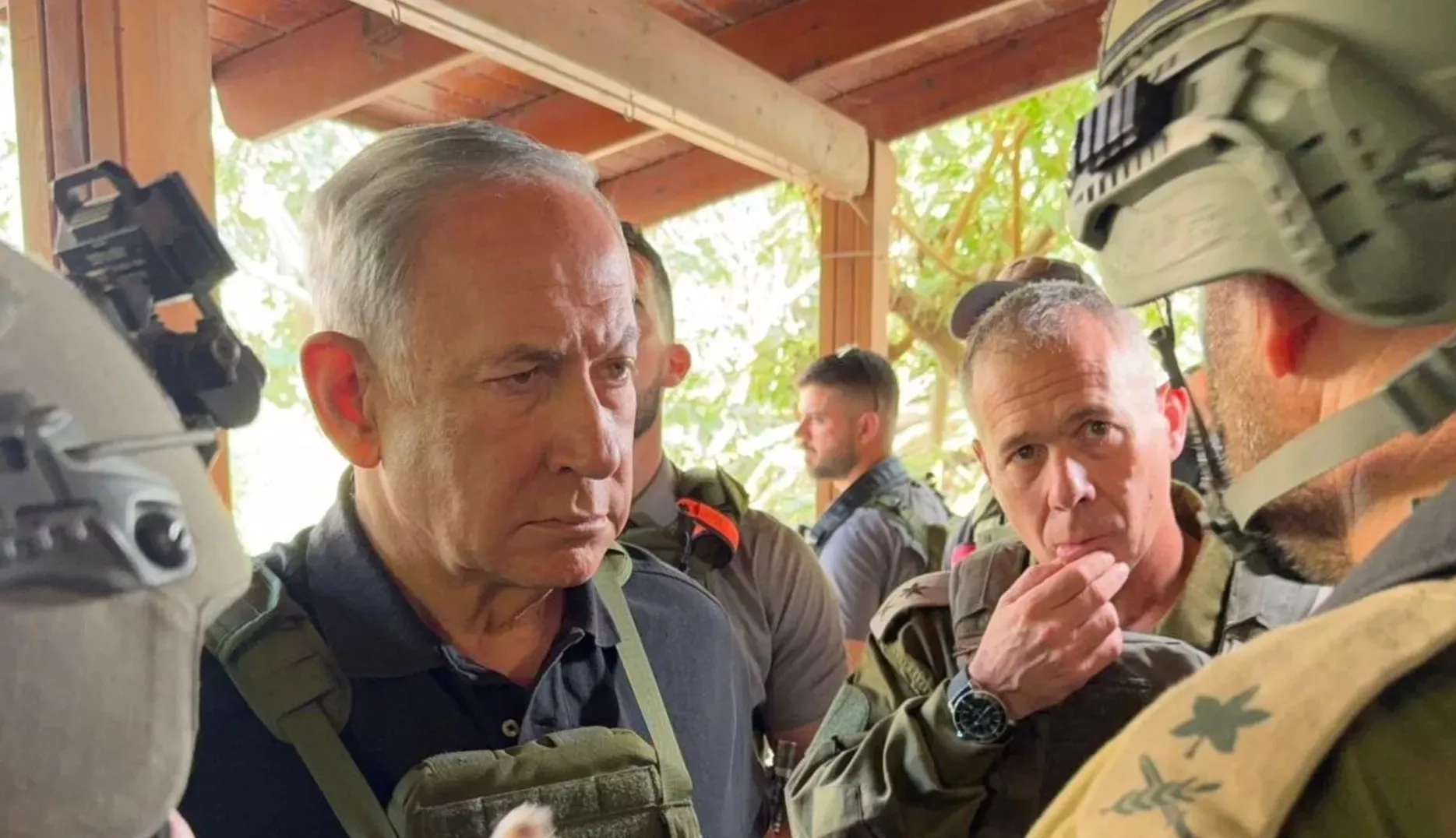
But it was immediately clear that it wouldn't stop there. The United States, Israel, and Saudi Arabia are trying to disarm Hezbollah and de facto shut it down. The newly formed Lebanese government has embarked on this path, and in return, the West promises financial and all other assistance to the devastated country. Hezbollah has so far refused to lay down its arms, believing that this is their only guarantee that Lebanese Shiites will not suffer the same fate as Palestinians in the Gaza Strip and the West Bank, or be occupied like southern Syria.
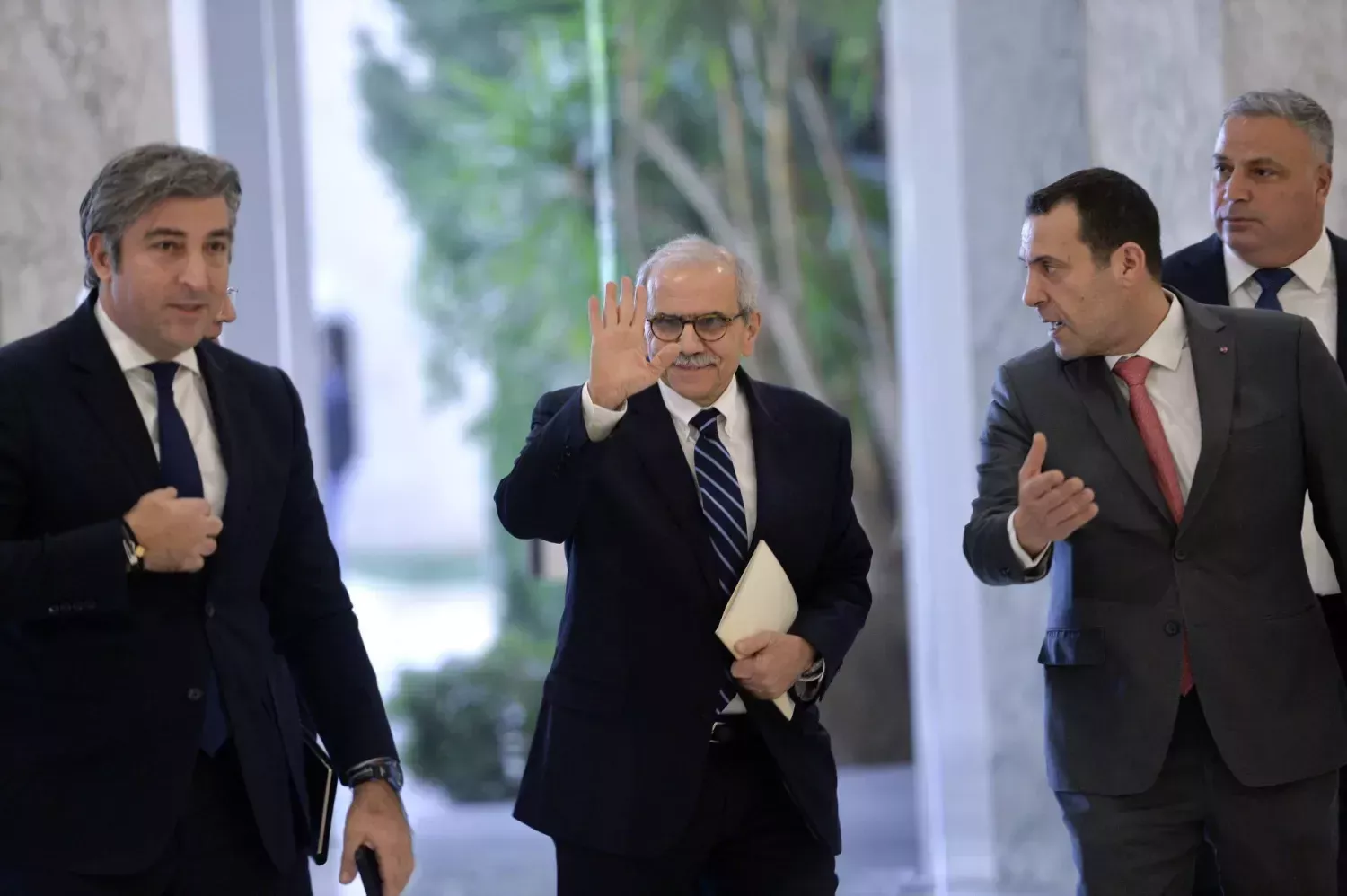
In the political debate, Hezbollah advocates for its right to self-defense and invokes United Nations Resolution 1701, demanding Israel's withdrawal from several Lebanese border towns, which Israeli Prime Minister Benjamin Netanyahu refuses. He justifies the presence of his army in Lebanon by the fact that Hezbollah has not disarmed, although it promised to do so.
Hezbollah claims that the agreement implies that its forces will withdraw north of the Litani River, but not that they will be completely disarmed. With the fall of Bashar al-Assad's regime in Syria, Hezbollah believes it is in mortal danger and refuses to lay down its arms, even when the government in Beirut demands it. This has brought Lebanon to the brink of civil war, or Hezbollah to the brink of disappearance.
Netanyahu's calculations
Netanyahu clearly has a plan to defeat Hezbollah forever. This is confirmed by hundreds of attacks carried out in Lebanon since the ceasefire was reached. Hundreds of people have been killed, and Israel claims to be targeting Hezbollah-related targets. The latest incident was the bombing of Lebanon two days ago and, shortly before that, the assassination of Hezbollah commander Haytham Al Ali Tabtabai in Beirut. The Iranian Islamic Revolutionary Guard Corps (IRGC), an ally of Hezbollah, has also vowed revenge for this assassination.
The heavy attacks, which have resulted in civilian casualties, with the United Nations reporting 127, though the number could be much higher, have still not prompted Hezbollah to retaliate against Israel. Threats from Israel to enter southern Lebanon are frequent, demanding that the government in Beirut disarm Hezbollah.
These Israeli moves clearly indicate a calculation that now is the time to defeat a weakened Hezbollah, especially since Tel Aviv has the unreserved support of US President Donald Trump, as well as many Arab states that have repeatedly helped Israel in exchanges of fire with Iran. Moreover, some of them view Hezbollah as a threat, after members of this group, as Iranian allies, have appeared in various Middle Eastern war zones.
Netanyahu, as an experienced politician, understands that an opportunity has now arisen that he must seize. The survival and regrouping of Hezbollah and the inability to push it back from the Israeli border means defeat for Netanyahu. In this case, he wants at least some agreement similar to the one on the Gaza Strip, which gives him room to use force while simultaneously invoking an agreed-upon deal.
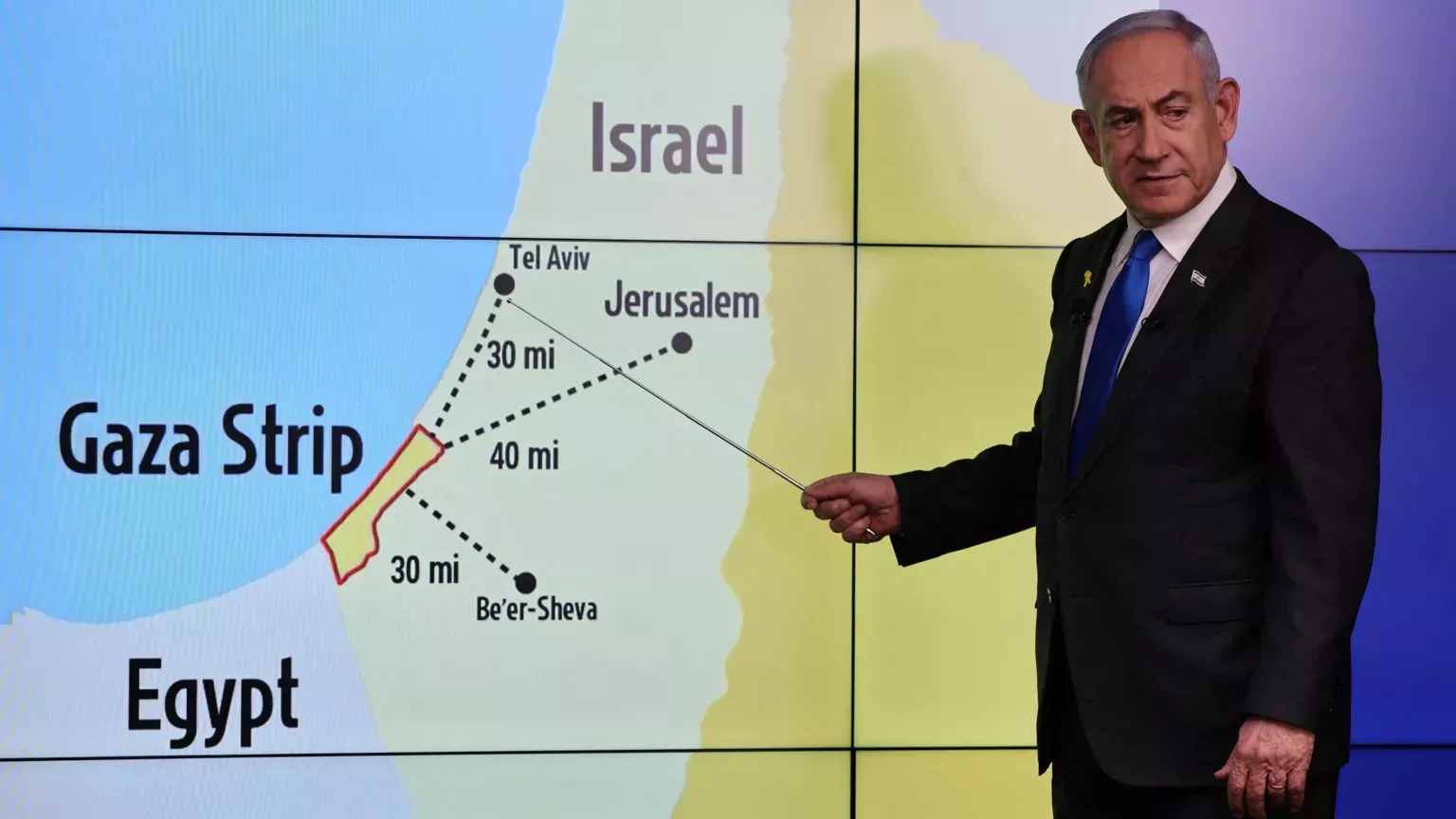
Many believe that an Israeli attack on Hezbollah and southern Lebanon is only a matter of time, while others wonder when Hezbollah will respond to the numerous attacks. Israel is in a more comfortable position and can choose the time and place of attack, while Hezbollah must think about how to survive.
The belligerent slogans of Secretary-General Naim Qassem do not mean that Hezbollah is unaware that it is surrounded and cut off from Iran. The Lebanese government has even canceled flights to Tehran, and from neighboring Syria, President Ahmed al-Sharaa says that his only enemy in the region is Iranian influence.
Therefore, some believe that Hezbollah's tactic is to endure Israel's blows and not give cause for further destruction of the Shiite community, waiting for more favorable circumstances in Lebanon and the region. The fact that the government in Beirut cannot protect them from Israeli attacks could mean its collapse and the strengthening of Hezbollah's position and reputation in Lebanese society.
This calculation is also known to Netanyahu, who knows that this is an opportunity he cannot miss. A little over two years after Hezbollah's attack on Israel, Netanyahu has the opportunity to deliver a heavy, perhaps decisive blow to the enemy, after twelve months of lower-intensity attacks. Netanyahu will not allow himself to be caught unprepared like Hezbollah was for the attack. Everything else is a matter of political decision.
Komentari (0)
Prijavite se za komentiranje
PrijavaJos nema komentara. Budite prvi!
Minuta
Sve →Iz drugih kategorija

High Representative Not Elected: Germans, French and British Against Americans, New Attempt at End of June

ČOVIĆ WITHOUT MERCY: How Those Who Brought Ademović to Office Created a Political Hell for Him



Sunny Saturday, quite warm



Tragedy in Albanian resort: Two minors drown












