
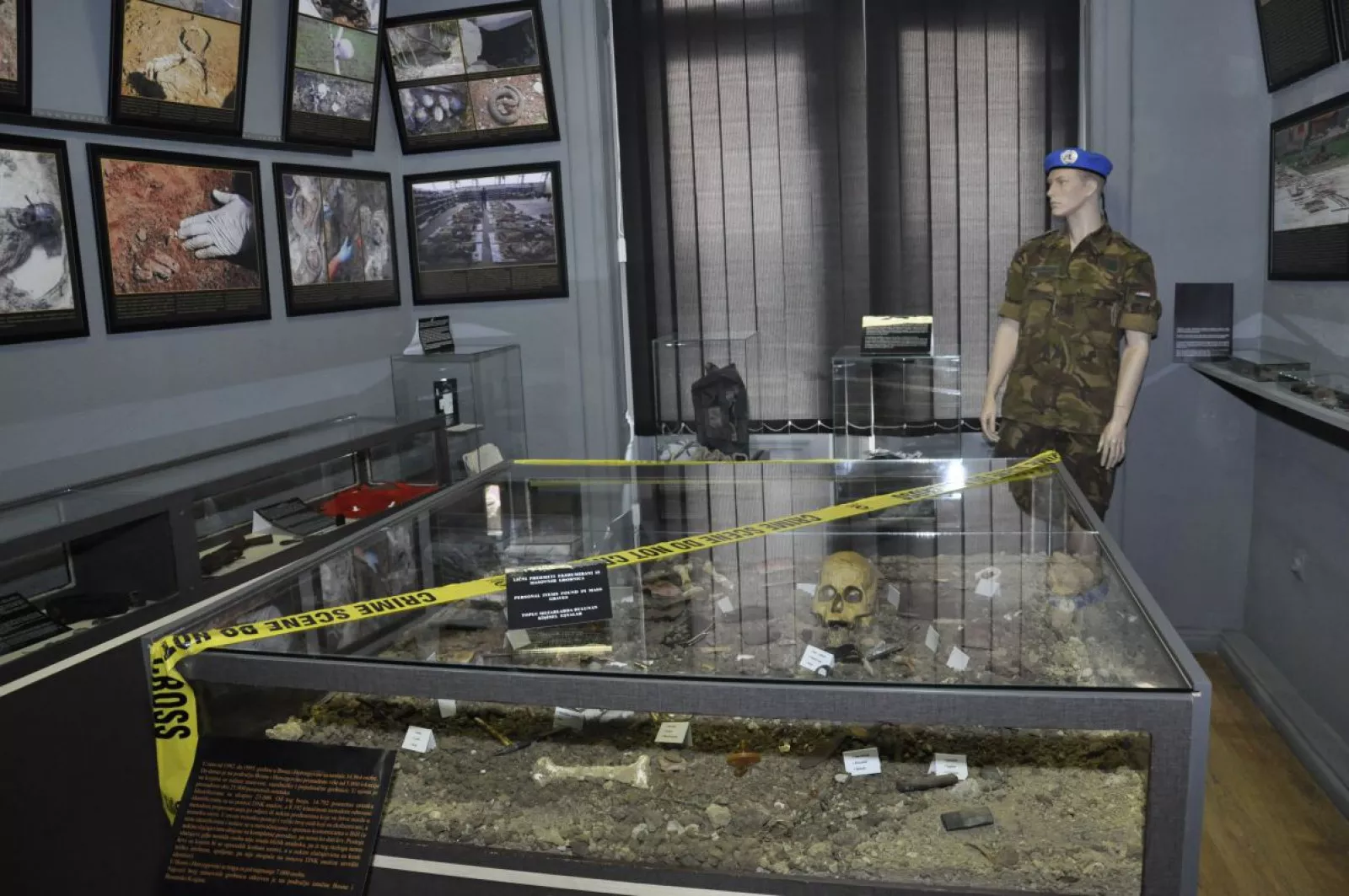
SARAJEVO, (Patria) - The "Museum of Crimes Against Humanity and Genocide" will mark three years of existence this July, featuring original exhibits and documentation from the period of aggression against Bosnia and Herzegovina, crimes against the population, and the genocide in Srebrenica in July 1995.
All exhibits on display in the Museum have explanations in Bosnian and English, and since part of the documentation (numerous photographs) was used in the Hague Tribunal, they also bear official case numbers of the criminal proceedings in which they were used.
Visitors to the Museum are mostly foreign tourists, but also numerous officials from around the world who spend several hours viewing evidence of crimes committed in Bosnia and Herzegovina. One part of the exhibition relates to the siege of Sarajevo, another to crimes against children, a third to camps where civilians were imprisoned, attacks and destruction of places of worship, verdicts in The Hague, the genocide in Srebrenica, mass graves...
 Models of camps in Bosnia and Herzegovina
The Museum also features screens showing documentaries and testimonies about crimes during the aggression against Bosnia and Herzegovina. A visit to the Museum should be included in school curricula to pass the truth about the aggression from generation to generation and preserve the memory as a warning against the horrors of war.

A special room in the Museum is reserved for visitors to leave their message after the visit. The number of languages in which messages are written is unknown, and all of them condemn the committed crimes and call for peace so that such evil never happens to anyone again. Additionally, visitors leave messages in the guestbook, stating that the Museum of Crimes Against Humanity and Genocide is a unique witness to the most serious crimes committed on European soil after World War II.
 Messages left by visitors in all languages of the world
Although a large number of visitors come to the Museum with some prior knowledge of the wartime events in Bosnia and Herzegovina, they are most often shocked to learn how children suffered, the mass rapes of women, the imprisonment and killings in camps in Bosnia and Herzegovina, and the worst of all, the genocide in Srebrenica.
The Museum is open daily from 9 a.m. to 9 p.m., and new exhibits are being prepared.
Komentari (0)
Prijavite se za komentiranje
PrijavaJos nema komentara. Budite prvi!
Minuta
Sve →Iz drugih kategorija

High Representative Not Elected: Germans, French and British Against Americans, New Attempt at End of June

ČOVIĆ WITHOUT MERCY: How Those Who Brought Ademović to Office Created a Political Hell for Him



Sunny Saturday, quite warm



Tragedy in Albanian resort: Two minors drown












