
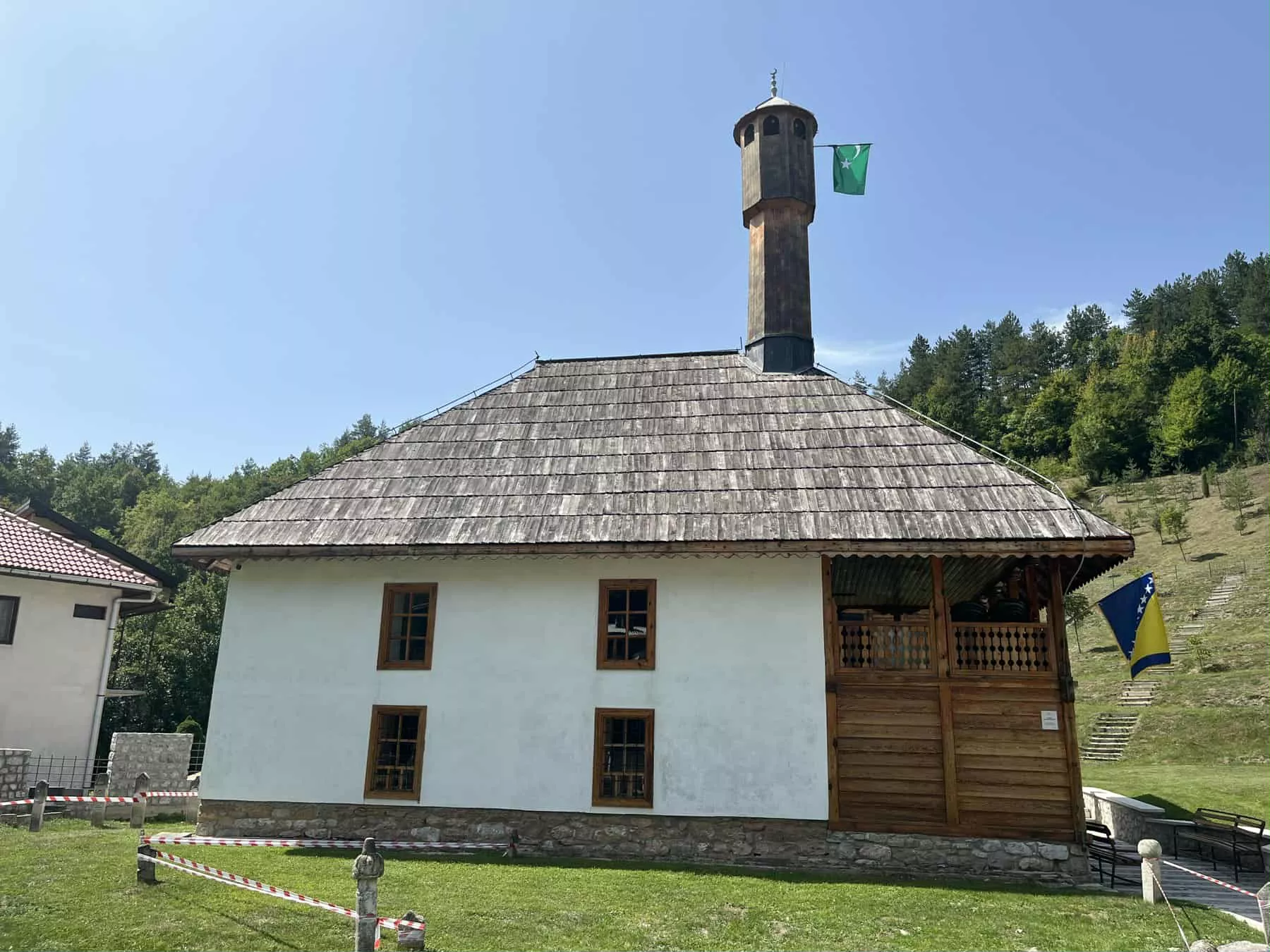
(Patria) - A visit to the area of Kraljeva Sutjeska offers a unique opportunity to encounter the rich history of medieval Bosnia and the early period of the Ottoman Empire in Bosnia and Herzegovina.
In Kraljeva Sutjeska, you are welcomed by the Sultan Mehmed II Fatih Mosque, built in 1463 with the arrival of the Ottomans, and just a few dozen meters away, the Franciscan Monastery and the Church of St. John the Baptist, founded in the 14th century. Over the centuries, it was demolished and rebuilt, but it always remained the center of the Franciscan order and spiritual life. Today, the monastery attracts visitors from all over the world with its exceptional architecture, cultural treasures, and spiritual significance.
Sultan Mehmed II Fatih Mosque
According to tradition, Sultan Mehmed II Fatih, after conquering Bobovac in 1463, stayed at this location and ordered the construction of the mosque, which, according to legend, was built in just three days. Over the centuries, the mosque was not significantly damaged or demolished, which gives it a special status as an authentic monument from the early Ottoman period. The Sultan Mehmed II Fatih Mosque is the oldest preserved Ottoman religious building in Bosnia and Herzegovina.
The architectural features of the mosque reflect the early Ottoman style with a simple but harmonious structure, including an elongated minaret and an interior space adapted to religious needs.
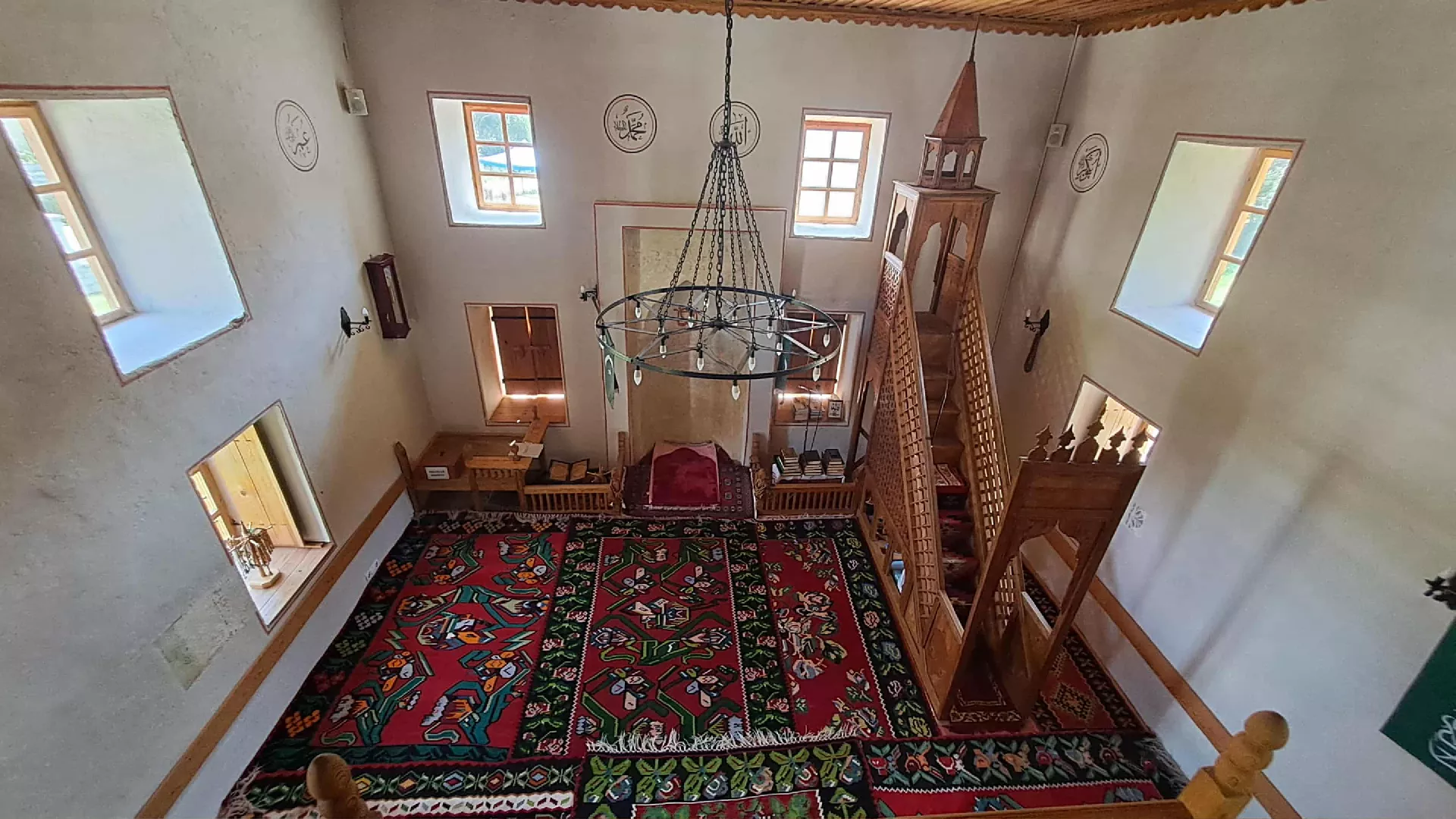
It has been preserved in its original form, and in recent years it has been restored and reconstructed, but its original shape has not been changed. For example, the land around the mosque with the harem was arranged, a covered shadrvan was added, and the woodwork was varnished...
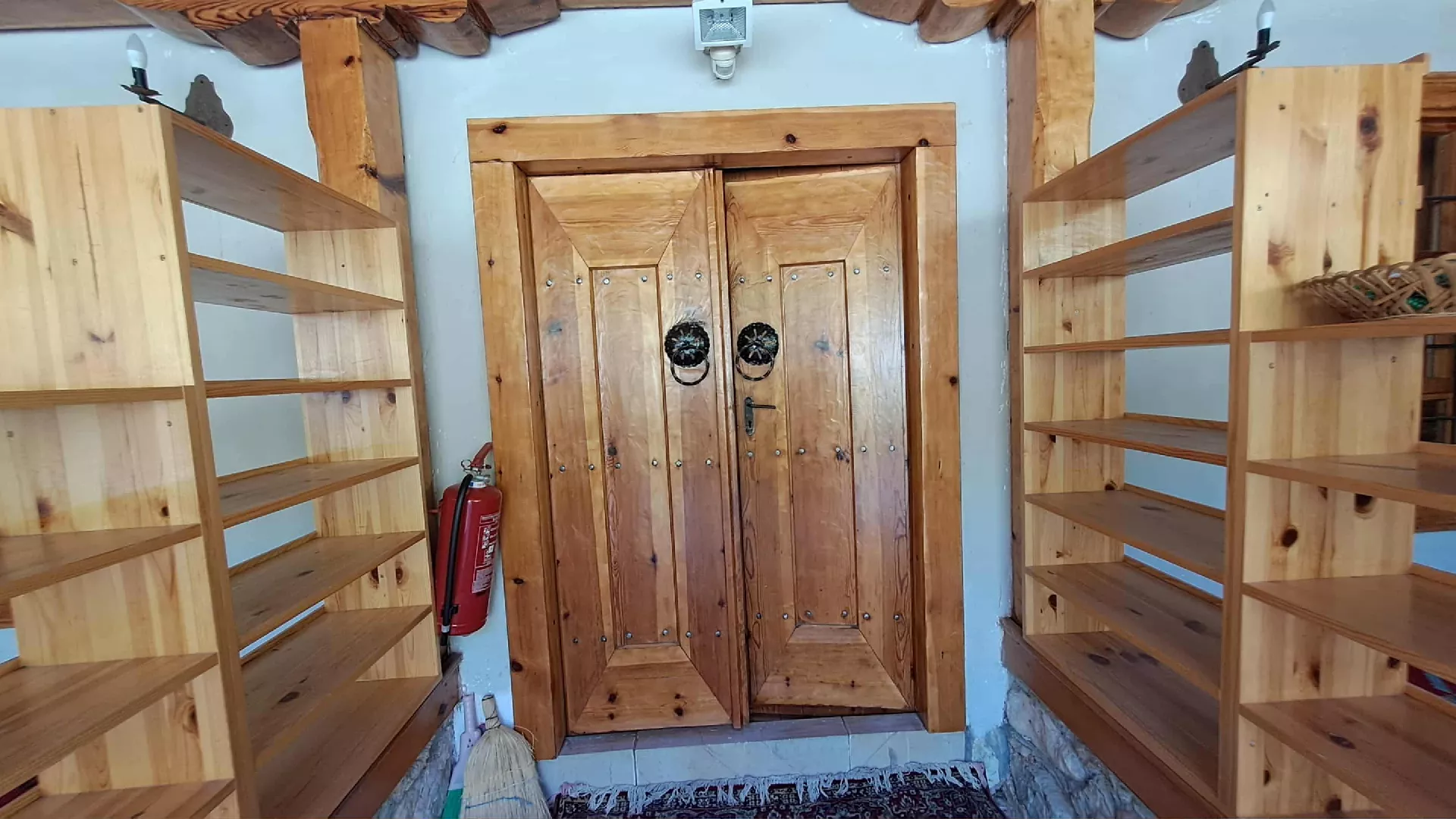
At the end of August, a prayer and mevlud are held in the mosque's harem, gathering thousands of believers.
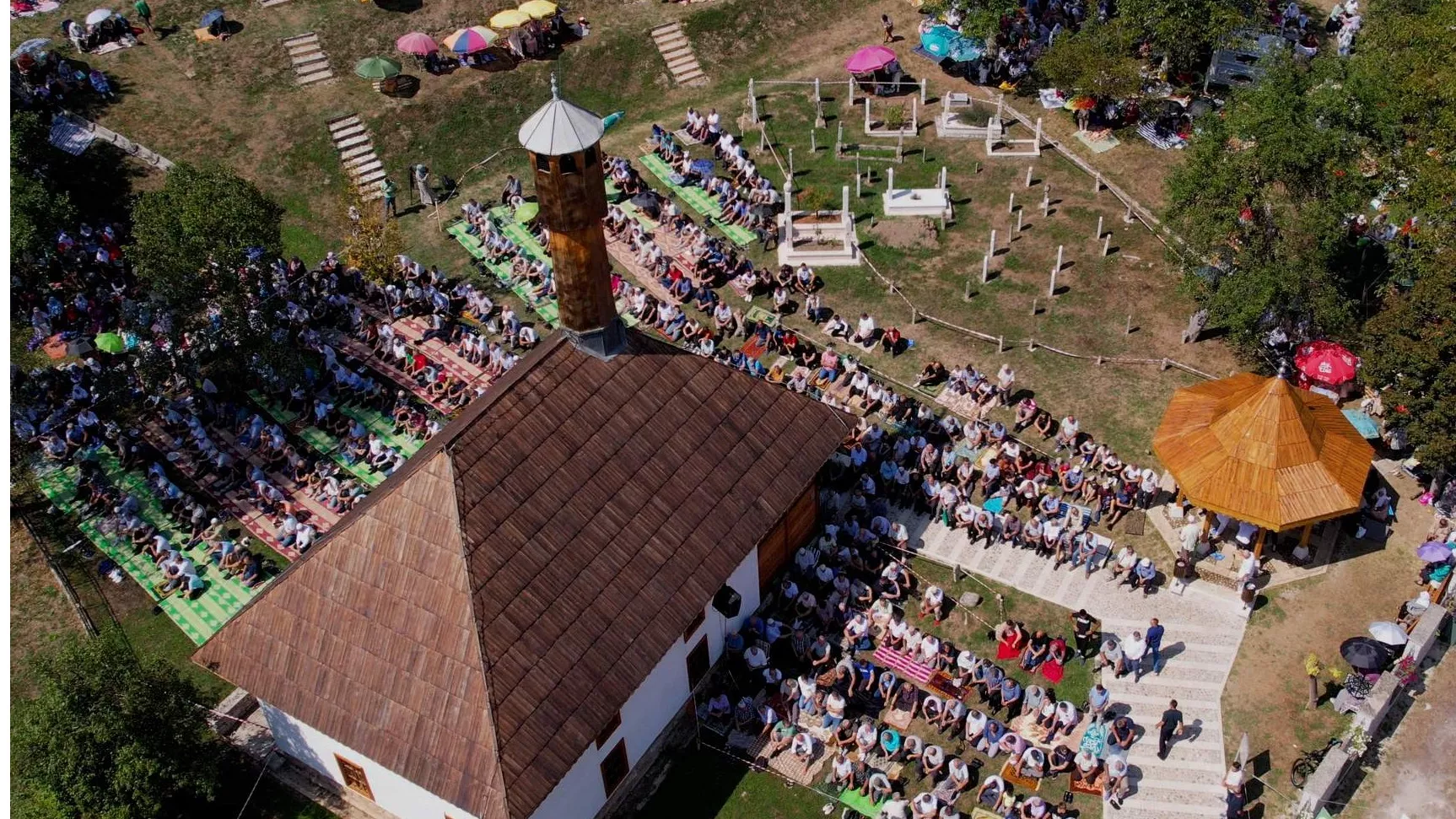
In October 2003, the Commission for National Monuments made a decision declaring the architectural ensemble – the Mosque in Kraljeva Sutjeska – a national monument of Bosnia and Herzegovina.
Franciscan Monastery in Kraljeva Sutjeska
The Franciscan Monastery in Kraljeva Sutjeska is one of the most important spiritual and cultural monuments in Bosnia and Herzegovina. Located in the heart of medieval Bosnia, this monastery carries a rich history dating back to the time of Bosnian bans and kings.
The Franciscan Monastery in Kraljeva Sutjeska was founded in the second half of the 14th century; the first written mention of it dates from 1385, when the Italian chronicler Bartol Pisanski mentioned it. This monastery was a key center of the Catholic faith in Bosnia, especially during the reign of Bosnian bans and kings. Near the monastery was also the residence of Bosnian kings, which further emphasizes the importance of this site.
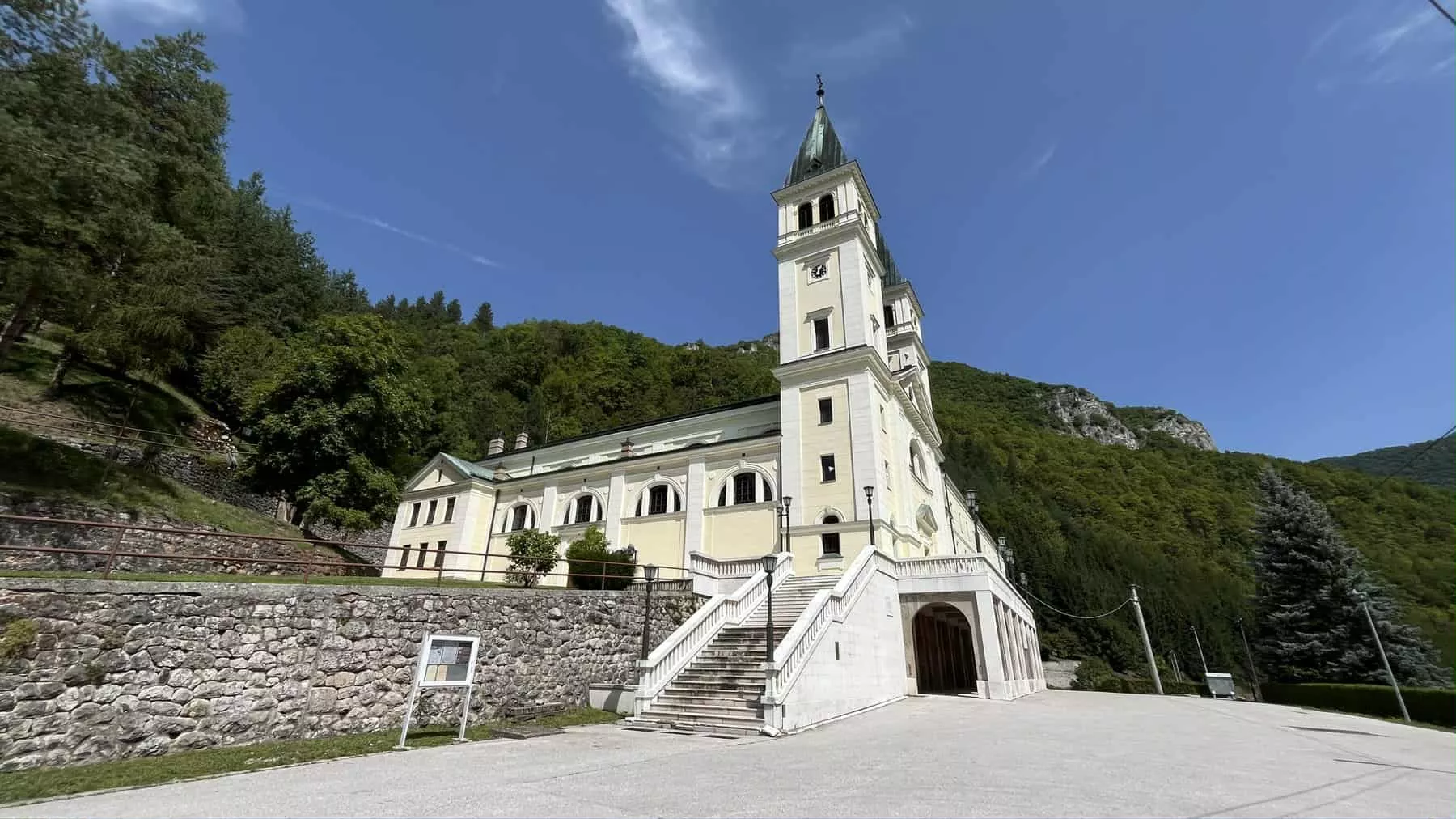
During the Ottoman occupation, churches in Bosnia were not allowed to have towers or bells, but the Church of St. John the Baptist, which is part of the monastery, was an exception. It retained the right to a bell, which symbolized the special status of the monastery and its importance to the local community.
The Church of St. John the Baptist, located within the monastery, is a monumental building and one of the architectural wonders of this part of Bosnia. Although the first preserved mention of the church dates from 1530, it is believed that the church existed much earlier. Its architectural style and interior represent a blend of spirituality and art, attracting tourists and believers due to its beauty and historical significance.
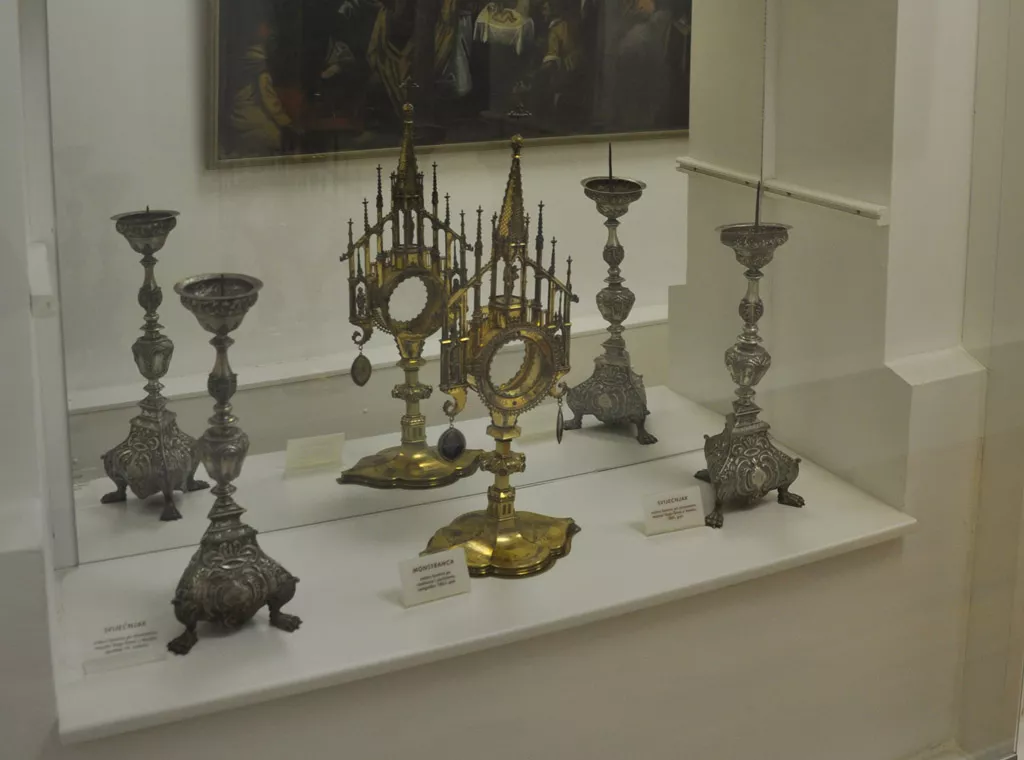
The monastery in Kraljeva Sutjeska is also known for its museum collection, which preserves invaluable artifacts and artworks from different periods of Bosnian history. The museum houses old paintings, silver chalices, crosses, lamps, and candlesticks, including those belonging to Bishop fra Grgo Ilić from 1802. The collection of 18th-century church vestments and other items provides insight into the richness of the Franciscan heritage. Visits to the Museum must be announced in advance.
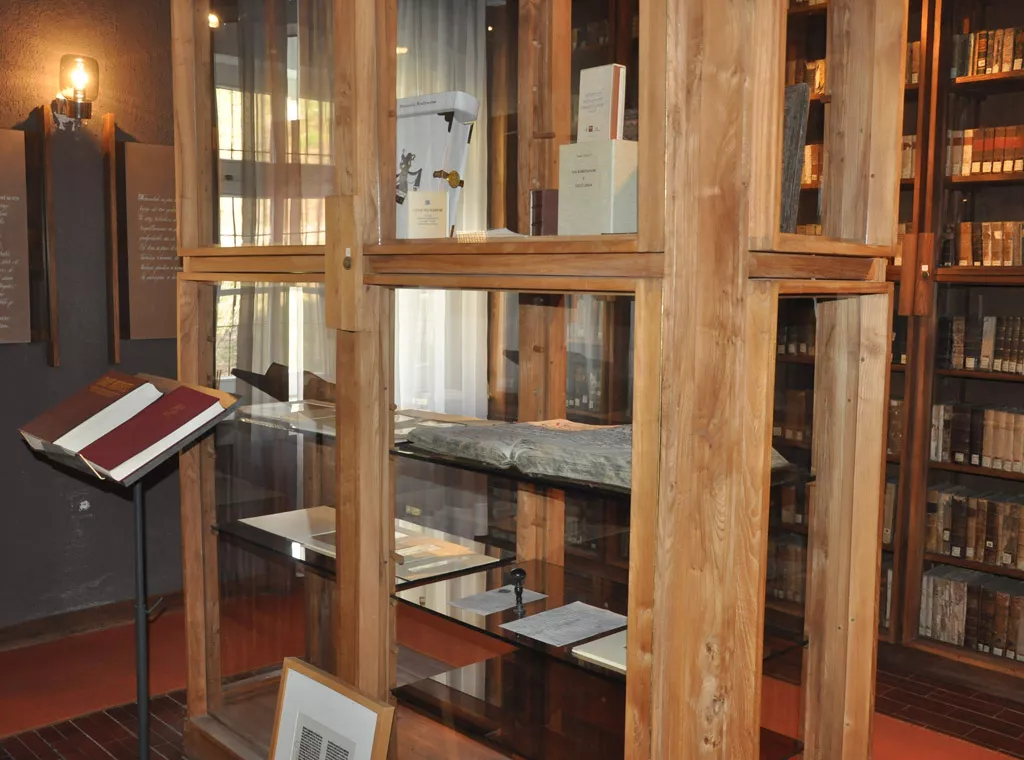
One of the most important landmarks of the monastery is its library. This library preserves 31 incunabula (first printed books) and many other rare books, including works written in Bosančica. Thanks to its collection, the library is one of the most important in Bosnia and Herzegovina, preserving precious books that speak of the cultural and intellectual heritage of this region.
In January 2004, the Commission for National Monuments made a decision declaring the Franciscan Monastery and the Church of St. John the Baptist, together with the movable property within the monastery museum, a national monument of Bosnia and Herzegovina.
Komentari (0)
Prijavite se za komentiranje
PrijavaJos nema komentara. Budite prvi!
Minuta
Sve →Iz drugih kategorija

High Representative Not Elected: Germans, French and British Against Americans, New Attempt at End of June

ČOVIĆ WITHOUT MERCY: How Those Who Brought Ademović to Office Created a Political Hell for Him



Sunny Saturday, quite warm



Tragedy in Albanian resort: Two minors drown












