
By Armin Sijamić
This week, Beijing was the center of world diplomacy. Numerous leaders came to the parade marking Japan's defeat in World War II. The event was used to showcase China's military might, while Western media wrote about a threat to the post-1945 order.
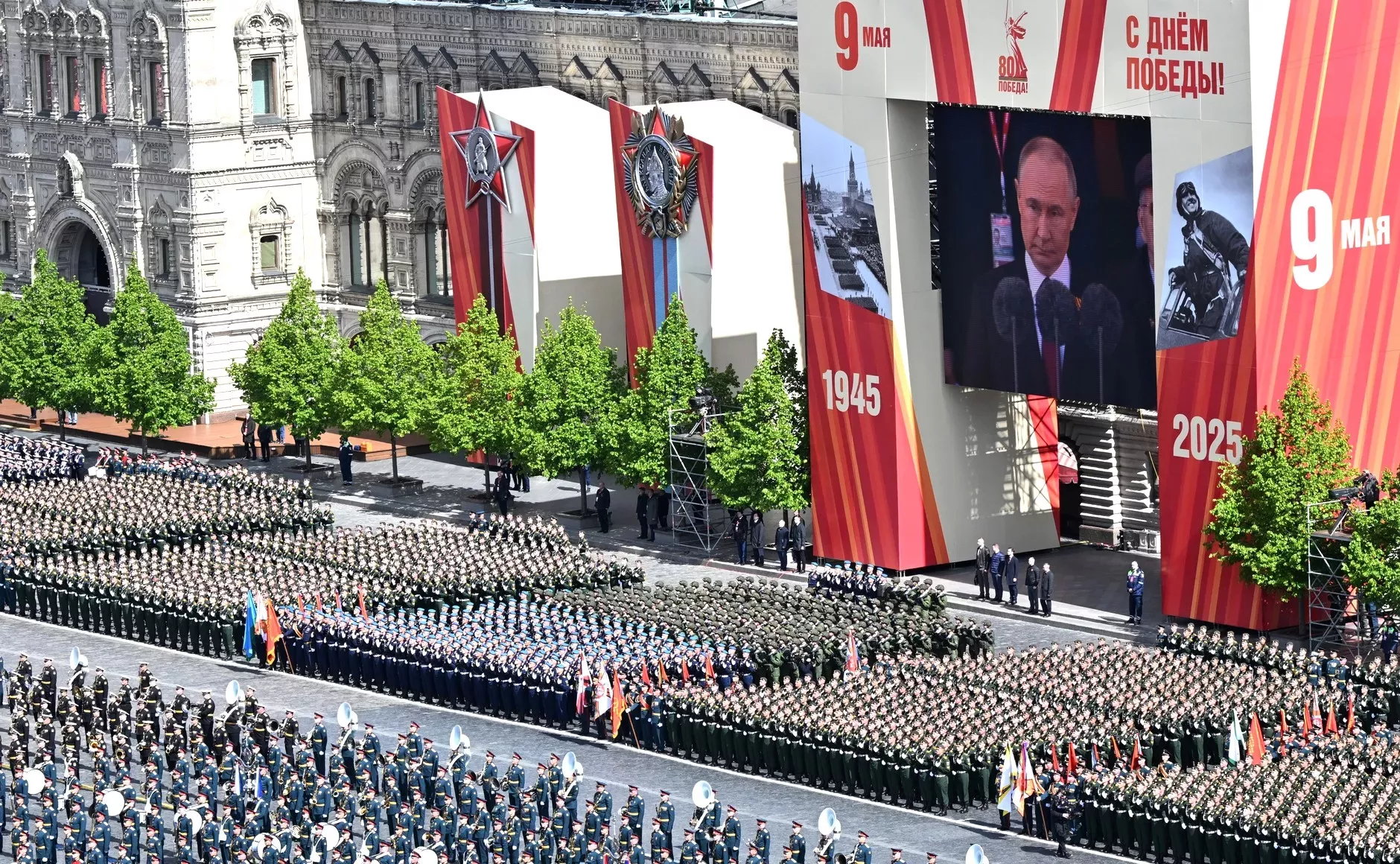
After Russia, led by President Vladimir Putin, marked eighty years since the fall of Nazi Germany in Moscow in May, with Chinese President Xi Jinping as the main guest at the parade, it was Beijing's turn to commemorate its victims in the fight against Japan. China lost between ten and twenty million people during World War II.
The military parade on the anniversary of an important victory was used as a platform for sending various messages, including those about the host's strength, as well as confirmation that it will continue to pursue policies aimed against Western interests, even at the cost of further confrontation.
Putin tried to show the world at the Moscow parade that he is not diplomatically isolated due to the aggression against Ukraine, while Xi, at China's largest military parade in history, wanted to convince all those who resist the dominance of the United States that China has the strength to help them.
All of this is expected, and nothing China has shown is a surprise to those who follow the country's development. For example, the frequent news in Western media these days about China having a rapidly growing navy is a known fact. American experts have been warning about this for a long time. China's arms buildup of various types has been ongoing for decades, and many experts claim that Beijing is ahead of Washington and Moscow in some areas, producing its own combat systems based on Russian and American designs.
The almost panicked reactions from the West were therefore not an end in themselves or the impression of surprised rivals who had learned something new. The reactions essentially reveal the West's next goal. Xi's message from the parade that China is "unstoppable" and will "never be intimidated by bullies" confirmed that the two sides clearly recognize the opponent's intentions and that there are no signs of agreement at this moment.
Trump vs. Conspiracy
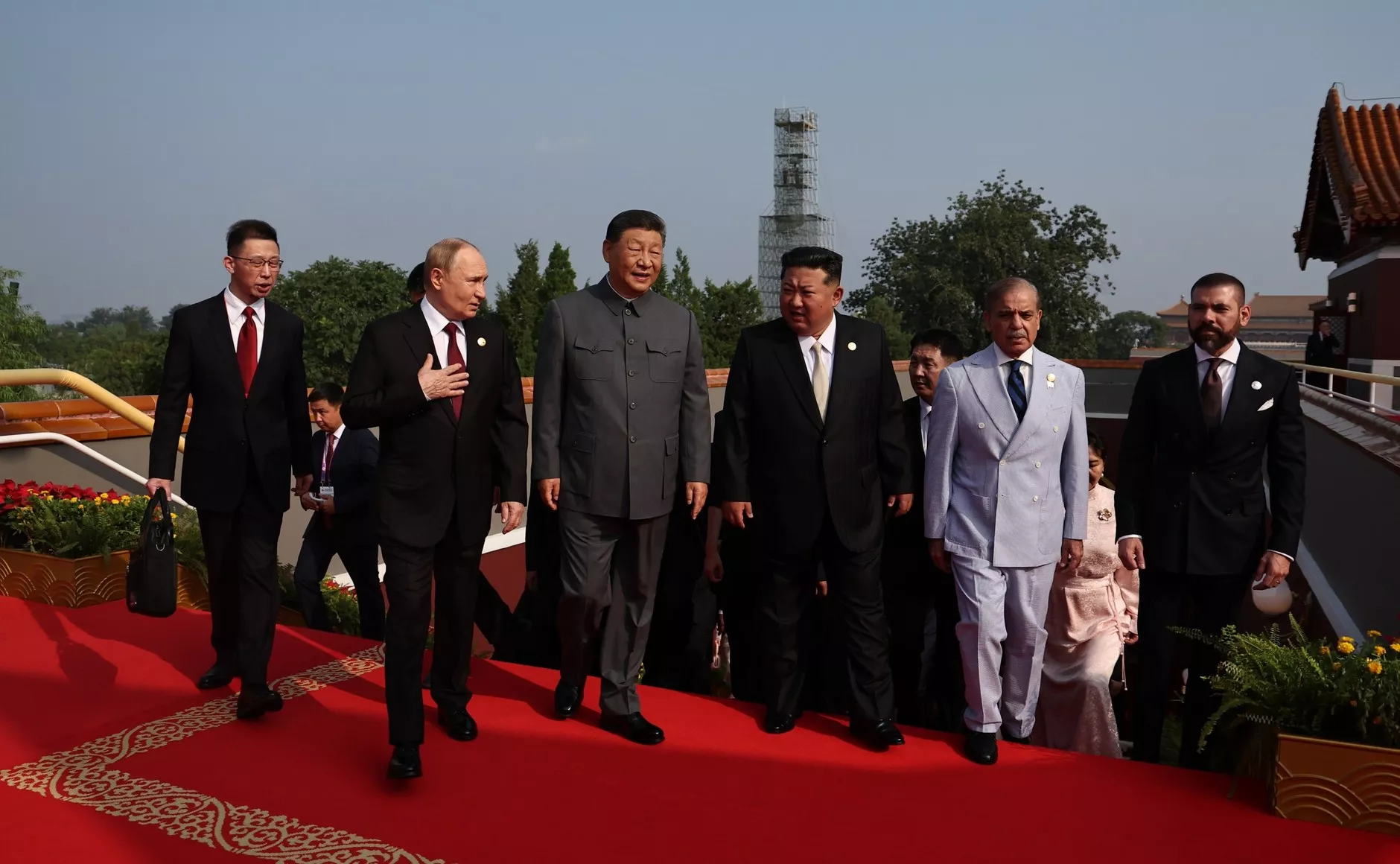
The appearance of Xi and Putin alongside North Korean leader Kim Jong Un at the parade in Beijing attracted particular attention in the West. For some, it was the final confirmation that the three countries have good relations and share the same goal. US President Donald Trump wrote on social media about this: "Please send my warmest regards to Vladimir Putin and Kim Jong Un, as you plot against the United States."
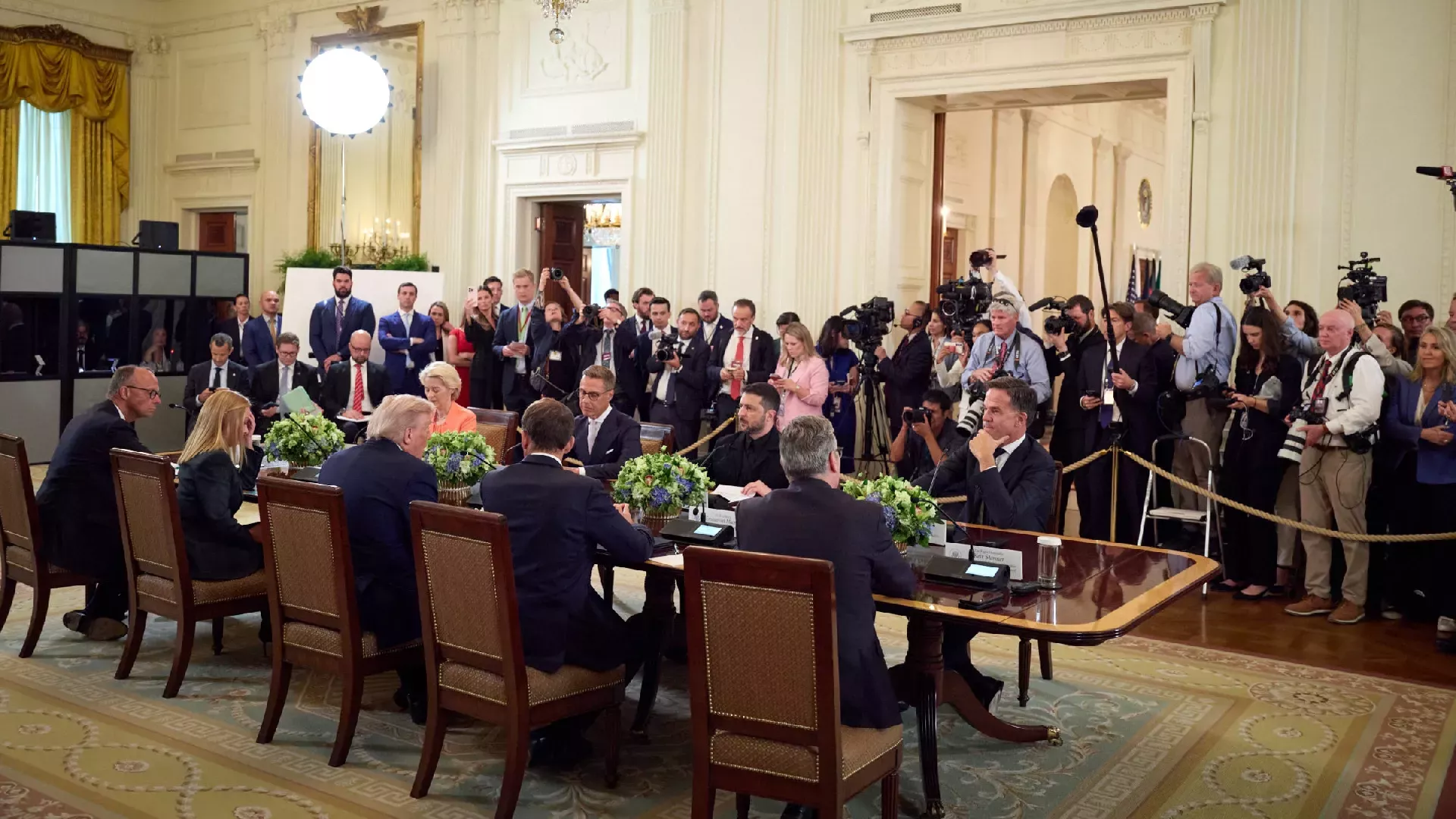
Trump's "surprise" at the alliance of China, Russia, and North Korea might be understood as such if he hadn't tried to detach Kim Jong Un from Beijing and Moscow during his first term, and if he hadn't sought to appease Putin in various ways to change his policy since returning to the White House.
The meeting in Beijing of the leaders of the three neighboring countries, however, shows that Trump has not succeeded in this so far and that the Chinese, Russian, and North Korean leadership have different plans, meaning they will not sacrifice decades of good relations for now.
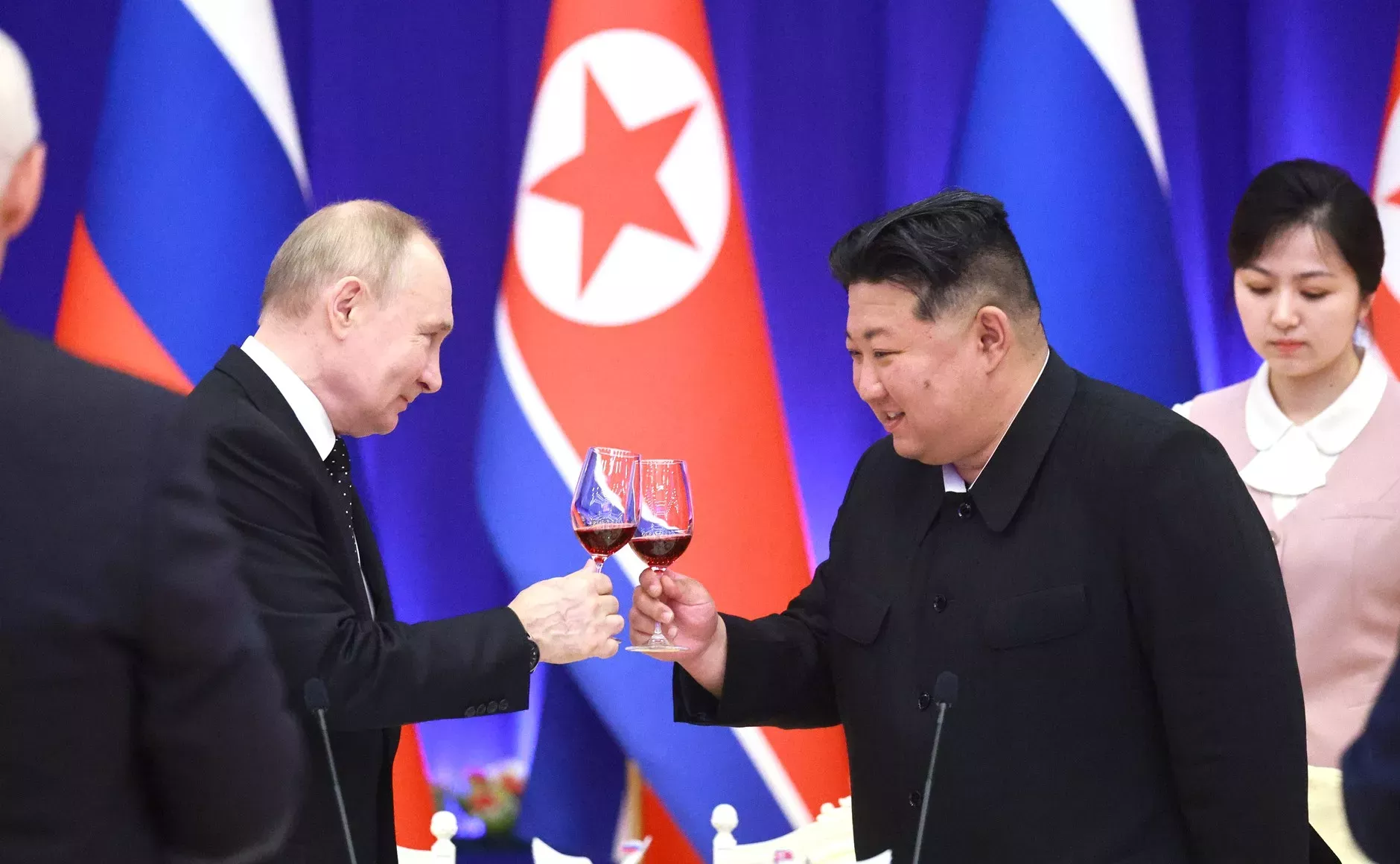
The meeting of this trio is a great victory for Putin, who previously decided to embrace North Korea, using some of its services in the war against Ukraine. But, much more dangerous for the West is Putin's intention to strengthen North Korea in the fight against South Korea and the United States.
Trump, after the parade in Beijing, vividly showed who his country's enemies are in the coming period, which primarily refers to China. The fact that Xi gathered those whom Trump wanted to win over, as well as some of those with whom the United States is in conflict in various ways, will only be an excuse for Washington to continue dealing with China.
Chinese Threat
Trump watched the parade in Beijing, which he described as a "very, very impressive and beautiful ceremony." He didn't stop there. "But I understood the reason why they were doing it. And they hoped I would watch. And I did watch. My relationship with all of them is very good. We will find out how good it is over the next week or two," he said.
This comment from Trump is part of his recognizable political style. Initially, Trump threatens, and later offers a hand of cooperation. When he cannot get what he wants peacefully, Trump resorts to pre-prepared measures. In this case, it particularly applies to Putin, whom he is expected to meet again soon, with the intention of stopping the war in Ukraine.
However, Trump's main concern is China. And not just his. Kurt Campbell, Deputy Secretary of State in Joseph Biden's administration and one of the main proponents of shifting American attention to Asia, will say in September last year, awaiting the presidential elections, to the House Foreign Affairs Committee that China is "the most significant challenge in our history," greater than the USSR was.
The parade in Beijing was used by both sides as a platform to defend their positions, while the situation is gradually escalating. Not so long ago, China, focused on its economy, now finds itself in a situation where many wars are taking place in its neighboring countries, and Beijing is rattling its weapons from the South China Sea to Taiwan.
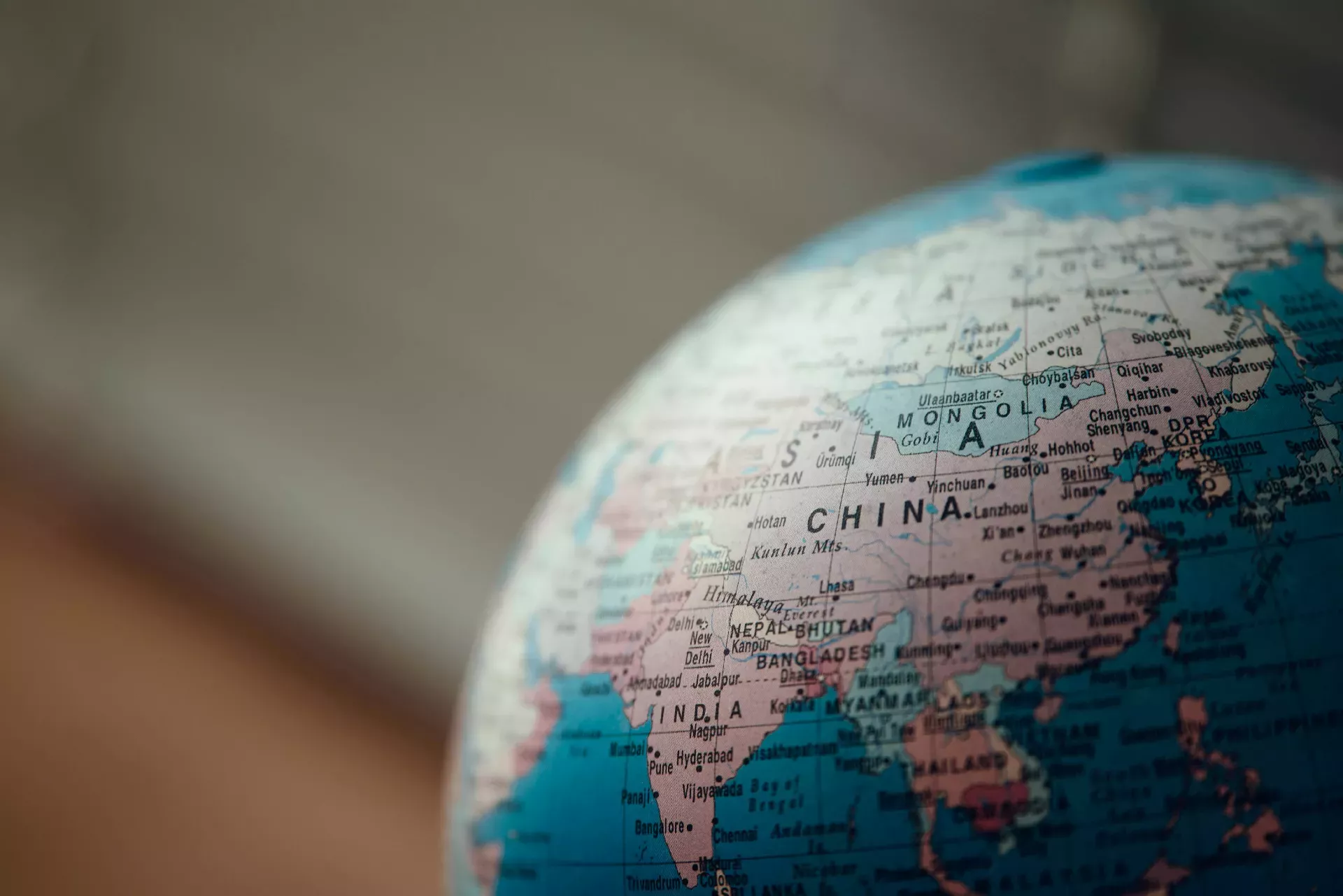
The powerful weapons shown at the parade are a message to the United States and its allies that China will not stand idly by, even when it does not suit other powers. China's stance towards the United States since Trump's return to the White House and its rapprochement with almost all of the West's enemies indicate that Beijing will not abandon its policy for now.
Komentari (0)
Prijavite se za komentiranje
PrijavaJos nema komentara. Budite prvi!
Minuta
Sve →Iz drugih kategorija

High Representative Not Elected: Germans, French and British Sabotaged Americans, New Attempt at End of June

ČOVIĆ WITHOUT MERCY: How Those Who Brought Ademović to Office Created a Political Hell for Him



Sunny Saturday, quite warm



Tragedy in Albanian resort: Two minors drown












