
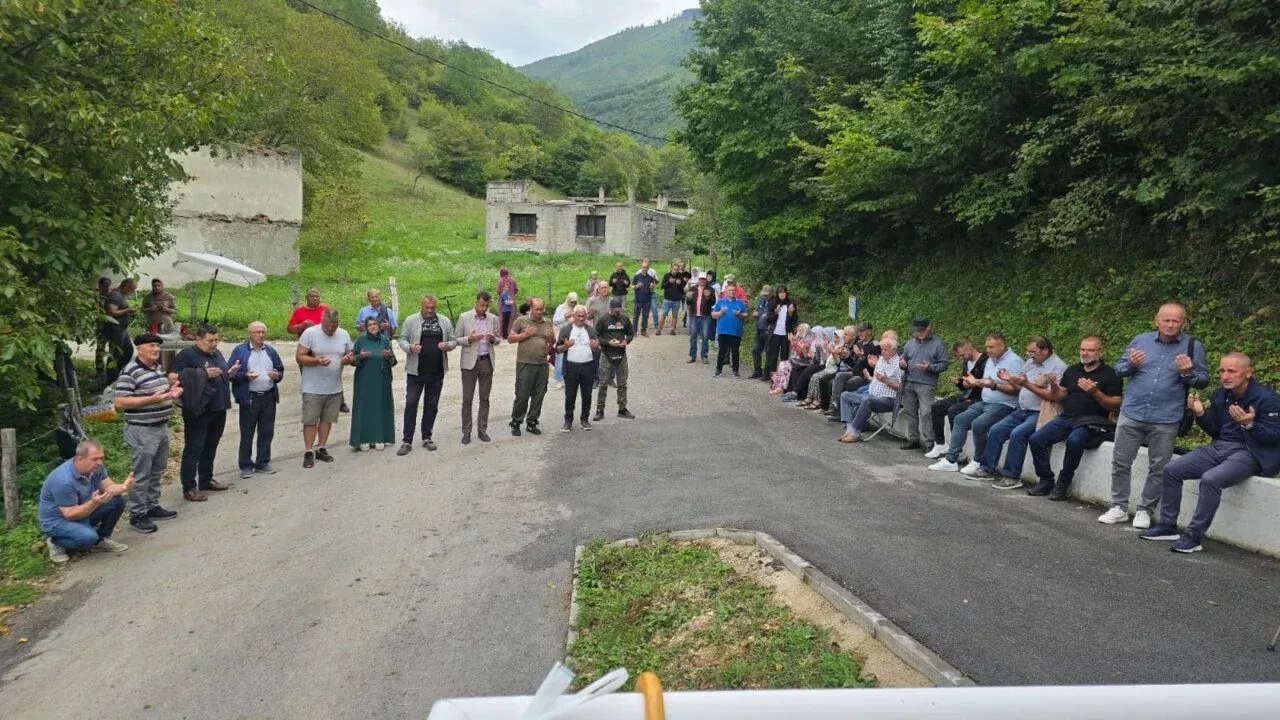
(Patria) - In the villages of Ljoljići and Čerkazovići, Jezero municipality, the 33rd anniversary of the suffering of Bosniaks killed on September 10, 1992, was marked today.
The religious program was led by the envoy of the chief imam of the Islamic Community of Jajce, Prof. Zehrudina ef. Hadžića - Emin ef. Duranović, Sheikh Ramiz ef. Bećirović, and local imam Semin ef. Česo.
In a modest and quiet ceremony, without the presence of higher-level government officials, residents of Jezero and Čerkazovići, along with former residents from other towns, gathered to pay their respects and remember the victims.
Unfortunately, this year's commemoration passed almost unnoticed in the wider public sphere.
The Bosniaks of Jezero, especially returnees to Ljoljići and Čerkazovići, have lived for decades with a sense of being forgotten. Their suffering, deeply etched in the memories of families and the local community, is rarely mentioned at the political and social level.
The only institutional support comes from the Islamic Community of Jajce and the Municipality of Jajce, whose mayor Edin Hozan regularly attends commemorations. However, the absence of higher levels of government from Sarajevo and Banja Luka is concerning.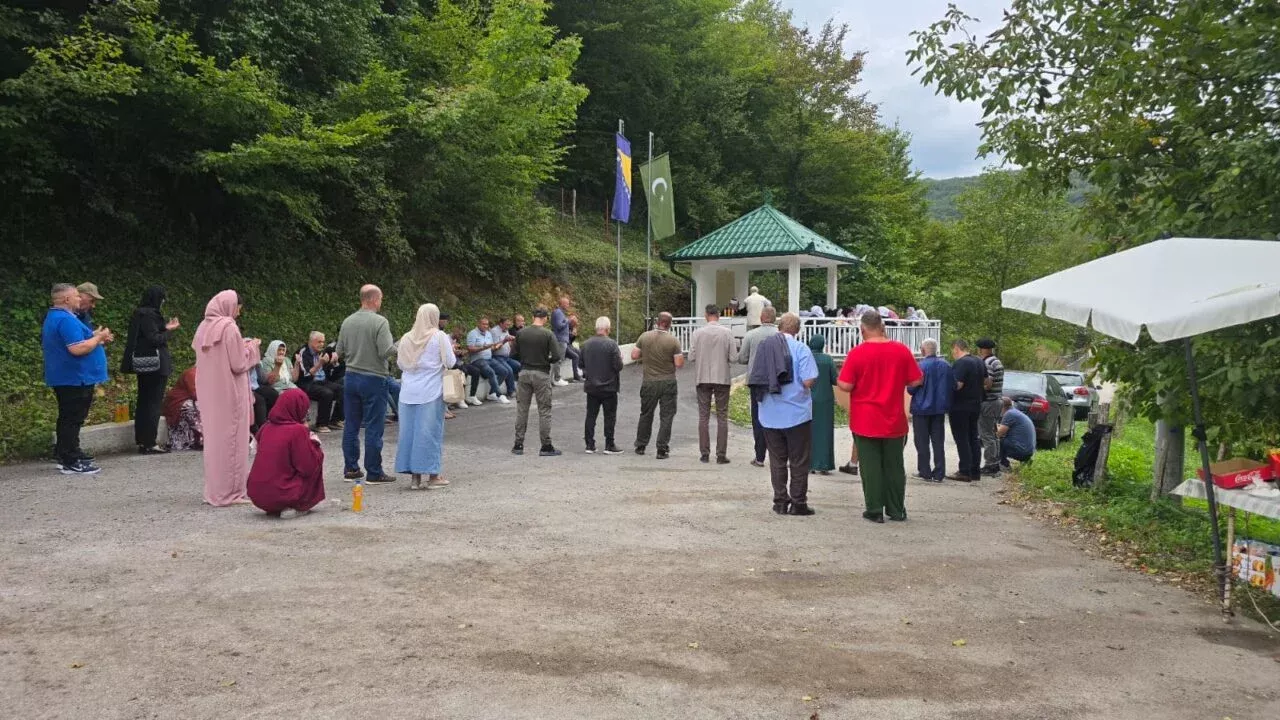
The question arises: why are the Bosniaks of Jezero left to fend for themselves? Why do we not provide the victims of the crimes of September 10, 1992, with the dignity they deserve?
Today, not a single Bosniak lives in Ljoljići, while only four families remain in Čerkazovići. Mostly elderly people live in Jezero, with almost no young people. The lack of political care and the disregard for anniversaries further discourage the return and survival of Bosniaks in this area.
There is almost no solidarity with the Bosniaks from this region. Few people attend events organized by the Islamic Community of Jajce, which covers Jajce, Jezero, and Šipovo.
Although it was emphasized during last Friday's sermon that it is important to show unity and pay respect to the victims, only a few decided to come and support the residents of Čerkazovići and Ljoljići on this sad day.
While politicians regularly speak about the importance of remembrance and care for returnees, practice shows the opposite. Jezero remains a symbol of silence and oblivion. Ignoring the suffering of Bosniaks not only denies the pain of survivors but also sends a clear message that their suffering and memory are not important enough.
Members of the Army of Republika Srpska (VRS) gathered Bosniak civilians from the villages of Ljoljići and Čerkazovići and took them to Tisovac, where they were executed. 23 people were killed, and three survived with severe injuries.
Among the victims were children – the youngest was nine-year-old Adis Zobić, and the oldest was Faza Balešić (born in 1918).
A group of about ten armed soldiers and police officers, led by Jovo Jandrić, forcibly removed civilians from their homes. They took their valuables, beat them, and under threat of death, forced them to walk to Tisovac, where they were executed. Among those killed were women, children, and the elderly.
A joint funeral was held on May 12, 1999, in Vinac, where 19 victims were buried. The remains of Adnan, Adam, and Selvedin Karahodžić have not yet been found.
Lengthy court proceedings were conducted for this crime. In 2009, Mirko (Mile) Pekez was sentenced to 29 years in prison, but his sentence was later reduced to 20 years.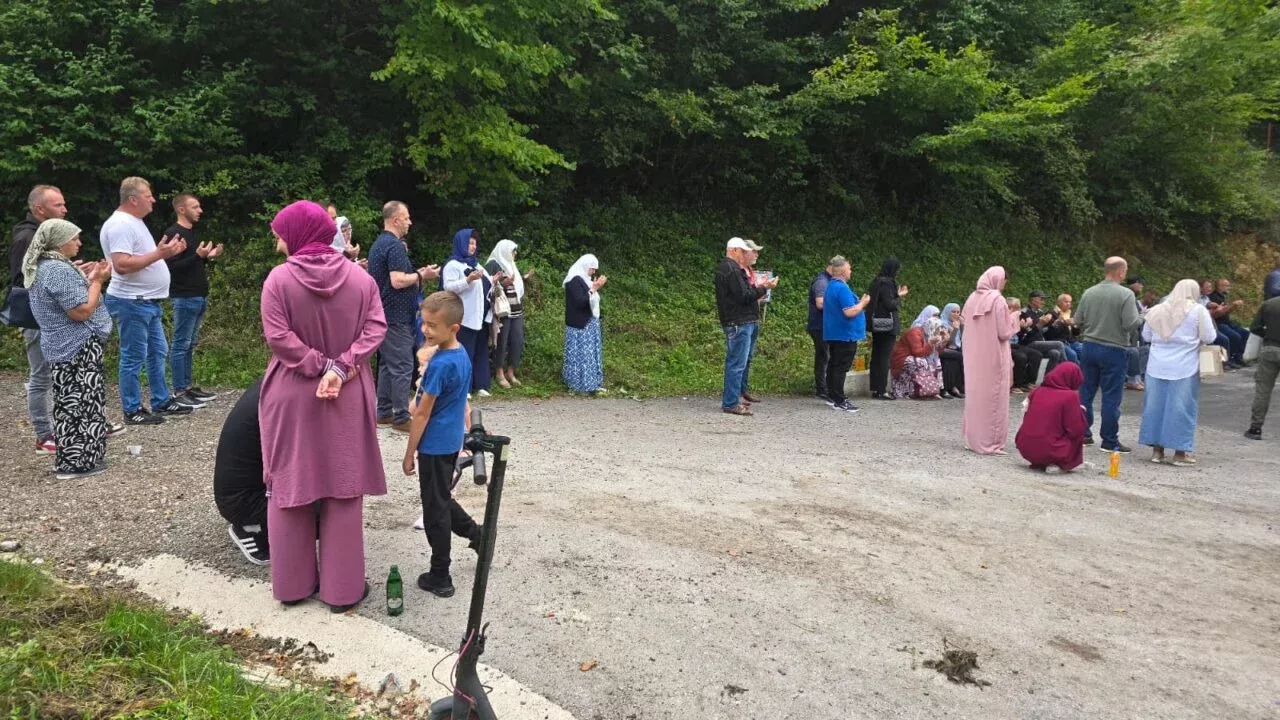
His namesake Mirko (Špiro) Pekez and Milorad Savić were also convicted, but in 2019, they were released from prison due to the application of the wrong criminal law.
At the end of 2024, the Higher Court in Belgrade issued a new verdict – Jovo Jandrić was sentenced to 13 years, and Slobodan Pekez to 10 years in prison for the war crime against 23 civilians, including four minors and ten women.
On February 25, 2025, the Humanitarian Law Fund (FHP) filed criminal charges against Milorad Vukašević, commander of the First Partisan Infantry Brigade of the VRS, as well as other members of this unit, for the murder of 34 Bosniak civilians in Jezero, then municipality of Jajce, in June 1992.
During the attacks on June 1 and 3, 1992, VRS forces carried out artillery and infantry attacks on the Jezero area. Most residents managed to evacuate by boat across Lake Pliva, while the elderly and those who did not wish to leave their homes remained and were captured.
Members of the brigade, under Vukašević's command, participated in the murder of 34 civilians, including women, the elderly, and three minors.
Out of a total of 57 victims from Jezero, seven were children – one girl and six boys. Another boy was taken for execution but survived. In addition to the murders, the property of Bosniaks was destroyed, homes and businesses were burned, and the Sultan Bajazid mosque was demolished to its foundations.
Although a commission was formed on June 5, 1992, to investigate the events, responsibility for the committed crimes was not established. To this day, the remains of most victims are being searched for, and no one has been held accountable in domestic or international courts.
The commemoration of these sufferings is held annually with a central event from June 2 to 3. In Čerkazovići, the program is organized by the Islamic Community of Jajce and the Association of Citizens "June 3" from Jezero.
Komentari (0)
Prijavite se za komentiranje
PrijavaJos nema komentara. Budite prvi!
Minuta
Sve →Iz drugih kategorija

High Representative Not Elected: Germans, French and British Against Americans, New Attempt at End of June

ČOVIĆ WITHOUT MERCY: How Those Who Brought Ademović to Office Created a Political Hell for Him



Sunny Saturday, quite warm



Tragedy in Albanian resort: Two minors drown












