
By Armin Sijamić
Since Donald Trump's return to the White House, there has been increasing talk in the United States about what was called the "American backyard" in the Monroe Doctrine of 1823. However, this part of the world is not the same as it was during Trump's first term, as China is more present than ever before.
It is no secret that the next major goal of US foreign policy is to curb China, which then-Deputy Secretary of State Kurt Campbell called the "greatest challenge" in American history last September. This assessment is accurate, as the United States has never faced a state of such size and economic and technological power, which now reaches American borders.
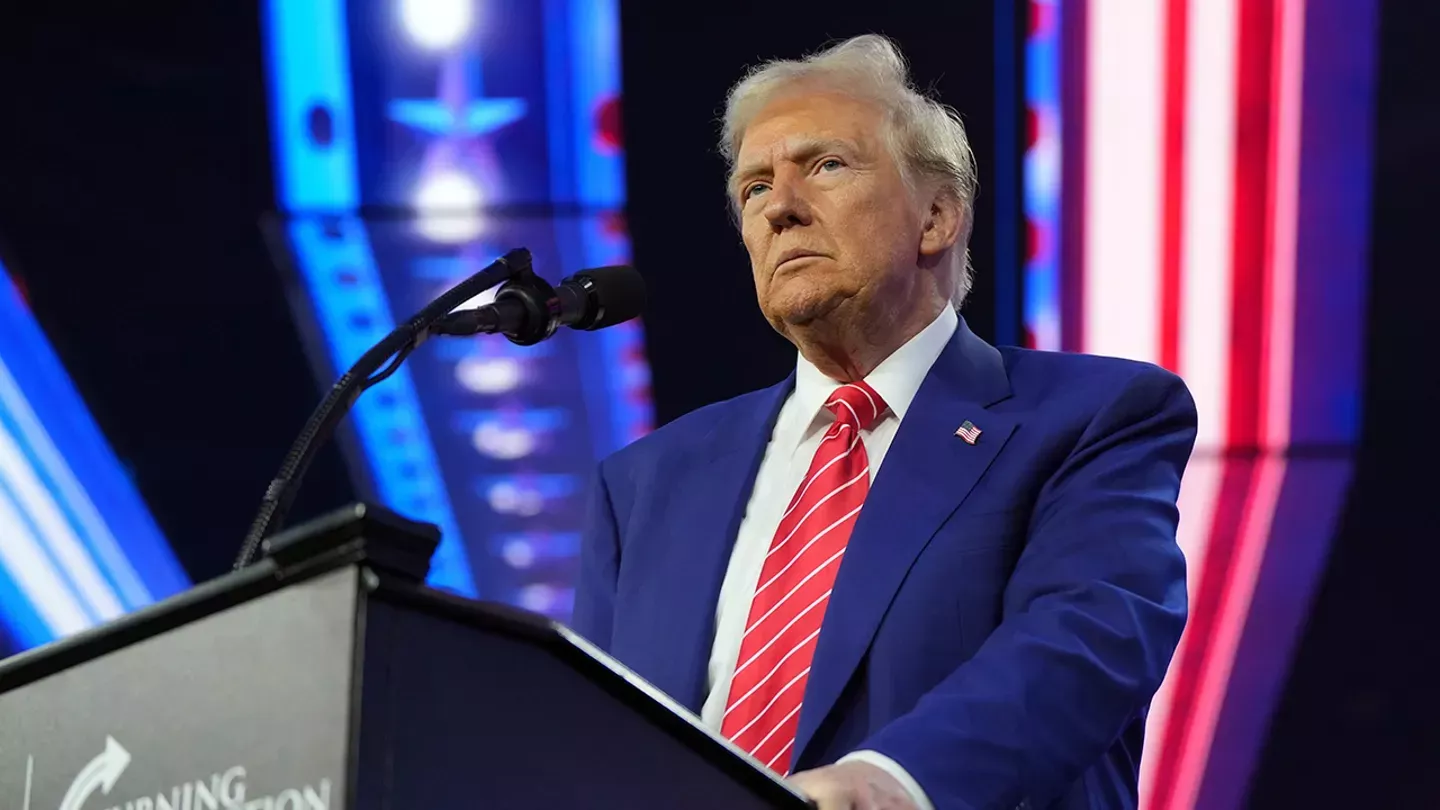
Washington has correctly assessed that curbing Chinese influence will be much easier if it starts literally from the aforementioned "backyard," where China has been a key player for decades. The choice of Marco Rubio as Secretary of State is a logical move, as he is a long-time opponent of anything related to the left, socialism, China, and communism... Furthermore, his family background and knowledge of Spanish are additional qualifications for this job.
Thus, in the early days of Trump's term, a new Washington policy began to emerge, seeing everything in North, Central, and South America as part of a world where there is no room for other powers. Soon, Trump entered into conflict with Canada, and expelled the Chinese from Panama after threatening the use of military force against that small country, which houses the canal connecting the two oceans.
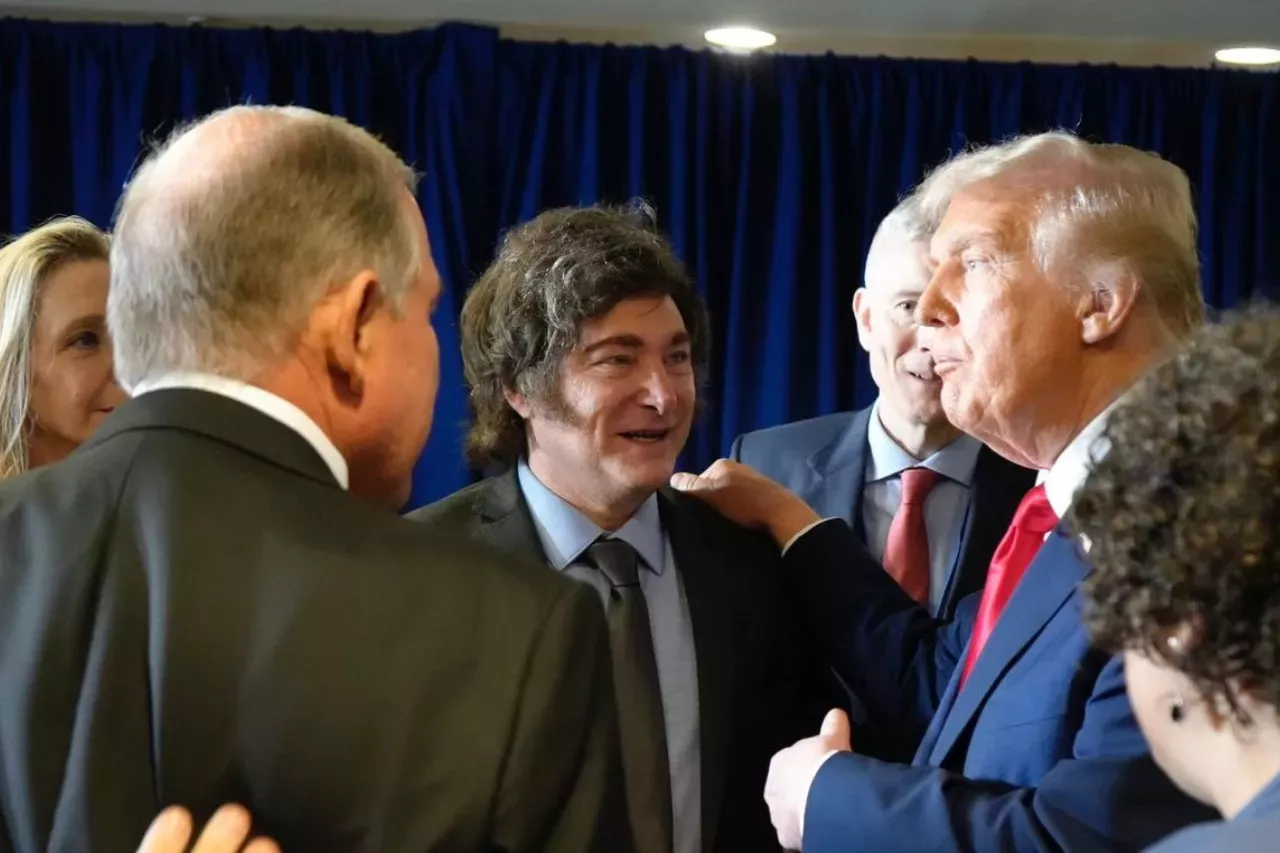
There is also the case of Argentina, where Trump and part of the American business elite are behind President Javier Milei, and political and economic models are being tested there.
Petro was the first to say "no" to Trump
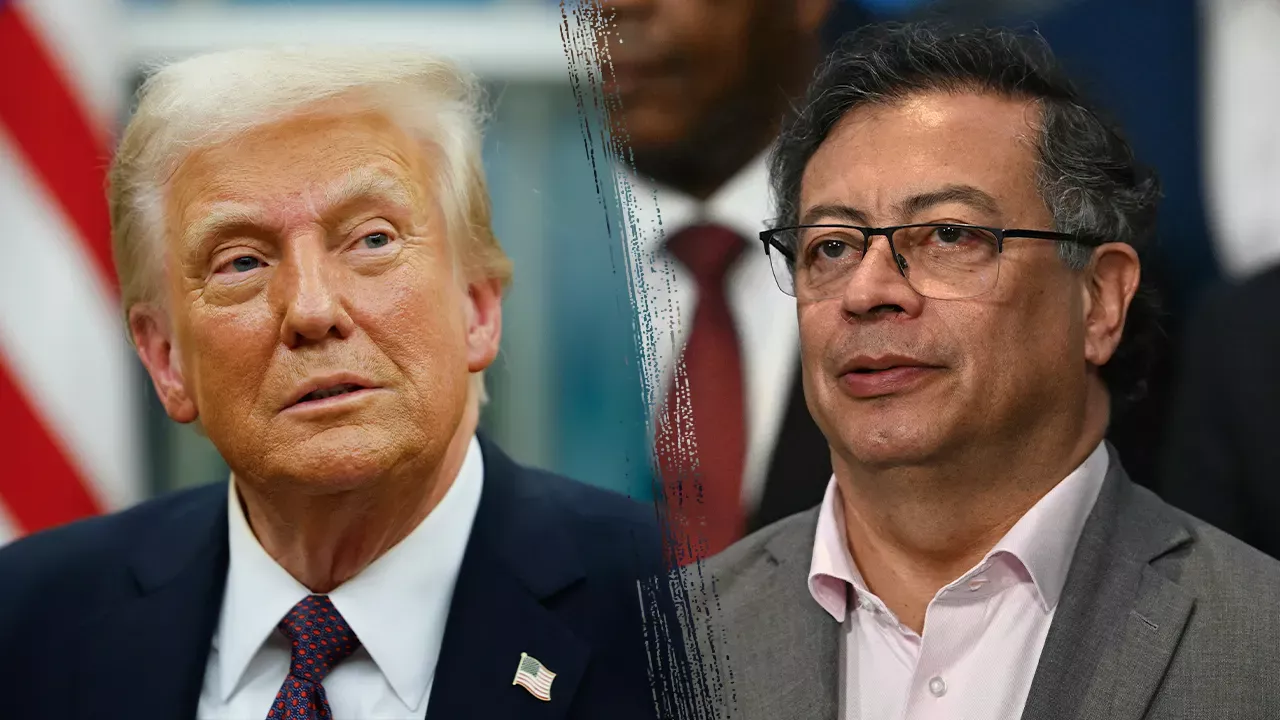
Although Panama withdrew from China's "Belt and Road" initiative under Trump's threats, another part of the former unified state refused. Leftist Colombian President Gustavo Francisco Petro Urrego refused to submit to Trump in any way, which was a double shock. First, because Petro heads a country that has been one of America's closest allies in that part of the world for decades. Second, because Petro showed that he was willing to put everything on the table, even just the alliance.
The first confrontation between Petro and Trump began shortly after the US president's return to the White House. In those days, the United States was deporting migrants to various countries, and Petro was a rare rebel. He refused to accept compatriots being transported to Colombia on US military planes. He demanded that their dignity be respected and said that their country would gladly receive them all.
While the planes were still halfway between the two countries, Trump announced tariffs on imports from Colombia. In real-time, via social media, Petro informed the world that he was imposing tariffs on the United States. Then, diplomatic channels kicked in, and the matter was briefly "smoothed over."
But Petro did not stop. Some will say that the conflict with Trump is very beneficial for him due to domestic policy, while others see a long-term plan in it. Petro soon became one of the biggest critics of Israel for the "genocide" in the Gaza Strip and began to sever ties with Tel Aviv. Expelling diplomats, breaking off trade, and verbal clashes with (pro)Israeli stances and voices on social media are part of his moves. He even deprived his army of spare parts from Israeli aircraft manufacturers and recently ordered Gripen fighter jets from Sweden for $3.1 billion.
Petro showed his stance towards Israel in New York in September. Completely undiplomatically, he joined pro-Palestinian demonstrators on the streets of this American city and called on the US military to disobey Trump. The response from Washington was swift. Aid to Colombia was frozen, Petro's visa to the US was revoked, and sanctions were imposed on the grounds that he failed to curb drug trafficking and allowed cartels to "flourish" in Colombia. This is part of the same policy Washington pursues towards Venezuela – a country with the largest oil reserves in the world.
Petro responded fiercely to accusations of any connection with Colombian cartels and announced that he would prove his innocence in US courts in proceedings to be conducted by American lawyers. He said he had no assets in the United States and that the biggest drug traffickers were residents of American, European, and Middle Eastern cities, and that these were not the ones the US military was killing on ships in recent months. He claimed that he and his country were Trump's target because he did not want to help the invasion of Venezuela, rejecting any foreign interventionism in the region.
'Greater Colombia' for the second time
Colombia's strategic importance to Washington is well known. A major showdown between the United States and its rivals is taking place in and around that country. This month, Petro spoke of "Greater Colombia," the state of Simón Bolívar, which existed in the 19th century and encompassed present-day Colombia, Venezuela, Ecuador, and Panama. "Isn't it time for Greater Colombia?" he asked himself while discussing events in the region, although it is quite clear that there is nothing to this idea at the moment.
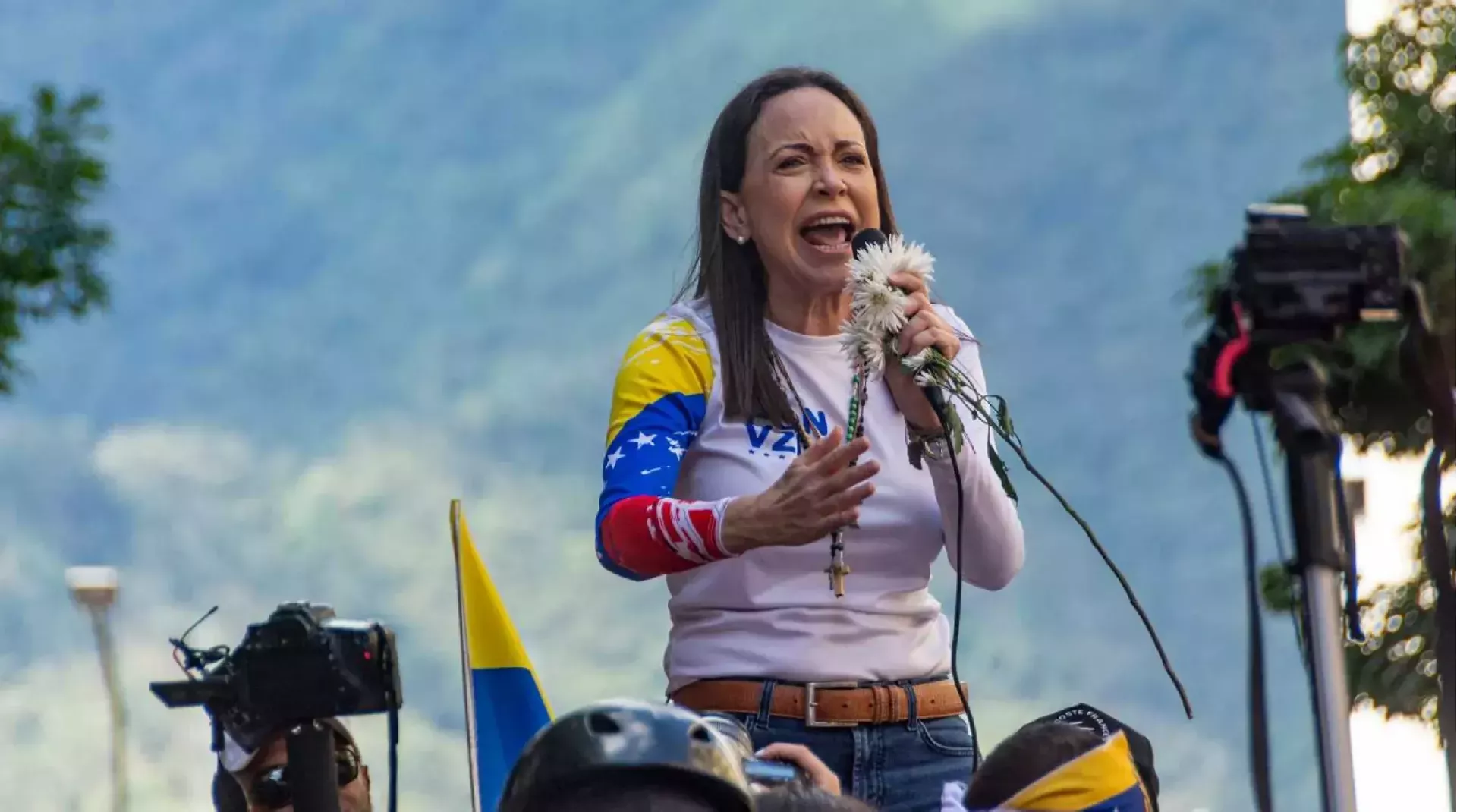
However, it is precisely in these four countries that Trump is fighting for control of the continent. After successes in Panama, things are not going smoothly with Colombia and Venezuela, and on Sunday, he suffered a heavy blow in Ecuador.
The case of Ecuador is more than important for several of Trump's policies. That once safe country has been turned by cartels, including Balkan ones, into one of the most dangerous places in the world with record murder rates. As the country lacked mechanisms to fight drug trafficking, because neighboring Colombia and Peru were centers of such illegal activities, cartels crossed the border and destroyed Ecuador in a short time. According to some data, over seventy percent of the world's cocaine, which mainly originates from Colombia and Peru, passes through Ecuador and goes out into the world.
On the wave of a desire to curb crime in Ecuador, Daniel Noboa came to power, first as president to complete his predecessor's term. Then, in the April elections, he defeated leftist Luisa González. Close to Trump, ally and founder of the notorious Blackwater, Erik Prince, appeared before these elections in Ecuador, who was supposed to get involved in the fight against cartels.
The story of drugs and cartels in Ecuador is more than a local story. Firstly, some media and political rivals of President Noboa claim that his family is involved in drug trafficking, and Balkan countries are also mentioned in this context. Then, Noboa's rise to power, in elections that the opposition claims were rigged, meant a confrontation with the leftist policies of his predecessors.
The Constitution of Ecuador prohibits the presence of foreign troops on Ecuadorian territory, and Noboa tried to change this in a referendum. The plan was to bring in the US military, or rather, to allow their return after the leftists led by Luisa González had expelled them from Ecuador. On Sunday, with a huge voter turnout, over sixty percent voted against – a heavy blow for Trump and his ally Noboa.
The Battle for South America
Trump's omnipresence in the media and focus on the Middle East and Ukraine often do not give the impression that something important is happening in South America. However, things are completely different. There, Trump is experiencing victories and defeats, making agreements, and punishing rivals.
Last month, he achieved an important victory in Bolivia, although he deserves almost no credit for it, where the anti-American left was ousted after two decades in power. This vast country, rich in resources, including lithium, returned to the American fold. The new president, Rodrigo Paz Pereira, among other things, restored diplomatic relations with Israel and broke ties with Iran.
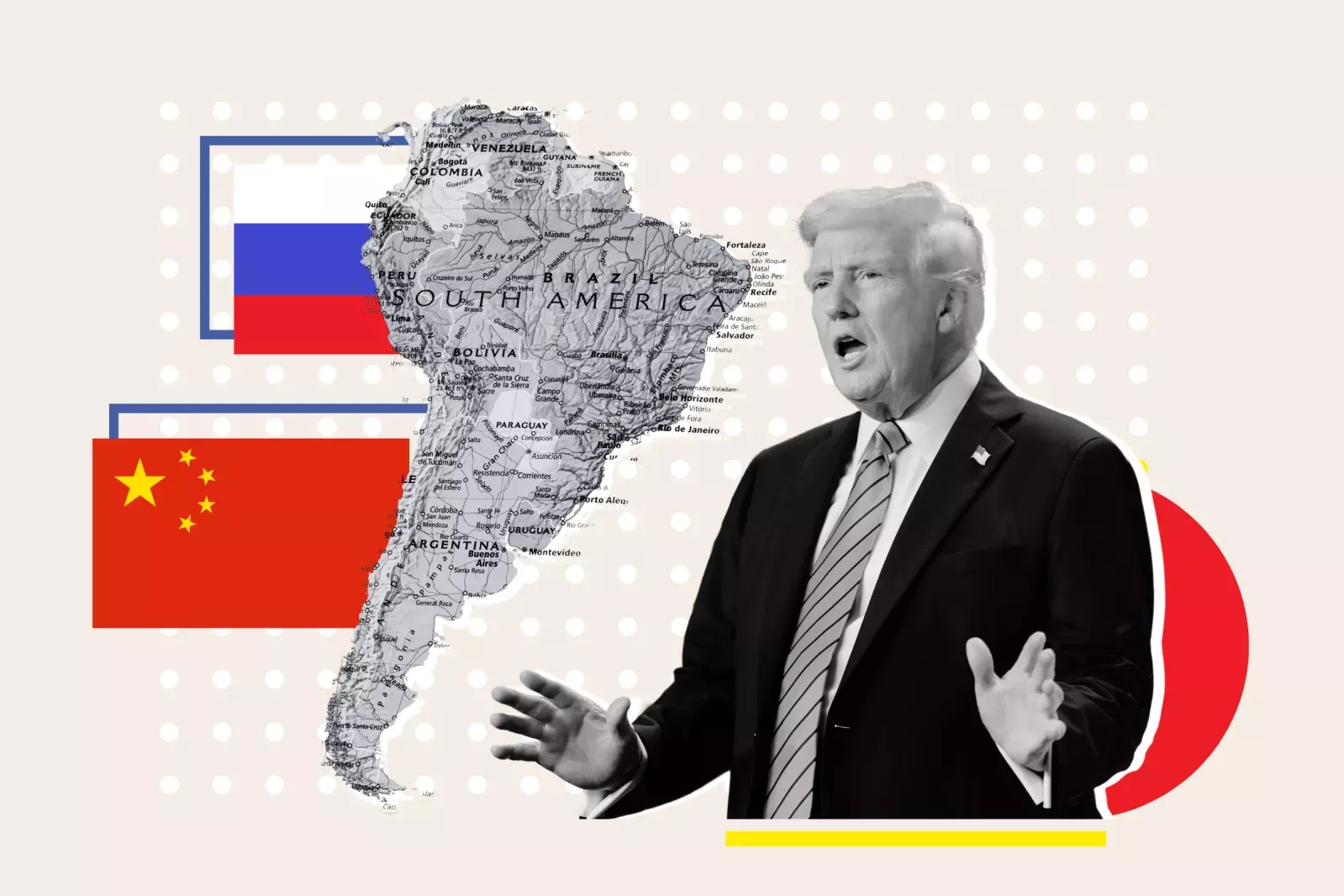
Since returning to the White House, Trump has dealt with Panama, Venezuela, Brazil, Colombia, Ecuador, El Salvador, Argentina, Paraguay... This indicates that Latin America is the epicenter of his foreign policy. He even renamed the Gulf of Mexico the American Gulf, which is also a symbolic message that he does not want Washington's leadership in that part of the world to be questioned.
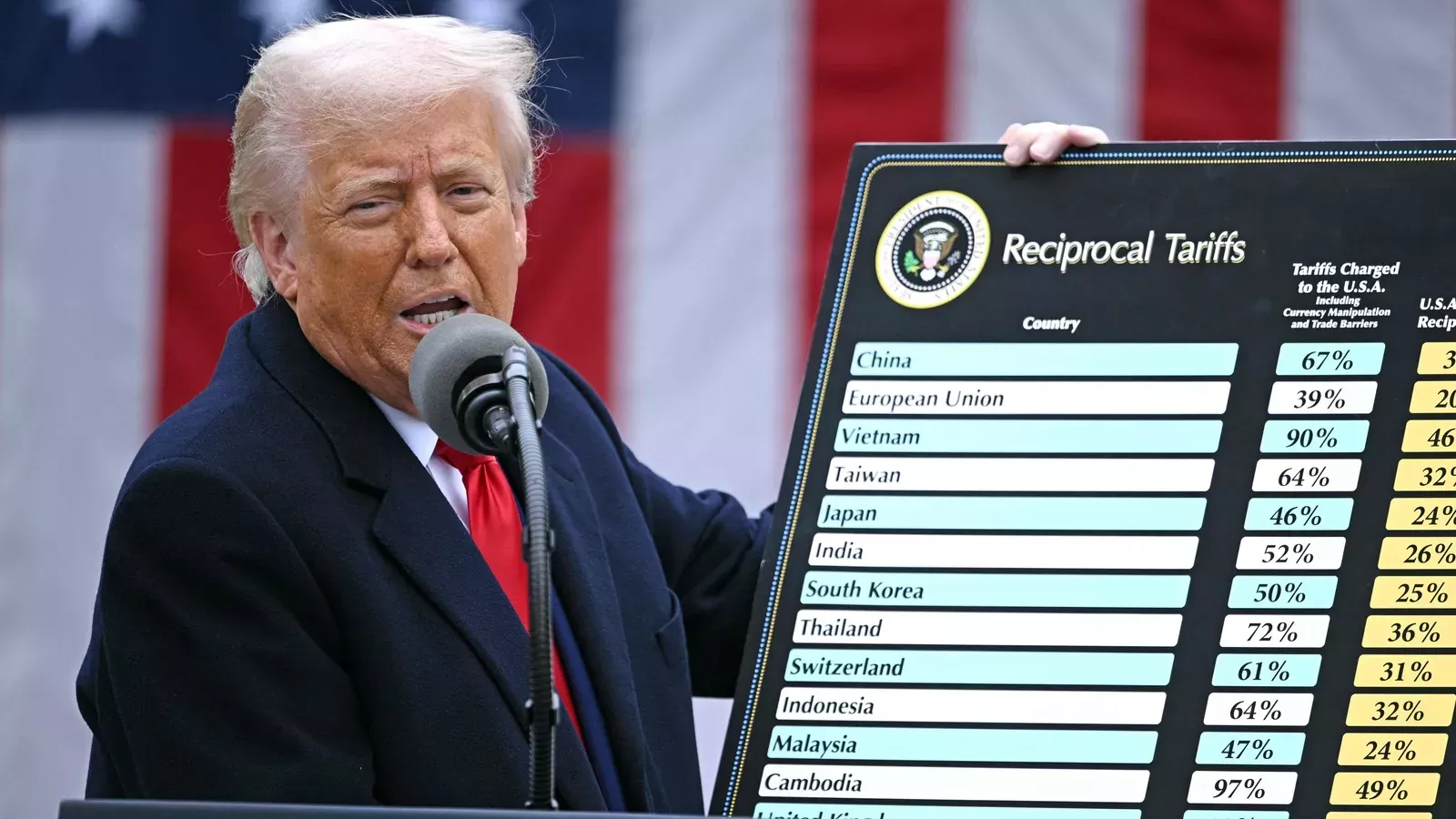
In addition, Trump has imposed sanctions and tariffs on disobedient countries and threatened the use of force, helped loyal ones, and negotiated with a few, as is the case with Brazil. "The Western Hemisphere is America's neighborhood, and we will protect it," said US Secretary of Defense Pete Hegseth, clearly indicating the goal. Previously, the United States resorted to violent regime change in this part of the world, and it seems that this era could return under Trump. American media reported that he recently ordered the CIA to operate in Venezuela.
Trump's goal is to expel Chinese influence from this part of the world, and his rivals are trying to do the opposite. In May, the presidents of Brazil, Chile, and Colombia stated that they wanted to expand economic cooperation with China and rejected "trade wars," which is a clear criticism of Trump's tariff policy.
The "American backyard" is the scene of a confrontation between Beijing and Washington, and both sides have their advantages. The two powers offer different arrangements, and in some parts of the world, they even coexist. However, in South America, those who rely on China and the United States do not have that luxury. The victory of one side means a comprehensive showdown with the other. In other words, the confrontation in South America, whether Sino-American or a confrontation of local forces, is a policy that leaves one side heavily defeated.
Komentari (0)
Prijavite se za komentiranje
PrijavaJos nema komentara. Budite prvi!
Minuta
Sve →Iz drugih kategorija

High Representative Not Elected: Germans, French and British Sabotaged Americans, New Attempt at End of June

ČOVIĆ WITHOUT MERCY: How Those Who Brought Ademović to Office Created a Political Hell for Him



Sunny Saturday, quite warm



Tragedy in Albanian resort: Two minors drown












