
By Armin Sijamić
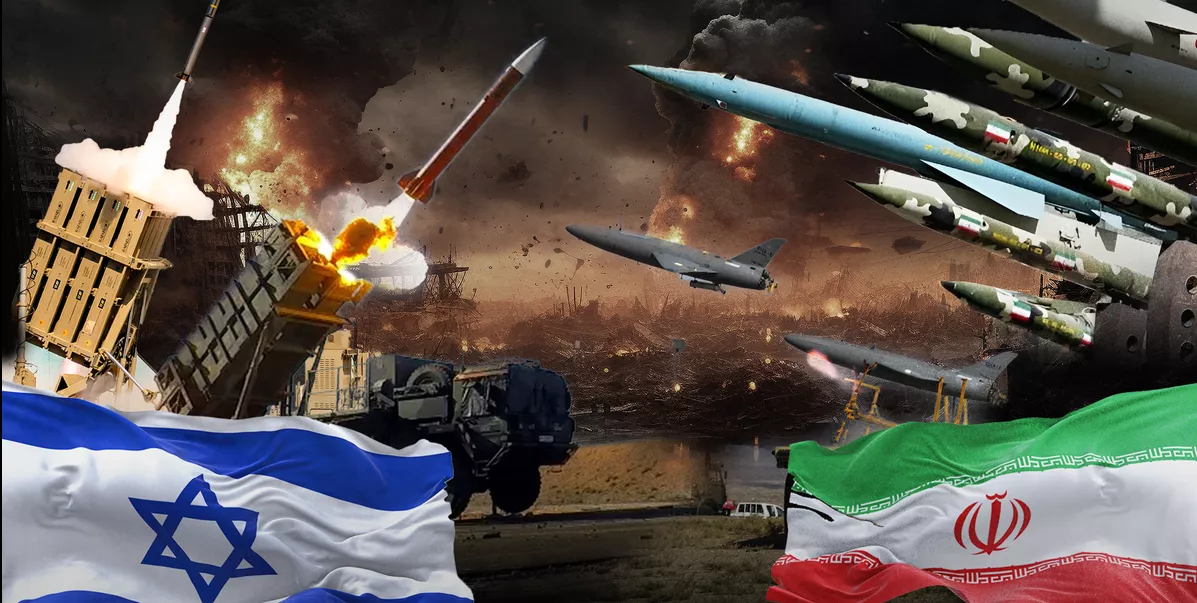
On June 13, Israel launched a surprise, but well-planned, attack on Iran with the intention of destroying that country and bringing it under Western control, as is the case with almost all other Middle Eastern countries. To succeed in this, Prime Minister Benjamin Netanyahu needs the help of the United States.
The war between Israel and Iran is exclusively the fault of US President Donald Trump and Israeli Prime Minister Benjamin Netanyahu. Iran's nuclear program was resolved by the 2015 agreement, signed by Iran, the United States, Russia, China, the United Kingdom, France, and Germany. Upon entering the White House, at Netanyahu's request, Trump withdrew the United States from the agreement in 2018 and imposed sanctions on Iran, with the intention of overthrowing the government there.
In his second term, Trump reportedly wants to reach a new agreement with Iran, while Netanyahu rejects any deal that does not mean crushing Tehran and stripping it of its ability to conduct independent policy. Iran entered the negotiations so gently that President Masoud Pezeshkian, who belongs to the current of so-called moderate Iranian politicians and reformists, came under criticism. Some believed that Pezeshkian intended to accept any agreement, even if the more conservative part of the Iranian establishment opposed it.
However, that was not enough for Trump, and even less for Netanyahu. After the deadline Trump gave Tehran to accept the agreement they had been negotiating for weeks in Oman and elsewhere expired, Israel attacked Iran. Thus, the recipe from the Gaza Strip was applied again, where negotiations are held with Hamas with the intention of never reaching an agreement, while the army destroys everything in its path.
Shock for Iran
Last week's Israeli attack on Iran was unprecedented. In a few hours, Israel liquidated dozens of Iranian officials, nuclear and other scientists, hundreds of civilians, attacked nuclear facilities, oil refineries, airports, and then car bomb explosions echoed throughout Iran, sabotage was carried out, and military infrastructure, especially air defense, was attacked. Finally, Israel killed Ali Shamkhani, the chief negotiator with the Trump administration, showing that its goal is the destruction of Iran and that the threat of Iran's nuclear program is just a pretext for the attack. This attack was completely different from the attack on Iran in October last year.
Iran quickly consolidated, which surprised Israel and Washington, which, according to Trump, knew about the attack and allegedly informed Middle Eastern allies about it. On Monday, former Israeli Defense Minister Yoav Gallant said that the operation had been prepared since October, when they "started opening an air corridor for an attack on Tehran." This likely meant removing the air defenses of Syria and Iraq and pacifying political actors across the Middle East.
What does the (un)controlled overthrow of Bashar al-Assad bring to Syria and surrounding countries?
The overthrow of Bashar al-Assad from power, the strengthening of sectarian divisions in Lebanon and Iraq with the help of the West, as well as the support of Jordan and other Arab countries for Israel's defense, are just some of the elements of this plan which, according to Gallant's admission, has been in the making for months. Since Iran's attacks on Israel, the US military, along with the British and French, has been protecting Israel from Iranian drones and missiles. This time, in addition to that, there are also flying tankers refueling Israeli planes attacking Iran.
The true impact of the Israeli army's attacks on Iran is difficult to assess due to the fact that Western media have unconditionally sided with Netanyahu's government. Such an approach was also prepared, and for this occasion, Reza Pahlavi, the son of the shah overthrown in the Islamic Revolution, was activated. Pahlavi, from exile, calls on Iranians to revolt and claims that the Islamic Republic is on its last legs, welcoming Israel's attack on the country he wants to rule on behalf of the West. Trump also helps the media pressure. In a few days, through social media posts and anonymous sources, Trump threatens to liquidate top Iranian officials, calls for negotiations and peace, demands an end to the war, and announces escalation.
Shock for Israel
Iran unexpectedly quickly managed to consolidate its ranks and once again showed that Israel alone cannot defeat it. It retaliated with drone and missile attacks, hitting some important targets in Israel, but also killing and injuring numerous civilians. What Iran managed to hit is not known to the public.
Footage on social media shows destroyed military and civilian facilities across Israel, including in the centers of Tel Aviv and Haifa. Ultimately, Israel banned the publication of such footage. Iran's military response is also puzzling. While Israeli media claim that Iran has few missiles and launchers left, as Israel destroyed them, Tehran says they have just begun. The choice of Iranian missiles is also a mystery to the public.
In addition to several hypersonic missiles, it seems that Iran is using older ones, while saving the newest and those with the largest warheads for future attacks. This approach differs from the previous two Iranian attacks on Israel.
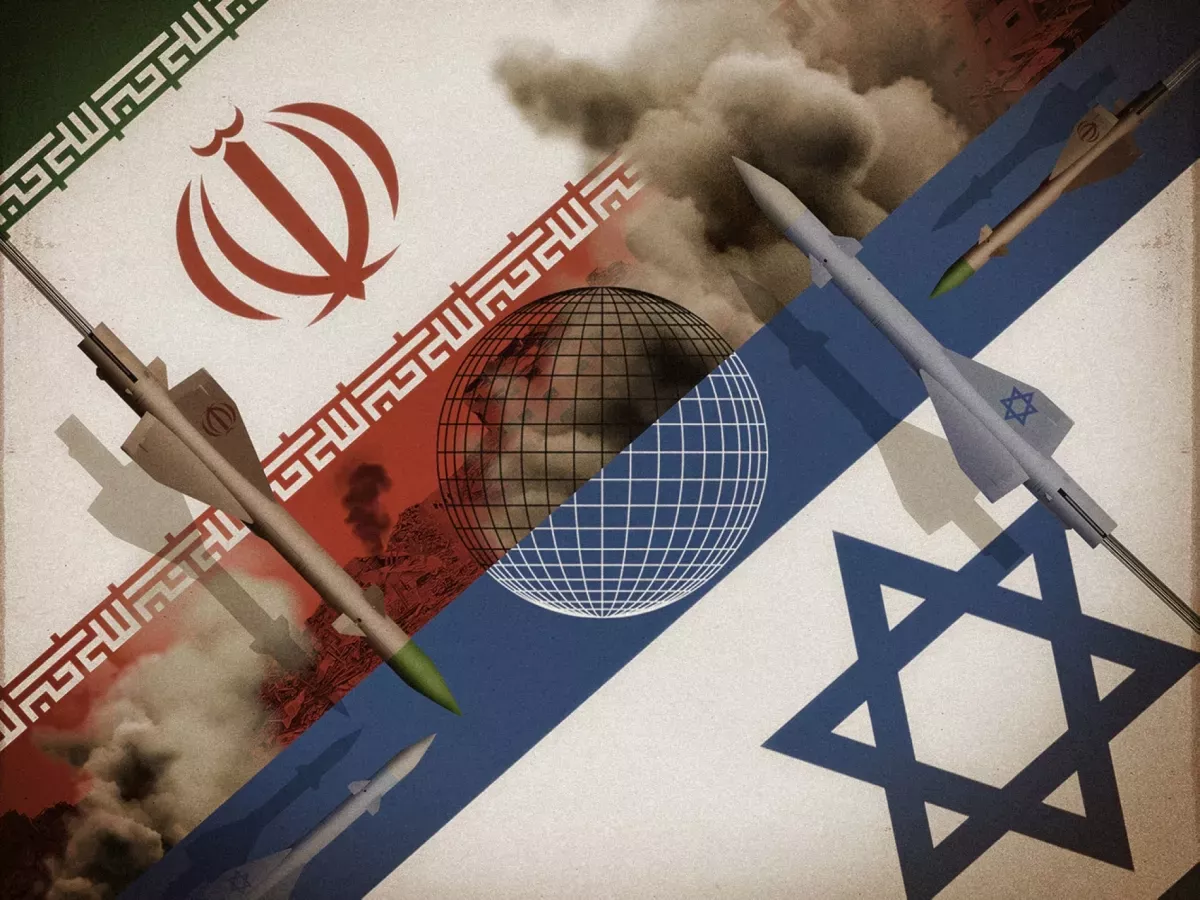
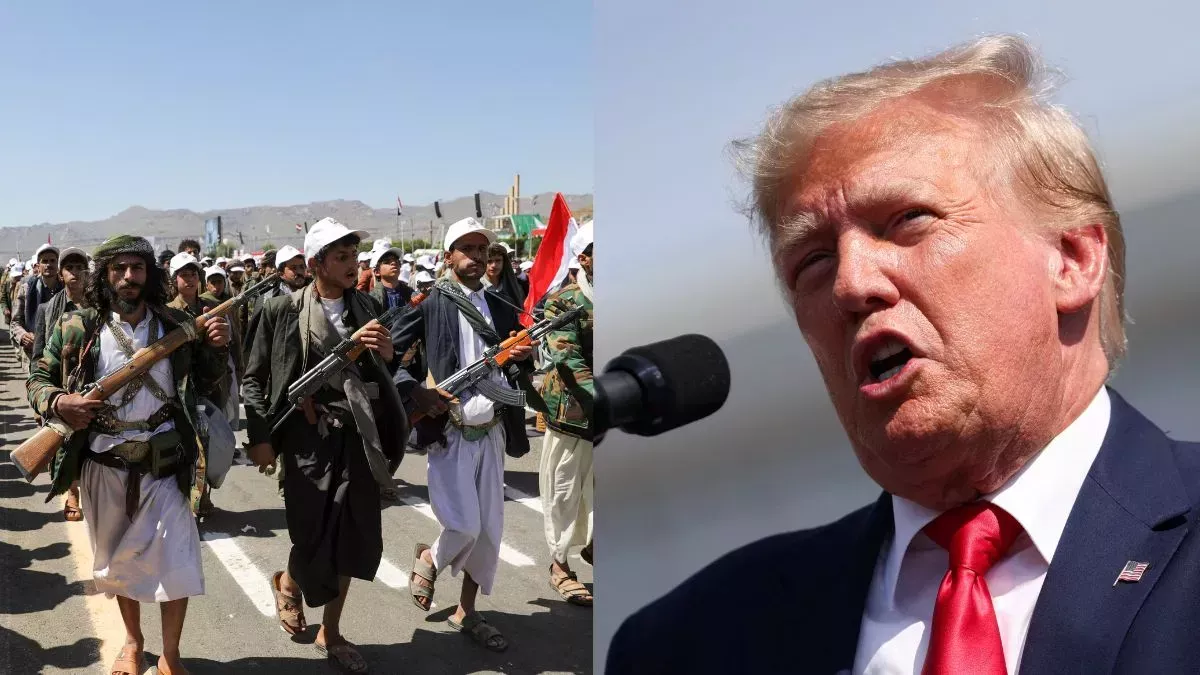
Iran's response is also conditioned by the fact that Tehran anticipates that it may have to target American bases. There are about ten such bases near Iran's borders, and some are much closer than Israel, exposing the US military to great risk. Although there is no doubt that the US military is the most powerful in the world, soldiers probably do not want to fight, regardless of politicians' calls. One should consider the American experience of years of war in Iraq and Afghanistan, or the recent short-lived clash with the Yemeni Houthis from which Trump emerged without achieving any goals and with significant losses.
Trump Decides
Nervousness in Tel Aviv is growing, although Western media claim that Iran is on its last legs. Experts say Israel does not have the capability to destroy all of Iran's nuclear facilities, and only American bombers and bombs can do that. Some of these facilities are hundreds of meters underground.
But Netanyahu has more than one goal in attacking Iran. He said he wants "regime change," the destruction of Iran's nuclear and missile programs. However, it is completely clear that the primary goal is regime change, as the aforementioned Pahlavi dynasty developed the nuclear program with the help of the West. Iran at that time was another clientelist Middle Eastern state.
In this endeavor, Israel has activated sleeper cells throughout Iran. Some may have been infiltrated before the attack began. Iranian services have been hunting saboteurs with rocket launchers, explosives, and drones for days and claim that they caused the greatest damage to the Iranian army, not Israeli planes.
These attacks were aimed at causing chaos in Iran and inciting rebellion. It is interesting to note that in recent days, the Israelis have predominantly targeted members of the Revolutionary Guard, and fewer military leaders. This suggests that Israel wants divisions within Iran to provoke a war similar to the one in Syria.
Nevertheless, Netanyahu alone will not be able to defeat Iran, even with the current support of the West and Arabs. The Israeli lobby in the United States and Netanyahu are calling on Trump every day to attack Iran.

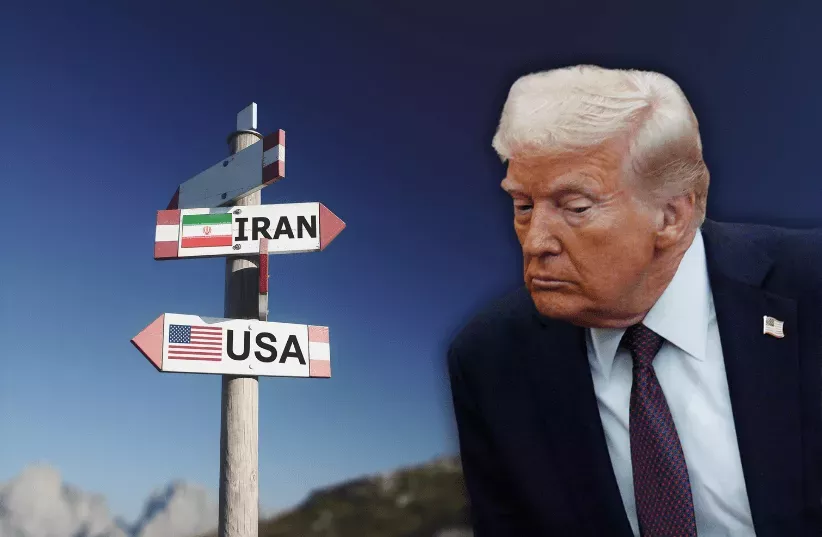
Trump has several options if there are no negotiations with Iran. One is to start a war similar to those in Afghanistan and Iraq, which he opposed during his political career, with the intention of overthrowing the Iranian government. Another option is to maintain the current level of aid to Israel or reduce it, which would likely lead to Netanyahu's downfall, as millions of Israelis do not want endless wars and daily Iranian attacks. The third option is a short-term entry into war, i.e., an attack on Iran's nuclear facilities. With their destruction, the issue of Iran's nuclear program would be resolved, and negotiations would no longer be on the table, so the continuation of the war would then depend on the response of the authorities in Tehran.
Komentari (0)
Prijavite se za komentiranje
PrijavaJos nema komentara. Budite prvi!
Minuta
Sve →Iz drugih kategorija

High Representative Not Elected: Germans, French and British Sabotaged Americans, New Attempt at End of June

ČOVIĆ WITHOUT MERCY: How Those Who Brought Ademović to Office Created a Political Hell for Him



Sunny Saturday, quite warm



Tragedy in Albanian resort: Two minors drown












