
By Armin Sijamić
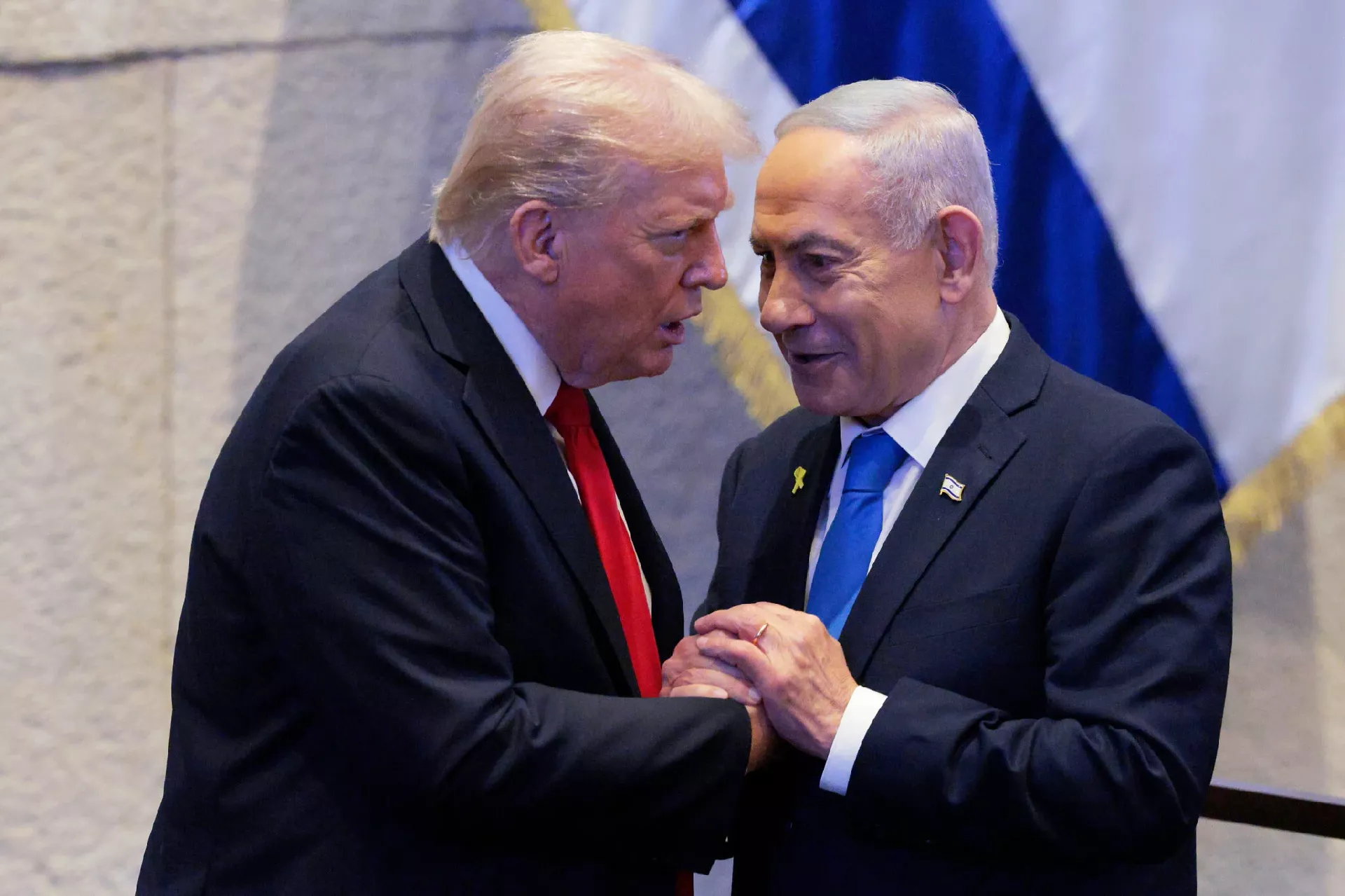
Israeli Prime Minister Benjamin Netanyahu visited US President Donald Trump this week, and Iran was again the main topic.
Since Donald Trump's return to the White House thirteen months ago, Netanyahu has visited him at least seven times. The frequency of visits speaks to the urgency and importance of the topics discussed. The existing channels of constant communication between the two allied states are clearly not sufficient.
There is no doubt why Netanyahu visits Trump so often. Netanyahu believes he has a real opportunity to break the government in Iran, the Shiite Hezbollah in Lebanon, and the Palestinian resistance. In recent months, he has taken a series of steps with that intention. One of them is the adoption of a law that allows for easier confiscation of Palestinian land in the West Bank and creates the premise for transitioning from occupation to annexation, while in the Gaza Strip, despite the ceasefire, attacks continue in which hundreds of Palestinians have been killed.
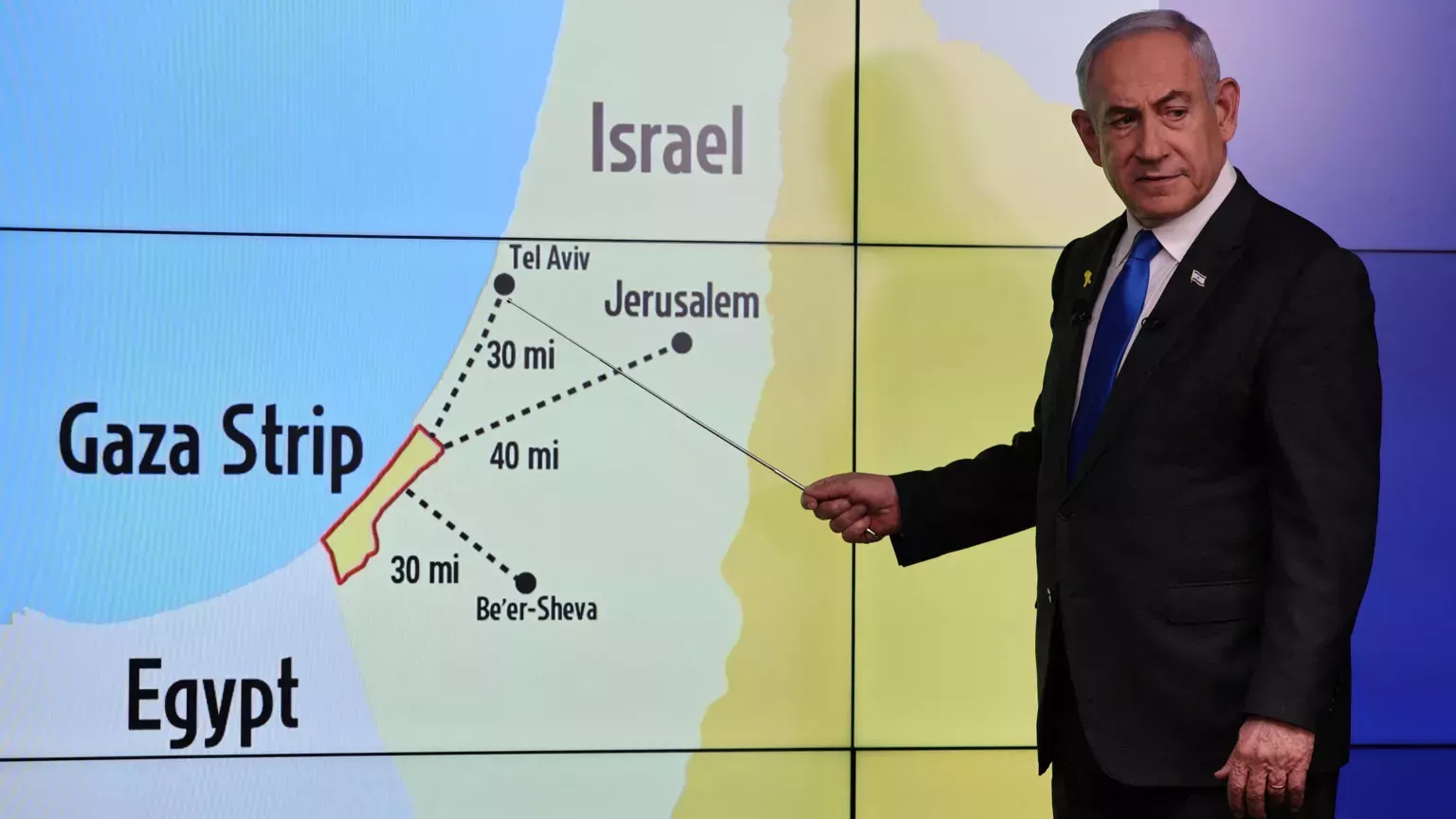
Netanyahu believes that Iran has been weakened in various ways and that now is the best opportunity to overthrow its government or subjugate it to Washington and Tel Aviv. From previous attacks, Netanyahu knows that Israel cannot achieve this alone and needs the help of Washington and several Arab countries. Namely, it is not enough to militarily attack Iran, using the airspace of other countries and American bases across the region; Netanyahu wants to ensure that the United States, the United Kingdom, and Arab countries intercept drones and missiles that Iran might send towards Israel, as it has done before.
The protests that lasted in Iran from the end of December to the middle of last month were part of a plan to destabilize the government in Tehran. Trump promised help to the demonstrators, and Israel announced that its people were on the streets of Iran.
Playing with open cards
The protests have been suppressed for now. Damages are being assessed and culprits sought. The West claims that Iranian authorities killed thousands, and some say tens of thousands of civilians. Iran says it dealt with an armed rebellion supported from abroad.
Unlike some previous interventions around the world, when attempts were made to 'package' everything as concern for a group needing protection, a possible US attack on Iran is being monitored and explained without gloves, and often high-ranking state officials explain their positions on social media.
Thus, for example, three weeks ago, US Vice President JD Vance wrote on social network X, commenting on domestic issues, that the US authorities' 'plan' is 'very simple: If you attack a church or a public official, we will do everything we can to send you to prison.' Then, Iranian Foreign Minister Seyed Abbas Araghchi shared Vance's post and listed the damage during the protests in Iran: '305 ambulances, 24 gas stations, 700 shops, 300 private homes, 750 banks, 414 government buildings, 749 police stations, 120 Basij centers, 200 schools, 350 mosques, 15 libraries, 2 Armenian churches, 253 bus stations, 600 ATMs, 800 private cars. A total of 3,117 dead. Civilians and security forces 2,427. Terrorists 690.'
Some time earlier, Trump told Iran not to carry out death sentences on arrested demonstrators, or he would order a military attack. A few days later, he said that Iran had listened to him and there were no executions, so he was postponing the attack.
This confrontation between the leaders of the US and Iran left no room for imagination in the media. The British Financial Times wrote about testimonies from people that among the demonstrators in Iran were those who 'looked like commandos,' stating that the protests were peaceful until January 8. Others, however, did not deviate from their usual narratives. American CBS reported from the Iraqi mountains during those days about Kurdish militias in the style of Syrian 'moderate rebels,' ready to fight against the regime in Iran.
Netanyahu wants to break Iran
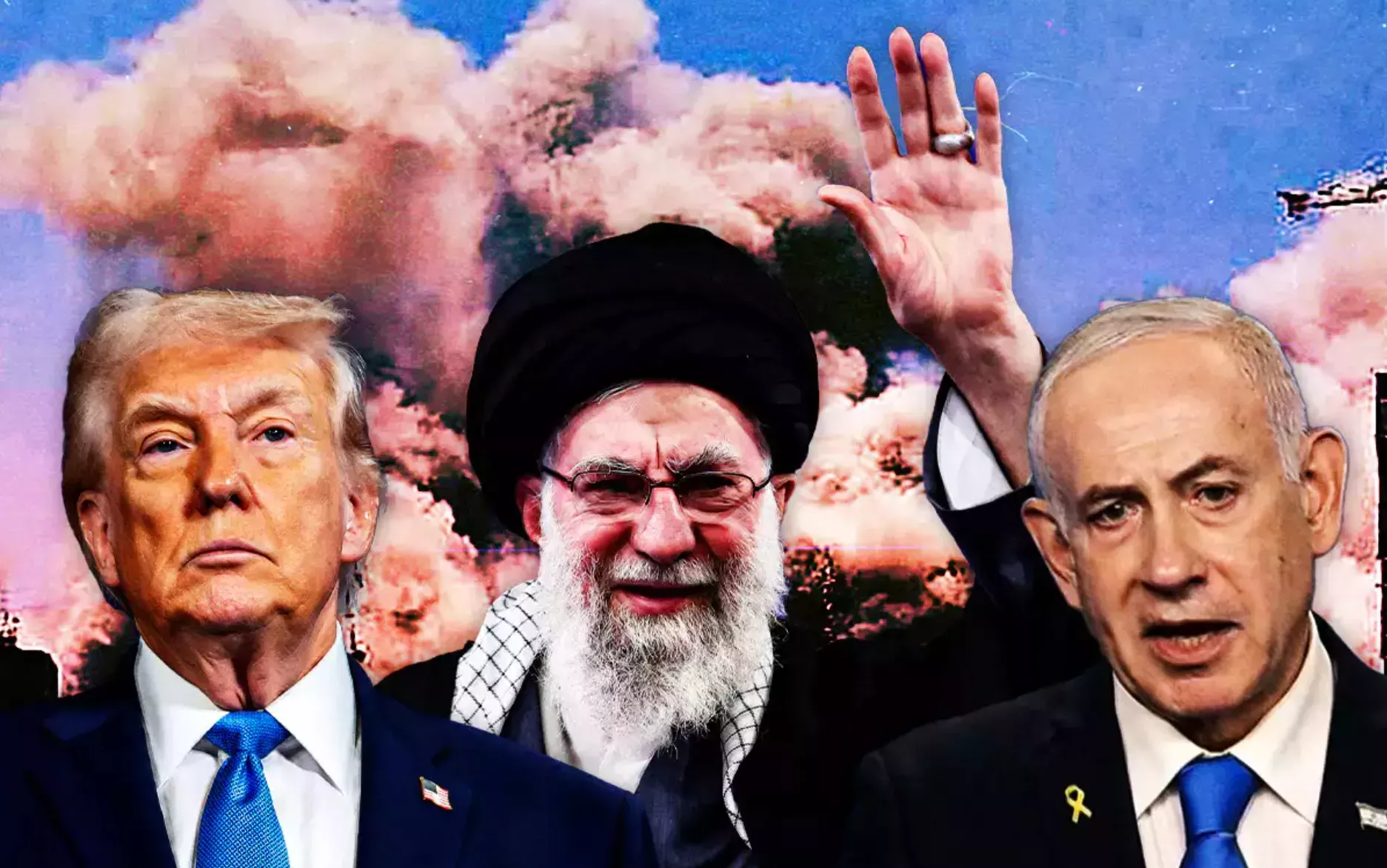
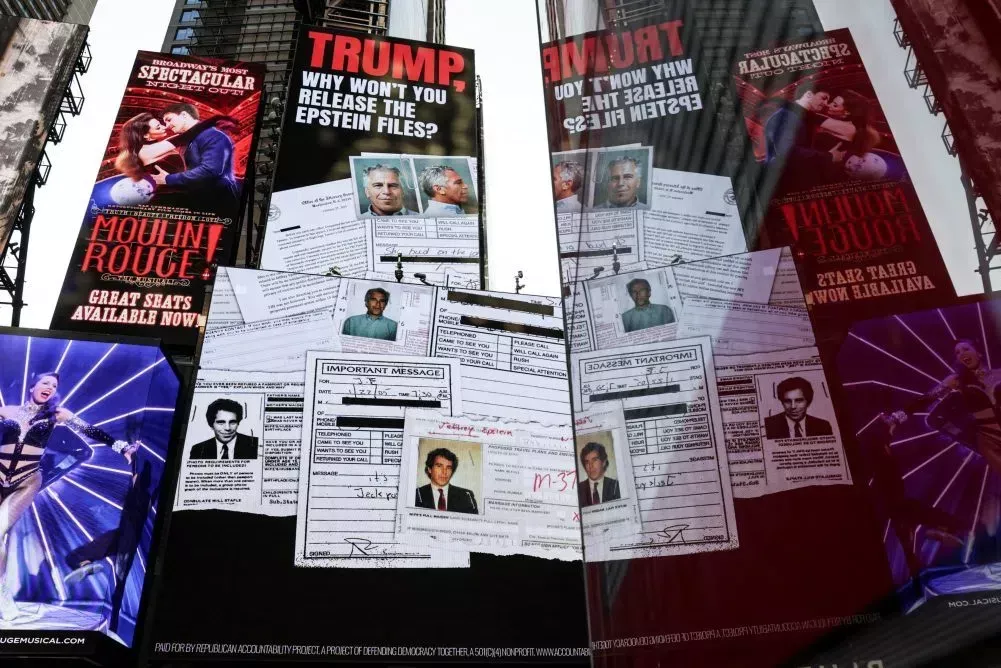
Things are clear. Netanyahu now wants a change of government in Tehran or Iran's renunciation of its nuclear program, long-range missiles, and regional allies. Iran, on the other hand, wants to stop Netanyahu at the Israeli borders, reach an agreement with Washington, and lift sanctions. Trump, facing the Jeffrey Epstein case, does not want to disappoint voters to whom he promised an end to American wars, seeks to please Netanyahu and the pro-Israeli lobby in the United States that helped him return to the White House, and finally get rid of the Iran issue in any way possible.
Trump's messages after this week's meeting with Netanyahu sound like he wants negotiations with Iran, or their continuation after the latest round in Oman.
It should be recalled that in last year's attack, Israel attempted to assassinate the chief Iranian negotiator with Washington, the state and military leadership, and, with the Americans, bombed Iranian nuclear facilities and supported an attempt to change the government through the aforementioned protests. Such a difference in the approach of Netanyahu and Trump indicates that there is at least some willingness on the American side to reach an agreement with Iran to the satisfaction of both parties, while Netanyahu accepts nothing less than the collapse of the current Iranian policy.
In other words, an agreement is possible if one side moves significantly from its current positions. Iran states that it is ready to negotiate its nuclear program, as it did in 2015 with world powers, in an agreement that Trump dismantled in his first term.
The United States, and especially Israel, demand much more than that. If Iran does not agree to their demands, the other side has two options. The first is to maintain the current situation and tighten the grip on the government in Tehran with additional sanctions, and the second is some kind of military operation. The Iranians, aware that Trump might also undertake this, have said that any military attack means a war that will engulf the entire Middle East, meaning the development of the situation would be different than after the attack in June.
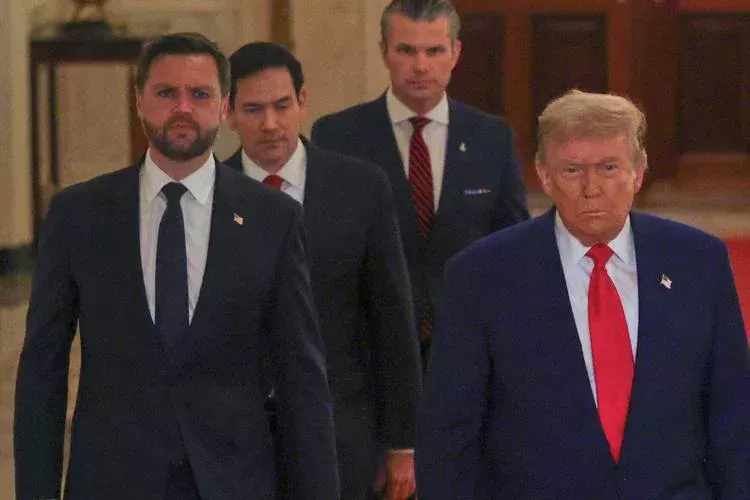
Demonstration of force and opportunity for diplomacy
The media report that Trump is amassing military forces in the region, while Iran is producing new missiles and strengthening its air defense. In psychological and propaganda tricks from both sides, it has become clear how much is at stake and how difficult it will be to reach an agreement that will satisfy everyone.
Thus, the Iranians have begun to place layers of earth on the entrances to nuclear facilities that Trump targeted, which is a message that the facilities have not been destroyed. Then, news came from Iran that an unexploded American GBU-57 bomb, designed to destroy underground facilities, was found at one of these locations. In addition to wanting to tell the Americans that their attack failed, a message is being sent to the US military that more of their advanced weapons could end up in the hands of Iran, and subsequently Russia or China. The Americans, on the other hand, have sent an aircraft carrier to the Middle East and are considering sending another. Trump's special envoy Steve Witkoff and Trump's son-in-law Jared Kushner visited an aircraft carrier in the Arabian Sea, which is a message that they are in control.
Trump's maneuvering with Iran shows that the American side is still unsure of the outcome of a war, should it occur. It should be recalled that Trump, during the attack in June last year, demanded 'total surrender' from Iran on social media, and now he is trying to negotiate again. For now, Trump is opting for economic and diplomatic pressure, while Iran is looking for a way to survive.
Washington knows that Iran is stronger than any other country it has fought since the end of World War II, and that the government in Tehran has the support of a large part of the Iranian people, that the army and economy are capable of withstanding blows, as is the state administration system, which did not collapse even after the aforementioned attack by Israel and the liquidation of dozens of important civilian and military officials.
However, this does not mean that the world's largest power, with its regional allies, does not have ways to inflict heavy blows on Iran. This is also clear to Iran, which for years has wanted an agreement with Washington similar to the one from 2015, in order to be freed from the severe American sanctions that are causing immense damage to that country.
In political terms, such an agreement would be a verdict on Trump's policy, as he annulled it in his first term. Iranians say that any significant deviation from that agreement is unacceptable to them. And for Netanyahu, anything less than the defeat of the current Iranian government, the destruction of its nuclear and missile programs, and the severance of ties with regional allies is not an option.
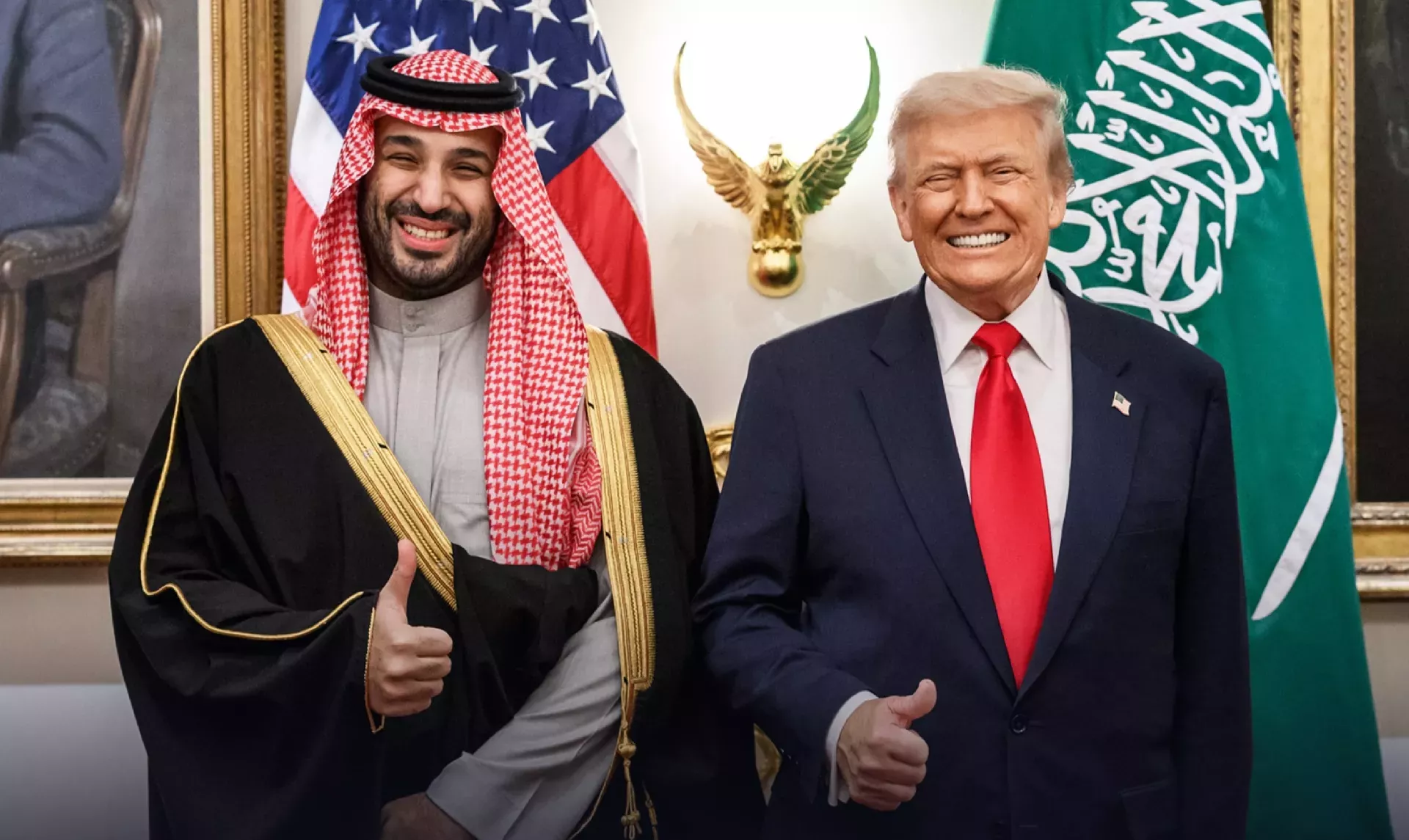
While Washington decides how to proceed with Iran, other fronts cannot wait. During Netanyahu's visit to Washington, Israel joined Trump's 'Peace Committee' which is to deal with peace in the Gaza Strip, as well as in other parts of the world. Besides the fact that there are no Palestinians on the committee's leadership, Trump is not bothered by the fact that Netanyahu is under an international arrest warrant for war crimes. This suggests that Trump is making some moves out of necessity, meaning that none of his moves in this grand geopolitical game are unexpected.
Komentari (0)
Prijavite se za komentiranje
PrijavaJos nema komentara. Budite prvi!
Minuta
Sve →Iz drugih kategorija

High Representative Not Elected: Germans, French and British Sabotaged Americans, New Attempt at End of June

ČOVIĆ WITHOUT MERCY: How Those Who Brought Ademović to Office Created a Political Hell for Him



Sunny Saturday, quite warm



Tragedy in Albanian resort: Two minors drown












