
Written by: Armin Sijamić
In recent weeks, several Western countries have seen significant changes in how they treat migration, i.e., the approach of "open doors" where borders almost do not exist. Even the biggest advocates of "borders without borders" are faltering and seeking new solutions.
Migration is an integral part of European development and for decades the European Union considered it a solution to demographic problems and the need for (cheap) labor. However, in 2015, a rift occurred among member states that continues to this day. At that time, over a million people came to the EU.
The question of who and how can come to the EU is still on the table, and some countries have come full circle – from acceptance to opposition, or from opposition to acceptance. For example, with the change of government in Sweden, a right-wing government wants changes and restrictions on immigration, while Hungary and Poland, which were against the arrival of migrants since 2015, have opened their doors to Ukrainians.
These changes in attitude tell us that it is not just about a change of ruling parties, but that the issue of migration is an important security, ideological, economic, and increasingly less humanitarian issue. The appearance of "migrant waves," i.e., pauses between large influxes of migrants, indicates that this is a process often managed far from the public eye.
From the United States to Sweden
The enormous influx of migrants is becoming increasingly difficult for some countries to bear. For years, for example, Turkey and Lebanon sought help from the West, because millions of migrants and refugees have permanently changed these countries. This has also affected political circumstances, so the mayor of Istanbul, Ekrem Imamoglu, often perceived in the West as a desirable opposition to Recep Tayyip Erdogan, built part of his political program on expelling Syrian migrants from Turkey's largest city. "They cannot change the color of Istanbul," Imamoglu said, adding that they bring trauma to the local population.
Such statements are not possible in the West, or are reserved for parties that the rest of the political scene and the media keep on the margins. However, different messages are possible, indicating that even the most liberal political forces have found the uncontrolled influx of migrants to be a major problem.
New York Mayor Eric Adams, an African American and a Democrat, announced that this large and wealthy city will not be able to withstand the influx of migrants, i.e., that it has no money for their accommodation. Adams was an advocate for accepting migrants and paying for their accommodation, in line with the tradition that this city, built by immigrants, offers hospitality to people who come.
Adams says that by 2025, New York will have to allocate $12 billion for migrants, and since last year alone, more than one hundred thousand have arrived. Earlier this week, he said that capacities are "full" and announced a trip to Mexico, Colombia, and Ecuador to discourage new arrivals.
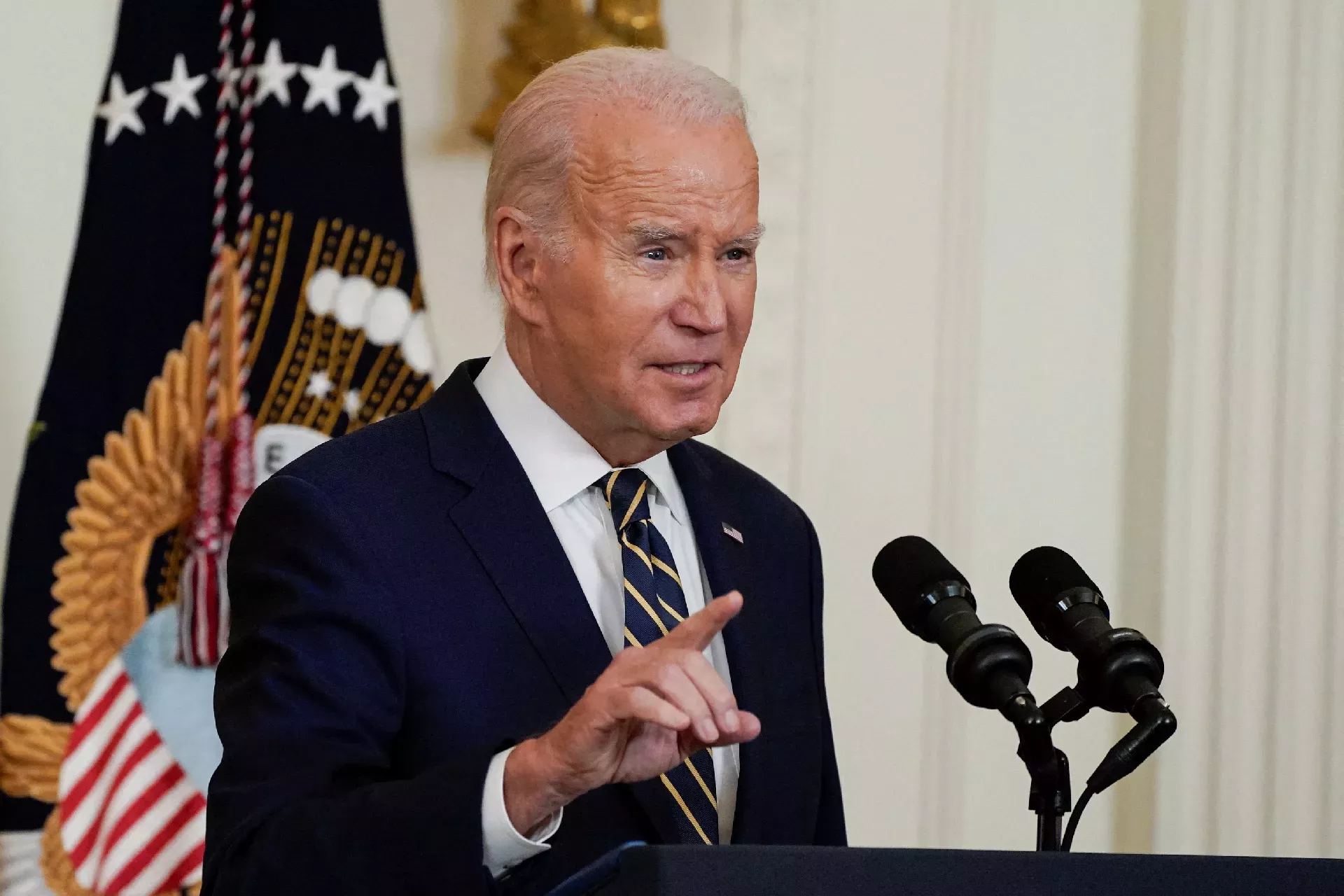
That the situation is becoming increasingly difficult is also shown by yesterday's decision of the US president to build a 32-kilometer wall on the border with Mexico in an attempt to prevent the uncontrolled influx of migrants. In an election year, this is a defeat for the policy of the current president, who tore down the walls and regulations of his predecessor Donald Trump, telling his voters that he pursues a different policy from the most popular Republican politician and that migrants are welcome.
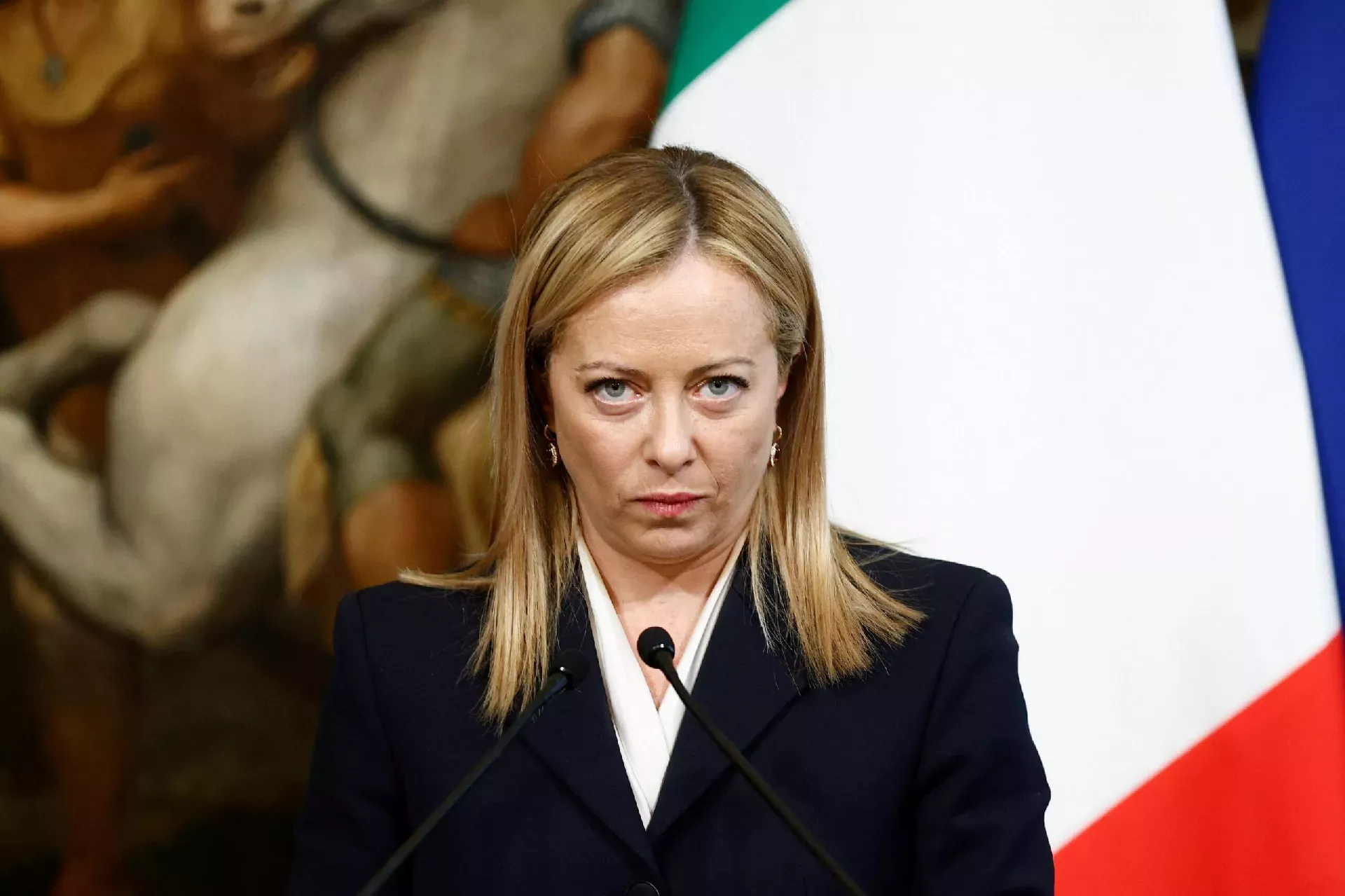
Parts of Europe are also changing their policies. Giorgia Meloni's right-wing government in Italy does not know what to do with migrants arriving in the country via the Mediterranean in record numbers, and this week Tunisian President Kais Saied refused to accept money to fight illegal migration, which Brussels was supposed to pay as part of an agreement, saying that his country will not be turned into an EU border guard.
Even more incredible news comes from Sweden. Prime Minister Ulf Kristersson has sent the military to help the police, who cannot suppress gang wars. In September, twelve people were killed in Sweden. The war on the streets is attributed by Swedish media to a conflict within a gang known as the Foxtrot network, which split into two rival factions. Kristersson said last Thursday that Sweden has seen nothing like it and that "no other country in Europe" is experiencing such a situation.
Last year, more than sixty people died in shootings in Sweden, the highest number ever recorded. This year is expected to be the same or worse. An official government report published in 2021 states that four out of one million inhabitants die in shootings each year in Sweden, compared to 1.6 people in the rest of Europe, the BBC reported.
The police link the violence to poor integration of migrants, the widening gap between rich and poor, and drug use. Kristersson, who formed a government with the anti-immigration Sweden Democrats, said all options are on the table and announced stricter penalties for gun possession, easier deportations, increased police work, and said the country's current legislation must be changed to address the threats Sweden faces.
Policy Change
On Wednesday, Brussels also began changing the legal framework for migrants, setting itself a deadline by the end of the year, i.e., before the EU parliamentary elections. The decision comes late due to disagreement from Germany, which opposed Rome's proposal to cut funding for NGOs that rescue migrants in the Mediterranean Sea. However, the strengthening of right-wing parties across the EU, i.e., the increase in the number of those demanding restrictions on the arrival of migrants, has forced even the biggest advocates of "open borders" to change their policies.
Swedish Minister for Migration Maria Malmer said that Wednesday's agreement aims to strengthen the EU's external borders and thus slow down the influx of migrants. Because of migrants, several countries within the union are violating Schengen rules by setting up border controls between signatory states.
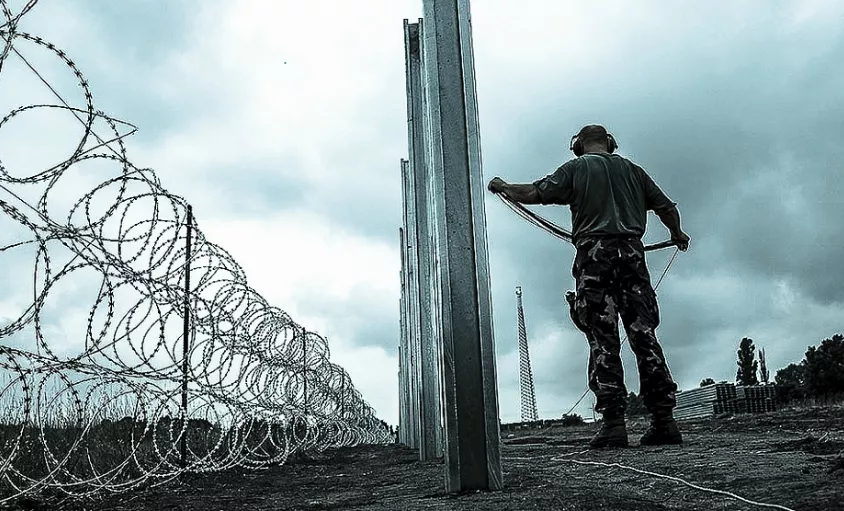
The issue of the external border is precisely one of the main issues in the migrant crisis. Migrants now enter the EU from almost all sides. Greece is building a wall towards Turkey, but migrants arrive on Greek islands. Italy is facing a record influx of African migrants arriving from the Tunisian coast. Spain is struggling in Melilla, Ceuta, and the Canary Islands, and Poland, Lithuania, and Latvia are gateways for migrants coming via Belarus. On top of that, Russian aggression has displaced millions of Ukrainians.
If we now return to the beginning of the text and the "migrant waves" that appear periodically, Belarus's behavior will further confirm this. Namely, after EU sanctions against Belarus, Alexander Lukashenko introduced numerous airline routes to the Middle East, so migrants arrived at the doors of Central Europe. Ironically, he told Brussels that they should let the "poor migrants" into the EU, after Poland brought the army to the borders, previously fencing itself off with wire, as did Lithuania.
Lukashenko's behavior shows that the migration problem has become a first-class political issue that is losing the status of a humanitarian issue insisted upon by advocates of mass migration in the EU.
That is why the West needs political decisions to repair the damage caused at the beginning of the century in Asia and Africa when they toppled regimes that maintained stability to a certain extent. Democracy has largely not come to those countries, and instability is constant. Now it is necessary to improve the situation in the countries from which migrants come, or the EU will fence itself off with wires and the military. Otherwise, the mass influx of migrants could change the political landscape in many European countries.
Komentari (0)
Prijavite se za komentiranje
PrijavaJos nema komentara. Budite prvi!
Minuta
Sve →Iz drugih kategorija

High Representative Not Elected: Germans, French and British Sabotaged Americans, New Attempt at End of June

ČOVIĆ WITHOUT MERCY: How Those Who Brought Ademović to Office Created a Political Hell for Him



Sunny Saturday, quite warm



Tragedy in Albanian resort: Two minors drown












