
By Armin Sijamić
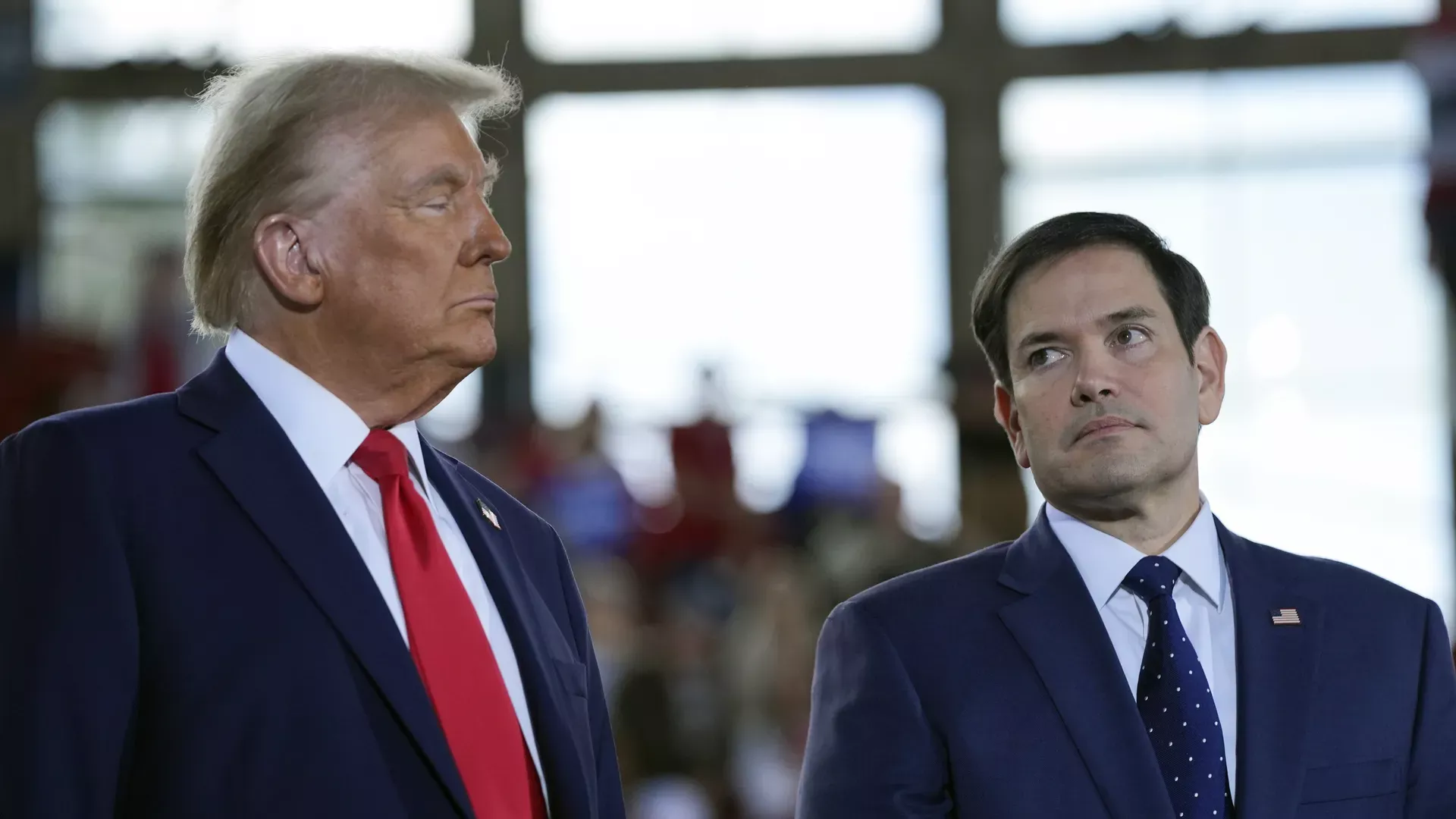
In recent days, the public focus has been on US President Donald Trump as he deals with economic issues. Meanwhile, Secretary of State Marco Rubio is dealing with issues that concern European allies – security under the American military umbrella.
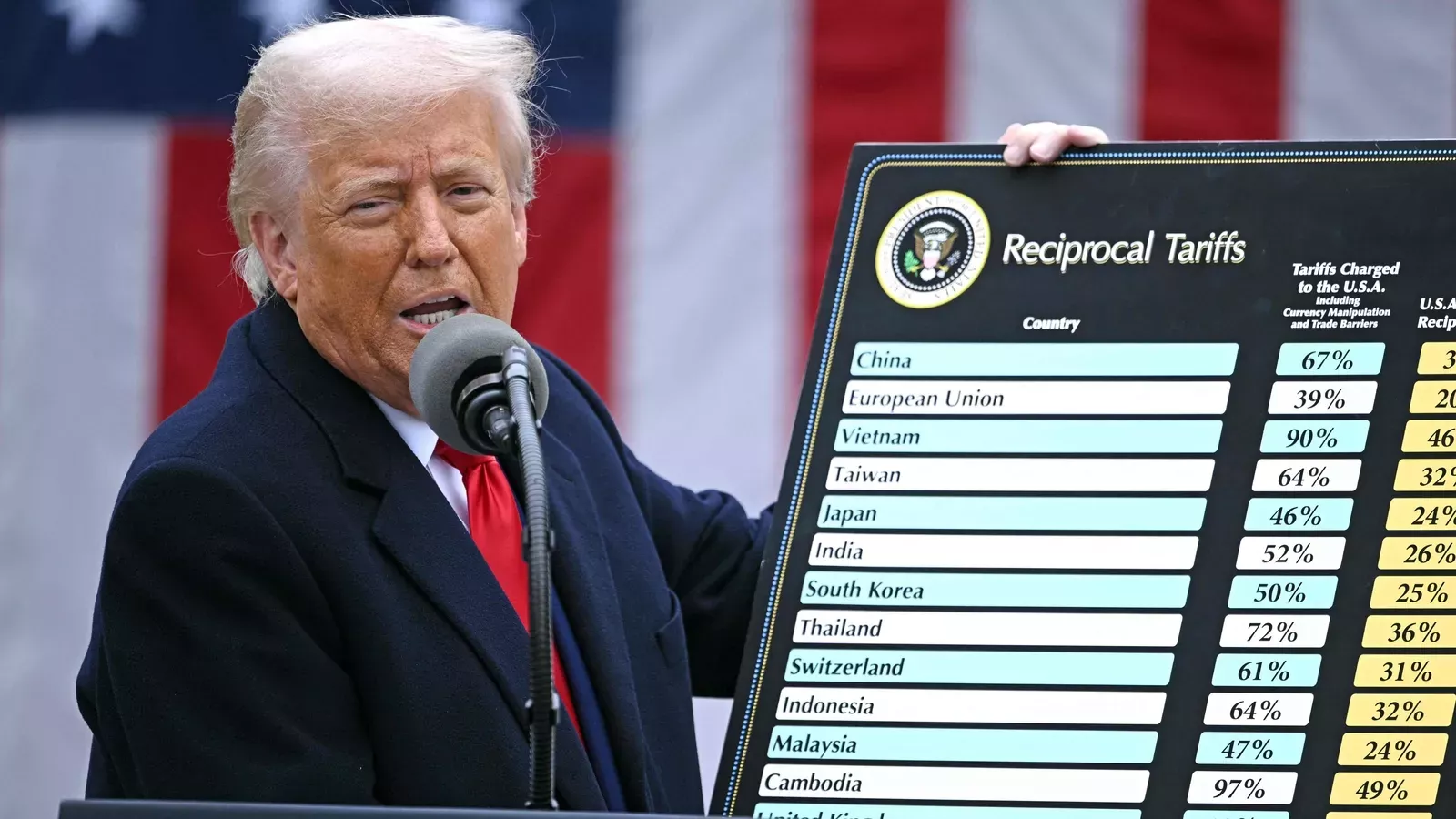
Donald Trump has been front-page news in almost all world media for days. The decision to impose tariffs on imports into the United States from almost all countries is shaking global stock markets and economies.
In the shadow of Trump's tariffs, the activities of Secretary of State Marco Rubio are passing by. After spending the first weeks of his term primarily focused on America's closer neighbors, namely Central and South America, which he knows and understands well, Rubio has finally crossed the Atlantic and arrived in the city that houses some of Europe's most important institutions.
Last week, Rubio visited Brussels for a two-day visit. The reason for the visit was a meeting of NATO member state foreign ministers, which he attended for the first time. There, Rubio, whose appointment was welcomed by many outside the United States as representing the known course of Washington's policy, said what all those who want NATO to survive wanted to hear.
Hard Power
From NATO headquarters, in a speech after meeting with Secretary General Mark Rutte, Rubio spoke precisely and confirmed Trump's intention that the United States wants to remain in this military alliance. The condition for remaining in the alliance, Rubio stated, is that all members increase their defense spending to at least five percent of their gross domestic product (GDP).
There was no euphoria in many European countries after this statement. The famous two percent of GDP, which has so far been the standard for all alliance members, is now five percent. This means that member states will have to allocate even more money for their own and collective defense. Some of them, for example, Poland, have no objections, as they have proposed this, but some other countries are not happy to hear such messages from Washington.
However, these countries cannot say they are surprised by this American stance. In his first term, Trump demanded that allies fulfill their NATO membership obligations, and then the administration of Joseph Biden heavily armed some Eastern European countries with American weapons. This is a clear continuity of a policy that was conceived long ago.
During his address in Brussels, Rubio behaved as expected from American Republican officials – any ideology and policy requires physical force, rejecting in advance objections that there is no money for defense. This is a message to those who talk about values while neglecting that defending their positions requires the power to implement what is envisioned.
"We all have our domestic needs, but we have prioritized defense because of the role we play in the world. And we want our partners to do the same. I understand that some may not want to give up social security policies, but the war in the heart of Europe in recent years reminds us that hard power remains essential as a deterrent," Rubio said.
This message, which places hard power – in this case, the military – at its center, shows Washington's desire for Europe to reform and for defense to be on its list of priorities. Rubio stated that Washington will not bear the burden of defense alone, while Trump is undertaking extensive reforms in the United States.
European Contribution
"The United States is NATO, the United States is as active in NATO as it has always been. I see hysteria in the global media and in some US media (regarding the US potentially leaving the alliance), but President Trump has clearly stated that he supports NATO and that we will remain in NATO," Rubio said. Previously, before his one-on-one meeting with Rutte, Rubio stated that Washington wants NATO to be "stronger and more sustainable" and that the only way to achieve this is for European allies to "have more capabilities."
Those who want NATO to survive, especially those on Russia's borders and those who want Ukraine to resist aggression, were pleased with Rubio's stance. From this seemingly simple plan for all NATO member states to allocate more money for defense, it follows that Ukraine, or any state in a similar situation, will receive assistance if needed. Let's recall the beginning of Russia's aggression against Ukraine. Many European countries could not help Kyiv because their armies were in a catastrophic state and they lacked weapons and equipment even for their own needs.
Washington is telling its allies that the era of free reliance on the American military is over and that they must allocate more money for defense. Rubio says he knows this is not possible immediately and that "no one expects anyone to be able to do this in a year or two," but that "the path to it must be realistic."
"If the threats are as dire as we think they are, we must have the capability to counter them. That is also President Trump's message. He is not against NATO, he is just against a NATO that lacks the capability to fulfill the obligations that the North Atlantic Treaty imposes on every member," Rubio told his (un)friends.
In a few sentences addressed to the European public, Rubio conveyed that NATO will exist as much as its members want it to. The fact that the coming years are decisive for the future of NATO is confirmed by reports that the US military is withdrawing from bases in Europe. In other words, before the last American soldiers leave, Europeans have a chance to fill the empty spaces and preserve an important ally.
This is also a clear message to Russia, which is an interested party in this case. If Europeans follow the Americans, then NATO will be stronger. Otherwise, the possibility of rapprochement between Russia and the United States opens up. At the same time, strengthening ties between Washington and Moscow may not affect Europe's security if NATO members arm themselves and strengthen their defenses.
The ball is in the Europeans' court. Americans want an alliance and NATO, but they are asking Europeans to bear part of the burden. This message from Rubio comes at a time when Europe is discussing the establishment of a "European army" outside of NATO, which the United States certainly does not like.
European countries are entering into these two parallel plans, which means they must allocate more for the military. The increasing "warnings" to citizens that Europe is on the brink of war and that they should prepare for all scenarios indicate that they have embarked on this path. In the case of governments, this scenario means allocating more money for defense, and consequently, there will be less for other purposes.
Komentari (0)
Prijavite se za komentiranje
PrijavaJos nema komentara. Budite prvi!
Minuta
Sve →Iz drugih kategorija

High Representative Not Elected: Germans, French and British Sabotaged Americans, New Attempt at End of June

ČOVIĆ WITHOUT MERCY: How Those Who Brought Ademović to Office Created a Political Hell for Him



Sunny Saturday, quite warm



Tragedy in Albanian resort: Two minors drown












