
By Armin Sijamić
Many say India is the largest democracy in the world because 960 million people vote in it, which is more than the United States and the European Union have inhabitants. In a country that is turning into a major world power, Prime Minister Narendra Modi is pursuing policies that raise numerous questions.
In this week's issue with a cover dedicated to the elections in India, Newsweek features an article about the policies of current Prime Minister Narendra Modi, stating that he is "changing India and the world." However, it is always important to remember, as the author of the article in this renowned American magazine does, the words of British economist Joanna Robinson that "whatever you can correctly say about India, the opposite is also true."
For the parliamentary elections that began on April 19 and will last until June 1, in seven different phases across the country, two completely opposite assessments can be found. The first is that Modi is heading for a decisive victory, and the second is that this victory is a prelude to problems due to his anti-Islamic rhetoric. The fact that Muslims constitute about 200 million in India and are a minority speaks to how accurate and contradictory these assessments are. This number makes India the third country in terms of Muslim population, behind Indonesia and Pakistan.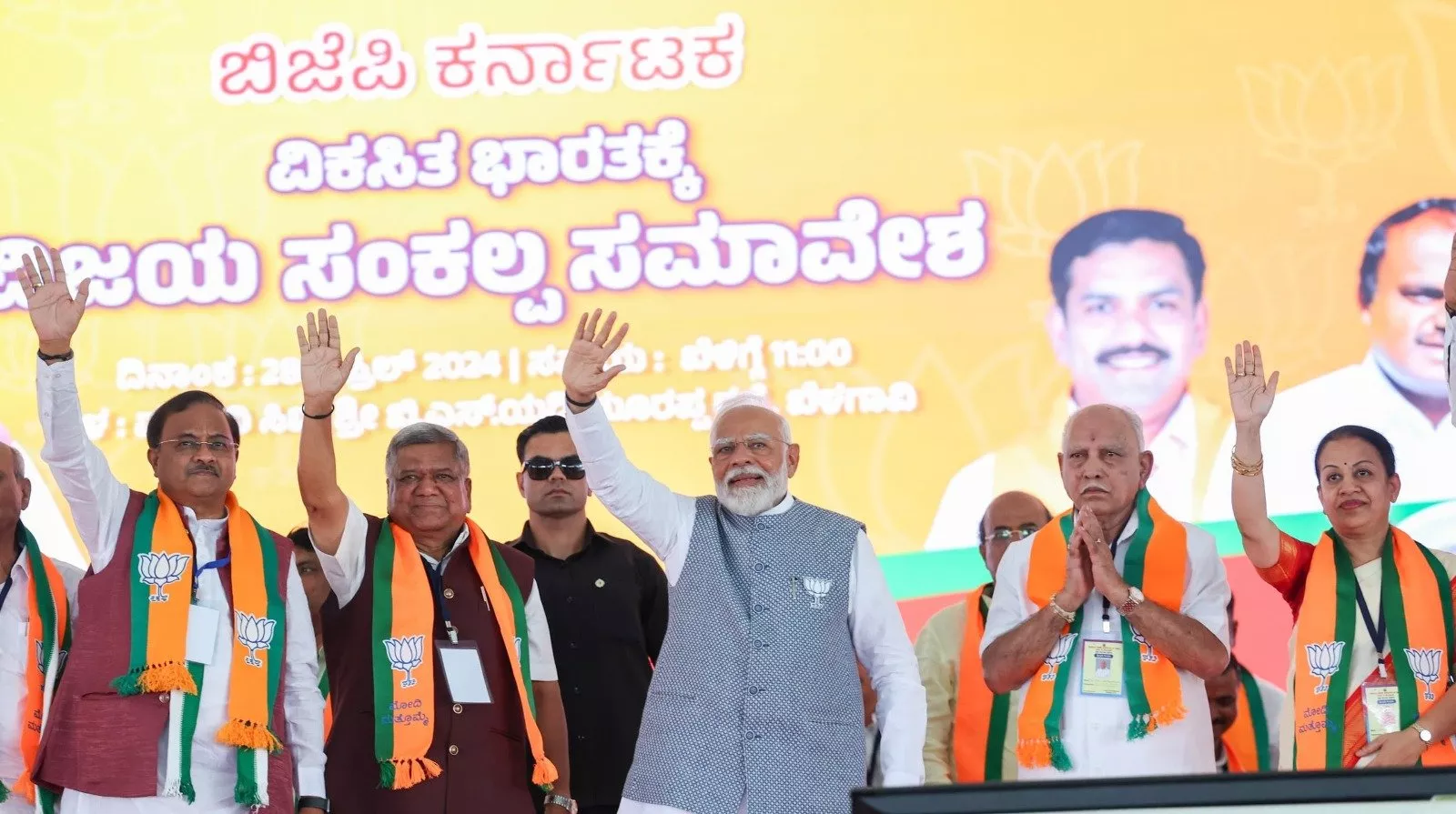
Modi, who relies on the religious and national sentiments of his compatriots, is indeed pursuing this path in this campaign. He criticizes the Muslim minority and labels them as enemies, while simultaneously telling his supporters that they are invincible and that the world's most populous country awaits a bright future and a place among the world's greatest powers.
Playing on nationalism (Indian nationalism) and religion (Hindu fundamentalism) has a special significance in these elections, at least symbolically, as India has officially surpassed China this year on the list of the world's most populous countries. Furthermore, India's population is younger than China's, and the US is sending messages that it wants to take China's status away and turn to its biggest rival – India. The fact that 83 percent of the unemployed in India are young people is a concern for the government, but also an invitation to foreign investors who will get cheaper labor than in China.
Leader and Reformer Against Opposition from the West
In the race for the Lower House (Lok Sabha) of the bicameral parliament, which has only 543 seats, Modi's Bharatiya Janata Party (BJP), according to some sources, is aiming for as many as 400. To achieve this goal, their opponents say, they are not choosing their means, redrawing electoral districts, accusing and arresting competitors, disproportionately investing money in the poorest parts of the country, and undertaking dubious infrastructure projects... Even the names on the invitations for dinner for G20 leaders in September were changed from "India" to the Sanskrit word "Bharat," because the opposition announced a coalition named "INDIA" (Indian National Developmental Inclusive Alliance) a few months earlier.
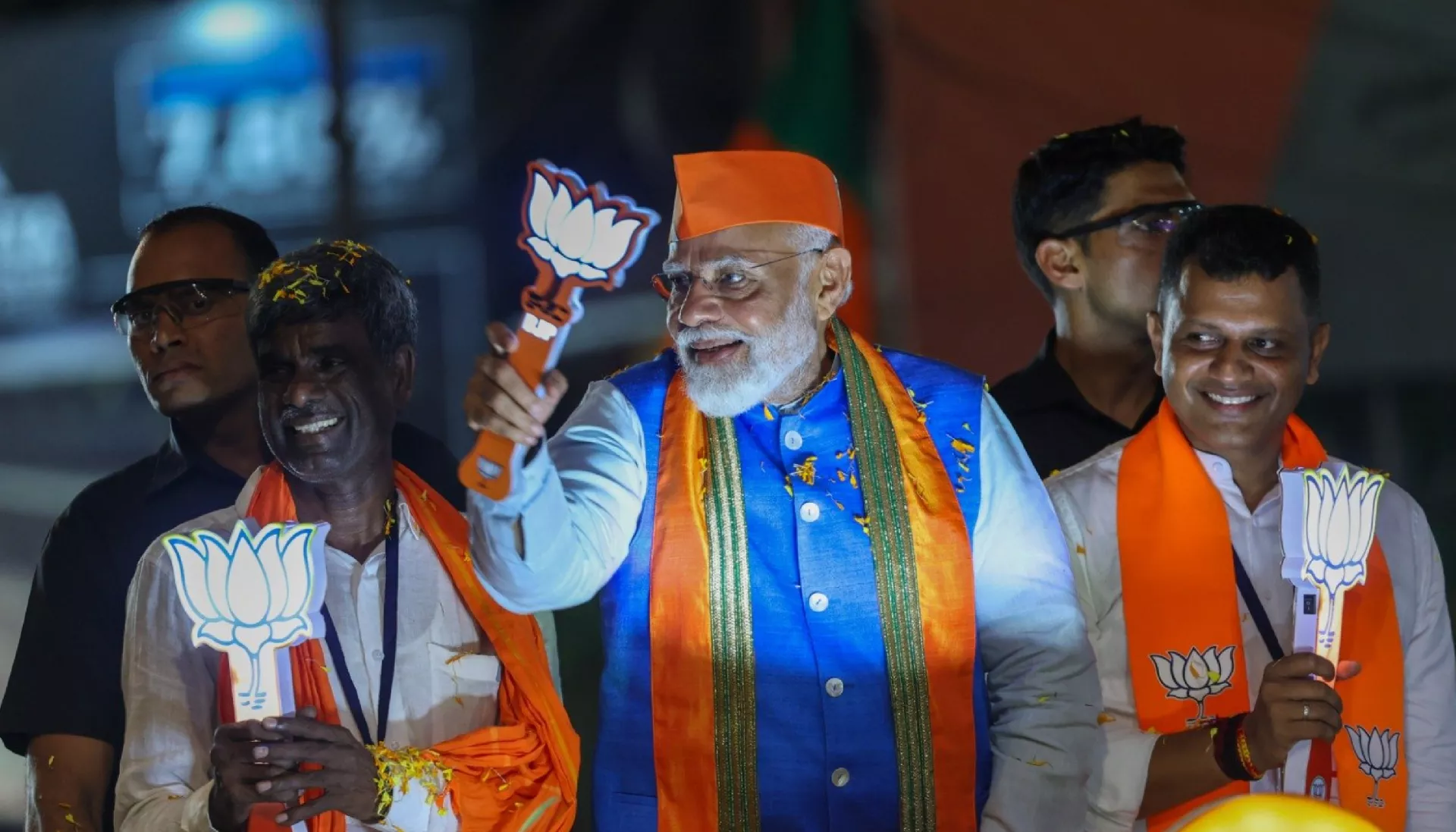
At the same time, Modi, who is more popular than his party, is a star whose image "adorns" T-shirts, hats, and cups, and who wants to grow into a national leader respected by both Joseph Biden and Vladimir Putin, while addressing stadiums and appearing in the media without agreeing to debates.
Modi promises his supporters economic expansion, and he is doing quite well in that regard. By 2075, the Indian economy could become larger than the American one and become the second largest in the world, right behind China, meaning India will increase its economy fifteenfold, according to Goldman Sachs estimates. It is currently fifth in the world, and by 2030 it could be third, while its current gross domestic product is the same as China's was in 2007.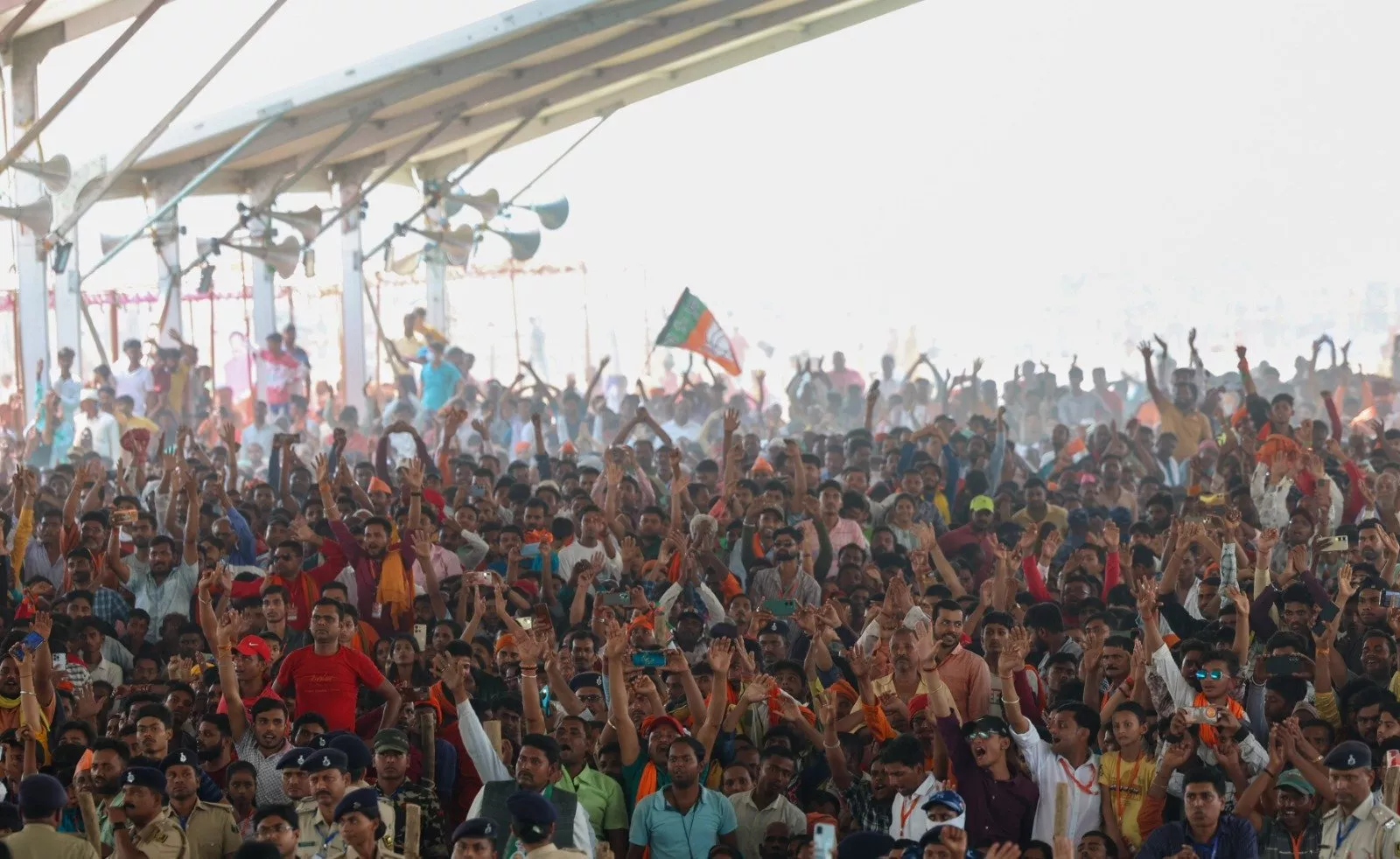
Modi has achieved this through major infrastructure works, building railways, bridges, highways, seaports, airports, metro lines, and developing the digital industry in an impressive way. Thus, India has attracted foreign investors, and some of the world's largest technology companies have operations in India. However, rapid growth has created structural problems and uneven development for India. The unemployment rate for people with university degrees is nine times higher than for those who cannot read or write, and the south of the country is much more developed than the poor north.
Nevertheless, Modi is most popular in northern India, which guarantees him another electoral victory, as these are the most populous parts of the country. Modi invests much more in the poorer parts of India than in the south, and he blames the former colonial rulers and the current opposition, which was previously in power, for the existing situation. Modi's machinery describes the opposition, which is strongly tied to the Nehru-Gandhi dynasty, as an elite educated in the West.
One of the opposition leaders is Rahul Gandhi, the great-grandson of the first Prime Minister and architect of modern India, Jawaharlal Nehru, and is one of the favorite targets of Foreign Minister Subrahmanyam Jaishankar, a top expert in international relations and a long-time diplomat. Jaishankar claims that in the 1950s, Prime Minister Nehru rejected two offers for India to get a permanent seat on the UN Security Council because he did not want to take China's place. "India second, China first," Jaishankar ironically said this month.
The Indian National Congress, which is historically India's largest party, is controlled by Sonia Gandhi (daughter of Indira Gandhi and widow of Nehru's grandson), and led by her son Rahul Gandhi, is on track to record its worst electoral result ever. Ever since the fall of Prime Minister Manmohan Singh, this party has been consistently losing elections to Modi's BJP.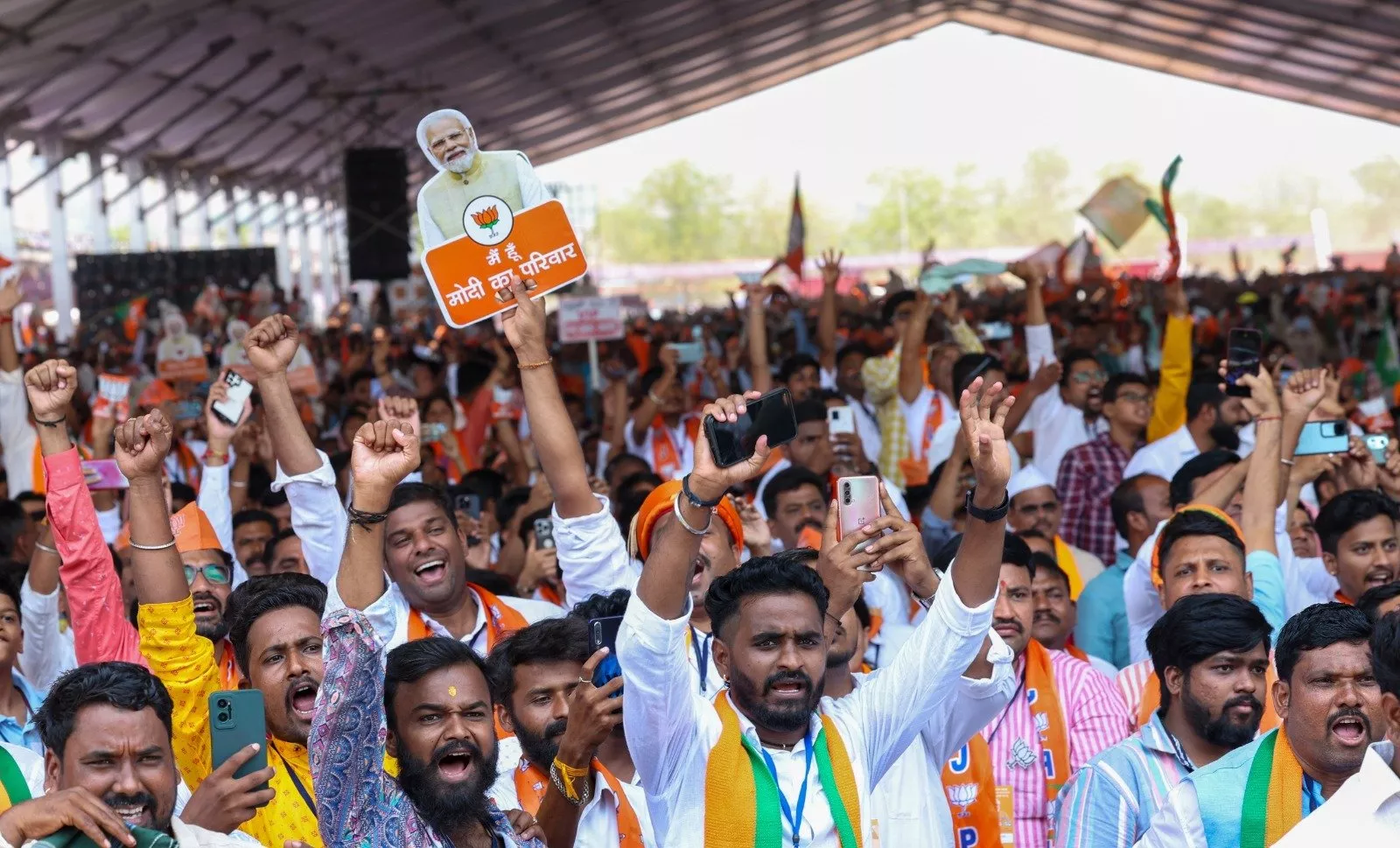
From Moscow via Beijing to Washington
For Modi, like any Indian prime minister, China is the main concern. India is trying in every way to counter China and subordinates its foreign policy moves to this goal. Thus, Indira Gandhi once "froze" India's policy of non-alignment and moved closer to the communist Soviet Union after the US and China thawed relations. Now Modi wants to somehow undo what Singh did when he directed India towards the Shanghai Cooperation Organization (SCO) in 2014.
Singh is an economist and comes from the minority Sikh community, while Modi is an Indian nationalist. Therefore, Modi decided to put obstacles in the SCO and BRICS and move closer to the United States, which is one of the most important foreign policy victories for US President Joseph Biden.
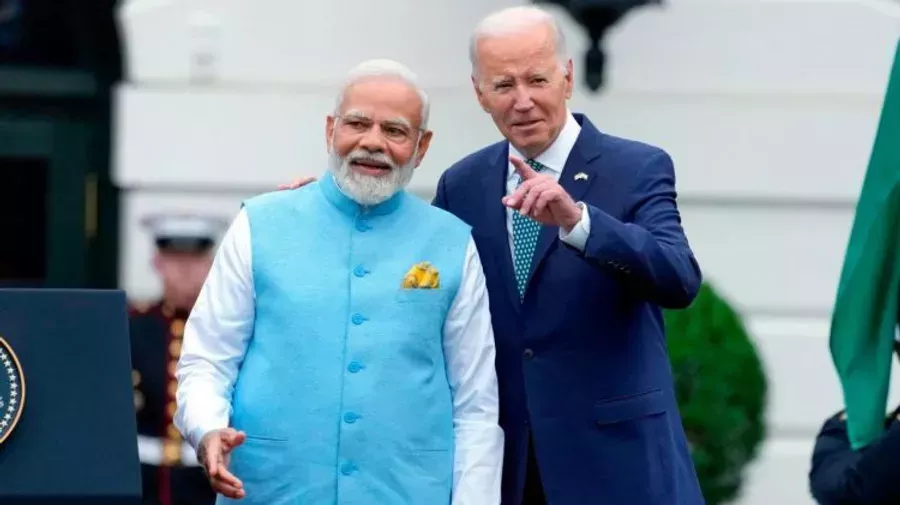
Although Modi has maintained good relations with Russia, from which he buys weapons and energy, he has joined the Quad group (USA, India, Japan, and Australia), which aims to limit Chinese influence in the Indian Ocean and the wider Pacific. Lucrative contracts with Washington and American companies have brought the two countries into a "strategic partnership" that has opened "a new chapter" in their relations.
Rushing towards his third prime ministerial term, which no one in India has achieved since 1962, Modi is building a nationalist policy that relies on economic growth and the fact that Moscow, Beijing, and Washington are vying for New Delhi's favor. On this path, Muslim, Christian, and other communities, whom Modi's supporters see as remnants of colonial times, could pay the price. And confronting the colonial legacy is inherent to any country aspiring to become a superpower.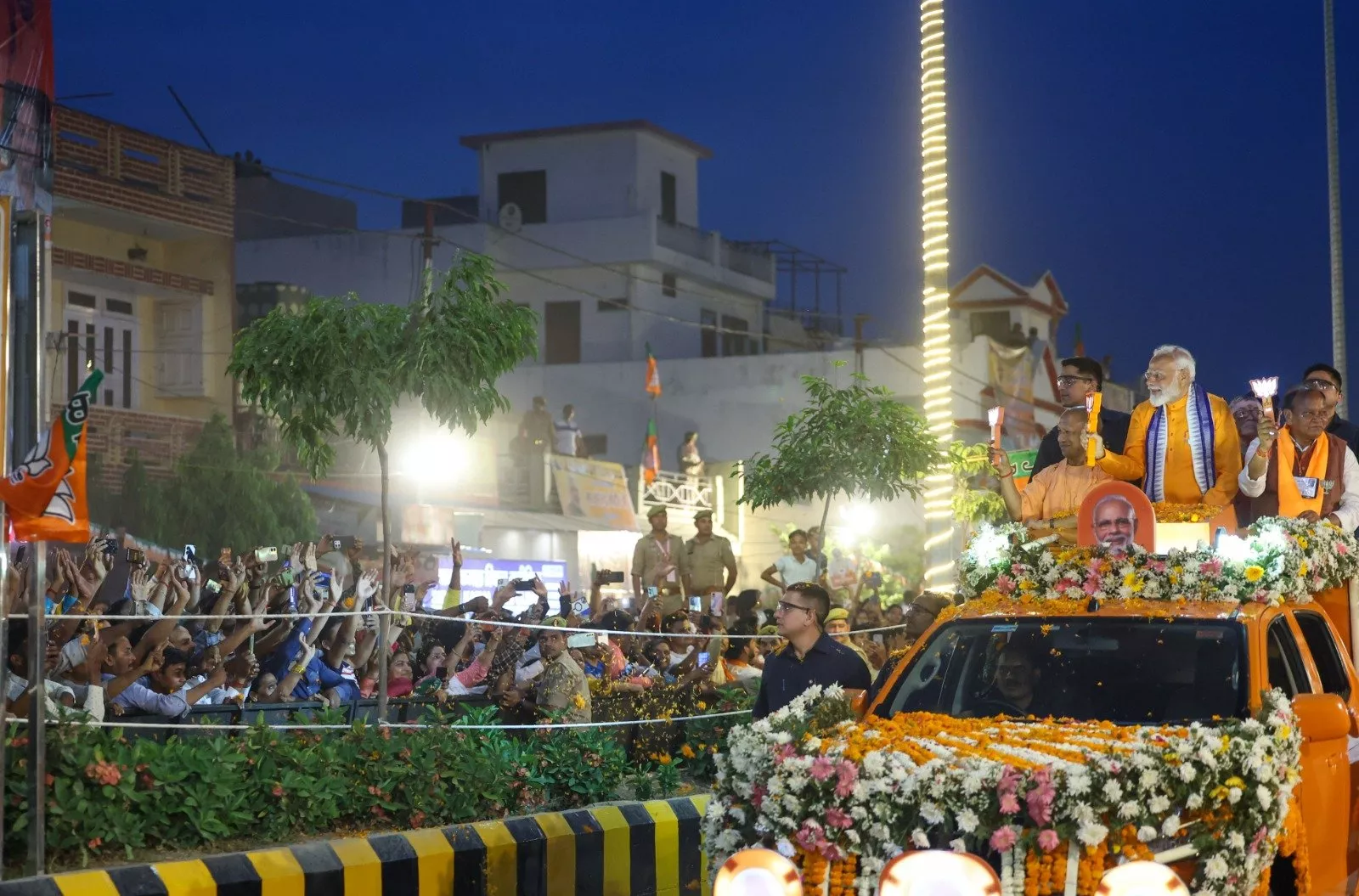
What is absurd is that such a development could arise from an electoral victory in the "world's largest democracy." Those who believe in the accuracy of Joanna Robinson's aforementioned thesis can say that India is merely the largest country that holds elections, but not a liberal and secular democracy. In the coming years, Modi's actions will show who among these two sides is right and what India will look like as a great power.
Komentari (0)
Prijavite se za komentiranje
PrijavaJos nema komentara. Budite prvi!
Minuta
Sve →Iz drugih kategorija

High Representative Not Elected: Germans, French and British Sabotaged Americans, New Attempt at End of June

ČOVIĆ WITHOUT MERCY: How Those Who Brought Ademović to Office Created a Political Hell for Him



Sunny Saturday, quite warm



Tragedy in Albanian resort: Two minors drown












