
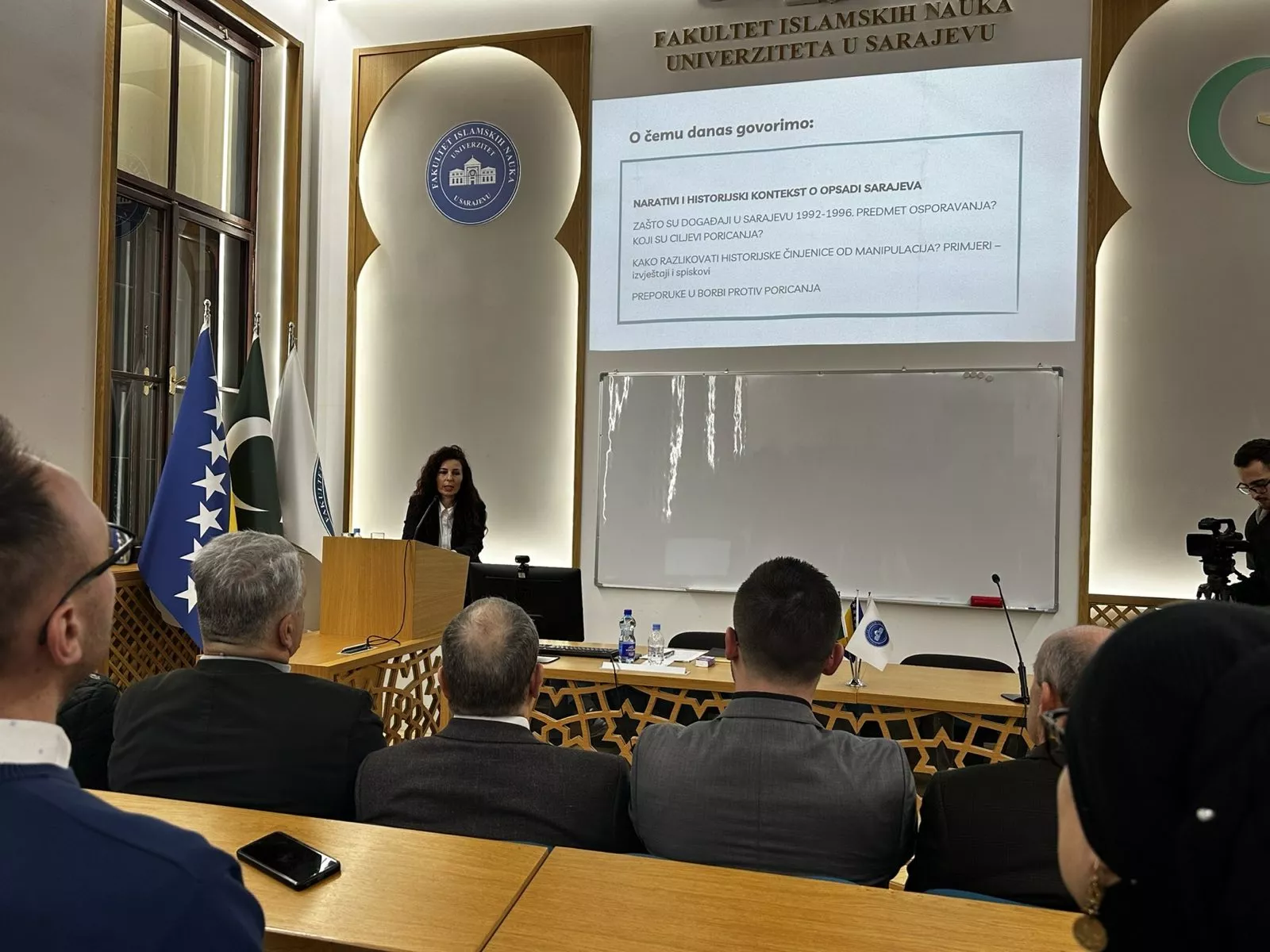
(Patria) - The Faculty of Islamic Sciences of the University of Sarajevo organized a forum and discussion tonight on the topic "Siege of Sarajevo: Narratives and Denial".
The guest speaker was Dr. Zilha Mastalić Košuta from the Institute for Research of Crimes Against Humanity and International Law of the University of Sarajevo.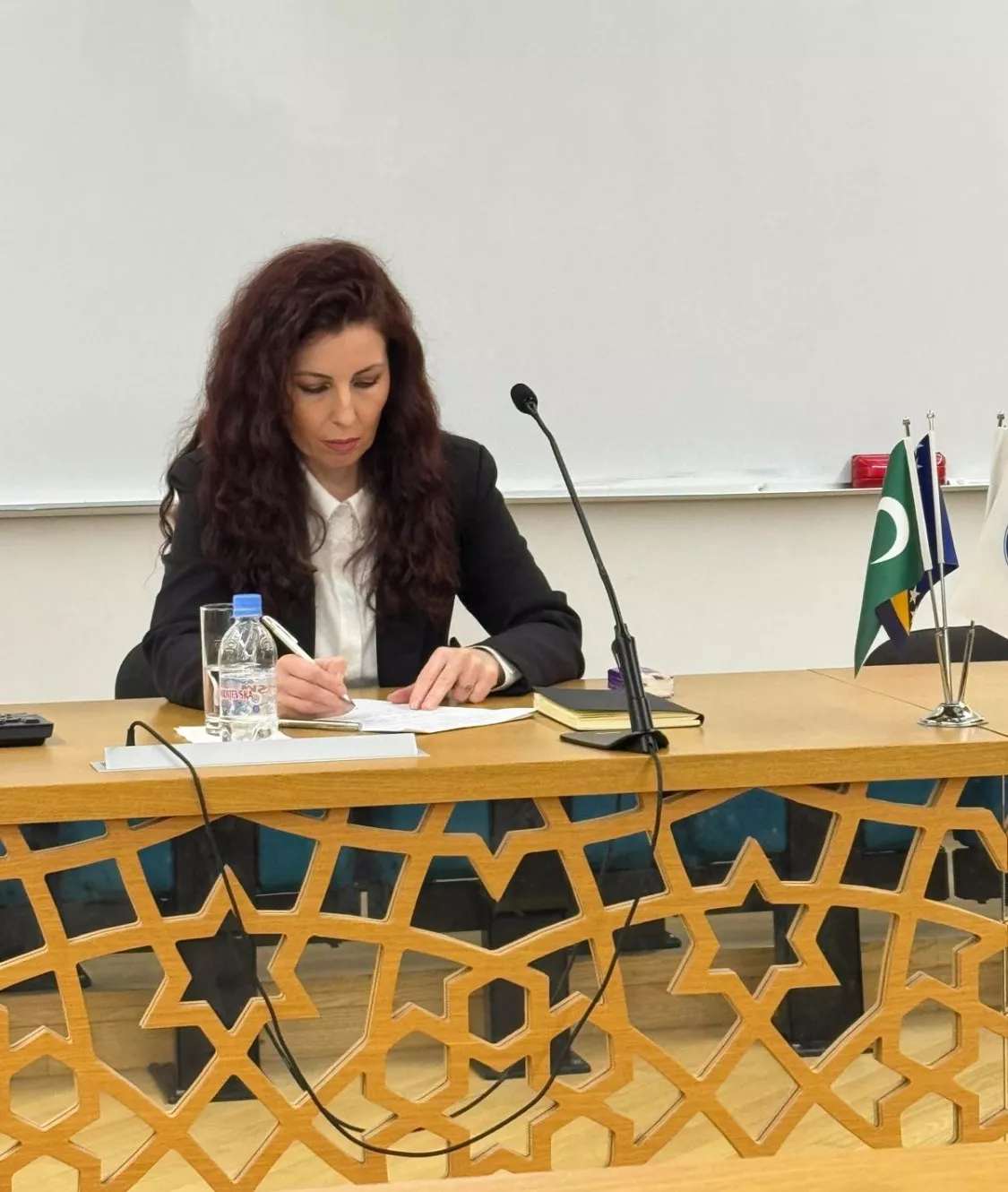
Confirmed Court Facts
In her introductory remarks, Mastalić Košuta stated that organized and deliberate revisionism regarding the siege of Sarajevo has been present since the international armed conflict in Bosnia and Herzegovina and has continued in the post-war period.
This process involves the systematic reinterpretation and denial of historically and legally established facts, despite the existence of extensive archival material, contemporary military reports, testimonies of victims and observers, as well as numerous final judgments of international and domestic courts.
The International Criminal Tribunal for the former Yugoslavia (ICTY), Mastalić Košuta noted, has unequivocally established in multiple judgments that Sarajevo was subjected to a prolonged siege and that a "coordinated, systematic, long-term campaign of shelling and sniping aimed at killing, maiming, wounding, and terrorizing the civilian population of Sarajevo" was carried out.
- The ICTY also established the character of the war in RBiH, qualifying it as an international armed conflict, as well as a joint criminal enterprise (JCE) in which individuals from the highest structures of the Federal Republic of Yugoslavia (Serbia and Montenegro), as well as the highest leadership of political and military organs of the Serb Republic of RBiH/RS, were involved.
These court facts have been further confirmed through the work of independent research institutions and academic studies. Nevertheless, despite such a body of evidence, narratives that question the very concept of the siege, deny the scale of violence, or shift responsibility for crimes continue to appear in the public sphere - Mastalić Košuta points out, writes Patria.
She emphasizes that there is an ideological and institutional mechanism attempting to alter facts and history. The revisionist discourse most often manifests through denial, as well as through attempts to delegitimize judicially established facts.
- The targeted, systematic, and politically motivated campaign to completely deny the crimes is not based on methodologically sound research, but on selective use of sources, conspiracy theories, and normative political goals.
One such example is the Final Report of the so-called "Independent International Commission for the Investigation of the Suffering of Serbs in Sarajevo from 1991 to 1995," published on April 13, 2021. An analysis of this report clearly shows that it does not meet the basic standards of scientific validity and methodological consistency.
A detailed analysis of the report's content indicates serious shortcomings in the use of sources, a selective approach to data, and the omission of key judicially established facts, particularly those arising from the judgments of the ICTY and domestic courts.
The omission of relevant judicial documentation and reliance on unverified or partial sources indicate that the document is not aimed at objective and empirically based research, but primarily at achieving interpretative and political goals - Mastalić Košuta notes.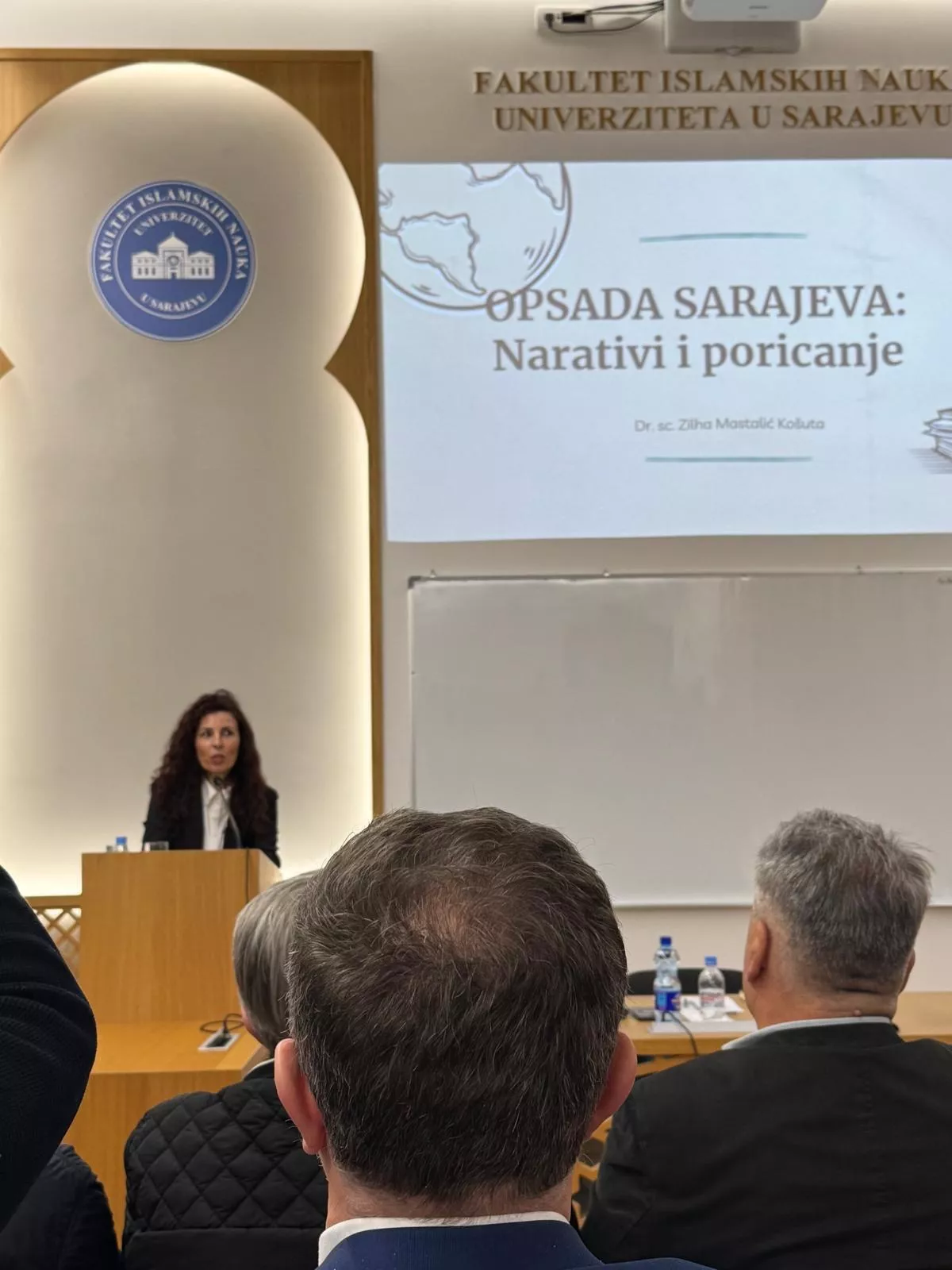
Attempts at Historical Revisionism
The ICTY also warned about the revisionist nature of this and similar reports, stating that they represent attempts at historical revisionism. Thirty-one experts share the same view, having described the report as revisionist in an open letter.
A systematic analysis of available data further shows that lists of victims of suffering of the Serb population in Sarajevo originating from Republika Srpska institutions omit crucial information, are not based on relevant, verifiable, and judicially confirmed documentation, and therefore cannot be considered reliable or scientifically relevant sources.
Their use, Mastalić Košuta explains, without critical evaluation, represents a serious methodological flaw and contributes to revisionist narratives.
- Analysis of revisionist narratives related to the siege of Sarajevo shows that they are not recent, but were present during the war period, as well as during the court proceedings before the ICTY. During those proceedings, the defense of the accused relied heavily on the testimonies of dozens of witnesses and "experts," whose claims were deemed irrelevant, unreliable, or "suspicious."
These were witnesses who appeared in different cases, often presenting identical or slightly modified theses, which further undermined their credibility. Trial chambers often expressed open dissatisfaction after such testimonies, and the defense's key claims were easily refuted by material evidence, ballistics analyses, and independent reports - says Mastalić Košuta.
She particularly emphasized that there is no witness whose testimony the ICTY accepted as relevant and reliable in supporting the theses of so-called "self-shelling" of Sarajevo or the systematic shifting of blame to the Army of the Republic of Bosnia and Herzegovina.
The same applies to fabricated expert opinions by certain "experts" from Serbia, which were thoroughly challenged and rejected in court proceedings. The case of Stanislav Galić is a paradigmatic example: although the defense attempted to construct an alternative narrative about responsibility for sniper terror and shelling, the court outcome was a final life sentence, based on established responsibility for Sarajevo.
After failing before the ICTY, Mastalić Košuta further states, the same actors and narratives continue to operate outside the judicial framework, through continuous campaigns of denial and disinformation, Patria reports.
- Claims about alleged manipulation of victims are reproduced daily in the public sphere, including extreme theses such as "Muslims planted dummies, prosthetics, and old corpses," which Radovan Karadžić presented in his defense regarding the massacre at Markale.
Claims of "self-shelling," such as those related to the massacre in Vase Miskina Street, were accompanied by media fabrications that "streets were mined," as reported in the newspaper Politika on June 28, 1992.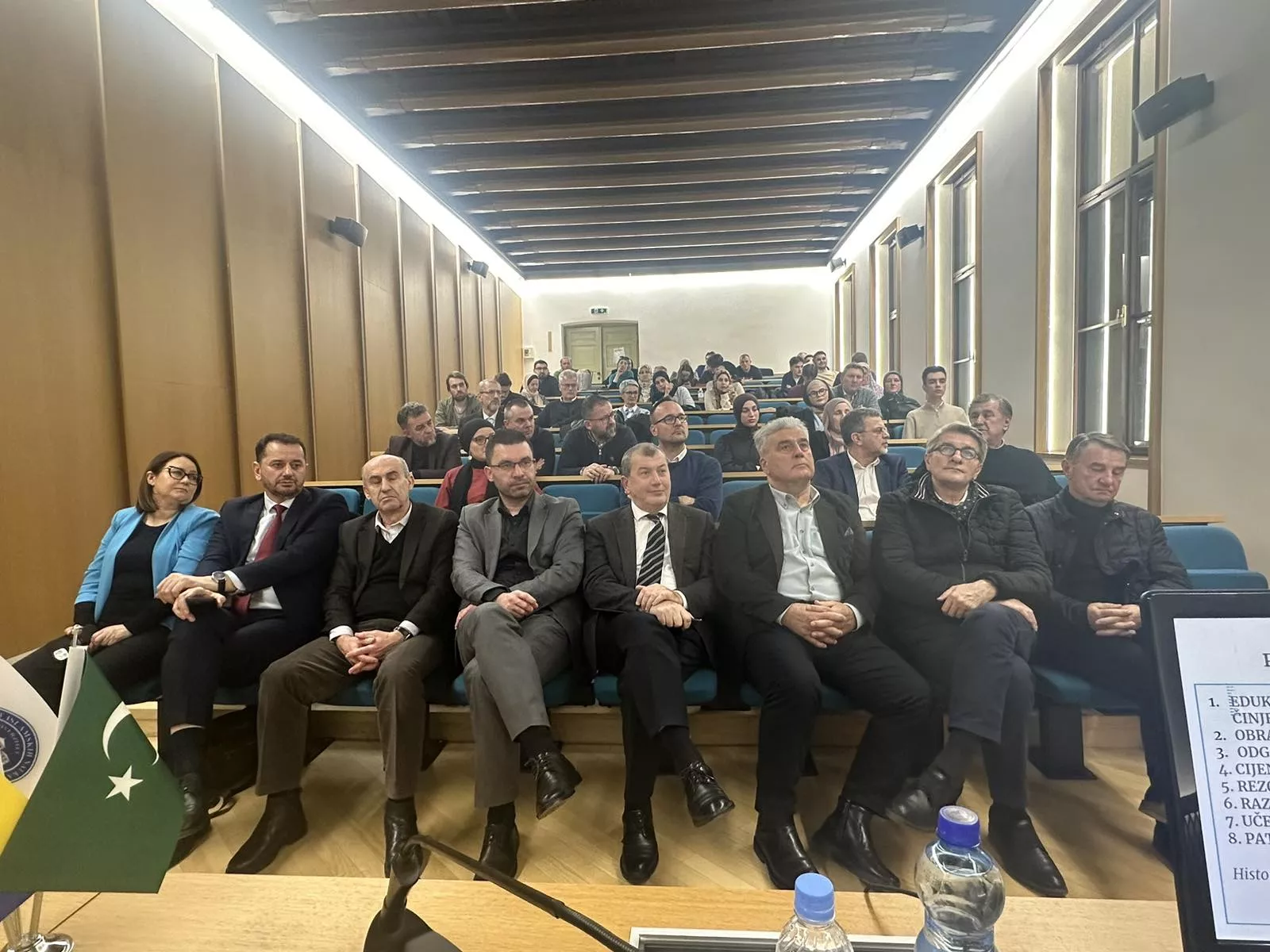
Thousands of Pieces of Evidence
In the same context, the letter from the commander of the Sarajevo-Romanija Corps, Tomislav Šipčić, addressed to the UNPROFOR Chief of Staff, should be considered, in which extremely propagandistic claims are made, such as "Serbian children being thrown to lions" (Politika, July 16, 1992) - these are Mastalić Košuta's words.
According to her, the goal of such narratives is to create a false image according to which Sarajevo was allegedly "not under siege," but rather, parts under the control of the Army of the Republika Srpska were "under siege," while Serbs were presented as collective victims of crimes, and even "genocide."
This discourse represents a classic example of historical revisionism, which ignores judicially established facts, the hierarchy of responsibility, and the context of systematic violence against the civilian population.
The continuity of such interpretations is also visible in contemporary political statements, such as that of Aleksandar Vulin, the Minister of Internal Affairs of Serbia, who claims that "Serbs know what Markale is, they know what Vase Miskina is, and they know how many times blood has been planted on their hands."
Such statements, Mastalić Košuta warns, do not represent a legitimate re-examination of history, but a continuation of discredited narratives that international courts have already thoroughly examined and rejected, writes Patria.
- During the work of the ICTY, daily and systematic efforts were made to prove the committed crimes, which included testimonies from survivors, direct participants, members of warring factions, international observers, as well as domestic and international experts in military tactics, ballistics, forensics, demography, and international humanitarian law.
In these proceedings, tens of thousands of pieces of evidence were collected and analyzed – documents, orders, transcripts, video and photo materials, ballistics findings, and forensic reports – which underwent multiple judicial reviews and were deemed relevant and reliable by the ICTY after rigorous evaluation.
The exceptional importance of proceedings before the international court lies precisely in the fact that the ICTY established high standards of proof, transparency, and legal verification of facts.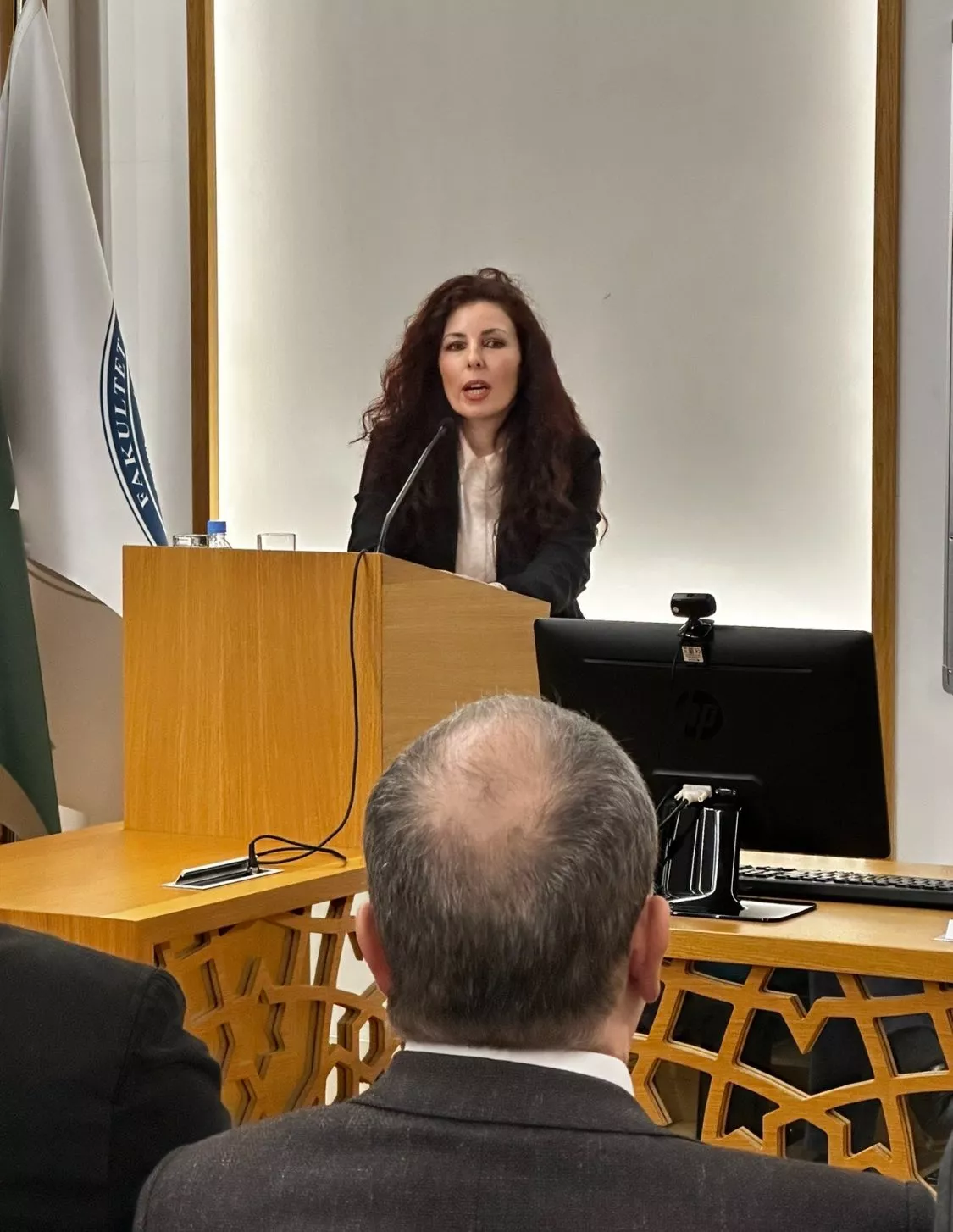
The legacy of the ICTY is not limited to individual judgments but represents a permanent and extremely valuable historical, legal, and documentary heritage, which forms the basis for scientific research, education, culture of remembrance, and responsible public debate.
Attempts to challenge it do not represent scientific criticism, but politically motivated denial and revisionism, which is in direct contradiction to international law and established historical facts - Mastalić Košuta concluded in her presentation.
(D.K.)
Komentari (0)
Prijavite se za komentiranje
PrijavaJos nema komentara. Budite prvi!
Minuta
Sve →Iz drugih kategorija

High Representative Not Elected: Germans, French and British Against Americans, New Attempt at End of June

ČOVIĆ WITHOUT MERCY: How Those Who Brought Ademović to Office Created a Political Hell for Him



Sunny Saturday, quite warm



Tragedy in Albanian resort: Two minors drown












