
By Armin Sijamić
The path of several countries formed in the breakup of former Yugoslavia towards membership in the European Union has been ongoing almost since they became independent. Decades later, some European powers and Brussels are doing their best to ensure these countries never become part of the European Union, using local contractors for this purpose.
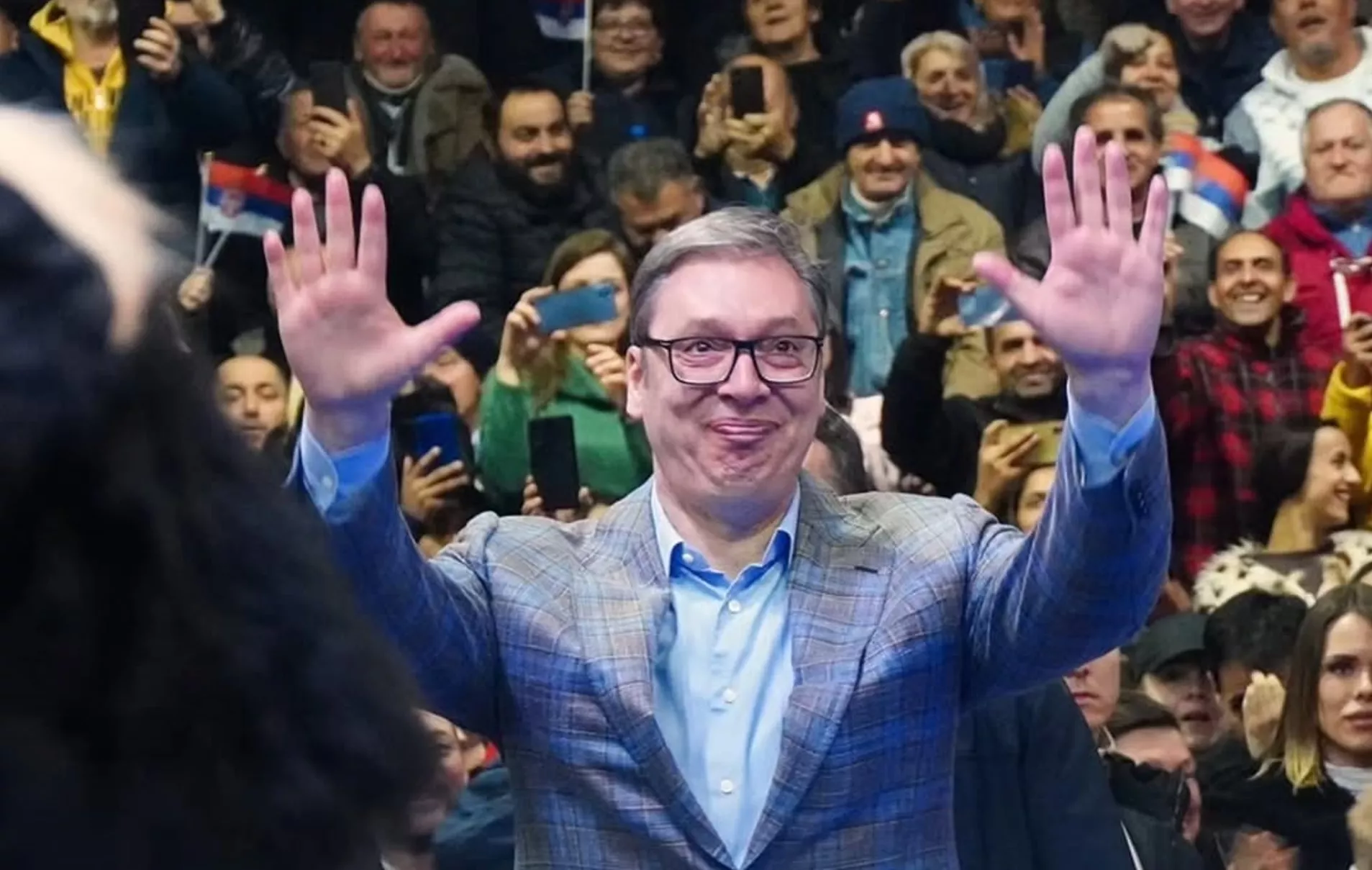
„Everyone who lives in Kosjerić came out to vote against us, everyone who lives there. And still, more people voted for us,“ said Serbian President Aleksandar Vučić a few hours after the polling stations closed, speaking in a live television broadcast from the premises of the ruling Serbian Progressive Party (SNS), which he leads, although he has formally stepped down from its helm. Vučić then announced the „exact“ election results, while the competent election authorities remained silent.
From such a statement, it is completely clear what happened in one small Serbian municipality that few would easily find on a map. From there, it is not difficult to conclude what happened in other places where „everyone who lives there“ did not vote for the opposition and where public attention was not focused.
Those in Brussels, whose job it is to draw conclusions about processes in the world based on much less information and indications, simply remain silent about the fact that the Serbian authorities, embodied in the figure of Aleksandar Vučić, are suppressing the student rebellion that demands their country resemble other European ones.
Counting
There are at least two versions of what the election results in Kosjerić and Zaječar actually were. Both the government and the opposition, connected to the protesting students, declared victory. The CRTA observation mission, long financed from sources on both sides of the Atlantic, stated on election night that the election day was neither fair nor free and that the election results do not reflect the will of the citizens, as the most serious irregularities were recorded at numerous polling stations.
Opposition media, activists, YouTube channels, and social media users have published a multitude of video materials showing things that, at the very least, are not befitting a country on its path to the European Union. The huge police presence that protected unknown individuals campaigning on election day from local people, numerous cars with license plates from other cities, the presence of people with similar clothing and behavior as in Belgrade who „want to learn“ in a tent settlement, also did not awaken the habitually „concerned“ West.
Serbian media reported on vote-buying and voter intimidation, and the public has almost gotten used to it. But the shock came when, on Tuesday, some SNS voters joined the people protesting election irregularities, demanding to be paid the promised 25 to 35 euros. They told television cameras that they had received a package of groceries and had voted for the ruling party, but did not receive the money afterwards. In the end, one added that he did not believe he would ever receive the money.
Democracy the Balkan Way
There is no doubt that now, as the cheated ones rise up in rebellion, some will wisely note that this is, after all, only about two small local communities in Serbia and that „Vučić will fall“ in the next general elections because he will not be able to control such a large number of polling stations.
However, things are much more serious and concern all countries where Serbia has influence. In Serbia, in the last few years, it has been observed that a certain number of people register in different places from one election to another. In the last elections in Belgrade, citizens of Bosnia and Herzegovina, who are Serbian citizens, were registered at transformer stations, at the addresses of people abroad, or dozens of them were assigned the same residence with the aim of voting in local elections.
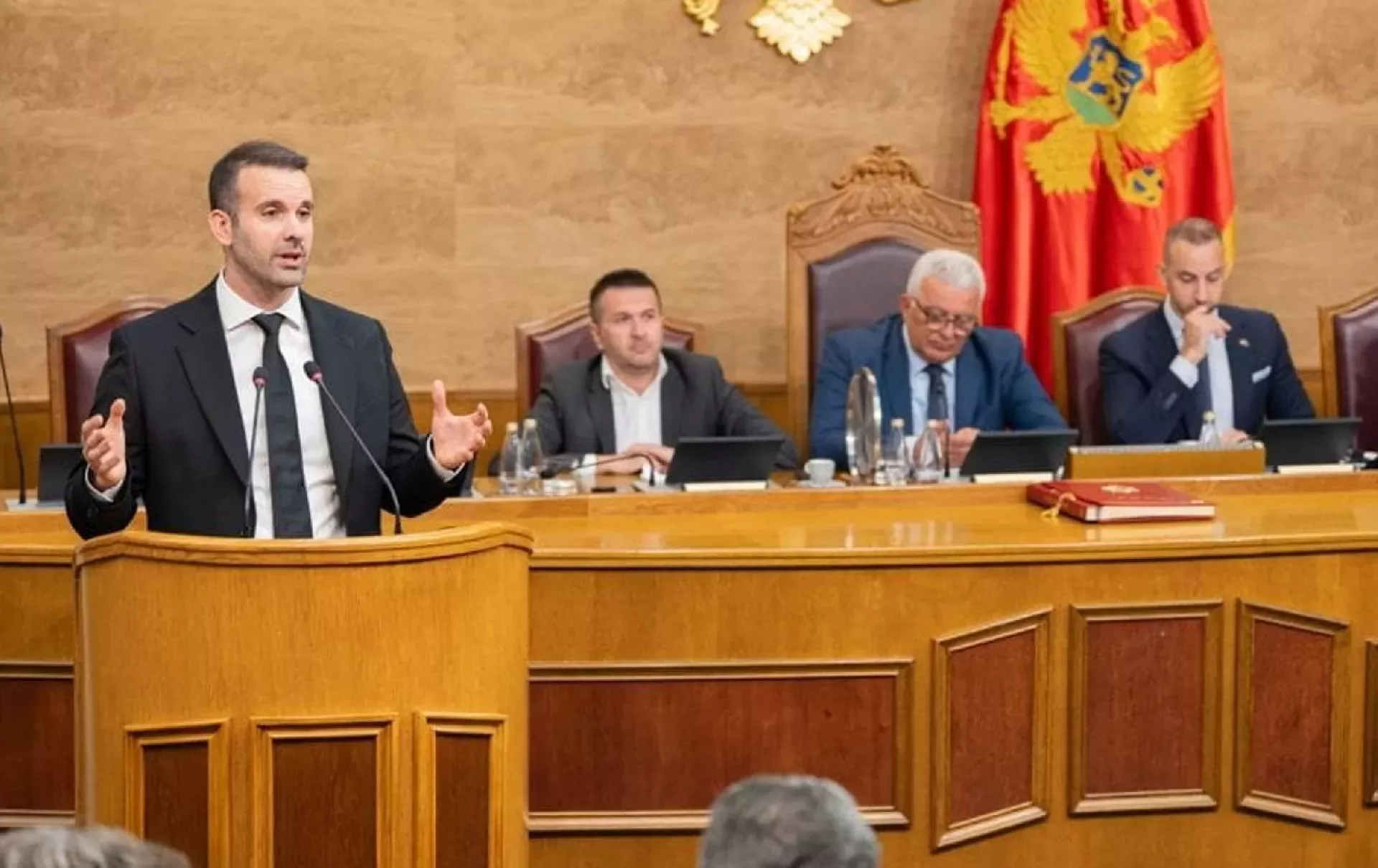
This phenomenon of „mobile voters“ has been discussed by some Montenegrin parties for years, but no one in the West wants to hear about it. In Montenegro, with a small number of voters and fierce divisions, a few tens of thousands of votes can change the composition of the national parliament.
In Bosnia and Herzegovina, we have had similar cases in Srebrenica, a town where even after the genocide, there are no fair local elections. In the upcoming elections, we can expect similar situations across the country if the competent authorities do not act differently than they have so far.
Kosovo elections have shown similar patterns of behavior. People from Serbia were brought in to vote for the Serbian List, close to Vučić.
Democratic elections are and will be compromised in this way throughout the Balkans, because the West allows its protégés to commit election fraud with impunity. The claim that citizens and institutions will prevent election irregularities has been disproven in Zaječar and Kosjerić. Citizens and the opposition could only note that irregularities were happening and that the captured state would not side with them.
Political Balkan Gymnastics According to the European Recipe
Distrust in elections is growing worldwide. The introduction of new technologies has led to even greater suspicions in some places. Some even claim that those deemed undesirable will not be allowed to win.
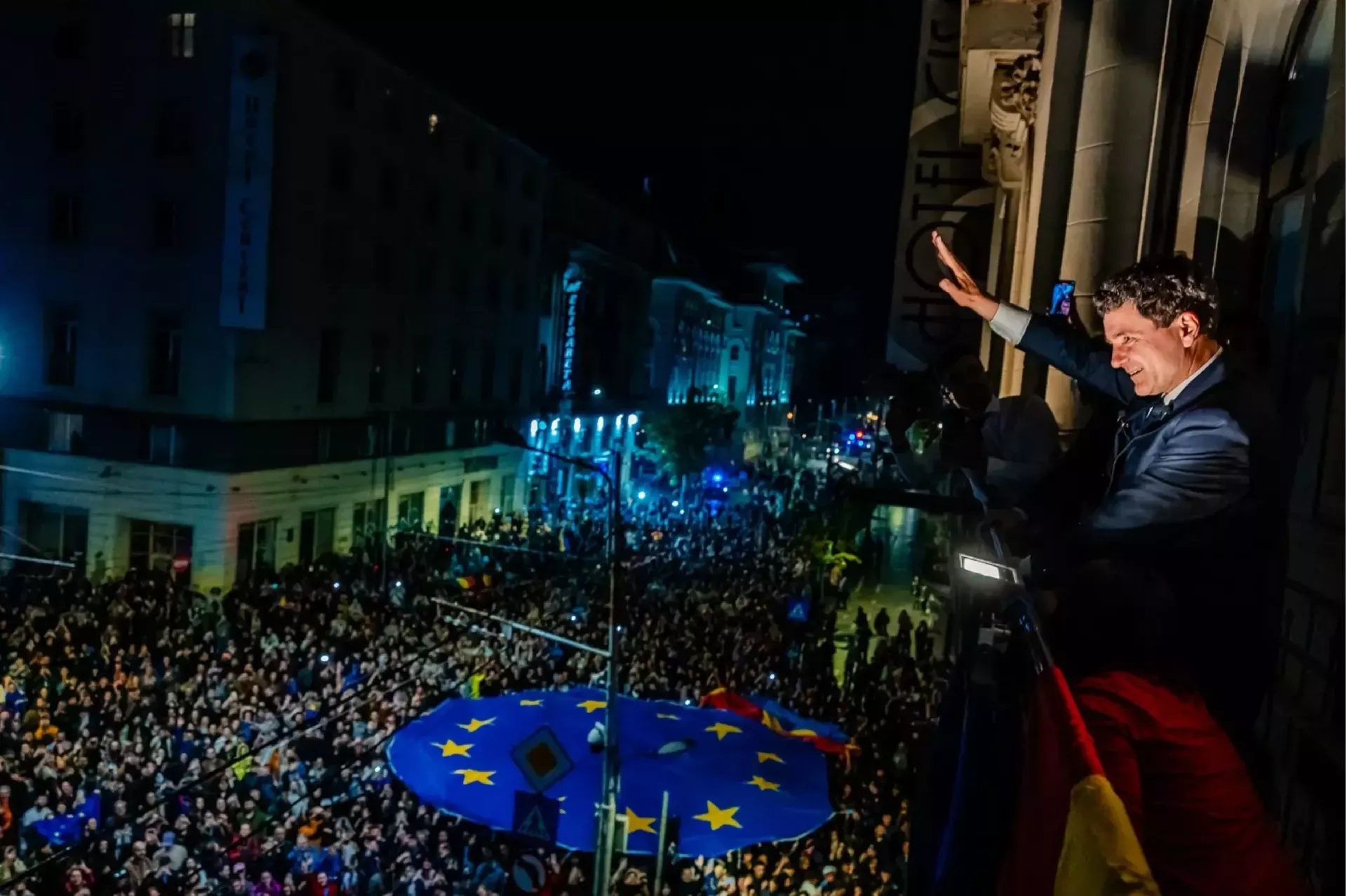
If that is the case, then the Balkan peoples have nothing to hope for. The West's attitude towards Vučić proves that it is possible to gain legitimacy in any elections, i.e., in a vote that involves some form of ballot stuffing, as long as one commits to obedience.
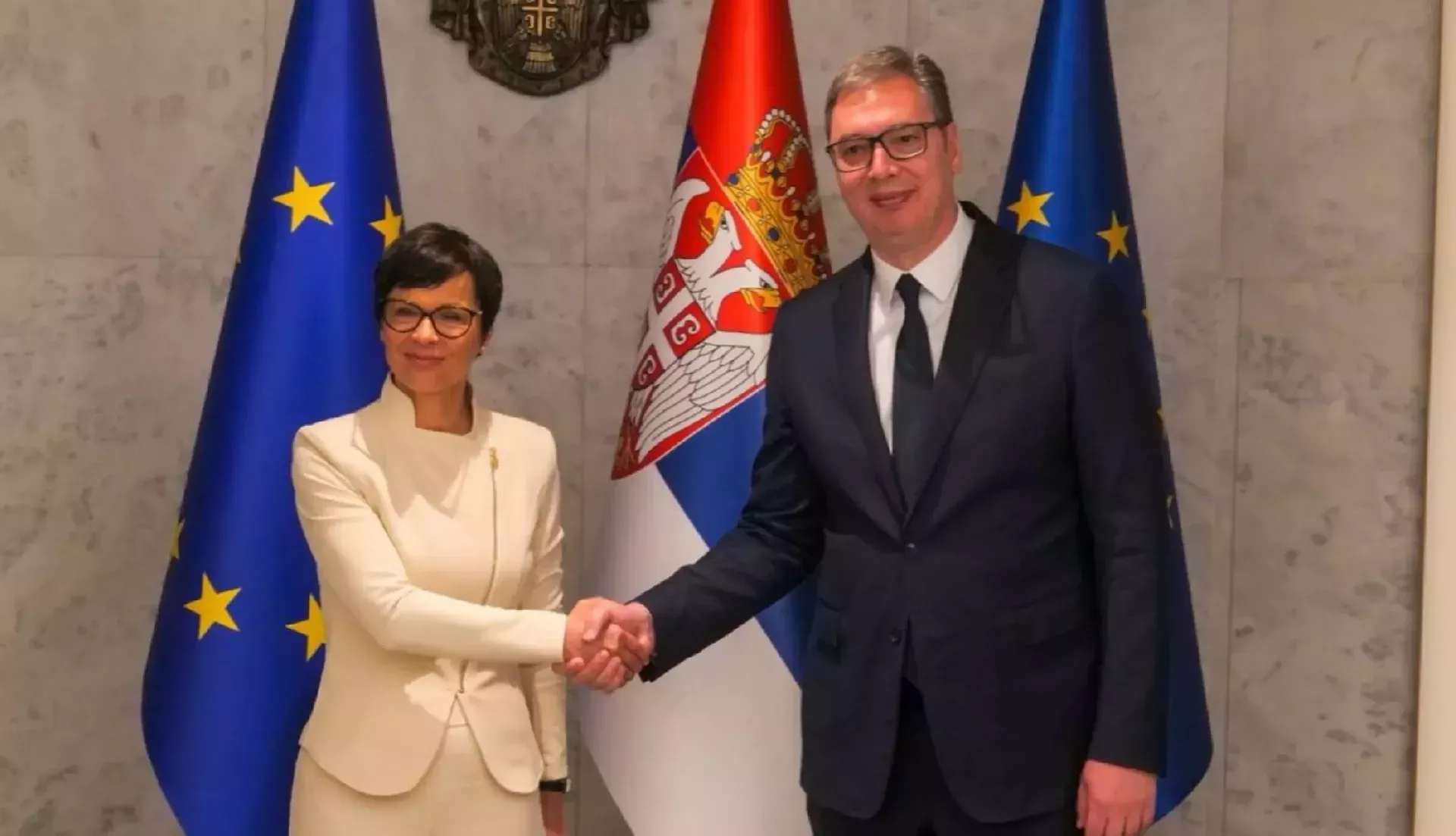
In Serbia, some have long repeated that the West has given Vučić a free hand to do as he pleases, and in return, he will ensure the mining of lithium despite local opposition, supply weapons to Ukraine, and handle the Kosovo issue in accordance with Western interests.
Serbia is not an exception. In addition to the aforementioned examples of election fraud, let's recall the general elections in Bosnia and Herzegovina three years ago and the West's influence through the OHR. Some claimed that the elections were rigged (Jelena Trivić case), a new election law was imposed in the Federation of Bosnia and Herzegovina entity on election night, and then the jurisdiction of the vice-president of that same entity was taken away. Just over two years ago, the OHR imposed technical amendments to the election law that were supposed to improve the integrity of the electoral process, but experts said that this did not solve the key problems.
Democracy, by definition, implies the possibility of a peaceful change of government, with prior participation in political life. The West's attitude, primarily the European Union's, towards Serbia and its neighbors suggests that even this may not apply in the Balkan context. Such an attitude towards this part of the world is a path to rule over the people, modeled after Belarus or Russia. The European Union is (un)consciously imposing autocracy and the absence of law and order on the Balkan peoples, while periodically calling for respect for European standards and seeking and offering the continuation of the 'European path'.
Students in Serbia, who represent a generational chance for the country to free itself from the criminal policy pursued by Slobodan Milošević from power and Vojislav Šešelj from the opposition, no longer carry European Union flags at their rallies. Perhaps Brussels should therefore consider what Serbia will look like after Milošević's propaganda minister and Šešelj's party secretary eventually leave power.
Komentari (0)
Prijavite se za komentiranje
PrijavaJos nema komentara. Budite prvi!
Minuta
Sve →Iz drugih kategorija

High Representative Not Elected: Germans, French and British Sabotaged Americans, New Attempt at End of June

ČOVIĆ WITHOUT MERCY: How Those Who Brought Ademović to Office Created a Political Hell for Him



Sunny Saturday, quite warm



Tragedy in Albanian resort: Two minors drown












