
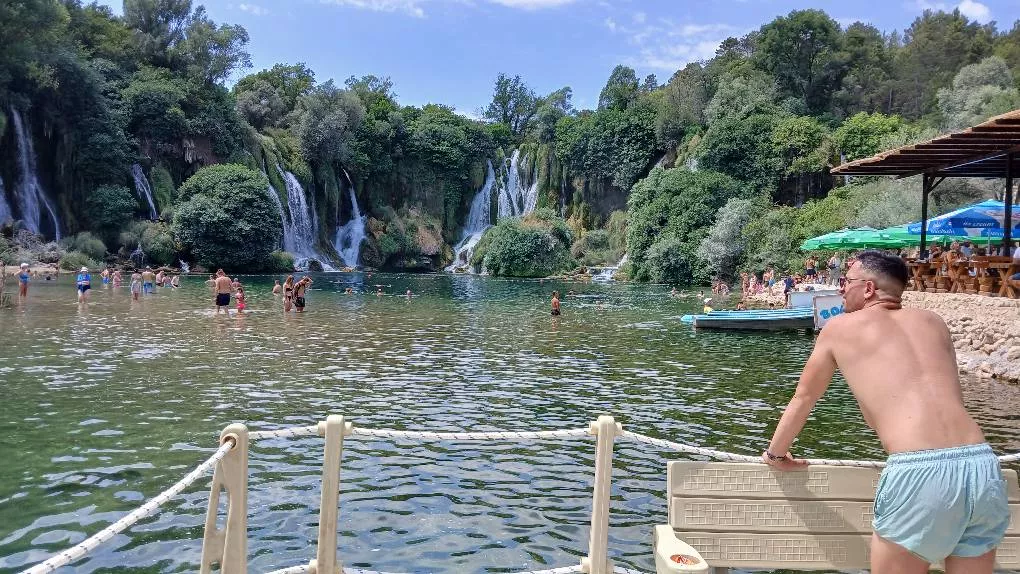
(Patria) - Water is an inseparable part of summer vacation, but also a healthy way of recreation. Swimming has a beneficial effect on the body, improves fitness, and the health of the heart and lungs.
However, as experts from the Institute for Health and Food Safety Zenica (INZ) warn, enjoying water can easily turn into a health risk if basic safety and hygiene rules are neglected.
When Swimming Can Endanger Health
Drowning remains among the leading causes of death worldwide, and children are the most vulnerable group. Most accidents happen when parental supervision is absent "just for a moment".
- In adults, problems most often occur in combination with alcohol, carelessness, and unprepared jumps into the water. Head, spine, and limb injuries are common consequences of careless behavior, states Dr. Jasmin Durmišević from the Service for Health Ecology and Hygiene at INZ.
Experts note that sudden entry into cold water, without prior adaptation, can cause shock, and even loss of consciousness.
Constant lifeguard supervision is mandatory at public pools, while at home, the presence of adults is insisted upon, especially when children are in the water.
Hygiene standards must be high – pool water must be clear, odorless, and colorless, safe for health, without the presence of harmful bacteria, viruses, or chemicals.
Water quality control, including regular chlorination and microbiological analyses, is the responsibility of facility managers, but also of the users themselves.
Pool contamination originates from the environment, but also from the swimmers themselves. Therefore, showering with warm water and soap, as well as foot disinfection, is mandatory before each entry.
It is also recommended to use the toilet to prevent accidental release of urine or feces. Children should use special smaller pools, physically separated from those for adults, so that in case of contamination, the water can be replaced more easily.
As Dr. Durmišević adds, people with infectious diseases, especially intestinal infections, or those with visible skin changes should not use the pool.
Sensitive skin, open wounds, piercings, or post-depilation damage further increase the risk of infections. Indoor pools, due to heat and humidity, promote the spread of respiratory diseases, which requires effective ventilation.
Inflatable pools have become popular, especially for children, but maintenance rules are often neglected. Water must be regularly changed and disinfected, and after each use, the pool should be emptied, washed, and cleaned.
Children should not be left unsupervised even in shallow water – it is known that a child can drown even in six centimeters of water.
The Sun Can Be an Ally and an Enemy
Summer recreation not only involves water but also sun exposure. High temperatures and UV radiation pose a risk of dehydration, sunstroke, and heatstroke.
Therefore, INZ emphasizes, it is important to consume enough fluids, use protective creams, and stay in the shade whenever possible.
Natural shade is ideal, but umbrellas and light clothing can also provide protection. Prolonged sun exposure increases the risk of skin diseases, including skin cancer.
Swimming and spending time in the water can be perfect allies for health, but only with the responsibility of all participants – both those managing the pools and those using them. Summer pleasures should not become a cause of tragedy, and prevention and caution are the first step towards a safe vacation.
Komentari (0)
Prijavite se za komentiranje
PrijavaJos nema komentara. Budite prvi!
Minuta
Sve →Iz drugih kategorija

High Representative Not Elected: Germans, French and British Against Americans, New Attempt at End of June

ČOVIĆ WITHOUT MERCY: How Those Who Brought Ademović to Office Created a Political Hell for Him



Sunny Saturday, quite warm



Tragedy in Albanian resort: Two minors drown












