
By: Amina Čorbo-Zećo
There are no reactions to the events in Slovenia, where a kind of revisionism is currently taking place, concerning Bosnia and Herzegovina.
The focus of cultural and political struggles in Slovenia today is the Museum of Contemporary History, managed by Nataša Robežnik – a candidate proposed for that position by the Slovenian Minister of Culture, Asta Vrečko, an ideological pillar of the extremely left-wing party Levica.
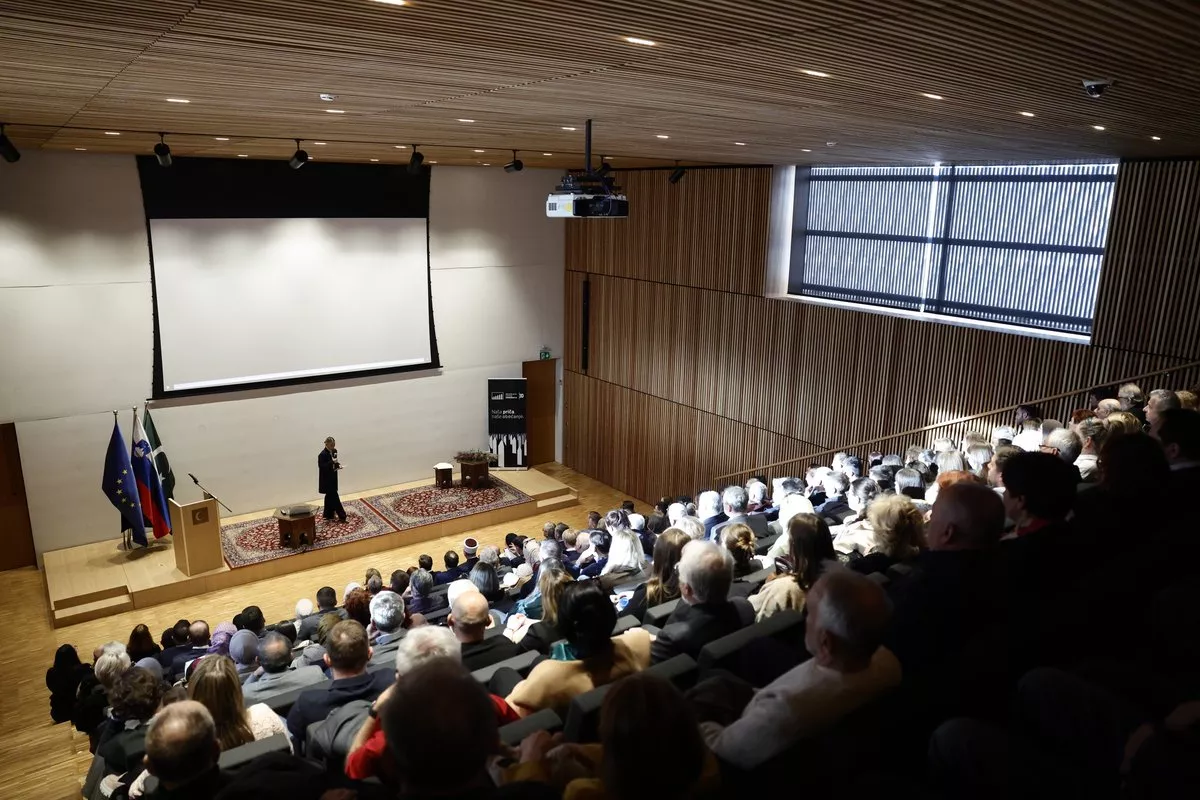
Incidentally, ever since Levica took control of the cultural sector, the memory of Slovenia's independence has been systematically erased, and a nostalgic reinterpretation of the failed Yugoslavia and communist ideology is being imposed. This is what residents of Slovenia, with whom we spoke, claim. Therefore, they are not surprised by the decision to postpone the exhibition marking the 30th anniversary of the Srebrenica genocide, which was supposed to be held at the Museum of Contemporary History, due to disagreements!?
They testify that Levica uses museums, festivals, and institutions to push a narrative that denies the key values of the struggle for Slovenian independence, so why would they then present the truth about the genocide!?
Prime Minister Robert Golob, in an attempt to balance between political poles, is actually becoming a hostage to these radical tendencies, while in the background, space is being opened for the quiet penetration of regional interests that have nothing to do with Slovenia's interests.
The clearest example of this is Zoran Janković, the long-time mayor of Ljubljana, whose ties with Belgrade – specifically, with Aleksandar Vučić and Milorad Dodik – are no longer even a taboo.
His recent presence in Belgrade, at the invitation of UEFA President Aleksander Čeferin, who organized a congress there, shows how parallel diplomacy is conducted behind the public's back. And the political representatives of Bosnia and Herzegovina are completely silent on these developments, while persistently portraying Slovenian politicians as friends.
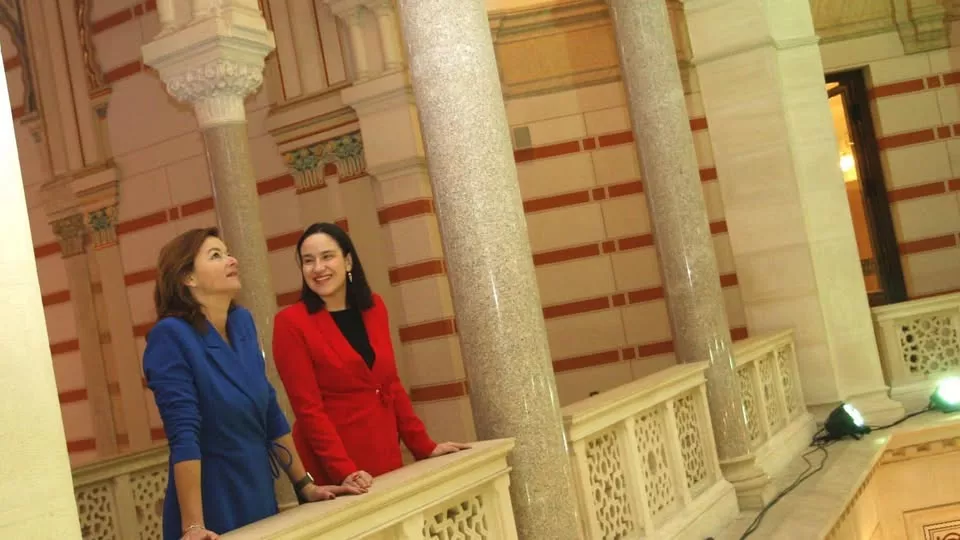
And that is precisely why the greatest absurdity comes from Sarajevo, where the authorities have decided to award the Key to the City of Sarajevo to Slovenian Foreign Minister Tanja Fajon. This same Fajon, who persistently avoids proposing sanctions against Milorad Dodik, and who brought Dominika Švarc Pipan into the Slovenian government – a person who, as a legal advisor, defended Radovan Karadžić before the Hague Tribunal.
A serious question arises: is European rhetoric merely a cover for political bargaining and historical revisionism? And how is it that Slovenia – the country that was the first to leave Yugoslavia – is today once again exposed to attempts to suppress its identity and distort historical truth? And they are doing this regionally as well, trying to shamefully evade the narrative of Srebrenica and genocide.
This situation demands clear resistance, a critical public, and political responsibility. Because those who silently observe the institutional rewriting of history today will wake up tomorrow in a country whose future no longer belongs to itself.
Komentari (0)
Prijavite se za komentiranje
PrijavaJos nema komentara. Budite prvi!
Minuta
Sve →Iz drugih kategorija

High Representative Not Elected: Germans, French and British Against Americans, New Attempt at End of June

ČOVIĆ WITHOUT MERCY: How Those Who Brought Ademović to Office Created a Political Hell for Him



Sunny Saturday, quite warm



Tragedy in Albanian resort: Two minors drown












