
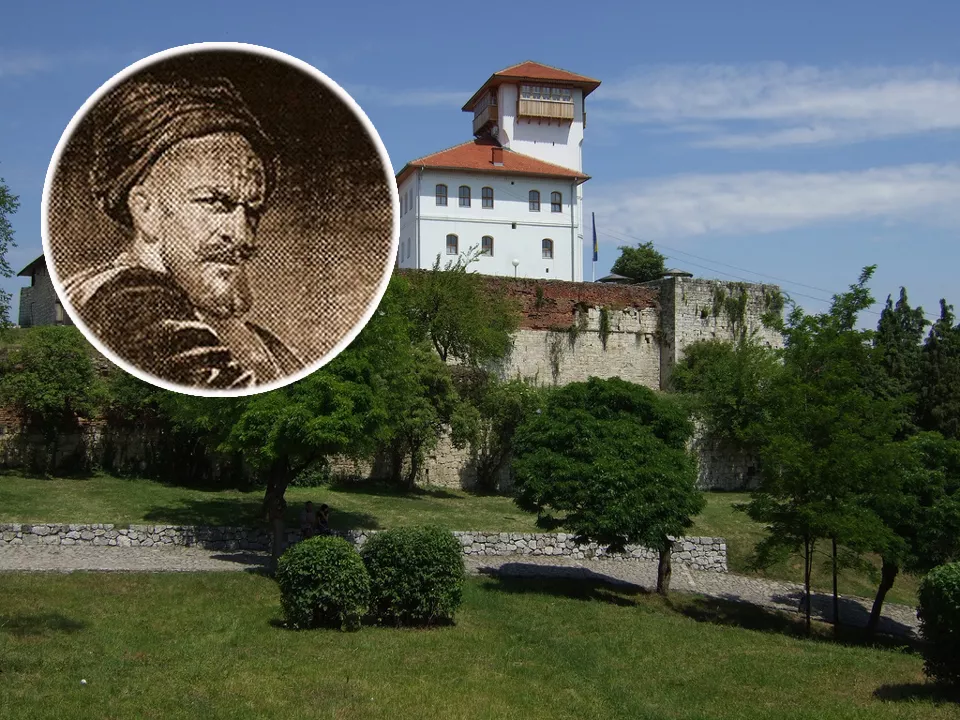
Husein-kapetan Gradaščević, who entered Bosnian and Herzegovinian tradition under the name Dragon of Bosnia, can be considered the most significant figure of our recent history in every way, writes the BH News Agency Patria.
The Gradaščević family are among the greatest benefactors in northeastern Bosnia and certainly among the greatest in all of BiH.
The assets they donated as a voluntary contribution for their people and their country are impressive. This includes over 1,500 dunams of the best land parcels, five mosques, three madrasas, dozens of shops and other buildings, water supply systems...
However, the most significant among them is Husein-kapetan Gradaščević, whom history remembers as a wise and courageous leader. On March 29, 1831, in Travnik, he was elected leader of the Bosniak movement for the autonomy and independence of the country, which was then under Ottoman rule.
Although young, he quickly managed to expel the vizier and other anti-autonomy figures, thus becoming the ruler of the Bosnian Pashaluk.
Among those who supported Gradaščević's uprising were Catholics and Orthodox Christians, but the most numerous were Bosniaks, as they were also the most developed in the social sense, the wealthiest, the most organized, and the most educated in our country at that time.
Gradaščević was soon proclaimed the new vizier by his army.
The movement for autonomy did not last long. In 1832, the movement lost its advantage in the war. After a series of minor skirmishes, the decisive battle against the Ottoman army took place on May 17 and 18 outside Sarajevo. The Bosnian army was defeated after Herzegovinian reinforcements arrived and joined the Ottoman army.
The Sultan sentenced Gradaščević to death, so he had to leave Bosnia and move to Habsburg territory.
At the end of 1832, Husein agreed to return to Ottoman territory to receive a pardon from the Sultan. In Istanbul, he lived in the old Janissary barracks on Atmeydan (Hippodrome Square) while his family lived nearby in a separate house. He lived a relatively peaceful life for the next two years. He died on August 17, 1834. Legend has it that he was poisoned by imperial authorities, but considering his poor health, historians believe it is more likely that he died of cholera. He was buried in the Ejjub cemetery.
Komentari (0)
Prijavite se za komentiranje
PrijavaJos nema komentara. Budite prvi!
Minuta
Sve →Iz drugih kategorija

High Representative Not Elected: Germans, French and British Against Americans, New Attempt at End of June

ČOVIĆ WITHOUT MERCY: How Those Who Brought Ademović to Office Created a Political Hell for Him



Sunny Saturday, quite warm



Tragedy in Albanian resort: Two minors drown












