
ZAGREB, (Patria) – German Chancellor Angela Merkel and Manfred Weber, the European People's Party candidate for the future head of the European Commission, participated in an HDZ pre-election rally in Zagreb ahead of the European Parliament elections, which are being held from May 23 to 26.
Merkel received considerable criticism for supporting HDZ, including criticism from German media, such as the public radio Deutschlandfunk, which called the Chancellor's visit to Zagreb "questionable," primarily due to the retrograde policies pursued by the first president of HDZ and the first president of Croatia after independence, Franjo Tuđman.
Former President of the Republic of Croatia, Stipe Mesić, commenting on the German Chancellor's visit to Zagreb, told the Patria agency that Merkel traveled to Croatia primarily to support her candidate Weber for President of the European Commission, but that HDZ used this visit to popularize the party's policies.
To the statement that Chancellor Merkel strongly supports Bosnia and Herzegovina on one hand, and on the other hand supported HDZ, with whom Bosnia and Herzegovina has had problems since the past, Mesić said that the Chancellor's appearance at the HDZ rally is "their internal party matter," but "neither Angela Merkel's party nor Germany will certainly change their attitude towards Bosnia and Herzegovina."
When asked if Merkel's visit to the HDZ rally could also be interpreted as support for HDZ President Andrej Plenković, who is trying to deal with the right wing of the party, Mesić assesses that Plenković is absolutely closer to European politics than those who are fighting him within HDZ.
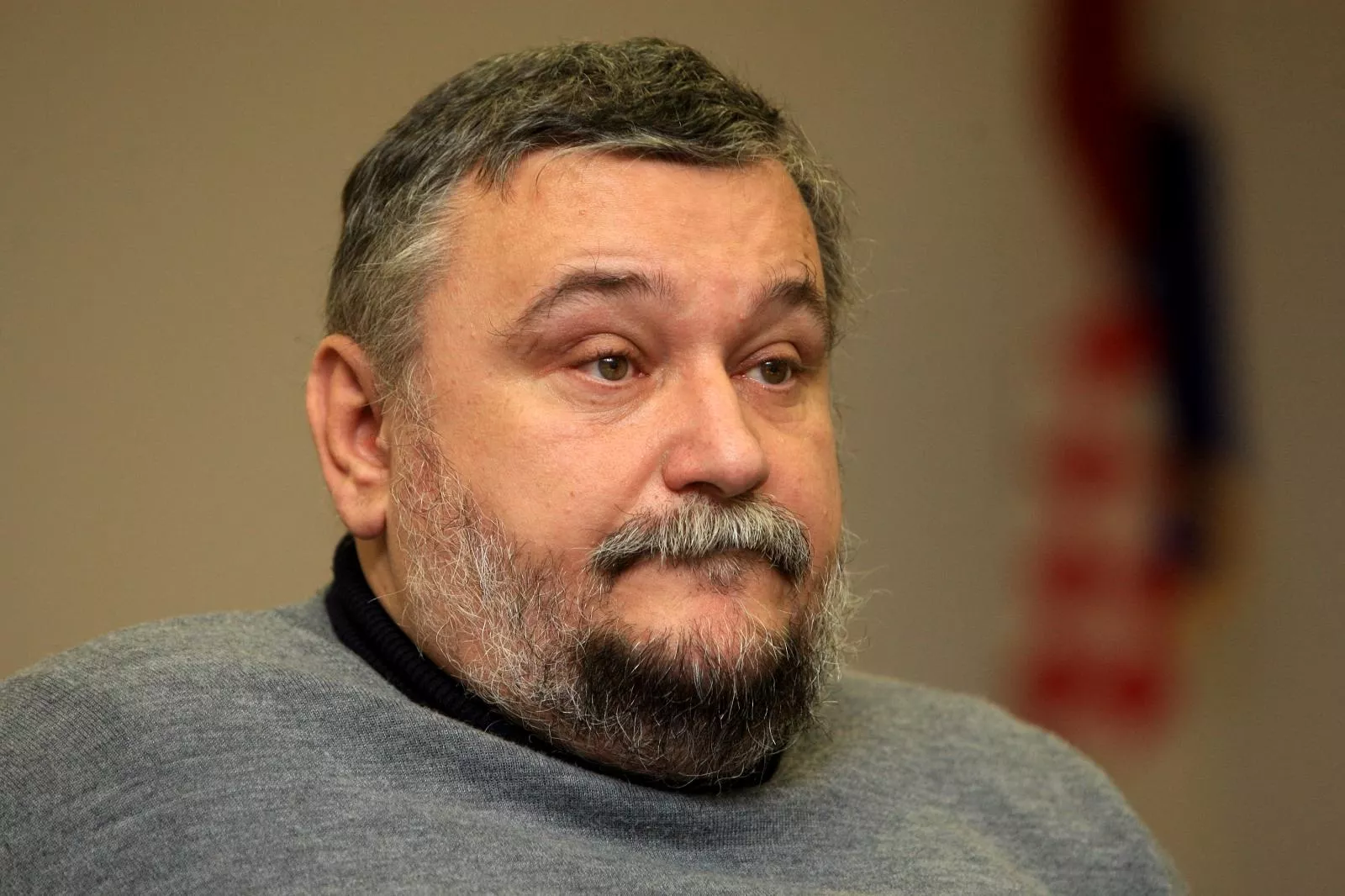
Political scientist and independent political consultant Davor Gjenero shares a similar opinion. In a comment for the Patria agency, he said that the Croatian Prime Minister and current HDZ President, Andrej Plenković, is systematically trying to get rid of the radical right and strengthen the centrist core of the party, but Gjenero believes it is very difficult for him.
"These are processes that are very difficult to achieve and very easy to return to the starting position," says Gjenero.
He assesses that by systematically working on the deradicalization of HDZ, Plenković is risking his own position within the party, which is why he often does not dare to express his true opinion.
Gjenero points out that Plenković and his closest associates advocate for the sovereignty of Bosnia and Herzegovina and the country's rapid membership in the EU and NATO alliances.
"Of the HDZ candidates for the European Parliament whom we could call hardline HDZ, there is only one person, Ljiljana Zovko, but she is also from HDZ BiH, while the other candidates are quite moderate," says Gjenero.
"Ressler is a typical European Christian Democrat, who could also be a member of the CDU," Gjenero believes, commenting on the leader of the HDZ list for the European elections, Karl Ressler.
Assessing the arrival of the President of HDZ BiH, Dragan Čović, at the rally in Zagreb, Gjenero says he is not too happy about it, but assesses that Čović is not the one dictating HDZ policy in Croatia, "just as Plenković cannot significantly influence the policy of HDZ BiH."
Komentari (0)
Prijavite se za komentiranje
PrijavaJos nema komentara. Budite prvi!
Minuta
Sve →Iz drugih kategorija

High Representative Not Elected: Germans, French and British Against Americans, New Attempt at End of June

ČOVIĆ WITHOUT MERCY: How Those Who Brought Ademović to Office Created a Political Hell for Him



Sunny Saturday, quite warm



Tragedy in Albanian resort: Two minors drown












