
By: Armin Sijamić
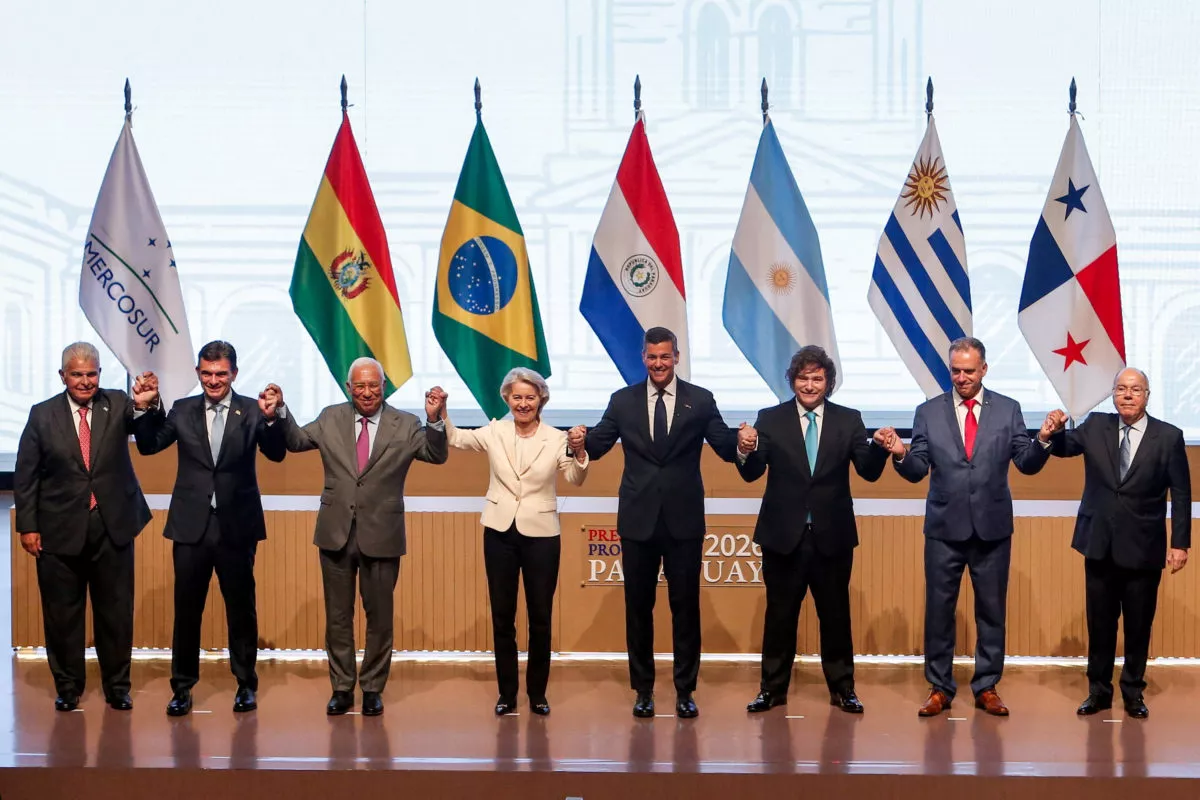
On Saturday, the European Union and Mercosur signed a historically important agreement. This major victory for proponents of open markets came at a time of economic wars initiated by US President Donald Trump, who introduced tariffs, blockades, restrictions, and sanctions against many countries.
After more than 25 years of negotiations, the European Union and Mercosur have reached a free trade agreement. The agreement, signed in the Paraguayan capital, Asunción, now requires ratification by the European Parliament and the national parliaments of the Mercosur member states.
The two blocs together account for about thirty percent of global GDP, which speaks volumes about the importance of the agreement. With this signing, a free trade zone with 700 million consumers has been created.
Resistance from France and European Farmers
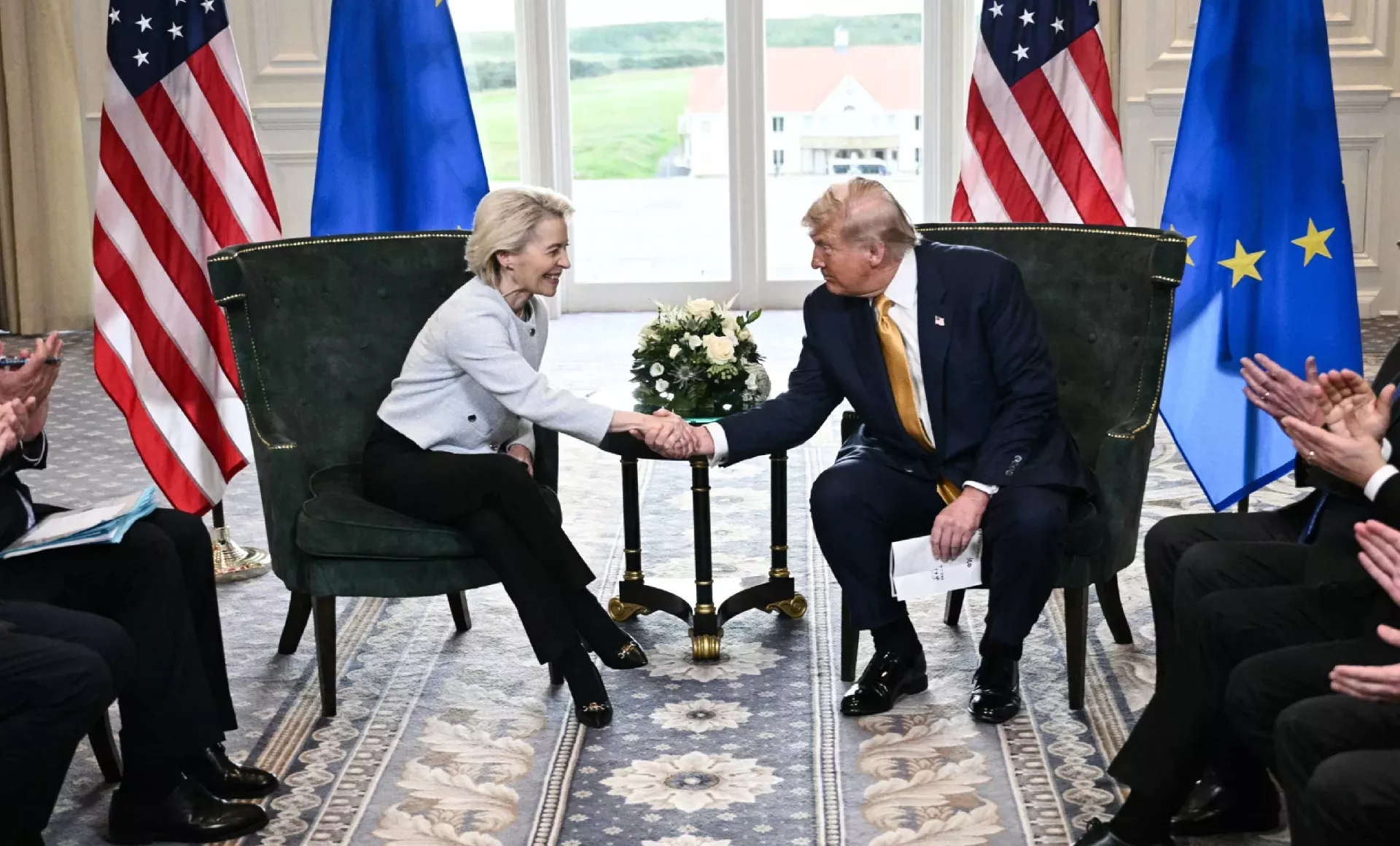
Unlike the trade agreement between the European Union and the United States, which was agreed upon very quickly, the agreement between Brussels and Mercosur is known in detail to interested parties.
Therefore, this agreement has created two clear political blocs – those who are for it and those who are against it, as individual sectors could assess how it would affect their businesses.
The South American bloc (Brazil, Argentina, Uruguay, Paraguay, and Bolivia, to which the agreement applies) has changed its stances depending on government changes.
On the other hand, some countries and sectors have long been against it. For example, farmers across the European continent feared cheap products from South America. The most persistent were French farmers, who opposed this agreement and showed their dissatisfaction in the streets. In the end, France was outvoted, and the European side agreed to the deal.
Some European farmers claim that there is no strong product quality control in South America and that this will lead to a flood of cheap and defective products on the European market. This is claimed, for example, by the French right-wing, which has drawn some of its strength in recent years from farmer support. Interestingly, the Croatian SDP held similar views two days ago, arguing, among other things, that "the use of growth hormones, certain pesticides, and genetically modified organisms is permitted in Mercosur countries," and that these are prohibited in the European Union.
Similar views were held by the governments of France, Poland, Austria, Hungary, and Ireland, while Italy gave its support to the agreement after Brussels provided guarantees that Italian farmers would be protected.
Victory for Brazil, Germany, and Spain
Certain countries and politicians strongly advocated for the agreement. One of them is Brazilian President Luiz Inácio Lula da Silva, who worked on it during his first term. Media reported that late last year, he warned European partners that if they did not sign the agreement now, Brazil would not sign it during his term.
Lula da Silva saw the agreement with Brussels as an opportunity for further development of the Brazilian economy, which in terms of size has surpassed all EU member states except Germany, France, and Italy. With this agreement, Brazil gains new export markets, but also the opportunity to acquire, for example, various machines from European manufacturers more cheaply and easily. Other South American countries also believe this.
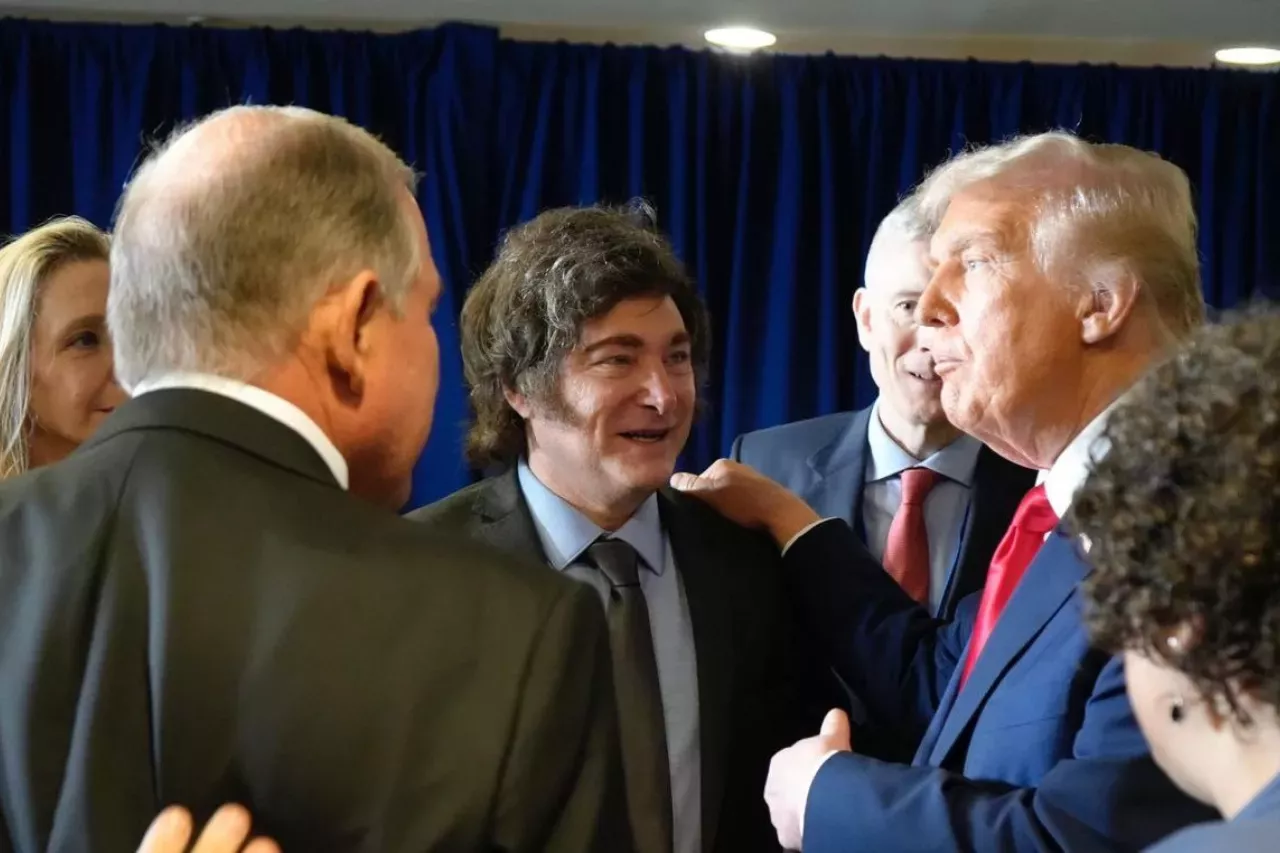
Faced with these arguments, even the self-proclaimed "anarcho-capitalist" Javier Milei, leading Argentina, Brazil's rival, fell silent. Milei supported the agreement, which aligns with his vision of a free economy, something his protector in the White House likely dislikes.
Germany was also a strong proponent of this agreement. EU leader Ursula von der Leyen (former German minister) and Chancellor Friedrich Merz's government saw the agreement as historically important. Von der Leyen described it as a "generational success."
Berlin wants this agreement because it opens the doors of South America to the German economy, meaning access to 280 million consumers within Mercosur. The growing middle class there, experts believe, can be an important buyer of German cars, and the growing economies could demand more German machinery and equipment in the era of Trump's tariffs and increased Chinese competition.
In addition, if certain agricultural products become cheaper on the European market, it will benefit Berlin in improving the economic status of millions of Germans.
The government in Madrid also advocated for this agreement, despite the displeasure of some opposition members and farmers. Prime Minister Pedro Sánchez believes the agreement will benefit the Spanish economy.
Madrid counts on Spanish companies to utilize the agreement better than others due to historical, cultural, linguistic, and economic ties. Spanish banks and companies in telecommunications, infrastructure, and energy sectors operate successfully throughout Latin America, and the agreement will likely further help them develop.
Global Importance of the Agreement
Although the agreement must receive approval (which will be decided by the Court of Justice of the European Union or the European Parliament) and although it contains quotas to limit trade, it is clear that it is a step towards free trade. Ninety percent of tariffs in the industrial, service, and agricultural sectors will be gradually abolished, and barriers will weaken over time. This was clear back in 1999 when the two blocs began negotiations.
The agreement will be of global interest. With this move, the European Union wants to prove that it can conclude such agreements while protecting its interests, local producers, and their authentic products. This agreement, if it receives support, will serve as a model for negotiations that are ongoing political and economic processes recently initiated by Trump.
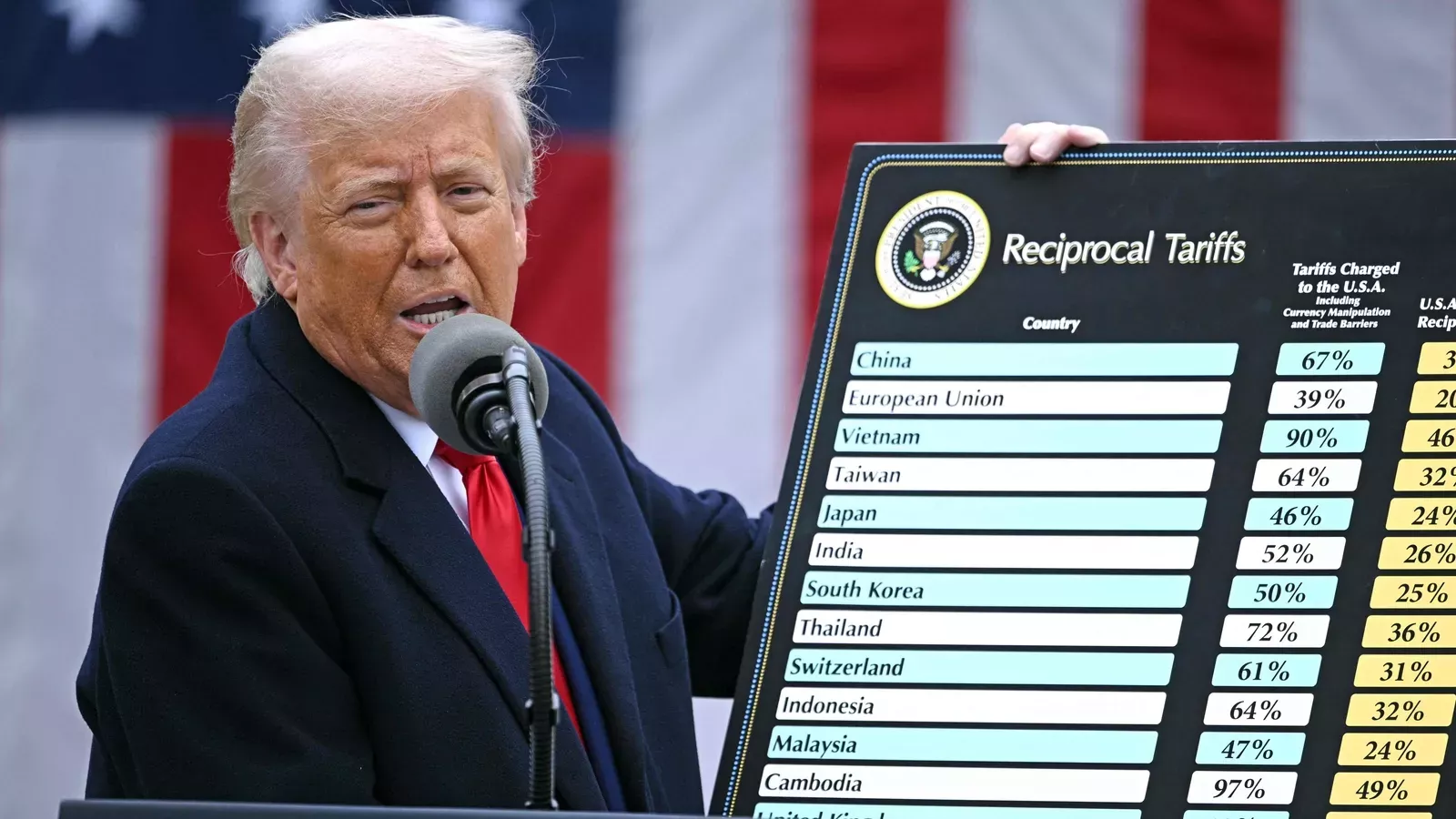
Brussels, like Brazil and the South American countries, wants to show that it is possible to conduct politics and economics based on agreed rules and without government intervention, contrary to Trump's practices.
Europeans want to show Trump and China that they are preparing for a global race. This was also evident in the statements of officials from Berlin and Madrid when defending the agreement. They argued that the agreement with Mercosur gives Europe a chance to access raw materials and rare minerals that South America abounds in. Furthermore, and this is self-evident, European companies gain markets outside of American and Chinese ones.
The head of European diplomacy, Kaja Kallas, described the agreement between the two blocs yesterday as a "geostrategic decision." She said the agreement is being signed at a time when "some allies are abandoning Europe" and that now "Europe is looking for new allies."
The fact that this might be the beginning of a new European policy, while Trump shakes the foundations of the transatlantic alliance by insisting on exclusively American interests, was also confirmed by Von der Leyen. Yesterday, from Davos, Switzerland, she announced that Brussels is working on a free trade agreement with India, i.e., establishing a common market with two billion people. If Brussels succeeds in this as well, then it is a fact that neither Washington nor Beijing can ignore.
Komentari (0)
Prijavite se za komentiranje
PrijavaJos nema komentara. Budite prvi!
Minuta
Sve →Iz drugih kategorija

High Representative Not Elected: Germans, French and British Against Americans, New Attempt at End of June

ČOVIĆ WITHOUT MERCY: How Those Who Brought Ademović to Office Created a Political Hell for Him



Sunny Saturday, quite warm



Tragedy in Albanian resort: Two minors drown












