
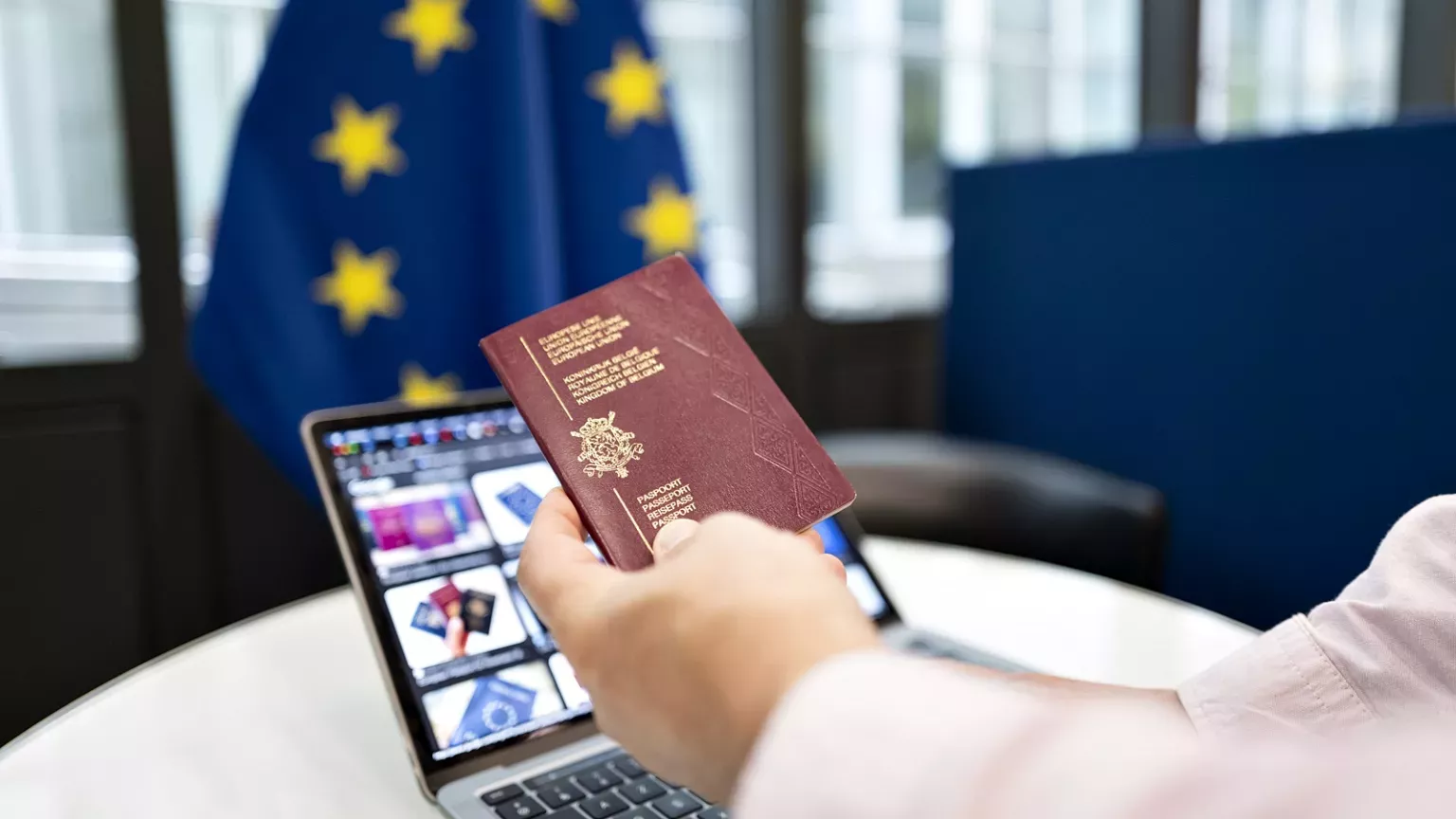
(Patria) - Negotiators of the Council of the European Union and the European Parliament have reached an agreement on the regulation for the gradual introduction of the Entry/Exit System (EES), an electronic system that will enable the definitive abandonment of stamping passports.
This agreement now needs to be formally confirmed by both legislative institutions. After that, the Commission must adopt a special decision on the start of the gradual introduction of the EES. The transitional period will last six months.
The EES is a common electronic system that will record and store information on the date, time and place of entry and exit of nationals from countries outside the EU crossing EU borders, thereby definitively abandoning the stamping of passports.
It will automatically calculate the duration of the authorised stay of these third-country nationals and issue alerts to EU member states about the expiry of the authorised stay period.
It was planned for the EES to start being applied as early as November last year, but this was postponed because not all countries were ready for implementation. Therefore, the Commission proposed a gradual start to the system's application.
In the first two months, member states could apply the system without using biometric data, and after three months, the EES should also be applied with biometric data at at least 50 percent of border crossings.
Full application of the system, i.e., registration of all passenger crossings, should follow by the end of the transitional period. During the transitional period, stamping of passports would continue.
The EES will apply to persons who need a visa for short-term stays and to those coming from countries outside the EU exempt from the visa requirement.
Under this new system, border control officers will scan the fingerprints of persons crossing the border for the first time or take photographs of these persons. This information will be stored in a digital file, making it possible to know exactly who enters the Schengen area with a foreign passport and who stays longer than the permitted 90 days.
Komentari (0)
Prijavite se za komentiranje
PrijavaJos nema komentara. Budite prvi!
Minuta
Sve →Iz drugih kategorija

High Representative Not Elected: Germans, French and British Against Americans, New Attempt at End of June

ČOVIĆ WITHOUT MERCY: How Those Who Brought Ademović to Office Created a Political Hell for Him



Sunny Saturday, quite warm



Tragedy in Albanian resort: Two minors drown












