
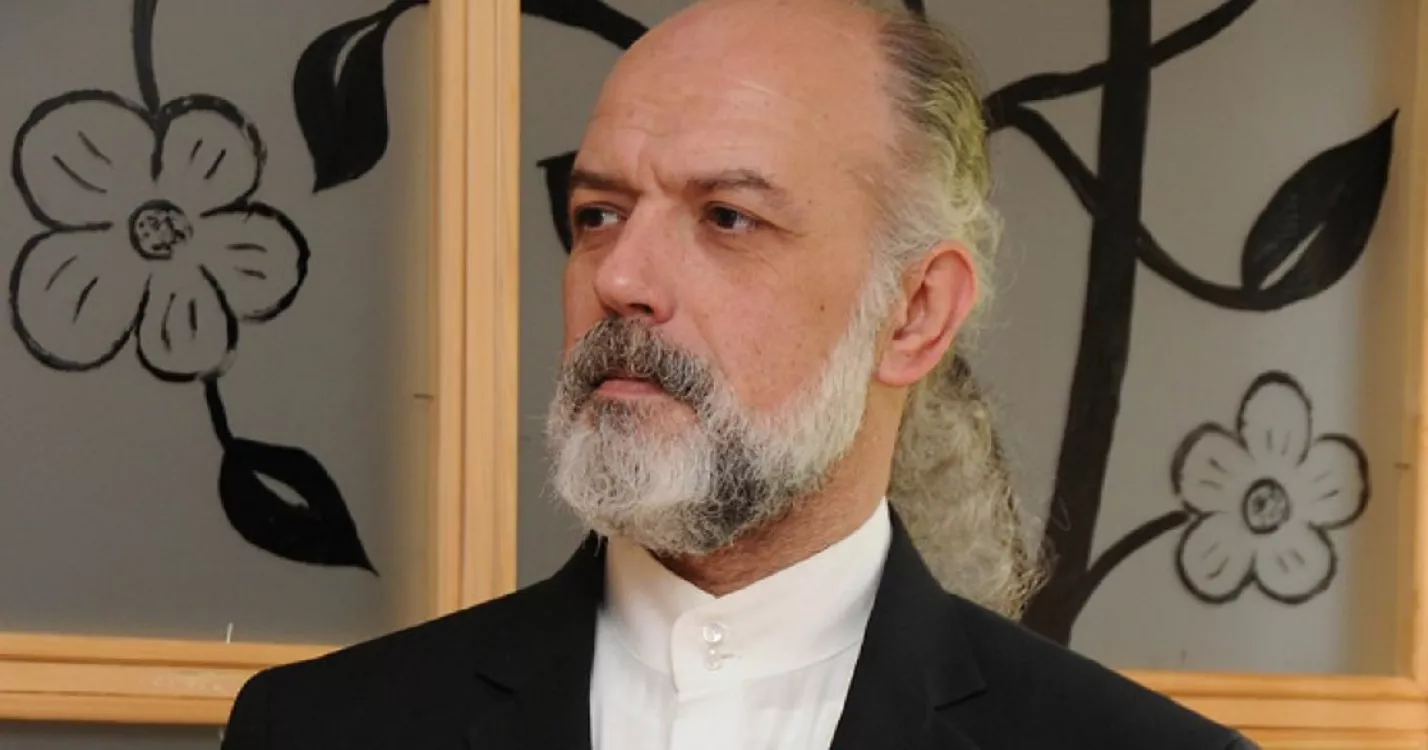
By Edin Urjan Kukavica
Islam is not a religion, and Muslims should not be religious people. The problem is not only definitional, but also essential. Islam is faith, a comprehensive way and system of life in which all twenty-four hours of the day, seven days a week, and 355/365 days a year, it is precisely and accurately known what, when, and how to do, to act and/or not to act; Muslims are – or at least should be – faithful (believers), devoted, and loyal to their faith, living their lives aware that – ultimately – they own nothing, from their lives and destinies to events in the world and the universe, but that through their behavior and actions they can significantly and meaningfully influence everything because everything they do in this temporary world directly echoes their own future world.
Furthermore, based on the fact that their present reflects on their future world, Muslims, faithful (believers), should know that their Lord has prescribed only a little knowledge for them, and that from this little knowledge they should by no means judge anyone or anything, partly because they do not know enough, and partly because they will be judged. From the above stem three basic paradigms of Islam that believers (faithful) should adhere to in order to live peacefully in this world and achieve salvation in the Hereafter: only God has, only God knows, and only God (has the right to) judge. Any disruption of the balance resting on this tripod threatens created harmony and introduces disorder where God, the Exalted, ordained order. In other words, any assumption of any of these (divine) prerogatives by man constitutes interference in God's affairs and matters, attributing divine qualities and powers to oneself, and leads man to the gravest sin, which, it is said, God, the Exalted, will not forgive anyone – shirk, associating partners with God (oneself).
One of the miracles of God's creation is that He has never, nor will He ever, create two identical flowers or blades of grass – although to us humans, all flowers and blades of grass of one species look almost or completely identical – let alone create two identical people, with the same appearance, the same qualities, abilities, possibilities, and logically, not even with the same capacity for faith and adherence to religious precepts. "Man is My secret, and I am his secret," the Exalted God tells us with this simple sentence, revealing and concealing so many truths about His last and most complete creation that cannot fit into all the books of the world, written and unwritten. One of the greatest and most important is, of course, that no human being has been revealed the state of another human being, not even their belief or disbelief, and that no human being should take it upon themselves to accuse another human being, or God forbid, condemn them as an unbeliever. By the Sunnah of the Prophet of Islam, we are permitted, indeed, obliged, only to confirm the faith of those whom we see worshipping God. Anything else, beyond and above that, is what our honorable ancestors and predecessors called "playing God," that is, judging based on little knowledge and even attributing divine powers to oneself.
On the other hand, the Prophet of Islam directly tells us who does not belong among his followers, believers, Muslims, sharply warning us with the words: "He is not of us...!" – "He is not of us whose tongue and hands do not keep others safe!" "He is not of us who does not respect elders and is not merciful to the young." "He is not of us who cheats." "He is not of us who is satisfied while his neighbor is hungry." "He is not of us...!"
"The closest to me among you will be those who have the most beautiful akhlaq, who are humble, and who reconcile and bring people together," because, "I have been sent," says the Prophet of Islam, "to perfect human akhlaq (morals, character, good behavior)."
"Indeed, Allah does not look at your bodies nor at your appearances, but He looks at your hearts and your deeds." because, hearts are "Allah's vessels on earth. The most beloved to Him are those vessels that are the purest, the strongest, and the thinnest: pure from sins, firm in faith, and thin (tender) towards people." "O people!" says the Exalted, "We have created you from one male and one female, and made you into peoples and tribes so that you may know one another; indeed, the most noble of you in the sight of Allah is the most God-fearing" or "The most honored with Allah is the one who fears Him the most." (49:13) In Islam, people do not differ from each other by origin, skin color, status, or wealth... but only by God-consciousness, which they prove through benevolence. And "benevolence is that you worship Allah as if you see Him, for although you do not see Him, He truly sees you."
It is Ramadan. The month in which warfare is forbidden, but jihad is not forbidden; the best jihad is the struggle against one's own passions and desires. It is Ramadan, and jihad is prescribed for us! Jihad on Allah's Path, the most beloved deed to Him, the Exalted, is guarding the tongue; the most valuable deed is showing love to people; the best faith is knowing that Allah, the Exalted, is always with you wherever you are; the best charity is acquiring knowledge and teaching others; the greatest kindness and generosity is visiting those who do not visit you, giving to those who have withheld from you, forgiving those who have wronged you; concealing the shame of others, remembering your own flaws and shortcomings; the most caring faith is taking care of both worldly and otherworldly affairs; using five things before five others overtake us: life before death, health before illness, free time before being busy, youth before old age, and wealth before poverty. It is Ramadan; a holy month for mujahids – fighters on Allah's Path. A mujahid is one who has woken early and left his home rushing to earn and feed his children, one who has set out to work wanting to feed and support his elderly and infirm parents, even one who has hurried to earn for himself if his intention was not to be arrogant and proud of his wealth and possessions before other people.
It is Ramadan. The best iftar is that which is earned by one's own hands.
Someone will ask: "All this is good, but you promised stories about Nasrudin Hodja!? And you haven't even mentioned him." Here are two stories of Hazrat Nasrudin. The first: while Nasrudin Hodja was transporting a scholar across the river, he said something grammatically incorrect to him. "Have you never studied grammar?" asked the scholar. "No," replied the Hodja. "Then you have wasted half your life," said the scholar, looking at him pityingly. Some time later, the Hodja turned to the traveler: "Have you ever learned to swim?" "No," replied the scholar. "Then your whole life is wasted," said the Hodja. "We are sinking." And the second: a traveler passing through the city came across a large group of people who were escorting a funeral procession. Nasrudin stood on the corner and watched the people passing by. "Who has died?" asked the traveler of Nasrudin. "I'm not sure," replied Nasrudin, "but I think it's the one on the coffin."
Komentari (0)
Prijavite se za komentiranje
PrijavaJos nema komentara. Budite prvi!
Minuta
Sve →Iz drugih kategorija

High Representative Not Elected: Germans, French and British Against Americans, New Attempt at End of June

ČOVIĆ WITHOUT MERCY: How Those Who Brought Ademović to Office Created a Political Hell for Him



Sunny Saturday, quite warm



Tragedy in Albanian resort: Two minors drown












