
Amina J. and Samy J., a married couple from Sarajevo, have been living in Jeddah, the second-largest city in Saudi Arabia, for some time now. They settled there when they realized "that despite the jobs they had at the time, they would not be able to support their family," writes the Patria News Agency.
- Upon learning that I was pregnant, the search for a better job (within or outside BiH) intensified. After several thousand job applications that my husband sent to companies around the world (from Dubai, Vienna, England, Australia, New Zealand...), he met a man from Riyadh on the social network LinkedIn, who, based on my husband's qualifications and CV, arranged a job interview with the founder of one of the leading and largest companies in Jeddah, KSA. And that's where our story of a new beginning begins. Our applications couldn't get through in any country, regardless of qualifications, completed degrees, and work experience. The reason was simple: we come from Bosnia and Herzegovina – says Amina.
Thus, a combination of happy circumstances, persistence, and determination were key in their story. But unlike most of the diaspora, Amina and Samy, with their daughter, live differently because Sharia law applies in Jeddah.
- Foreigners prefer to live in camps because of the freedom they have. When I say 'freedom,' I mean the absence of Sharia rules. Such rules apply as soon as you step outside the camp, obliging women to wear an abaya (a long, usually black, dress), while men should have trousers below the knee. A woman in Jeddah does not have to wear a headscarf unless she encounters the mutawa (religious police) – says Amina.
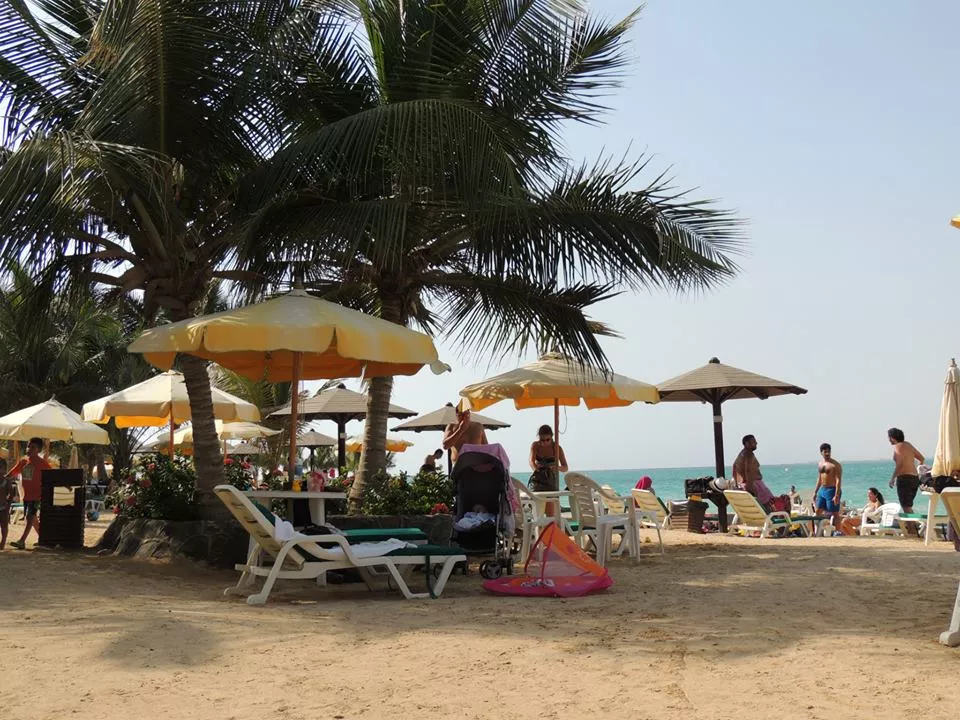
Her family lives in a camp with about 250 houses, from the smallest for singles to larger ones intended for families.
- The camp owners have really taken care to ensure their 'guests' can make the most of their free time. There is a swimming pool, gym, sauna, jacuzzi, promenade... Specifically in our camp, there are also people from our region, namely Bosnians and Croats. Europeans in Jeddah enjoy special privileges, from salary levels to provided healthcare, while for example, Indians, Pakistanis, Indonesians, and Filipinos are third-class citizens, whom many treat as slaves. The discrimination of people is obvious, and that is what I do not like here – Amina explains.
The standard of living is high, and the purchasing power in Jeddah is enormous. Shopping malls are the size of football stadiums, and it's incredible that they are always full and that people are constantly shopping.
- What is interesting is the fact that when it's time for salah (prayer), absolutely all shops close. If you happen to be in a shopping mall at that time, you can only look at the shop windows until the prayer is over. When it comes to the prices of food, drinks, and other daily necessities, they are significantly higher than those in BiH, but if we consider the salaries, they are negligible – adds Amina, emphasizing that returning to BiH is not a question that currently occupies her attention.
Komentari (0)
Prijavite se za komentiranje
PrijavaJos nema komentara. Budite prvi!
Minuta
Sve →Iz drugih kategorija

High Representative Not Elected: Germans, French and British Against Americans, New Attempt at End of June

ČOVIĆ WITHOUT MERCY: How Those Who Brought Ademović to Office Created a Political Hell for Him



Sunny Saturday, quite warm



Tragedy in Albanian resort: Two minors drown












