
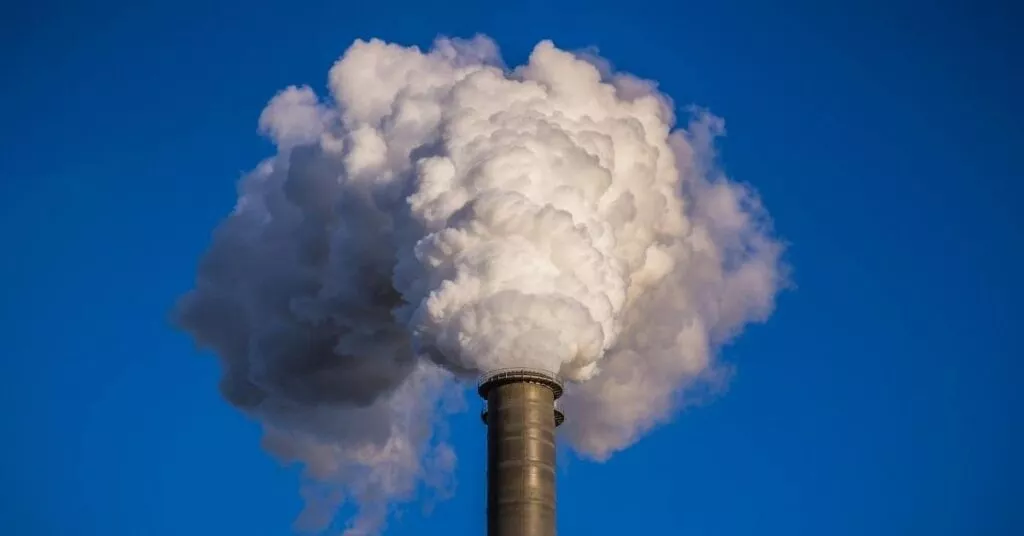
(Patria) - From January 1, 2026, the European Union will introduce a tax on products imported into its market whose production involves the emission of carbon dioxide. Although Bosnia and Herzegovina undertook the obligation to establish a CO2 emissions trading system by signing the Energy Community treaty, very little has been done in this regard.
For exporters to the European Union, this means additional costs that will consequently and certainly reduce competitiveness, increase product prices, and completely shut down many.
Lukavac cement has been intensively working on energy efficiency projects for the past ten years. Although they cannot produce without emitting CO2, they have reduced the portion coming from alternative fuels by 25 percent.
"We have truly invested around 30 million euros in ecology here, in filters, in the monitoring system itself, in energy efficiency, so we are truly at the level of good European producers regarding CO2 emissions," says Stjepan Kumrić, General Director of Lukavac cement d.o.o.
Elektroprivreda Bosne i Hercegovine manages CO2 emissions through projects to build renewable energy sources – wind farms and photovoltaic power plants.
"They do not produce energy with CO2 and will gradually replace production from Thermal Power Plants, which involves CO2 emissions, and in this way, we will influence the reduction of our carbon footprint and mitigate these financial implications of paying CO2 taxes," emphasizes Anes Kazagić, Assistant General Director of EPBiH for Development.
The carbon tax will mean an additional burden on operations and production costs for Elektroprivreda. Besides the cement and electricity industries, it will also affect the production of iron and steel, artificial fertilizers, aluminum, and hydrogen.
"According to some estimates, by 2030, we should pay 1 billion and 300 million KM, and according to some less pessimistic estimates, we will have to pay 300 million KM to export to Europe," says Prof. Mirsad Đonlagić, an expert in the field of energy.
Bosnia and Herzegovina is at least five years behind in the energy transition process. Exporting companies mostly rely on their own capacities in this process. The introduction of a carbon tax could be devastating for small and medium-sized enterprises.
(BHRT)
Komentari (0)
Prijavite se za komentiranje
PrijavaJos nema komentara. Budite prvi!
Minuta
Sve →Iz drugih kategorija

High Representative Not Elected: Germans, French and British Against Americans, New Attempt at End of June

ČOVIĆ WITHOUT MERCY: How Those Who Brought Ademović to Office Created a Political Hell for Him



Sunny Saturday, quite warm



Tragedy in Albanian resort: Two minors drown












