
By: Delvin Kovač
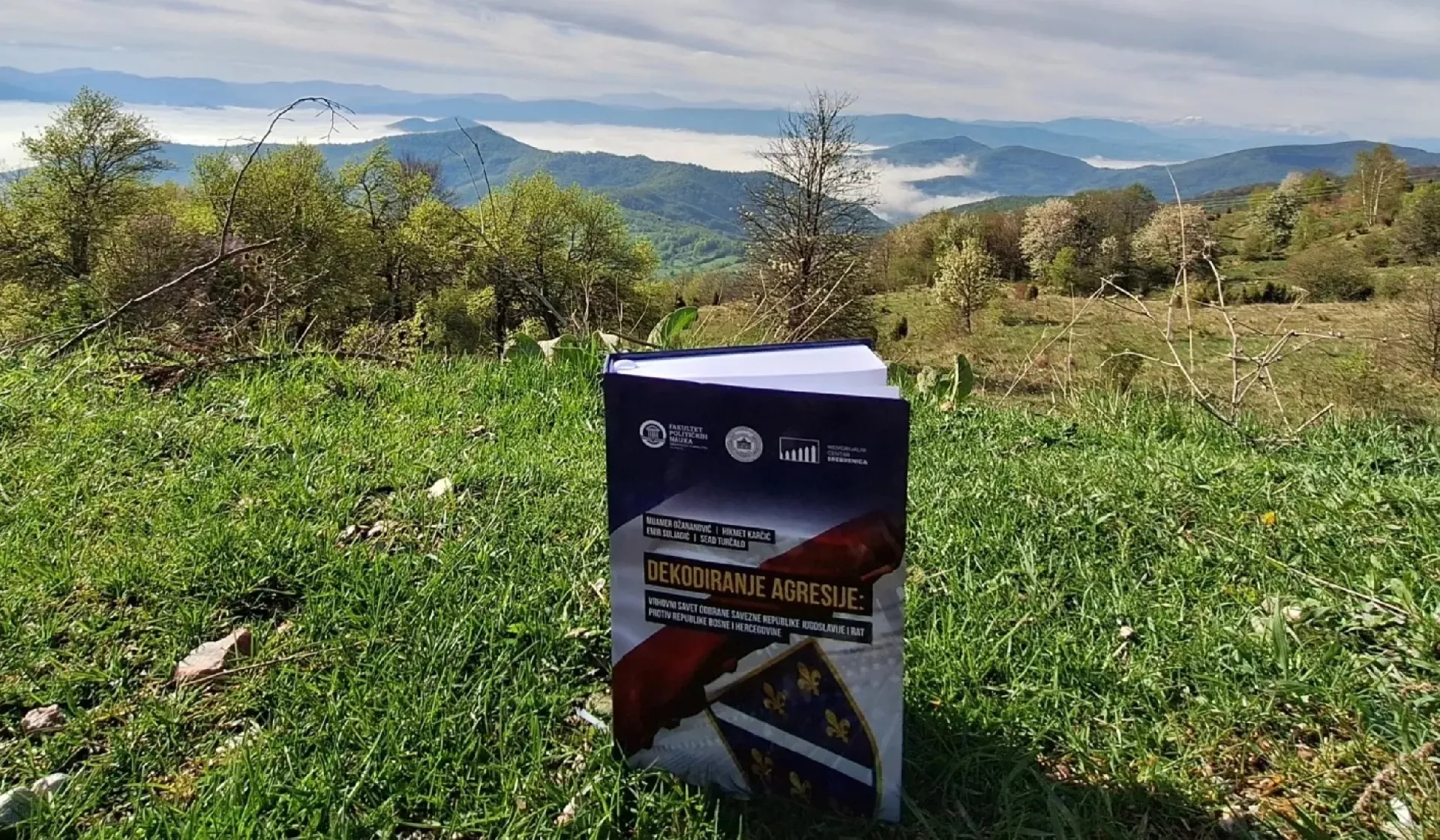
The promotion of the book titled "Decoding Aggression: The Supreme Defense Council of the Federal Republic of Yugoslavia and the War against the Republic of Bosnia and Herzegovina" will be held at the Sarajevo City Hall on April 25.
The authors of this extensive 560-page work are Dr. Muamer Džananović and Dr. Hikmet Karčić from the Institute for Research of Crimes Against Humanity and International Law of the University of Sarajevo, Director of the Srebrenica-Potočari Memorial Center (MC) Dr. Emir Suljagić, and Dean of the Faculty of Political Sciences (FPN) in Sarajevo Dr. Sead Turčalo.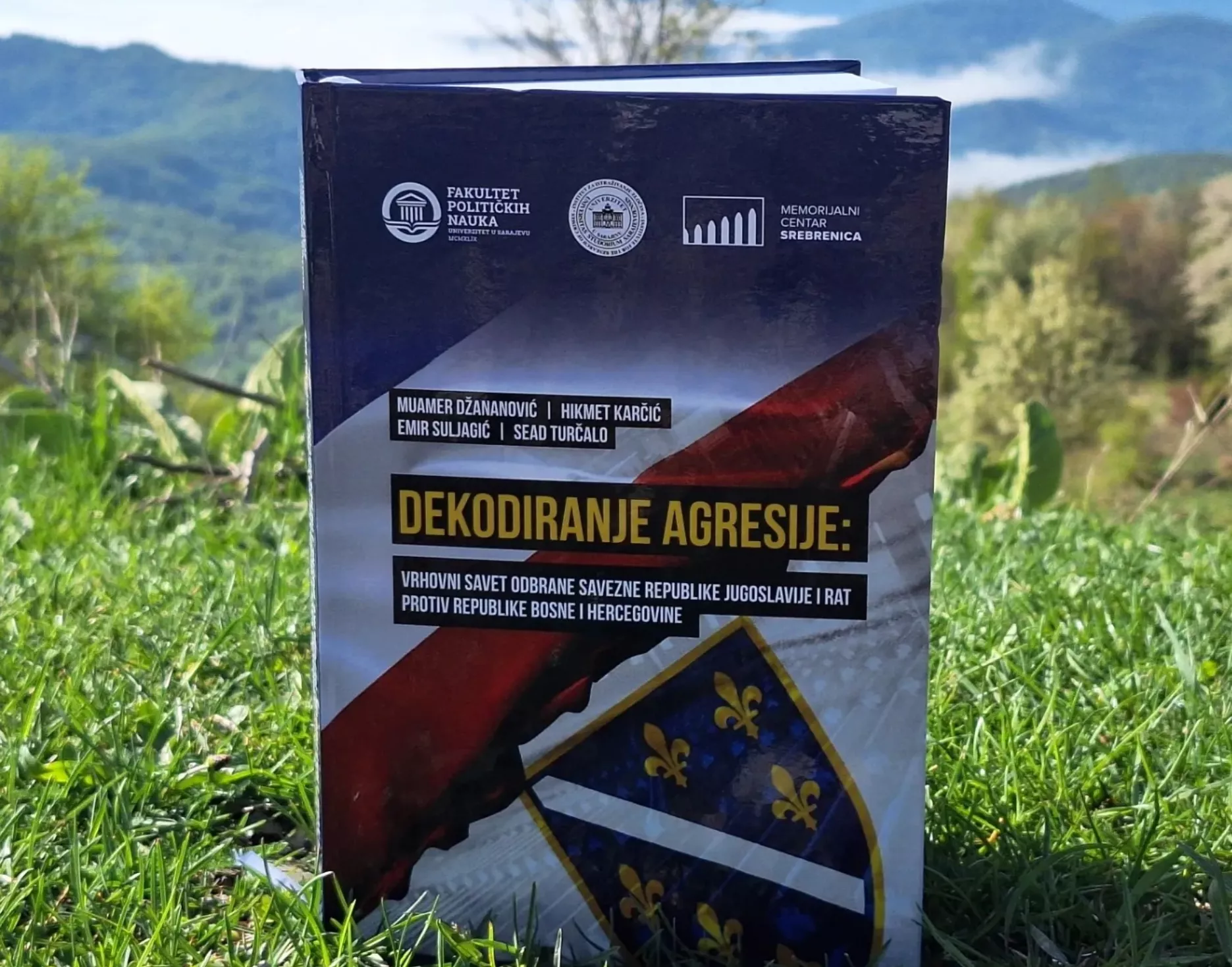
Promotion on April 25 at the City Hall
The book is the result of years of scientific research into the role of the Federal Republic of Yugoslavia in the aggression against the Republic of Bosnia and Herzegovina, and it represents a joint outcome of the work of three educational and scientific institutions: MC Srebrenica-Potočari, FPN Sarajevo, and the Institute for Research of Crimes Against Humanity and International Law.
This publication is of exceptional importance because it provides a detailed insight into the Serbian state mechanisms and decisions that led to the aggression and crimes, offering a necessary perspective for understanding the dynamics of the aggression against Bosnia and Herzegovina.
By examining "Decoding Aggression," the general public will have a much clearer understanding of why there is so much resistance from the authorities in the smaller BiH entity, as well as in Serbia itself, towards the Resolution on the Genocide in Srebrenica.
The book's reviews are signed by: Dr. Jasmin Medić, Dr. Elvedin Mulagić, and Dr. Jasmin Mujanović.
Authors of the book: (from left to right) Džananović, Karčić, Suljagić, Turčalo
Turčalo: Manipulation of military and political resources
One of the authors, Sead Turčalo, says in an interview with Patria that their goal was to examine, document, and analyze how the FR Yugoslavia, and its political and military leadership, organized, supported, and directly participated in the aggression against Bosnia and Herzegovina, using military and logistical resources to support Republika Srpska.
- We dedicated the central part of the book to the analysis of the stenograms and minutes of the Supreme Defense Council (VSO), highlighting the discussions, decisions, and strategies that defined the conduct of the aggression against the Republic of Bosnia and Herzegovina.
These documents are key to understanding how the political leadership of the FRY, including Slobodan Milošević and other key figures, manipulated military and political resources to achieve the goals of Serbian expansionist nationalism.
The stenograms reveal how decisions were made to send soldiers, weapons, and ammunition to Bosnia and Herzegovina, often disguised as aid to the Serbian people.
We also provided an analytical overview of how economic sanctions, which resulted from international condemnation of the aggression, led to hyperinflation and financial problems within the FRY. This created tensions between the political leaders of the FRY and RS, as economic destabilization threatened the ability to further finance the war.
In addition, we analyzed in detail how officers of the JNA were assigned to the army of Republika Srpska through the 30th Personnel Center, which indicates a direct and organized form of military integration and support.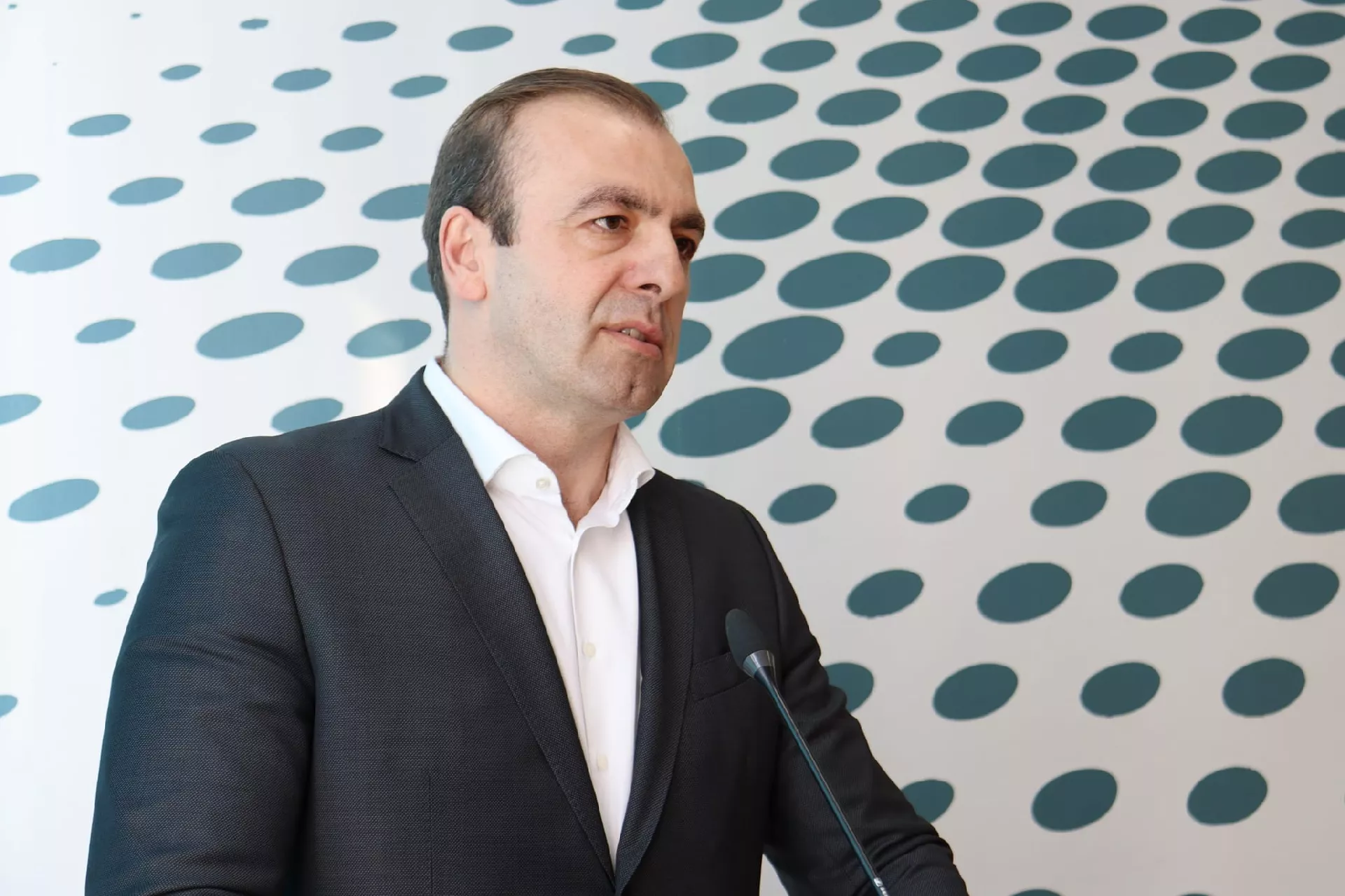
Turčalo: "Decoding Aggression" raises questions of moral responsibility
The Thirtieth Personnel Center represented a key mechanism through which the Federal Republic of Yugoslavia directly participated in the aggression against Bosnia and Herzegovina, despite formally denying its involvement.
This center was vital for coordinating military operations and enabled the FRY to manage, equip, and finance the military forces of Republika Srpska.
Through this center, officers and other military personnel of the JNA, and later the VJ, received official assignments that obligated them to serve in the units of the VRS. Formally, these officers were on official duty within the VJ, but they effectively operated within the command structure of the VRS - Turčalo told us.
- "Decoding Aggression" not only documents historical facts but also raises fundamental questions about responsibility, the legal responsibility of states and individuals in orchestrating war crimes, but also raises the question of the moral responsibility of those who did not oppose it.
This book will be a reference work for understanding the mechanisms and resources that the FR Yugoslavia used in the aggression against Bosnia and Herzegovina, and will also help in understanding its consequences - Turčalo added.
Medić: The Army of Republika Srpska was merely fictional
In his review, Medić states that the manuscript indisputably proves the involvement of the political and military leadership of the Federal Republic of Yugoslavia in the war against the independent and internationally recognized Republic of Bosnia and Herzegovina.
Through the conversations of the members of the Supreme Defense Council, Medić notes, it is evident that political and military leaders were aware of the situation in every part of Bosnia and Herzegovina and often managed processes in those parts that were of strategic importance to Republika Srpska at a given moment.
- In their conversations, they do not hide how dependent Republika Srpska is on them and that the Federal Republic of Yugoslavia actually calls the shots in its military operations. These conversations confirm the thesis of Judge Gabrielle Kirk McDonald in the case against Duško Tadić that the Army of Republika Srpska was merely fictional - Medić points out.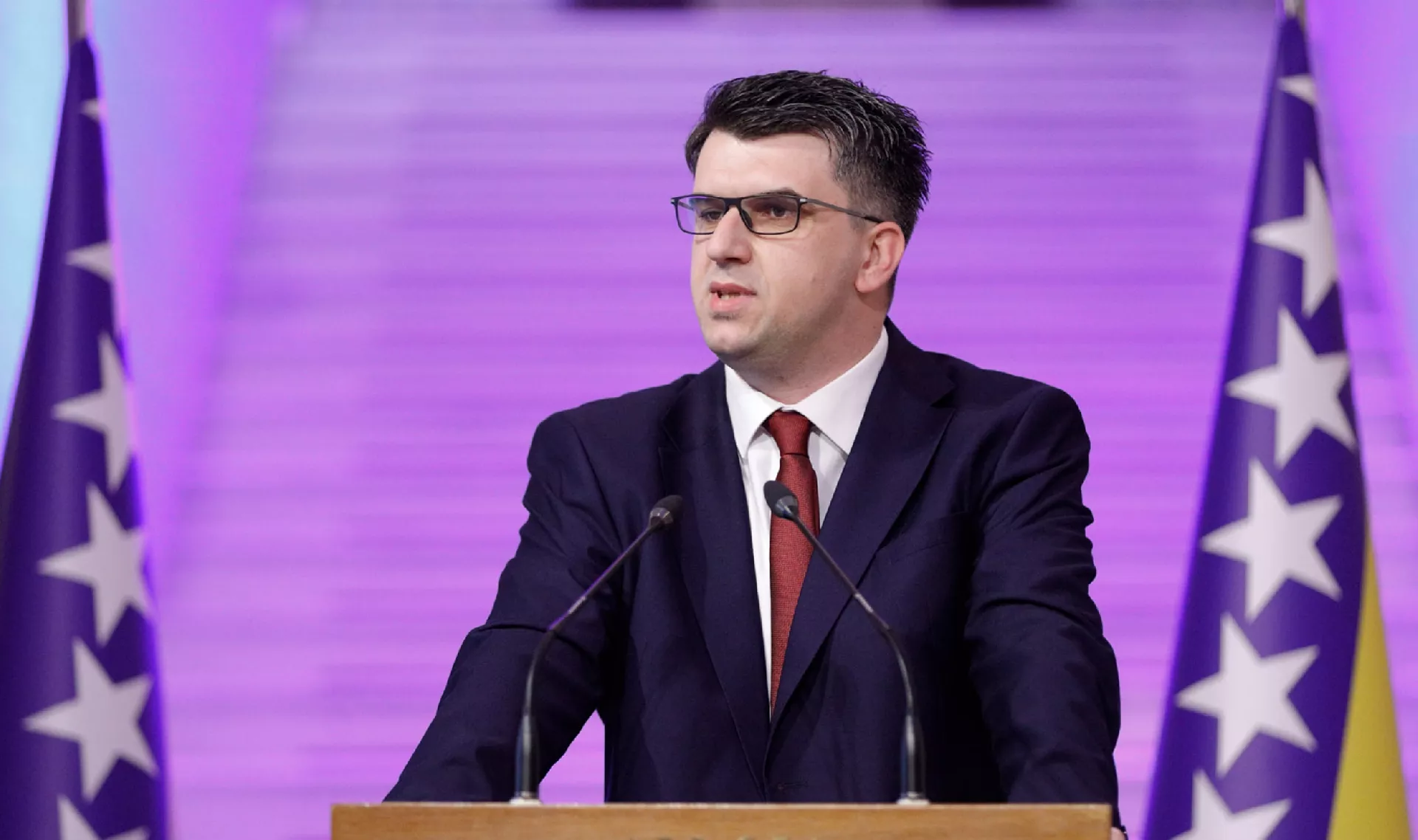
Medić: The manuscript is unavoidable
According to him, their words, in which they often perceive the conquered territories of Republika Srpska as part of a common compact (Serbian) territory, confirm that the ultimate goal of the Supreme Defense Council members was the creation of a Greater Serbia on the ruins of Yugoslavia.
- The words spoken at the Supreme Defense Council meetings are irrefutable evidence of the aggression committed against the Republic of Bosnia and Herzegovina. Due to the significance of what was said, it was not in the interest of some centers of power for them to be used as evidence of the aggression committed against the Republic of Bosnia and Herzegovina, neither in cases before the International Criminal Tribunal for the former Yugoslavia, nor before the International Court of Justice in the case of Bosnia and Herzegovina v. Federal Republic of Yugoslavia for genocide.
For a better understanding of the breakup of Yugoslavia and the events in the Republic of Bosnia and Herzegovina, this manuscript is unavoidable. In it, both the scientific and the general public will discover parts that have so far been shrouded in secrecy, and therefore, for all the reasons mentioned above, I believe this manuscript should be published - Medić added.
Mulagić: This topic has not been more seriously presented to readers until now
Elvedin Mulagić states in his review that the book presents a topic that has not been more seriously presented or brought closer to readers until now.
Mostly, transcripts and minutes from VSO sessions have been mentioned individually, through proceedings before the ICTY and in articles and comments by journalists and analysts. However, an integral review and synthetic presentation of their themes and content has been missing.
- The records from the VSO meetings offer, like no other type of document, reliable evidence that the political leadership of Serbia and the FRY planned and directed the wars against Croatia and the Republic of Bosnia and Herzegovina.
Many written works have dealt with the programmatic and planning basis of the Greater Serbian war against Bosnia and Herzegovina and Croatia, i.e., the plans for conducting the war and aggression. Perhaps even greater attention has been drawn to the ideological basis of these wars.
Such works provided insight into the place and role of the JNA and SSNO in conducting the war against Croatia and the beginning of the war against Bosnia and Herzegovina. However, very few works have provided insight into the bodies and institutions established after the formation of the FRY, which took over the leading role in the aforementioned wars.
Mulagić: The leading role of the VSO in the wars against BiH and Croatia
In these limited insights, the VSO was often mentioned, but without a comprehensive assessment. Therefore, it is not unfounded to claim that the manuscript "Decoding Aggression" is a pioneering scientific work that has comprehensively examined the place and role of the VSO in the defense system of the FRY during the aggression in neighboring countries - says Mulagić.
The manuscript, he adds, indicates that the VSO, from the moment of its establishment, fully took over the leading role in conducting the wars against Bosnia and Herzegovina and Croatia.
- The authors present us with reliable indicators that the VSO filled the military budget of the SVK and VRS and ordered the VJ to supply the SVK and VRS with weapons, military equipment, ammunition, and other material resources.
The VSO also ordered the replenishment of the mentioned armies with officers and non-commissioned officers from the VJ, paid salaries for thousands of commanders engaged in these armies, and so on - adds Mulagić.
As he says, although the documents of the VSO's work indicate the close involvement of the political-military leadership of the FRY in conducting the territorial war against Bosnia and Herzegovina, the authors skillfully identify that in certain key events, such as the commission of genocide in and around Srebrenica in the second half of 1995, the minutes and transcripts are completely missing.
- The authors rightly link the absence of records to the intention to conceal the leading role of the VSO and the FRY in conducting the war and committed crimes in Bosnia and Herzegovina and Croatia.
The authors' views that in the second phase of the aggression against the Republic of Bosnia and Herzegovina, there were disagreements between the Pale and Belgrade leadership, which caused disruptions in the implementation of the Greater Serbian project at the end of the 20th century, indicate the authors' critical approach in assessing the functioning of relations within the leadership - Mulagić emphasizes.
The authors further present that these "turbulences" in relations within the leadership of the Greater Serbian project were limited in nature, as Slobodan Milošević managed to regain the leading role before the Dayton peace negotiations.
- The jurisprudence of the ICTY and numerous scientific works have revealed that behind the commission of genocide in and around Srebrenica stood the well-organized military structure of the VRS and the authoritarian political leadership of the RS.
However, the records from the VSO sessions indicate that military operations and crimes in Bosnia and Herzegovina, and thus in Srebrenica, were carried out in accordance with the guidelines of the supreme leadership of the Greater Serbian project, which was embodied in the VSO from its formation.
Guidelines were adopted at VSO sessions that had to be applied and respected in the extreme, as was ultimately the case with the acceptance of the Dayton Peace Agreement by the Pale leadership - Mulagić stated.
Mujanović: The authors' analyses provide important political and historical context
Jasmin Mujanović believes that the book represents a significant contribution to the literature on the war and aggression against Bosnia and Herzegovina from 1992 to 1995.
It is particularly significant, he assesses, because its primary focus – the direct role of the Serbian military and security leadership in conducting the VRS campaign – remains poorly understood and analyzed in the existing literature.
- In this regard, for example, Chapter 2 (Formation and Significance of the 30th Personnel Center) is particularly important because it provides a microhistory of the formation of one of the key decision-making cells in the structure of the then Yugoslav state, and its role in directing the aggression against Bosnia and Herzegovina.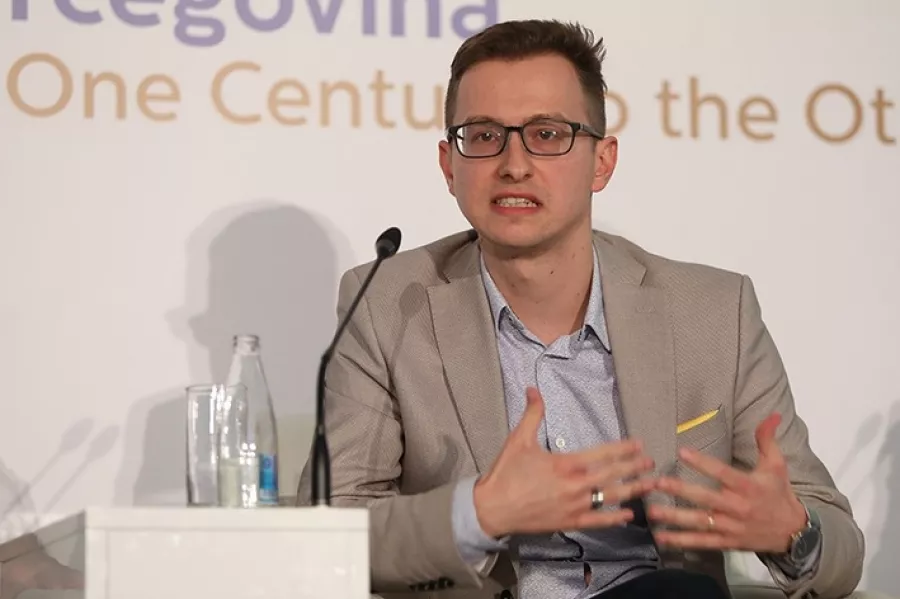
Mujanović: The book is significant for researchers in Europe and North America
The mere reproduction and distribution of stenographic records of conversations among the leadership of the FRY and Serbia will be of immense benefit to other researchers and academics. But the authors' accompanying analyses also provide important political and historical context that will give this publication great added value.
This also represents a further positive step towards reshaping the global scientific and legal understanding of the aggression against Bosnia and Herzegovina through the perspectives of Bosnian-Herzegovinian experts and researchers, rather than foreign actors - Mujanović states.
He says he would strongly encourage the authors and publisher to ensure that professional English and, ideally, German translations of this text are made, as it will be of significant interest to social scientists and legal researchers in Europe and North America.
Komentari (0)
Prijavite se za komentiranje
PrijavaJos nema komentara. Budite prvi!
Minuta
Sve →Iz drugih kategorija

High Representative Not Elected: Germans, French and British Against Americans, New Attempt at End of June

ČOVIĆ WITHOUT MERCY: How Those Who Brought Ademović to Office Created a Political Hell for Him



Sunny Saturday, quite warm



Tragedy in Albanian resort: Two minors drown












