
By Armin Sijamić
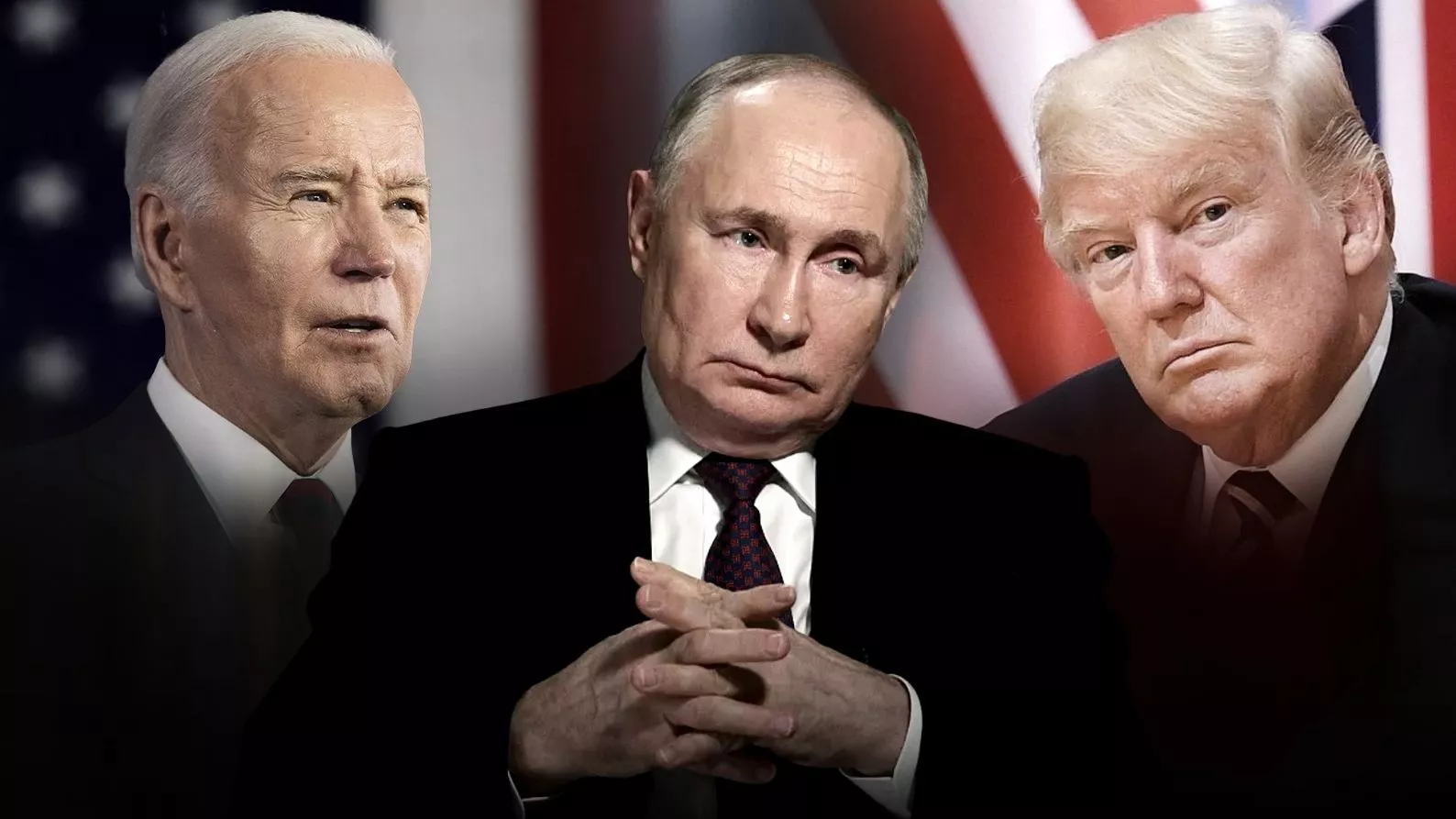
After US media reported on Sunday, citing unnamed sources in President Joseph Biden's administration, that official Washington had allowed Ukraine to use American weapons deep inside Russian territory, official Moscow soon responded by changing its nuclear doctrine and stating that it would use nuclear weapons even in the event of an attack by "drone swarms".
This week, what had been hanging in the air for months and what Kyiv had been demanding since the beginning of the Russian aggression in February 2022, happened. The United States, and likely other countries soon after, allowed the Ukrainian army to strike targets in Russia with their weapons. Now, large Russian cities, military bases, energy facilities, factories, airports, and railway hubs are within Kyiv's reach.
This decision can be viewed from two perspectives. The first is political and relates to the plans of the newly elected President Donald Trump and Russia's "right" to attack neighboring countries with impunity. The second perspective is military – Ukraine will now be able to do more of what it was already doing, undertaking operations across Russia.
Political groundwork
American presidents often make important decisions towards the end of their term, trying to correct their own mistakes or improve their image. Biden's decision to allow Ukraine to strike deeper into Russia with American weapons is related to this. But it is also related to overall American policy, the clash of at least two currents in American power centers, and Washington's role in the world.
Indeed, Trump has repeatedly said during his election campaign that he will end the war in Ukraine even before taking office on January 20. Few believed this statement, except for his supporters, especially since he did not provide details on how he intended to achieve it.
People close to him tried to explain it. From these statements, it could be concluded that Trump's strategy, which he has neither confirmed nor denied, is to tell the Ukrainians to accept an agreement that he will negotiate with Vladimir Putin, or US aid will be suspended. At the same time, Putin would be told to accept Trump's proposal or he would be given everything the US has for Kyiv. Therefore, according to this plan, Ukraine would be weakened or significantly strengthened, and the war for Russia would be made easier or harder.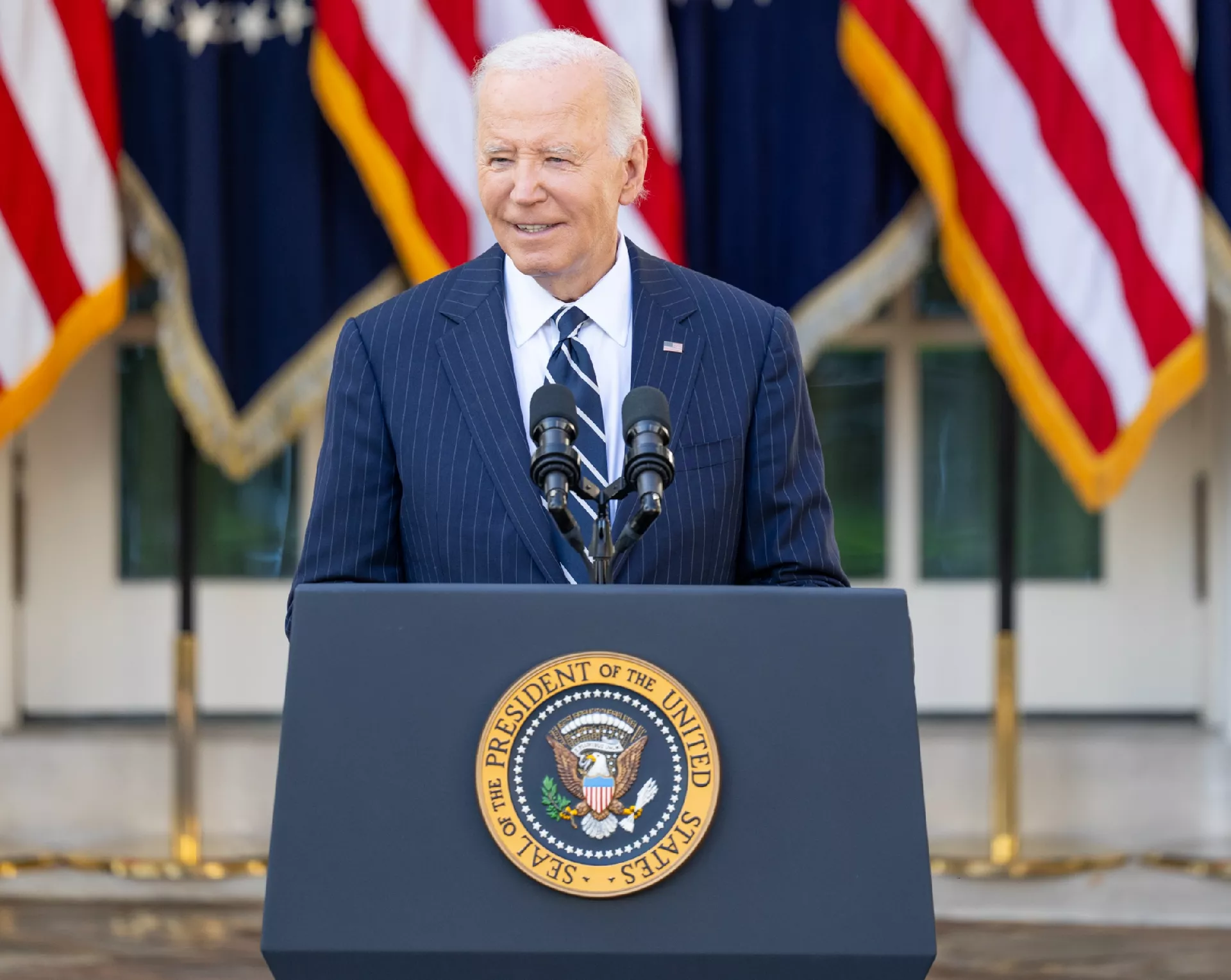
With Biden's decision to allow Kyiv to use American weapons deeper inside Russia, one item from Trump's plan has been revealed. Putin's change in nuclear doctrine reveals Moscow's plan, because to Trump's offer, if it is as stated, the Russian response would have to be like this.
This is part of the dilemma of whether official Washington and official Moscow have a way out of the Ukrainian war, as neither side is willing to back down from its demands. Kyiv and the West want Ukraine to retain its internationally recognized territory, while Moscow wants the right to dismember neighbors when it deems its interests threatened.
A War Costing Russia
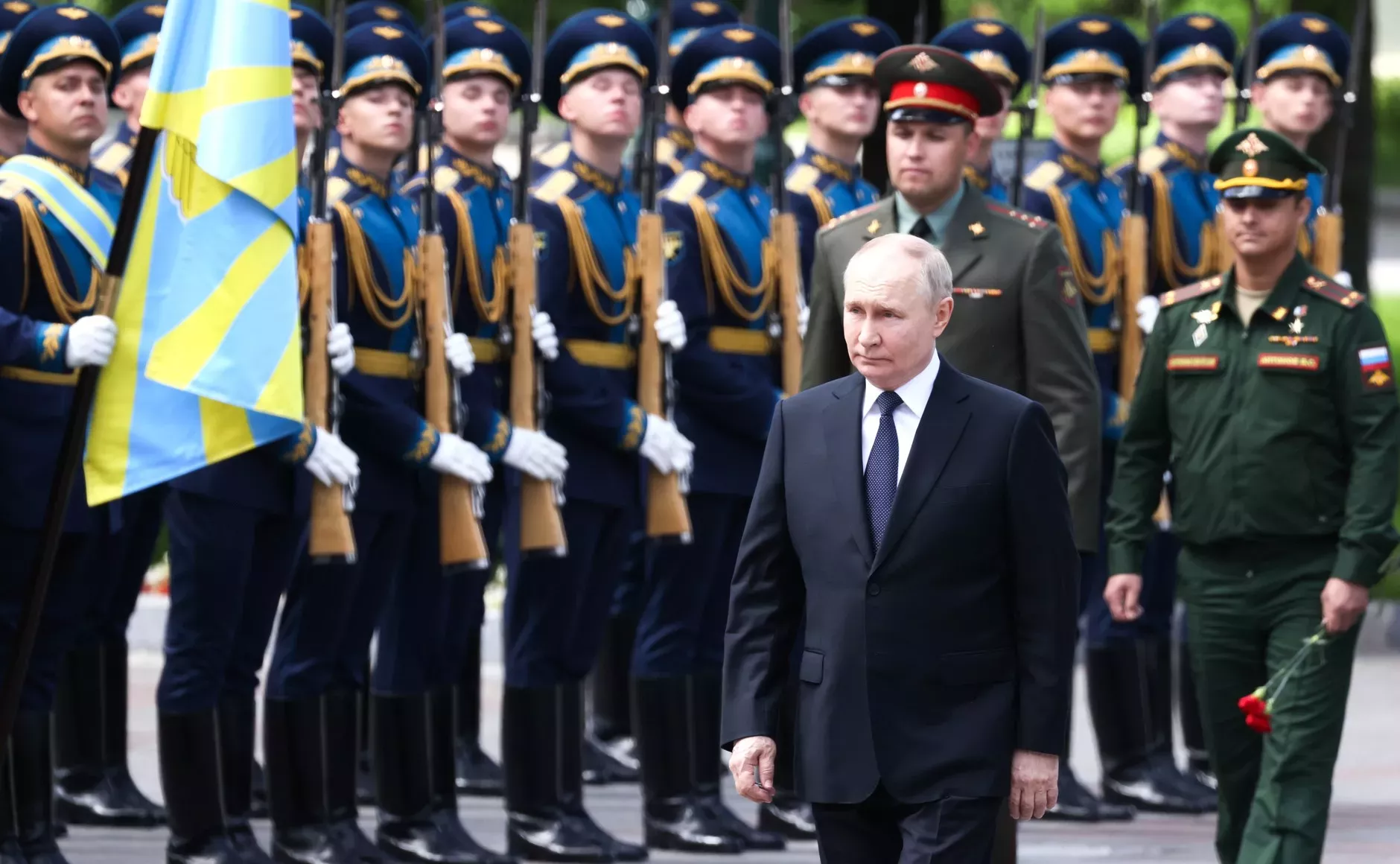
Russia has now gone a step further. According to Putin's new nuclear doctrine, it is not even possible for Russia to retaliate against an attack without a nuclear response. In the document signed by Putin this week, amending the 2020 version, it is stated that Russia will use nuclear weapons in the event of aggression by any non-nuclear state with the participation or support of a nuclear power, in the event of an attack on Belarus, in the event of a massive launch of aircraft, cruise missiles, and drones...
In other words, Russia has lowered the threshold for the use of nuclear weapons, which are a means of deterrence and a mechanism for defending the existence of the state. Now, Kyiv and the West are being threatened that nuclear weapons will also be used due to a major battle. The reason for responding to the massive use of drones, for example, can be found in any major attack by Ukrainian forces. Since Ukrainian forces are in Kursk, within Russia, and the Russian army is in Ukraine in territories that Moscow has claimed as part of the Russian state for two years, a "reason" for using nuclear weapons can be found every day.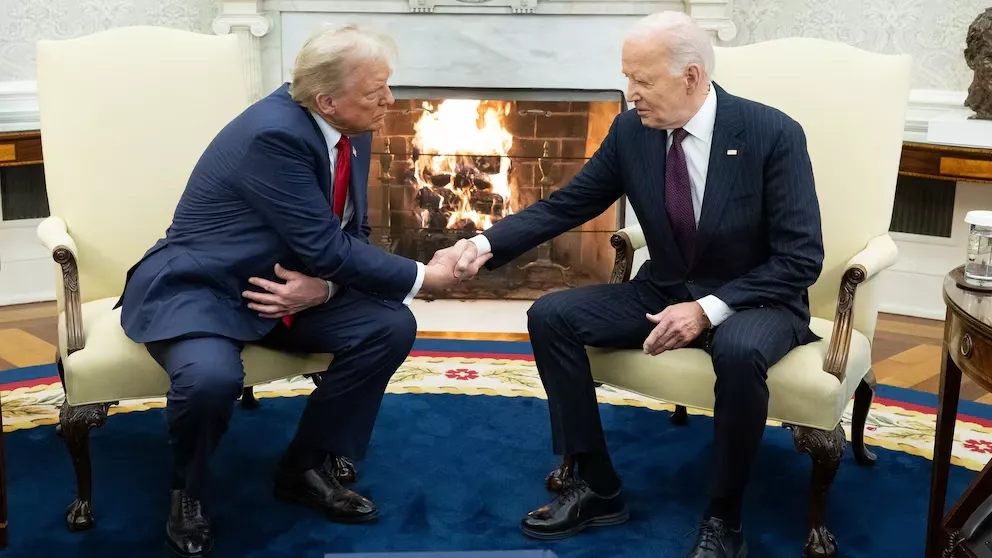
As most of the fighting is taking place in territories that Russia considers its own, the question of the depth of strikes within the largest country in the world becomes less important. By changing its nuclear doctrine, Putin wants the right to use nuclear weapons after every heavy blow Russia suffers, and the targets could be numerous states. These states do not have to be nuclear powers; it is enough that they are involved in supporting Ukraine or clash with Belarus. This primarily applies to Poland, which is a key country for supplying Ukraine with American and other Western weapons.
Moscow had previously compiled a list of enemy states and included almost all European countries on it, excluding Bosnia and Herzegovina, Serbia, Turkey, Moldova...
Putin's response in the form of a new nuclear doctrine has been prepared for a long time, as it is clear that Russia cannot fight in Ukraine forever. The West's most modern weapons are inflicting heavy losses on the Russian army, while sanctions are hitting the Russian economy. Russian advances on the front have been ongoing for months, but the end of the war with this intensity of advance is not near. Since the very beginning of the aggression against Ukraine, Russia has calculated that the Kyiv government will collapse due to human and economic losses, and the prerequisite for this is a reduction in aid from the West.
Trump's Task
By deciding to allow Ukraine to use American weapons deep inside Russia, Biden has put Trump and his political faction in a position where they must face the fact that the key to ending the war in Eastern Europe is not only in "problematic" Kyiv, but also in Moscow, which punishes neighbors if they distance themselves from it. In 2008, they took South Ossetia and Abkhazia from Georgia, in 2014 they took Crimea from Ukraine, they refuse to withdraw from Moldova despite calls from the local authorities, they intervened militarily in Kazakhstan in January 2020, and now they want another part of Ukraine.
Trump's associates confirm that his plan has been disrupted. His national security advisor Mike Waltz said that this decision is "another step up the escalation ladder" and that no one knows where it leads. Former high-ranking intelligence official and close Trump associate Richard Grenell was even more direct. He said that "no one expected Joe Biden to escalate the war in Ukraine during the transition period" and assessed that "everything has changed now, all previous calculations are now void. And all this for politics." Donald Trump Jr. accused the "military-industrial complex" of wanting World War III before his father takes office, calling them "imbeciles".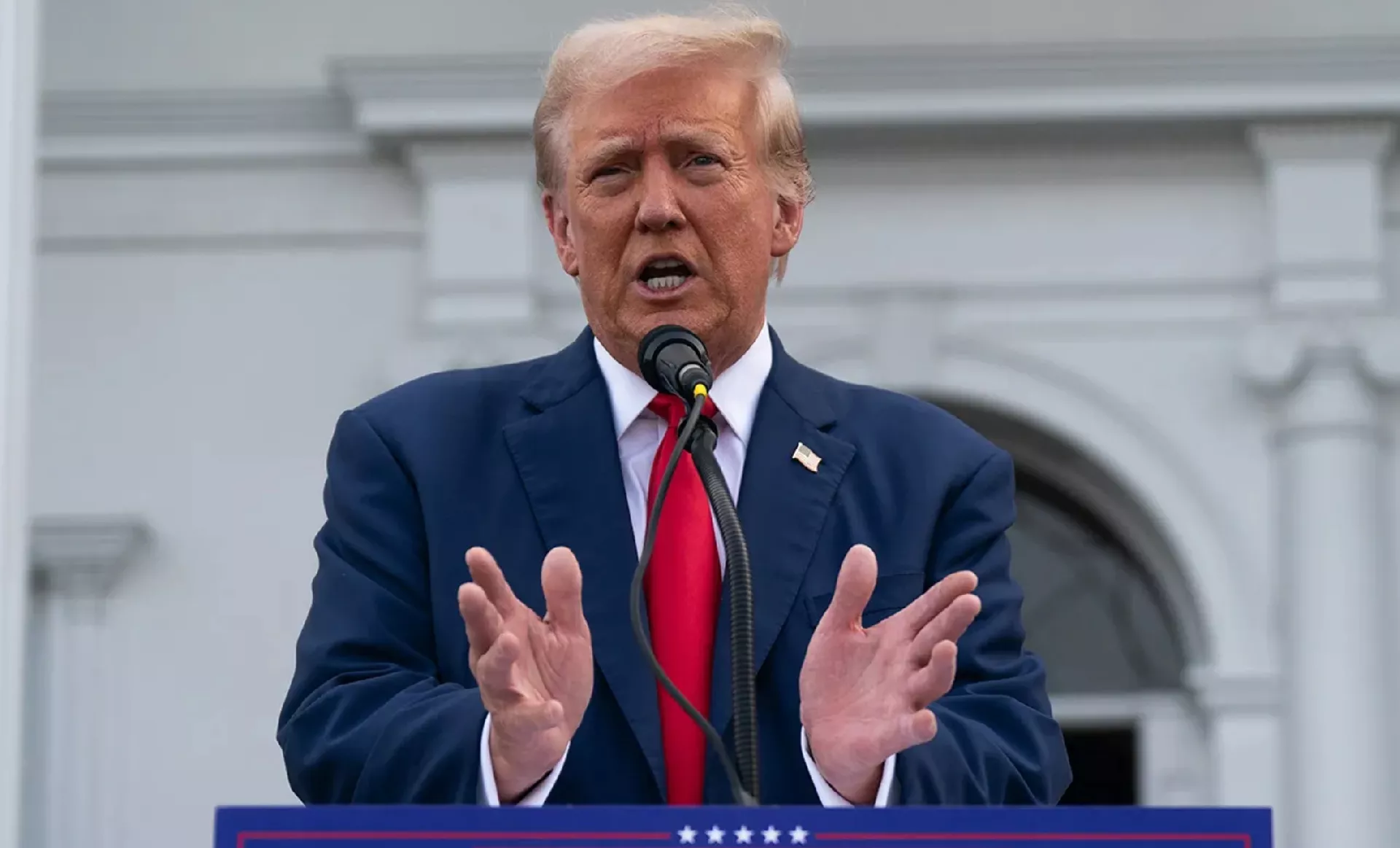
The sharp criticism from Trump's associates cannot hide the fact that Putin's move was expected. Putin announced this on September 12, warning the West not to help Ukraine to the fullest extent, or not to reverse the course of the war again, after Kyiv had been saved for almost a thousand days. Russia also threatened to target NATO bases with nuclear weapons at that time. Biden's decision to allow Kyiv to attack with American weapons in Russia was waiting for a pretext. This time, the pretext was found in the alleged presence of North Korean troops in Kursk fighting against the Ukrainian army.
Therefore, both sides foresaw the moves of the opposing side long ago. Biden's and then Putin's decisions go beyond the Ukrainian war and concern the security architecture of Europe, which will be created with or without Russia. The outcome of the US-Russian chess match in Ukraine has direct consequences for Europe, regardless of whether official Washington and Moscow reach an agreement.
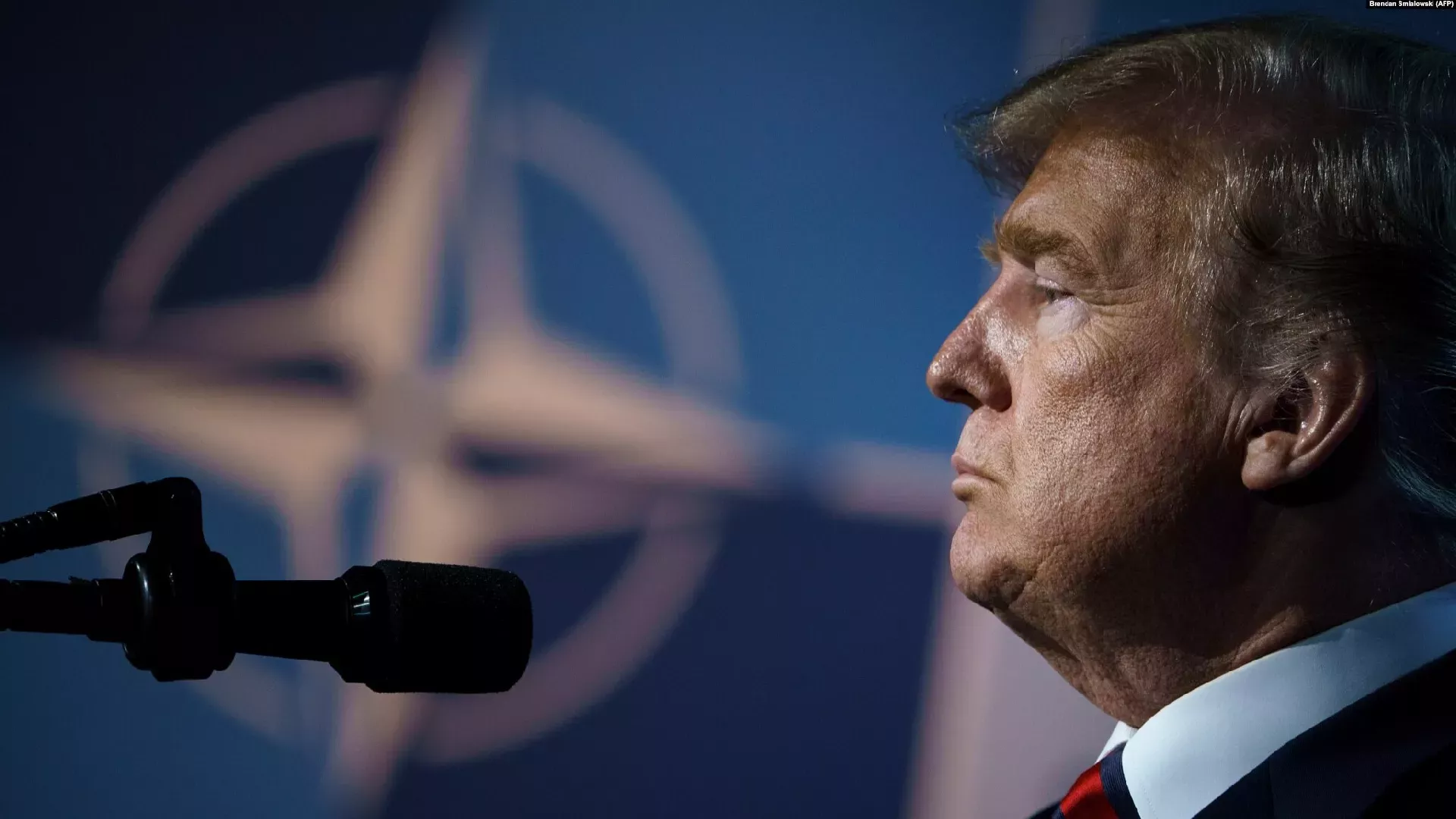
Trump is ready for negotiations, even to meet Putin, to whom the West has long closed its doors. The recent phone call between German Chancellor Olaf Scholz and Putin shows that others are also ready to negotiate, but the question is under what conditions and about what. Critics of Trump say that it is not negotiation if Ukraine is forced to surrender, and critics of Biden say that arming Kyiv will lead to World War III. This shows how difficult the task is for Trump if all sides remain in their current positions. Putin's move shows that he is not afraid of Trump's plan and is not ready to make concessions at the moment. The newly elected US president now needs a new plan or will have to continue the current one's policy.
Komentari (0)
Prijavite se za komentiranje
PrijavaJos nema komentara. Budite prvi!
Minuta
Sve →Iz drugih kategorija

High Representative Not Elected: Germans, French and British Sabotaged Americans, New Attempt at End of June

ČOVIĆ WITHOUT MERCY: How Those Who Brought Ademović to Office Created a Political Hell for Him



Sunny Saturday, quite warm



Tragedy in Albanian resort: Two minors drown












