
By Armin Sijamić
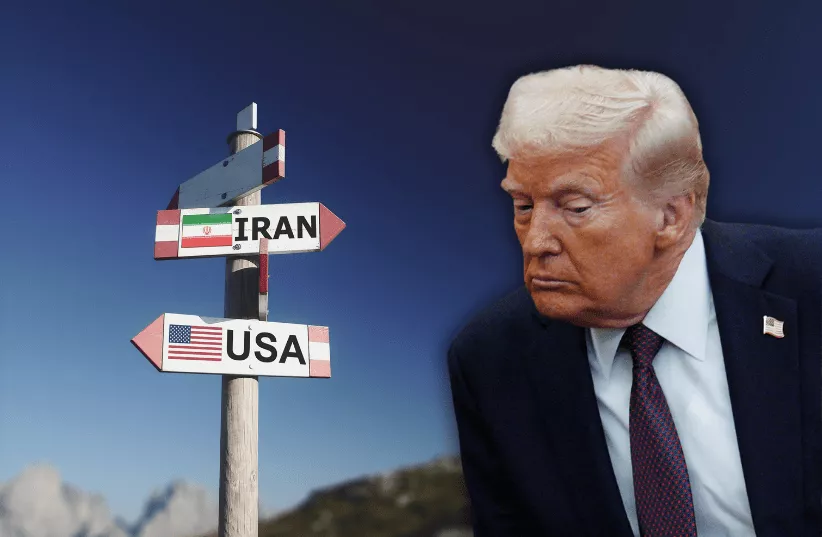
Iran's nuclear program is once again on US President Donald Trump's priority list. This time, the US administration, after threatening sanctions, is also threatening military action if Iran does not accept the demands of Washington and Israel.
The administration of Barack Obama reached an agreement on Iran's nuclear program in 2015. Tehran limited its activities in this field and in return received sanctions relief. China, Russia, Germany, the United Kingdom, and France are also signatories to the agreement.
Two years later, Trump withdraws the US from the agreement and imposes sanctions on Iran. This was a great victory for Israeli Prime Minister Benjamin Netanyahu, who was an opponent of the agreement with Iran.
The Middle East has changed since 2015, but some plans are still on the table. One of them is the overthrow of the government in Tehran. Iran remains the only country on the list of states from the famous speech by US General Wesley Clark, who was allegedly told in the Pentagon after September 11, 2001, that the United States, after Afghanistan, would overthrow "seven countries in five years". On that list, besides Afghanistan, were Iraq, Syria, Libya, Lebanon, Sudan, Somalia, and Iran.
Trump for the second time
With the fall of Bashar al-Assad, who was replaced in Damascus by former ISIL and Al-Qaeda member Ahmed al-Sharaa and who quickly became a partner of Washington and the European Union, the only country remaining on the infamous list mentioned by Clark is Iran. All other countries on the list have had wars in this century and their governments have been changed, sometimes multiple times.
The Israeli lobby helped Trump return to the White House. The appointments Trump made further prove this. Netanyahu, after pressuring Trump to withdraw the US from the Iranian nuclear program agreement, is now pressuring Trump for military action against Tehran.
But Iran is stronger than all the countries on the aforementioned list, although significantly weakened after Assad's fall and Hezbollah's losses in Lebanon in the war against Israel. Netanyahu does not want to miss this opportunity, so Trump is once again dealing with Iran, even though the American interest is to urgently deal with China.
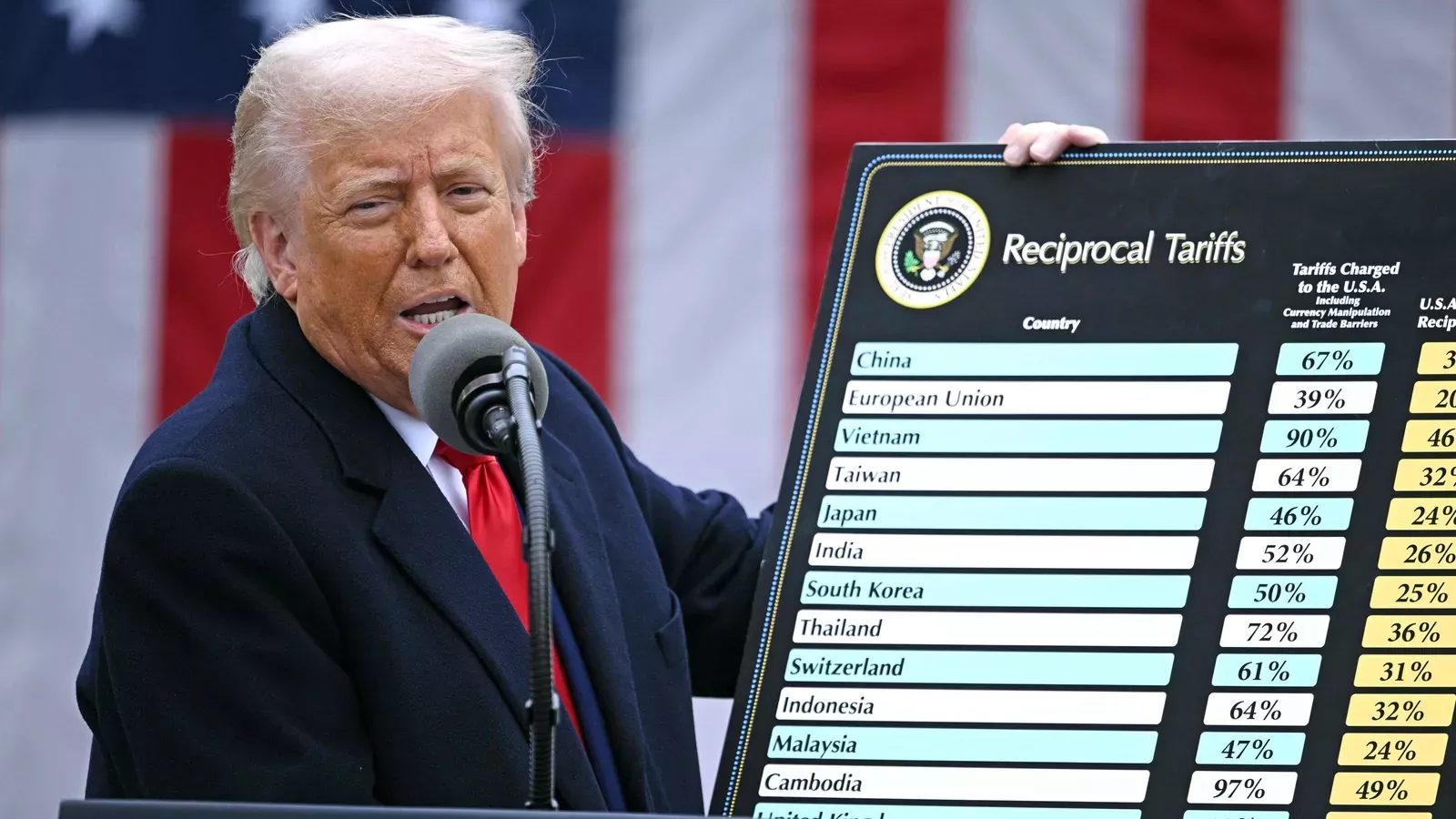
Since coming to power, Trump has sent messages to Iran in his own style. Other US officials have done the same. Some of the terms mentioned were "hell," "strikes," "sanctions," "maximum pressure," all if Iran does not agree to Washington's demands. And Washington's demand for decades has been that Iran does not build nuclear weapons, while Tehran claims that is not its goal.
About ten days ago, Trump surprised the public. He announced that negotiations with Iran would begin during Netanyahu's visit to the White House. The world soon learned that Oman would host indirect talks between the two countries, and shortly before Trump's announcement, the public learned that the US President had written to Iranian Ayatollah Ali Khamenei and requested talks.
Negotiations in Oman
Iran has not been idle since Trump's first term. In addition to banning international inspections of its facilities for a period, it began enriching uranium. Many experts claim that Iran is on the verge of building nuclear weapons, if it decides to.
Iran has claimed for years that its nuclear program is for civilian use. However, some believe that this concept should be abandoned. Some Iranian politicians have called on Ayatollah Khamenei to issue a fatwa calling for the acquisition of nuclear weapons. One of the most important political figures in Iran for decades has been Ali Larijani, and he is now Khamenei's advisor. At the end of last month, he said that Tehran would develop nuclear weapons if the United States or Israel attacked Iranian nuclear facilities.
Attacks on Iranian nuclear facilities are precisely the topic, a threat hanging in the air as the US military has been massing forces in the Middle East for weeks. After the first meeting in Oman, attended by US envoy Steve Witkoff and Iranian Foreign Minister Abbas Araghchi, Tehran announced that a second round of talks would be held in the same country on April 19, just seven days after the first. Araghchi says that at that meeting, the "general framework of a future agreement" will be agreed upon.
The public learned about the negotiations from various sources. Some media outlets reported, citing their sources, that the negotiations in Muscat proceeded in a good atmosphere. Then, that Iran requested the agreement that Trump abandoned in 2017 to be re-signed and proposed the denuclearization of the Middle East, including Israel.
The negotiations in Oman surprised many, especially since Khamenei said not so long ago that it was impossible to talk to Washington because they do not stick to agreements. Nevertheless, negotiations took place. And Iran's proposals, if the media reports are accurate, undermine the entire US and Israeli concept of policy towards Tehran. Namely, one of Washington's arguments is that Iran will start a nuclear arms race in the Middle East, after previously claiming that Iran wants such weapons. If these Iranian demands were accepted, then these two claims would be completely discredited.
Trump's plans and balance of power
Paris also believes that war is imminent. French Foreign Minister Jean-Noël Barrot said at the beginning of the month that "in case of failure (of negotiations), military confrontation seems almost inevitable," adding that Paris's position is that "Iran must never come into possession of nuclear weapons."
US Secretary of Defense Pete Hegseth confirmed this a few days ago. "If we can't resolve this at the negotiating table, there are other options to ensure Iran never gets a nuclear bomb," he said. "With what we are doing against the Houthis and in the region, we have shown the ability to go far, deep, and very strongly (...). We don't want to reach that point, but if necessary, we will do so to prevent Iran from developing a nuclear bomb."
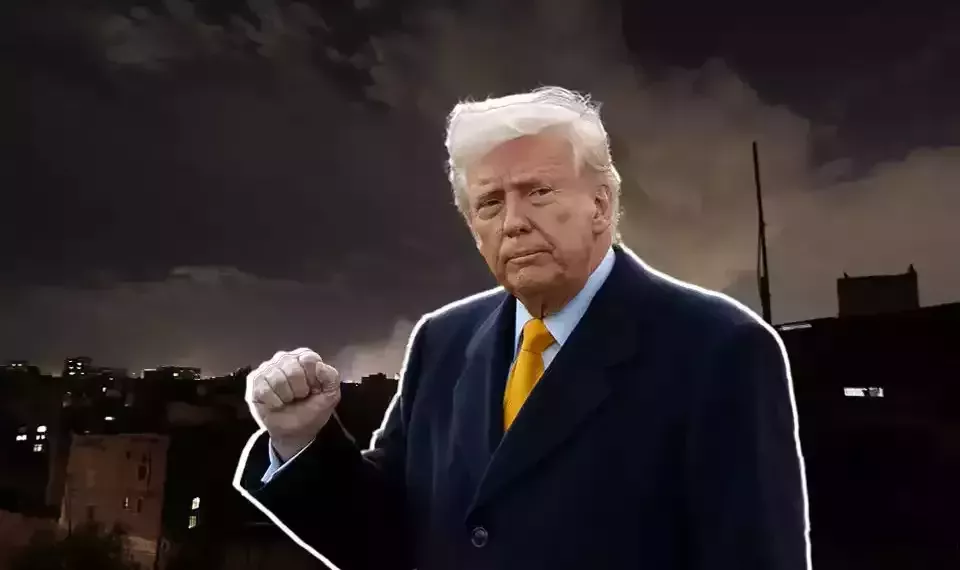
In May 2023, a few months before Hamas's attack on southern Israel on October 7, the Chief of Staff of the Israeli Armed Forces, Herzi Halevi, spoke about Iran's nuclear facilities. "Iran has advanced in uranium enrichment further than ever before... Negative developments are on the horizon that could lead to (military) action," he said, without specifying who, when, and how actions against Iran would be taken. "We have the capabilities, and others also have capabilities," Halevi added.
Yesterday, Trump spoke about the negotiations in Oman and concluded that Iran was delaying, even though only a few days had passed since the meeting. "I think they are just stringing us along," Trump said. "Iran must abandon the idea of nuclear weapons. They cannot have nuclear weapons," he said, adding that US options "include" a military strike on Iranian nuclear facilities.
The Iranian side does not believe the opposite either. Yesterday, Ayatollah Khamenei said that the negotiations in Oman had "well implemented their initial steps," but that Iran was "very skeptical" of the other side. "We are neither overly optimistic nor overly pessimistic about these talks," he added.
Yesterday's statements by Trump and Khamenei confirm the poor relations between Washington and Tehran, but also indicate that there is no trust. Simply put, it is about the possibility of using force and calculating gains and losses if a war were to be initiated. Washington knows Iran's capabilities, just as Tehran knows the capabilities of the United States, Israel, and their allies in the region.
Trump is now deciding whether he is ready to pay the price for an attack on Iran, after he was not willing to do so in his first term, or whether he will agree to a similar deal that Obama reached, thus admitting that he made a mistake when he left the agreement. Demands for Iran to abandon its missile program and behave as Netanyahu wishes are also on the table and it is hard to believe that Tehran will accept them. In other words, Trump is deciding, while Americans expect him not to start wars as he promised all his years in politics, whether he will once again fulfill Netanyahu's wishes.
Komentari (0)
Prijavite se za komentiranje
PrijavaJos nema komentara. Budite prvi!
Minuta
Sve →Iz drugih kategorija

High Representative Not Elected: Germans, French and British Against Americans, New Attempt at End of June

ČOVIĆ WITHOUT MERCY: How Those Who Brought Ademović to Office Created a Political Hell for Him



Sunny Saturday, quite warm



Tragedy in Albanian resort: Two minors drown












